
Trekking Kolombangara Volcano: A Demanding Rainforest Ascent in the Solomon Islands
Kolombangara is a dormant stratovolcano in the Solomon Islands, offering a challenging trek through dense rainforest to its crater rim and summit. This guide covers the geology, trekking terrain, routes, permits, accommodations, and safety tips for an immersive volcanic adventure.
Quick Volcano Snapshot
| Attribute | Value |
|---|---|
| Volcano type | Stratovolcano |
| Elevation | 1770 m |
| Location | Western Province, Solomon Islands |
| Activity status | Dormant |
| Trekking difficulty | Demanding |
| Typical trek duration | 2-4 days |
| Altitude gain | Approx. 1770 m |
| Terrain type | Dense rainforest, cloud forest, volcanic crater rim, river crossings |
| Best season | Dry season (May to October) |
| Temperature range | 18°C to 28°C |
| Permit requirement | Required; arranged via local operators |
The Experience of Hiking Kolombangara Volcano
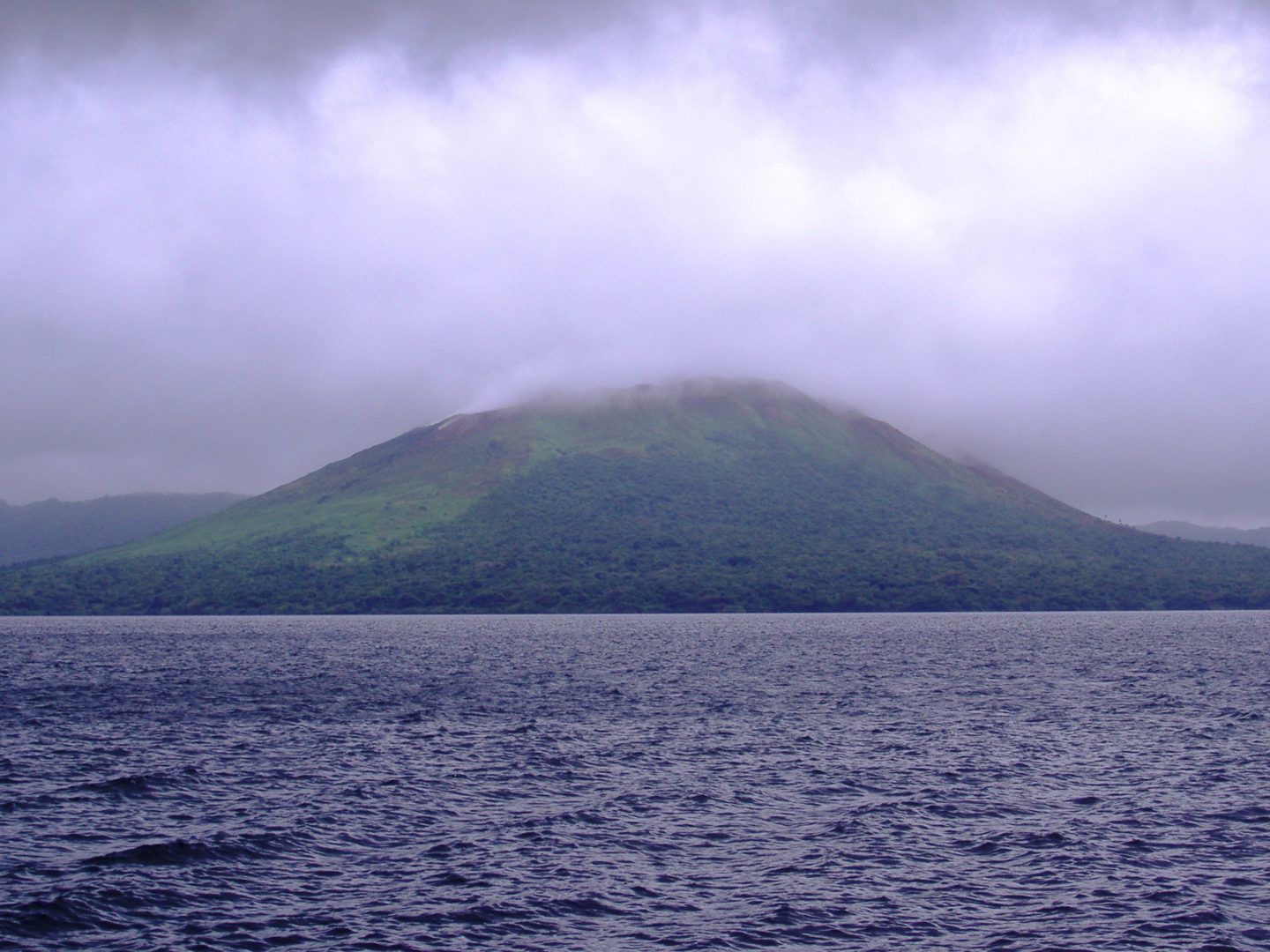
Approaching Kolombangara, the near-perfect circular cone rises dramatically from the surrounding ocean and rainforest. The dense jungle cloaks the slopes, creating a vivid contrast between the lush green canopy and the volcanic silhouette. Trekking here immerses you in a world of raw geological power and pristine wilderness. The trail winds through thick montane rainforest, where endemic birds call and rare frogs hide. Reaching the crater rim reveals breathtaking panoramic views over the Western Province, a rewarding culmination of the demanding ascent. The sense of standing atop a dormant giant, surrounded by untouched nature, is deeply humbling and exhilarating.

Geological Background of Kolombangara Volcano
Kolombangara is a stratovolcano forming almost the entire island, with a near-perfect circular shape approximately 9 kilometers in diameter. Its peak, Mount Veve, reaches 1770 meters above sea level. The volcano is dormant, with no recent eruptions recorded, but its geological history is marked by powerful volcanic activity that shaped the island’s dramatic landscape. The volcano’s cone is covered by dense rainforest, preserving the volcanic soils and unique mineral deposits. The crater rim features cloud forests and mossy montane ecosystems, while the Vila River flows from the crater, fed by volcanic springs. The island’s geology supports a rich biodiversity, including endemic species adapted to the volcanic environment.
Terrain and Hiking Experience on Kolombangara
Trekking Kolombangara is a demanding adventure through some of the Solomon Islands’ most pristine rainforest and volcanic terrain. The hike begins at Ringgi Station or Imbu Rano Lodge, ascending steep escarpments covered in thick tropical vegetation. Trails vary from well-maintained paths near the lodge to narrower, roughly cut tracks higher up. Hikers encounter a mix of terrain including dense montane rainforest, moss forests at higher elevations, and volcanic rock formations near the crater rim. Frequent river crossings along the Vila River require careful footing on slippery rocks and occasional wading through ankle-deep water. The humidity and heat of the rainforest add to the physical challenge, while sudden weather changes can bring heavy rain, making trails muddy and slippery. Altitude effects are moderate but noticeable as you approach the summit, with cooler temperatures and cloud cover. The ridge walks offer exposure to wind and panoramic views, rewarding trekkers with spectacular vistas of the island and surrounding ocean. Camping is possible at established campsites along the ridge, allowing multi-day itineraries. Overall, the terrain demands good fitness, sturdy hiking boots, and preparation for wet, slippery conditions. The rich biodiversity and remote wilderness make the effort deeply rewarding for adventurous hikers.

What Makes the Kolombangara Trek Unique
Kolombangara’s trek stands out for its combination of volcanic grandeur and dense tropical rainforest rarely found on volcano hikes. The island’s near-perfect circular cone is cloaked entirely in lush montane and cloud forests, creating a rare volcanic jungle environment. The trek offers encounters with endemic wildlife such as the Kolombangara White Eye bird and unique frogs found only at higher elevations. The presence of pristine crater-fed rivers and waterfalls adds to the natural beauty. Unlike many volcanoes with barren slopes, Kolombangara’s green canopy conceals its volcanic origins, offering a mysterious and immersive jungle experience. The opportunity to stay at eco-lodges like Imbu Rano, perched on the crater rim with stunning valley views, enhances the adventure. The cultural significance of sites like the Kolombangara Stone adds a meaningful dimension to the trek. This blend of volcanic geology, rich biodiversity, and cultural heritage makes Kolombangara a truly unique volcano trekking destination.
The Summit and Crater Experience
Reaching the summit of Kolombangara at Mount Veve is a moment of awe and accomplishment. The crater rim opens to reveal sweeping views of the island’s dense rainforest canopy, the sparkling ocean beyond, and neighboring islands. The air is cooler and often misty, with clouds drifting through the mossy montane forest. The volcanic crater itself is a protected natural reserve, with no recent activity but a palpable sense of ancient power. The silence is profound, broken only by bird calls and the rustle of leaves. The smell of damp earth and vegetation fills the air. From the summit, the panoramic vistas stretch across the Western Province, offering a rare perspective on this remote volcanic island. The experience is both humbling and exhilarating, a true reward for the demanding climb.
Best Time to Trek Kolombangara Volcano
The ideal time to trek Kolombangara is during the dry season, from May to October, when rainfall is lower and trails are less slippery. The weather is generally cooler and more stable, improving hiking conditions and visibility from the summit. Avoid the wet season, November to April, when heavy rains can cause river levels to rise rapidly, making crossings dangerous and trails muddy. Early morning starts are recommended to avoid afternoon showers and to experience the forest at its most vibrant. Trekking outside the dry season requires careful planning and local guidance due to unpredictable weather and potential hazards. Seasonal restrictions may apply, so check with local operators before planning your trip.
Trekking Routes and Trail Options on Kolombangara
Kolombangara offers several trekking routes catering to different fitness levels and interests, all requiring a guide due to the remote and challenging terrain. The most popular starting point is Imbu Rano Lodge, located at 370 meters altitude, serving as a base for multiple itineraries. Short walks around the lodge include gentle rainforest trails to creeks, lookouts, and cultural sites, suitable for 1-2 hours. For more ambitious trekkers, the ridge walk to the crater rim and Mount Veve peak is a demanding 2-4 day trek. This route traverses cloud forests and volcanic ridges, with established campsites for overnight stays. Another option is the river walk descending to the crater center via the Vila River, a medium to medium-hard 1-3 day trek involving multiple river crossings and exploration of waterfalls and ancient village sites. Mount Rano, on the crater rim’s southwest side, can be reached in two days from nearby villages, offering an alternative summit experience. All routes require preparation for steep ascents, slippery terrain, and variable weather. Guided tours by local operators such as Go Tours Travel ensure safety and enrich the experience with cultural and ecological insights.
Difficulty Assessment of Kolombangara Trek
Kolombangara is classified as a demanding volcano trek. The terrain includes steep ascents through dense rainforest, slippery river crossings, and narrow ridge trails exposed to wind and weather. The altitude gain of approximately 1770 meters challenges cardiovascular endurance, and the humid tropical climate adds to physical exertion. Technical climbing skills are not required, but hikers must be prepared for uneven, muddy, and rocky paths. Fitness levels should be high, with experience in multi-day trekking preferred. The remote location and limited infrastructure mean self-sufficiency and careful planning are essential. Overall, the trek suits experienced hikers seeking a challenging and rewarding volcanic rainforest adventure.
Essential Gear for Trekking Kolombangara Volcano
Prepare for demanding rainforest trekking with the following gear: sturdy waterproof hiking boots with good grip for slippery and rocky terrain; trekking poles to aid balance during river crossings and steep ascents; lightweight, breathable, and quick-drying clothing; rain jacket and waterproof pants for sudden tropical showers; sun protection including hat, sunglasses, and high SPF sunscreen due to limited shade in some areas; insect repellent to guard against tropical insects; hydration system or water bottles with purification tablets as potable water sources are limited; headlamp for early starts or camping; backpack with rain cover; basic first aid kit; and a camera to capture the stunning landscapes and wildlife. A gas mask or respirator is not necessary as the volcano is dormant with no active fumaroles. Packing light while ensuring preparedness is key for comfort and safety.
Safety and Volcanic Hazards on Kolombangara
Kolombangara is a dormant volcano with no recent eruptions, so volcanic hazards such as lava flows or toxic gases are minimal. However, trekkers must remain vigilant of natural risks including unstable and slippery terrain, especially during or after rain. River crossings along the Vila River can be hazardous due to sudden rises in water levels. The dense rainforest environment poses risks from insects, wildlife, and potential disorientation on less marked trails. Weather can change rapidly, bringing heavy rain and reduced visibility. It is essential to trek with experienced local guides who understand the terrain and weather patterns. Emergency services are limited on the island, so self-sufficiency and thorough preparation are critical. Monitoring local weather forecasts and adhering to guidance from tour operators and park authorities enhances safety.
Permits, Guides, and Logistics for Kolombangara Trekking
Visiting Kolombangara requires permits arranged through local authorities and tour operators, as the island is managed by Kolombangara Forest Products Limited (KFPL), which oversees access and conservation efforts. Permits ensure regulated visitation to protect the sensitive rainforest and endemic species. Tour operators such as Go Tours Travel and Leleana Resort provide comprehensive trekking packages including permits, guides, transfers, and accommodation. Guides are mandatory due to the challenging terrain and remote location, offering safety, navigation, and cultural insights. Access to the island is by boat from Gizo (approximately 50 minutes), Munda (60 minutes), or Noro (30 minutes), with transfers arranged by operators. The main base for trekking is Ringgi Station, where Ringgi Guesthouse offers accommodation and supplies. Imbu Rano Lodge, situated at 370 meters altitude near the crater rim, serves as an eco-retreat and starting point for multi-day treks. Booking in advance is essential, especially for Imbu Rano Lodge, which has limited capacity. Costs for permits and guided tours vary but typically range from $50 to $110 USD per person for guided trekking experiences, with additional fees for accommodation and transport. Visitors should bring all necessary supplies, as shops are limited beyond Ringgi Station. Communication is limited at higher altitudes, and electricity at lodges is solar-powered, so plan accordingly. Overall, engaging with reputable local operators ensures a safe, well-organized, and environmentally responsible trekking experience.
Where to Stay and Nearby Bases for Kolombangara Trekking
Accommodation options for Kolombangara trekkers are limited but comfortable, focusing on eco-friendly lodges and guesthouses near key access points. The primary base is Ringgi Station, where Ringgi Guesthouse offers three air-conditioned twin rooms with linens, towels, shared dining and kitchen facilities, town power, water, and mobile reception. It is ideal for resting before or after treks and for birdwatching enthusiasts. Imbu Rano Lodge, perched at 370 meters altitude on the crater rim’s edge, is the premier eco-retreat for trekkers and scientists. It features two twin rooms and a bunk dormitory, shared kitchen amenities, solar-powered lighting, drinkable tank water, and 24-hour security. The lodge’s 18-meter balcony provides stunning views of the Vila River valley and Mount Rano. Imbu Rano is the gateway to multi-day treks into the crater and ridge walks to Mount Veve. Booking in advance is essential due to limited capacity. For those seeking cultural immersion, Hambere Village Stay offers homestay experiences with local hosts, canoe trips, and guided hikes to Mount Rano. Leleana Resort, located between ocean and lakes on the island, provides guided hikes, birdwatching, and snorkeling, with accommodation suited for adventure travelers. Visitors should bring essentials as shops and supplies are scarce beyond Ringgi. Transfers to Ringgi Cove are arranged by boat from Gizo, Munda, or Noro, coordinated by tour operators like Go Tours Travel. These accommodations provide a blend of comfort, local culture, and proximity to trekking trails, making them ideal bases for exploring Kolombangara.