
Technical Mountaineering on Lopevi Volcano: Vanuatu’s Remote Active Stratovolcano Trekking Guide
Lopevi Volcano, a steep and active stratovolcano in Vanuatu’s Malampa Province, offers a rare and challenging mountaineering experience. This uninhabited island volcano is known for its frequent Strombolian to Vulcanian eruptions, difficult access, and strict cultural restrictions. This guide covers the geological background, trekking terrain, safety considerations, and logistical challenges of visiting Lopevi, emphasizing its status as a remote and hazardous volcano adventure.
Quick Volcano Snapshot
| Attribute | Value |
|---|---|
| Volcano type | Stratovolcano |
| Elevation | 1413 m |
| Location | Lopevi Island, Malampa Province, Vanuatu |
| Activity status | Active |
| Trekking difficulty | Technical mountaineering |
| Typical trek duration | Variable, dependent on weather and sea conditions |
| Altitude gain | Approximately 1413 m from sea level |
| Terrain type | Steep volcanic cone, lava flows, pyroclastic deposits, jungle lower slopes |
| Best season | Year-round with weather and sea state permitting |
| Temperature range | Tropical, variable with altitude and weather |
| Permit requirement | Access restricted; permits and local tribal approval required |
Introduction: The Experience of Hiking Lopevi Volcano
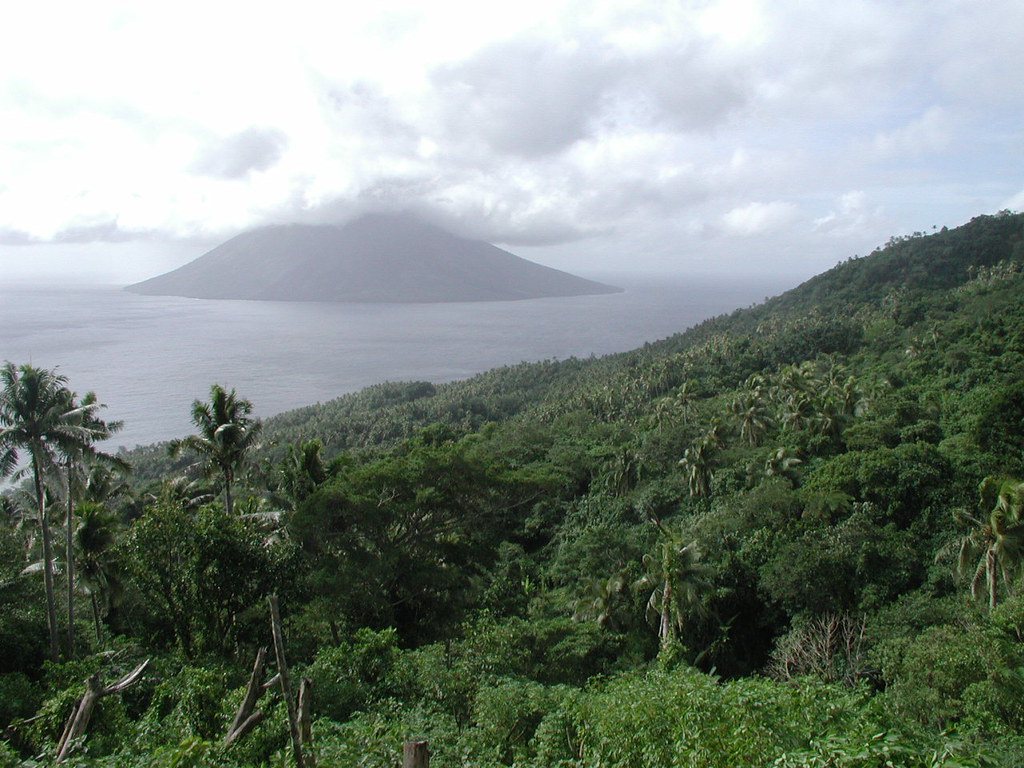
Approaching Lopevi Volcano is an encounter with raw geological power and isolation. Rising sharply from the Pacific Ocean, its steep conical silhouette dominates the horizon. The island’s uninhabited status and active volcanic nature create an atmosphere of primal wilderness. Trekkers experience a dramatic contrast between the lush tropical jungle at the base and the barren, rugged volcanic slopes above. The sense of remoteness and the knowledge of the volcano’s frequent eruptions imbue the climb with a profound respect for nature’s forces. Reaching vantage points near the volcano offers breathtaking views of the steaming summit and the surrounding ocean, a reminder of the island’s volatile origins.
The Volcano Itself: Geological Background
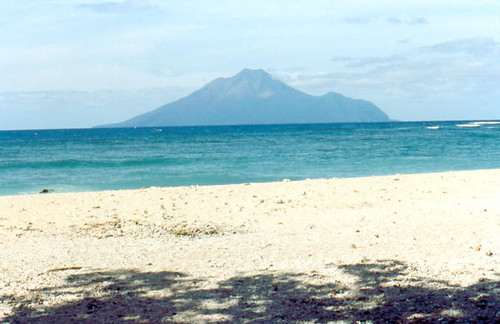
Lopevi is a classic basaltic-andesitic stratovolcano formed by the subduction of the Australian Plate beneath the Pacific Plate along the central Vanuatu arc. Its steep-sided cone rises directly from the seafloor, reaching 1413 meters above sea level. The volcano’s eruptions are predominantly Strombolian to Vulcanian, characterized by explosive ash emissions, lava flows, and pyroclastic activity. Historical eruptions have included dome growth, flank fissures, and phreatomagmatic phases when magma interacts with groundwater. The volcano’s structure is influenced by regional tectonics, with vent alignments controlled by oblique convergence. Sulfur deposits and fumarolic activity are common near the summit, indicating ongoing magmatic degassing. The island was evacuated in the 1960s due to persistent volcanic hazards, and monitoring relies on seismic and satellite data due to its remoteness.
The Volcano Trek: Terrain and Hiking Experience
Trekking on Lopevi Volcano is a demanding technical mountaineering challenge that requires advanced skills and preparation. The island’s steep slopes are composed of loose volcanic ash, hardened lava flows, and unstable pyroclastic deposits, making footing precarious and requiring careful navigation. The lower slopes are covered in dense tropical jungle, which can be difficult to traverse due to thick vegetation and uneven ground. As climbers ascend, the terrain becomes increasingly barren and rugged, with sharp volcanic rocks and loose scree underfoot. The steep gradient demands strong physical fitness and endurance, as altitude gain is significant from sea level to summit. Weather conditions can change rapidly, with tropical heat at lower elevations giving way to cooler, windier conditions near the summit. The presence of fumaroles and sulfur vents adds to the complexity, with toxic gases posing health risks. Due to the volcano’s active status, sudden explosions and falling volcanic debris are hazards that require constant vigilance. The absence of established trails means that routes must be carefully planned, often relying on expert guides familiar with the island’s geography and volcanic activity. Overall, the hiking experience is one of intense physical and mental challenge, set against a backdrop of spectacular volcanic landscapes and the ever-present reminder of the volcano’s power.
What Makes This Volcano Trek Unique
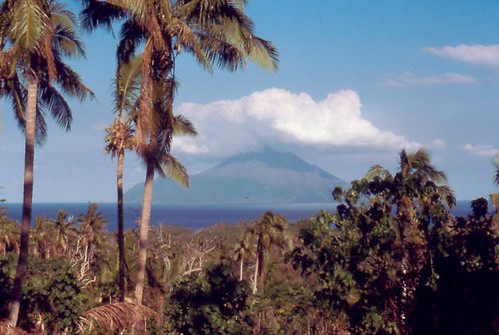
Lopevi Volcano’s uniqueness lies in its combination of active volcanic activity, remote island location, and cultural significance. Unlike more accessible volcanoes, Lopevi remains largely untouched by mass tourism due to its hazardous nature and difficult access. The volcano’s frequent Strombolian and Vulcanian eruptions create a dynamic landscape where visitors can witness volcanic phenomena from a safe distance. The island’s evacuation and cultural restrictions, including prohibitions on women climbing the volcano, add layers of tradition and respect to the trekking experience. The juxtaposition of lush tropical jungle at the base with stark volcanic terrain above offers diverse ecosystems and geological features. The opportunity to observe fumarolic activity, sulfur deposits, and pyroclastic formations in a pristine environment makes Lopevi a rare destination for serious volcano enthusiasts and mountaineers.
The Summit and Crater Experience
Due to Lopevi’s active status and frequent explosive eruptions, summit and crater access is extremely dangerous and generally prohibited. However, from safe vantage points near the summit, trekkers can observe the summit crater emitting steam and occasional ash plumes. The air carries the sharp scent of sulfur, and the ground vibrates subtly with volcanic unrest. The panoramic views encompass the vast Pacific Ocean and neighboring islands, with the volcano’s dramatic cone dominating the scene. The sensory experience is intense — the heat from fumaroles, the sound of escaping gases, and the sight of fresh volcanic deposits remind visitors of the volcano’s living nature. This proximity to an active crater, combined with the island’s isolation, creates a profound connection to Earth’s primal forces.
Best Time to Trek Lopevi Volcano
Lopevi can be visited year-round, but expeditions are heavily dependent on favorable weather, sea conditions, and volcanic activity levels. The tropical climate means warm temperatures but also the potential for sudden storms and rough seas, which can impede boat landings. The dry season generally offers more stable conditions for travel and trekking. Volcanic monitoring by the Vanuatu Meteorology and Geohazards Department (VMGD) is essential to assess eruption risk and determine safe windows for visits. Due to the volcano’s unpredictable activity, trips may be canceled or modified at short notice. Planning with expert guides and local authorities ensures safety and compliance with cultural protocols.
Trekking Routes and Trail Options
Access to Lopevi Volcano is exclusively by boat from nearby inhabited islands such as Paama or Epi. The crossing requires calm sea conditions and approval from local tribal chiefs due to cultural restrictions. Upon landing, routes focus on exploring the island’s lower jungle slopes and volcanic flanks, as summit approaches are unsafe. Trails are unmarked and rugged, requiring expert navigation. Guided expeditions led by specialists like Dr John Seach provide the safest and most informative experience. These tours include shore landings, jungle exploration, observation of lava flows and pyroclastic deposits, and distant views of summit activity. The duration and difficulty of routes vary with weather and volcanic conditions, but all require high physical fitness and technical mountaineering skills. Self-guided trekking is not recommended due to hazards and access restrictions.
Difficulty Assessment
Lopevi Volcano trekking is classified as technical mountaineering, demanding advanced skills, fitness, and experience. The steep, unstable volcanic slopes, dense jungle, and absence of established trails present significant challenges. Altitude gain from sea level to 1413 meters is strenuous, compounded by tropical heat and humidity at lower elevations. The active volcanic environment introduces risks from toxic gases, sudden eruptions, and unstable terrain. Only well-prepared, experienced climbers accompanied by expert guides should attempt expeditions. This trek is unsuitable for beginners or casual hikers.
Essential Volcano Trekking Gear
Key gear for Lopevi includes sturdy hiking boots with excellent grip for loose volcanic rock, trekking poles for stability on steep slopes, and gaiters to protect against volcanic ash. A gas mask or respirator is essential to guard against sulfur dioxide and other volcanic gases. Weatherproof, windproof clothing layers protect against tropical storms and summit winds. A headlamp is recommended for early starts or emergency use. Hydration systems and sun protection are critical due to limited shade. Navigation tools such as GPS and maps, plus communication devices, enhance safety. High-quality travel insurance covering high-risk activities is mandatory.
Safety and Volcanic Hazards
Lopevi’s active status presents multiple hazards including sudden explosive eruptions, ashfall, ballistic projectiles, toxic volcanic gases, and unstable crater edges. The island’s remoteness complicates emergency response. Visitors must heed warnings from the Vanuatu Meteorology and Geohazards Department (VMGD) and follow strict safety protocols. Access is restricted and requires local approval. Monitoring includes seismic data and satellite imagery to detect unrest. Protective gear such as gas masks is essential. Climbers should avoid summit approaches due to risk of pyroclastic flows and sudden explosions. Constant vigilance and adherence to expert guidance are critical for safety.
Permits, Guides, and Logistics
Access to Lopevi Volcano is highly restricted due to its active volcanic status, cultural customs, and logistical challenges. Visitors must obtain permits and approval from local tribal chiefs on nearby islands such as Paama or Epi. Cultural protocols prohibit women from visiting or climbing the volcano. The only reliable way to visit is through specialized guided expeditions, notably those led by Dr John Seach, who offers expert-led tours during periods of lower volcanic activity and favorable weather. These expeditions involve boat transfers across potentially rough seas, requiring high physical fitness and careful planning. Travel insurance covering high-risk activities is mandatory. Tours focus on safe shore landings, jungle exploration, and observation of volcanic features from secure locations. Due to the volcano’s unpredictable activity, trips may be canceled or altered at short notice. Visitors must comply with all safety regulations and respect local customs. The absence of infrastructure on Lopevi means all supplies and emergency equipment must be carried in. Coordination with the Vanuatu Meteorology and Geohazards Department ensures up-to-date volcanic activity information. Overall, visiting Lopevi demands thorough preparation, expert guidance, and respect for both natural hazards and cultural traditions.
Where to Stay and Nearby Bases
Since Lopevi Island is uninhabited and access is restricted, accommodations are not available on the volcano itself. The nearest bases for expeditions are the inhabited islands of Paama and Epi in Malampa Province. These islands offer modest guesthouses and local lodges catering to travelers preparing for Lopevi visits. Accommodations typically provide basic amenities and a chance to experience local Ni-Vanuatu culture. Paama Island, in particular, is known for its peaceful villages and stunning views of Lopevi Volcano. Travelers often stay in small family-run guesthouses or eco-lodges that emphasize authentic island life. From these bases, boat transfers to Lopevi are arranged when sea and volcanic conditions permit. For those combining volcano trekking with broader Vanuatu exploration, Malekula and Ambrym islands offer additional lodging options and cultural experiences. Port Vila, the capital on Efate Island, serves as the international gateway with a range of hotels and services. Due to the logistical complexity and cultural protocols, it is advisable to coordinate accommodations and transfers through experienced tour operators specializing in Vanuatu volcano expeditions.