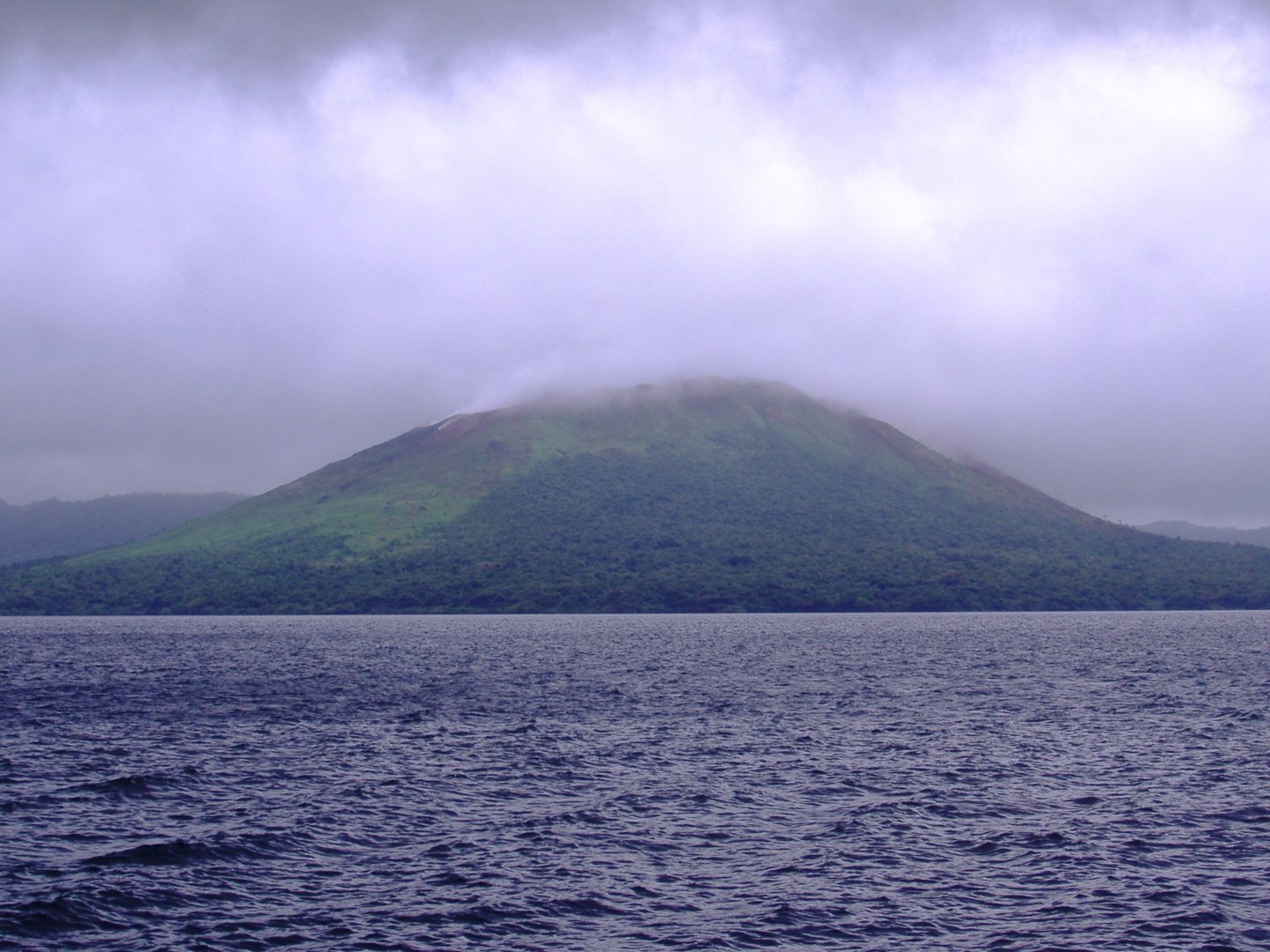

Hiking Lassen Peak: A Complete Volcano Trekking Guide to Northern California’s Largest Plug Dome Volcano
Lassen Peak, located in Northern California, is one of the largest plug dome volcanoes in the world and offers a challenging yet rewarding trekking experience. This guide covers the geological background, terrain, routes, safety, permits, accommodations, and more for adventurers seeking to summit this dormant stratovolcano.
Quick Volcano Snapshot
| Attribute | Value |
|---|---|
| Volcano type | Stratovolcano (Plug Dome) |
| Elevation | 10,457 ft (3,187 m) |
| Location | Northern California, United States |
| Activity status | Dormant |
| Trekking difficulty | Moderate to Strenuous |
| Typical trek duration | 4-5 hours round trip |
| Altitude gain | 1,957 ft (596 m) |
| Terrain type | Packed dirt trail, rocky ridge, volcanic ash, cinders, alpine environment |
| Best season | Late spring to early fall (June to September) |
| Temperature range | 40°F to 70°F (4°C to 21°C), variable with altitude and season |
| Permit requirement | No special permits required; park entrance fee applies |
Introduction: The Experience of Hiking Lassen Peak
Approaching Lassen Peak, hikers are greeted by a dramatic volcanic landscape where the raw power of nature is palpable. The trail begins in a shaded forest of mountain hemlock and whitebark pine, offering respite from the intense high-altitude sun. As you ascend, the terrain transforms into barren volcanic ash and cinder slopes, exposing you to sweeping vistas of the surrounding park. The relentless switchbacks challenge your endurance, but the promise of reaching the summit of one of the largest plug dome volcanoes in the world fuels your determination. Standing at the summit, the panoramic views of alpine lakes, rugged peaks, and the vast Devastated Area evoke a profound sense of awe and connection to the Earth’s fiery heart.

The Volcano Itself: Geological Background
Lassen Peak is a stratovolcano characterized by its massive plug dome structure, formed from viscous lava that solidified near the vent. It is part of the Cascade Volcanic Arc and has been active for over 800,000 years. The volcano’s most recent eruptive phase occurred between 1914 and 1917, featuring steam blasts, lava flows, and a significant eruption in May 1915 that sent ash plumes 30,000 feet into the atmosphere. The summit crater reveals remnants of these explosive events, including collapsed lava domes and fumaroles emitting sulfurous gases. The volcanic landscape is rich in dacite lava, volcanic ash, and hydrothermal features such as boiling mud pots and steam vents, making Lassen Peak a living laboratory of volcanic processes.
The Volcano Trek: Terrain and Hiking Experience
The Lassen Peak trail is a strenuous 5-mile round trip that ascends approximately 2,000 feet from the trailhead at 8,500 feet to the summit at 10,457 feet. The hike begins through a forested area dominated by mountain hemlock and whitebark pine, where the soft volcanic cinders create a sandy trail surface. This shaded section provides a gentle introduction but quickly gives way to a more exposed alpine environment. As the trees thin, hikers encounter steep switchbacks zigzagging up a rocky ridge. The trail surface here consists of packed dirt interspersed with loose volcanic rocks and cinders, requiring careful footing to avoid slips. The steepness intensifies near the summit, where the trail narrows and rocky scrambling may be necessary to reach the true peak. Weather conditions can change rapidly, with strong winds and sudden temperature drops common at higher elevations. Snow patches often linger into summer, adding an extra challenge and requiring appropriate footwear and possibly trekking poles for balance. The lack of shade above the tree line exposes hikers to intense sun, making sun protection essential. Despite the physical demands, the trail is well-maintained, and the steady grade of the switchbacks helps manage the ascent. The panoramic views of the surrounding volcanic landscape, including the Devastated Area and distant Mount Shasta, reward every step. Descending the trail requires caution on loose scree and rocky sections, but the wide path allows for safe two-way traffic. Overall, the terrain offers a dynamic mix of forested paths, volcanic ash slopes, and rocky ridges, providing a comprehensive volcanic hiking experience that tests endurance and rewards with spectacular natural beauty.
What Makes This Volcano Trek Unique
Lassen Peak stands out as one of the largest plug dome volcanoes globally, offering a rare opportunity to hike a volcano with a relatively recent eruptive history. The trek combines diverse volcanic features, including steaming fumaroles, sulfur vents, and the stark Devastated Area shaped by past eruptions. Unlike many volcano hikes, Lassen’s trail transitions from dense alpine forests to exposed volcanic ridges, showcasing a dramatic ecological gradient. The lingering sulfur smell near the summit and the visible remnants of lava domes create a tangible connection to the volcano’s fiery past. Additionally, the panoramic views from the summit encompass a patchwork of alpine lakes, volcanic peaks, and rugged wilderness, providing a uniquely immersive volcanic landscape. The trail’s accessibility within a national park with well-maintained facilities and interpretive signage enhances the educational and adventurous aspects of the hike.
The Summit and Crater Experience
Reaching the summit of Lassen Peak is a moment of profound accomplishment and sensory immersion. The summit offers expansive views of the surrounding Lassen Volcanic National Park, including the vast Devastated Area, a landscape scarred by past eruptions. The air is crisp and often carries the faint but unmistakable scent of sulfur from nearby fumaroles. The rocky summit ridge exposes hikers to strong winds and bright sunlight, intensifying the alpine atmosphere. From this vantage point, the panorama stretches to distant peaks like Mount Shasta and the Sierra Nevada. The crater itself reveals geological scars—collapsed lava domes and hardened lava flows—that tell the story of the volcano’s explosive history. The combination of visual grandeur, geological intrigue, and the raw power of nature creates an unforgettable summit experience.
Best Time to Trek Lassen Peak
The optimal trekking season for Lassen Peak is from late spring through early fall, typically June to September, when snow has mostly melted and weather conditions are more stable. Snow can persist well into summer, especially in shaded or higher elevation sections, so hikers should be prepared for variable trail conditions. Early summer hikers may encounter snowfields requiring caution and appropriate gear such as trekking poles or microspikes. Afternoon thunderstorms are common in the summer months, so starting hikes early in the day is advisable to avoid lightning hazards. Temperatures can vary widely, with cool mornings and warm afternoons, but sudden weather changes are frequent. Winter and early spring treks are possible for experienced backcountry skiers and snowshoers but require specialized equipment and knowledge due to deep snow and road closures. Checking current trail and weather conditions before the hike is essential for safety.
Trekking Routes and Trail Options
The primary route to Lassen Peak’s summit begins at the Lassen Peak Trailhead, accessible via Highway 89 within Lassen Volcanic National Park. This well-maintained trail is approximately 2.5 miles one-way, with an elevation gain of about 1,957 feet. The trail climbs steadily through forested areas before transitioning to exposed volcanic ridges with numerous switchbacks. Hikers can choose to stop at the first summit viewpoint, which offers interpretive signs and panoramic views, or continue the short but steep scramble to the true summit. Alternative approaches include longer backcountry routes such as the Manzanita Lake Trail or Brokeoff Mountain Trail, which provide access to different park areas but require more time and experience. The main trail is suitable for self-guided hikes, though guided tours are available through local operators. Winter and early spring routes differ due to snow cover, with access often starting from the Lassen Chalet ranger station for snowshoeing or skiing. Overall, the Lassen Peak Trail is the most direct and popular route, balancing accessibility with a challenging ascent.
Difficulty Assessment
Lassen Peak is classified as a moderate to strenuous volcano trek. The trail’s steep elevation gain of nearly 2,000 feet over 2.5 miles demands good cardiovascular fitness and endurance. The terrain includes packed dirt, loose volcanic rocks, and steep switchbacks, requiring sure-footedness and balance. Above the tree line, exposure to wind, sun, and sudden weather changes adds to the challenge. While technical climbing gear is not necessary in summer conditions, trekking poles are highly recommended to aid balance and reduce strain on knees during ascent and descent. Altitude effects may impact some hikers, as the summit reaches over 10,000 feet, so acclimatization and hydration are important. The trail is well-marked and maintained, making it accessible to experienced hikers with moderate fitness. Winter ascents require advanced mountaineering skills and equipment due to snow and avalanche risks.
Essential Volcano Trekking Gear
For hiking Lassen Peak, essential gear includes sturdy hiking boots with good traction to navigate rocky and loose volcanic terrain. Trekking poles are recommended to assist with balance on steep switchbacks and snow patches. Sun protection is critical due to high elevation and exposed trail sections; bring sunscreen, sunglasses, and a wide-brimmed hat. Layered clothing is necessary to adapt to temperature fluctuations and sudden weather changes, including a windproof jacket. Carry sufficient water (at least 2 liters) and high-energy snacks to maintain hydration and energy. A headlamp or flashlight is advisable for early starts or late finishes. In early season or snowy conditions, microspikes or crampons and gaiters may be required. A basic first aid kit, map, and a fully charged phone or GPS device enhance safety. Gas masks or respirators are not typically needed but be aware of sulfur gas odors near fumaroles.
Safety and Volcanic Hazards
While Lassen Peak is currently dormant, it remains an active volcanic system monitored closely by the US Geological Survey. Hikers should be aware of potential hazards including sudden weather changes, high-altitude effects, and exposure to volcanic gases near fumaroles, which can irritate the respiratory system. The trail features steep, rocky sections where loose scree and falling rocks pose risks; proper footwear and caution are essential. Snowfields may persist into summer, increasing slip hazards. Visitors must stay on designated trails to protect fragile environments and avoid unstable ground. Park rangers provide up-to-date safety information and trail conditions. Emergency services are available within the national park, but remote areas may have limited cell coverage. Preparation, awareness, and adherence to park regulations ensure a safe and enjoyable trek.
Permits, Guides, and Logistics
Lassen Peak is located within Lassen Volcanic National Park, which requires a $20 entrance fee per vehicle, payable at park entry stations or online. No additional permits are necessary for hiking Lassen Peak, making it accessible for self-guided treks. However, backcountry camping and certain trail areas require permits available through Recreation.gov. Several reputable tour operators offer guided hikes and educational tours, including Lassen Volcanic National Park Guided Tours, Active NorCal Adventures, and Family Destinations Guide Tours. These services provide expert guidance, safety briefings, and interpretive insights into the volcano’s geology and ecology. The Lassen Peak Trailhead is accessible via Highway 89, with parking available at the Lassen Peak parking area. Seasonal road closures may affect access, particularly in winter and early spring. Visitors should check the National Park Service website for current trail conditions, weather updates, and any alerts. Facilities at the trailhead include restrooms and informational signage. For winter ascents, specialized backcountry knowledge and equipment are essential due to snow and avalanche risks. Planning ahead, arriving early to avoid afternoon thunderstorms, and carrying adequate supplies are critical for a successful trek.
Where to Stay Near Lassen Peak
Accommodations near Lassen Peak cater to a range of preferences, from rustic lodges to family-friendly motels. The historic St. Bernard Lodge, located just outside the town of Chester, offers cozy rooms with knotty-pine interiors, hearty breakfasts, and a welcoming atmosphere ideal for relaxing after a day of hiking. It is approximately a 30-minute drive from the park’s southwest entrance. For those seeking upscale comfort, Highlands Ranch Resort provides suites and cottages with fireplaces, scenic mountain views, and amenities such as hot tubs, located near the park boundary. Families may prefer Timber House Lodge, a small motel-style property featuring themed rooms, spacious suites, and a laid-back environment. Within the park, several campgrounds like Manzanita Lake Campground and Summit Lake Campgrounds offer tent and RV sites with proximity to trailheads; reservations are recommended via Recreation.gov. Nearby towns such as Mineral and Susanville provide additional lodging, dining, and supplies. Visitors should plan accommodations well in advance, especially during peak summer months, to secure preferred options. The proximity of these bases allows for early trail starts and convenient access to park facilities.