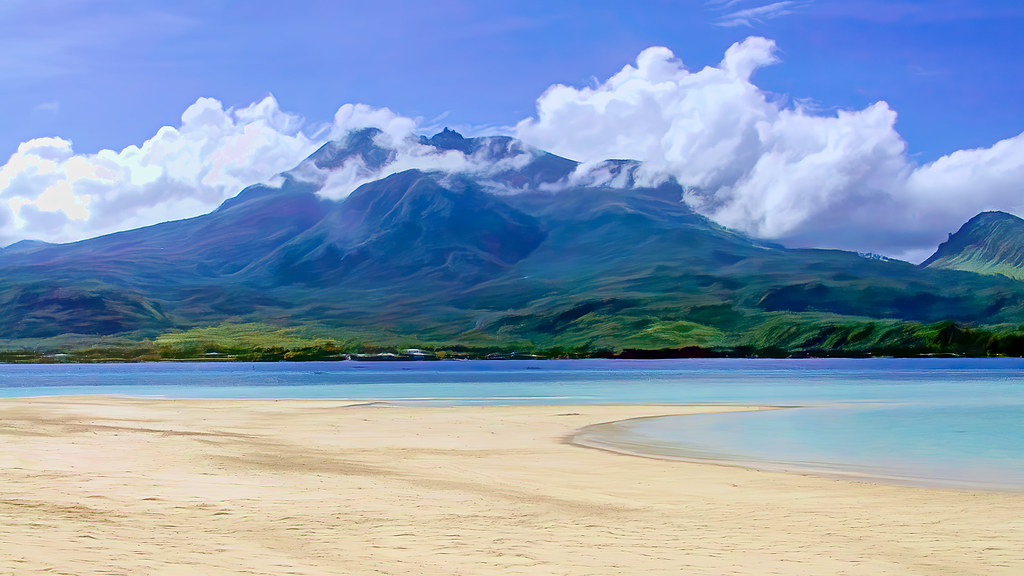

Mount Wilhelm Volcano Trekking Guide: Conquer Papua New Guinea’s Highest Peak
Mount Wilhelm, the tallest peak in Papua New Guinea and Oceania, offers a challenging yet rewarding volcano trekking experience. This comprehensive guide covers the geological background, trekking terrain, routes, gear, safety, permits, and accommodation options for adventurers seeking to summit this dormant stratovolcano.
Quick Volcano Snapshot
| Attribute | Value |
|---|---|
| Volcano type | Stratovolcano |
| Elevation | 4,509 meters |
| Location | Highlands Region, Papua New Guinea |
| Activity status | Dormant |
| Trekking difficulty | Moderate |
| Typical trek duration | 3-4 days |
| Altitude gain | Approximately 2,200 meters |
| Terrain type | Dirt paths, muddy terrain, moderate bouldering, alpine grasslands, granite formations |
| Best season | May to November |
| Temperature range | -5°C to 25°C |
| Permit requirement | Park entry permit required |
The Experience of Hiking Mount Wilhelm
Approaching Mount Wilhelm, the highest peak in Papua New Guinea and Oceania, is a journey into a realm of raw natural power and breathtaking landscapes. The trek unfolds through lush rainforests, alpine grasslands, and rugged granite slopes, revealing the mountain’s geological majesty. As you ascend, the air thins and the terrain shifts, evoking a profound sense of connection to the Earth’s volcanic forces. Reaching the summit, surrounded by panoramic views of distant coastlines and highland valleys, offers an emotional climax that resonates with the spirit of adventure and discovery.
Geological Background of Mount Wilhelm
Mount Wilhelm is a dormant stratovolcano forming part of the Bismarck Range in Papua New Guinea’s Central Highlands. Rising to 4,509 meters, it is the tallest mountain in Oceania. The volcano’s formation is the result of tectonic activity along the Pacific Ring of Fire, where the Australian and Pacific plates converge. Its structure features layered deposits of hardened lava, volcanic ash, and pyroclastic materials from past eruptions, although no recent volcanic activity has been recorded. The summit area includes granite formations and alpine lakes formed by glacial and volcanic processes. Fumaroles and sulfur deposits are absent, reflecting its dormant status. The mountain’s geology offers a unique window into the volcanic history of the region and the dynamic forces shaping Papua New Guinea’s rugged terrain.
Terrain and Hiking Experience on Mount Wilhelm
The trek up Mount Wilhelm is a demanding yet accessible adventure that challenges hikers with varied terrain and significant altitude gain. Starting from Betty’s Lodge or Keglsugl village, the trail winds through dense tropical rainforest, where humidity and uneven roots require careful footing. As elevation increases, the forest gives way to temperate alpine grasslands, offering open vistas and cooler temperatures. The path is primarily a dirt track but can become slippery and muddy, especially during the wet season, demanding sturdy hiking boots with good traction.
Above 3,500 meters, the terrain transitions to rocky granite slopes and moderate bouldering sections. These granite formations require careful navigation but do not involve technical climbing or the use of ropes. The trail’s steepness intensifies, and hikers must pace themselves to acclimatize to the thinning air and avoid altitude sickness. Weather conditions can vary rapidly, with cold temperatures and wind chill factors dropping to -15°C near the summit, even during the dry season.
The total round-trip distance from Betty’s Lodge to the summit and back is approximately 23.4 kilometers, typically completed over 3 to 4 days to allow for acclimatization and rest. The trail includes several rest points, including the Piunde Lakes base camp at around 3,600 meters, where trekkers can recover and prepare for the summit push. The summit day is the most strenuous, often requiring 12 to 14 hours of hiking, starting before dawn to reach the peak at sunrise.
Hikers will experience a range of ecosystems, from tropical to alpine, witnessing unique flora such as wild orchids and cycads. The trail’s exposure near the summit demands windproof clothing and sun protection, as shade is minimal. Overall, the trek combines physical challenge with spectacular natural beauty, making it a memorable expedition for fit and prepared adventurers.
What Makes the Mount Wilhelm Trek Unique
Mount Wilhelm stands out as the highest peak in Oceania, offering trekkers a rare opportunity to summit a prominent stratovolcano in a remote and culturally rich region. The trek traverses three distinct ecological zones—tropical rainforest, temperate forest, and alpine grasslands—each presenting unique landscapes and biodiversity. The presence of pristine glacial lakes near the base camp adds to the scenic variety.
Unlike many volcanic treks, Mount Wilhelm does not require technical climbing skills or specialized equipment, making it accessible to experienced hikers seeking a moderate but physically demanding challenge. The cultural encounters with local highland communities along the trail enrich the experience, providing insights into traditional lifestyles and customs.
The mountain’s remote location in Papua New Guinea’s Central Highlands means the trek is less crowded than other famous volcano hikes, offering solitude and a sense of exploration. The panoramic summit views encompass coastal regions and neighboring provinces, rewarding climbers with a spectacular perspective rarely seen by outsiders.
Summit and Crater Experience on Mount Wilhelm
Reaching the summit of Mount Wilhelm is a moment of profound achievement and awe. The peak, at 4,509 meters, offers sweeping panoramic views of the surrounding highlands, distant coastlines, and the vast expanse of Papua New Guinea’s rugged terrain. The air is thin and crisp, carrying the subtle scent of alpine flora rather than volcanic gases, reflecting the mountain’s dormant status.
The summit area is characterized by rocky granite outcrops and open spaces where trekkers can rest and absorb the dramatic landscape. The silence at the top is punctuated only by the wind and the occasional call of highland birds. On clear days, the sunrise or sunset from the summit bathes the landscape in golden light, creating unforgettable photographic opportunities.
Unlike active volcanoes, Mount Wilhelm’s crater is not marked by fumaroles or steaming vents, but the geological formations tell a story of ancient volcanic activity. The sense of standing atop the highest point in Oceania, surrounded by untouched wilderness, evokes a deep connection to the Earth’s geological forces and the spirit of adventure.
Best Time to Trek Mount Wilhelm
The optimal trekking season for Mount Wilhelm is from May to November, coinciding with Papua New Guinea’s dry season. During this period, the weather is generally clearer, with warmer daytime temperatures and reduced rainfall, providing safer and more comfortable hiking conditions. Nights can still be cold, especially at higher elevations, so appropriate cold-weather gear is essential.
Climbing outside this window, particularly from November to March, exposes trekkers to the wet season’s heavy rains, slippery trails, and increased risk of storms, which can make the ascent more hazardous and less enjoyable. Snow can occasionally be present above 4,000 meters year-round, adding to the challenge.
Summit attempts typically begin before dawn to take advantage of calmer weather and clearer views at sunrise. Trekkers should monitor local weather forecasts and be prepared for sudden changes, as mountain conditions can shift rapidly. It is advisable to avoid climbing during periods of volcanic unrest or official park closures, though Mount Wilhelm is currently dormant.
Trekking Routes and Trail Options on Mount Wilhelm
The primary and most popular route to Mount Wilhelm’s summit begins at Betty’s Lodge or the nearby village of Keglsugl, located at approximately 2,500 meters elevation. From here, trekkers follow a well-established dirt trail that ascends through tropical rainforest before emerging into alpine grasslands and granite slopes.
The trek is typically completed over 3 to 4 days, allowing for gradual acclimatization. The first day involves a moderate climb to Piunde Lakes base camp at around 3,600 meters, where hikers rest and prepare for the summit push. An optional day at base camp allows for acclimatization hikes or exploration of nearby alpine lakes and waterfalls.
The summit day starts early, often around midnight or before dawn, to reach the peak by sunrise. This section involves steep, rocky terrain and requires a steady pace to manage altitude effects. After summiting, hikers return to base camp for rest before descending to the trailhead.
While the Betty’s Lodge route is the standard approach, alternative paths exist but are less frequented and may require local guides. Self-guided trekking is possible but not recommended due to the remote location and challenging terrain. Guided tours offered by local operators provide logistical support, safety, and cultural insights, enhancing the trekking experience.
Difficulty Assessment of the Mount Wilhelm Trek
Mount Wilhelm is classified as a moderate volcano trek, suitable for experienced hikers with good physical fitness. The trail does not require technical climbing skills or specialized mountaineering equipment, but the altitude and terrain present significant challenges.
The ascent involves steep sections, slippery muddy paths, and moderate bouldering on granite slopes. Altitude sickness is a real risk above 3,000 meters, necessitating proper acclimatization and pacing. The summit day is particularly demanding, often lasting 12 to 14 hours, testing endurance and mental resilience.
Trekkers should be prepared for variable weather conditions, including cold temperatures and strong winds near the summit. Overall, the trek demands solid cardiovascular fitness, sturdy footwear, and experience with multi-day mountain hiking. It is not recommended for beginners or those with health issues related to high altitude.
Essential Gear for Trekking Mount Wilhelm
Successful trekking on Mount Wilhelm requires gear tailored to volcanic and alpine conditions. Essential items include sturdy hiking boots with excellent grip to handle slippery and rocky terrain. Trekking poles are highly recommended to aid balance and reduce strain on knees during steep ascents and descents.
Layered clothing is crucial to adapt to temperature fluctuations, including moisture-wicking base layers, insulating mid-layers, and a windproof, waterproof outer shell. Gloves, a warm hat, and thermal socks protect against cold temperatures, especially near the summit.
A headlamp is necessary for pre-dawn summit climbs. Sun protection—sunglasses, sunscreen, and a wide-brimmed hat—is important due to high UV exposure at altitude. Hydration systems or water bottles with purification tablets ensure safe drinking water.
While Mount Wilhelm is dormant, a basic first aid kit and a dust mask or bandana can help with occasional dust or ash on the trail. Backpackers should also carry energy-rich snacks, a map or GPS device, and emergency communication tools if trekking independently.
Safety and Volcanic Hazards on Mount Wilhelm
Mount Wilhelm is a dormant stratovolcano with no recent eruptions, minimizing volcanic hazards such as lava flows or toxic gas emissions. However, trekkers must remain vigilant about general mountain safety risks. The trail includes steep, slippery sections and loose scree, increasing the risk of falls and injuries.
Altitude sickness is a significant concern above 3,000 meters, with symptoms ranging from headaches to severe respiratory issues. Proper acclimatization, hydration, and pacing are essential to mitigate these risks. Weather can change rapidly, bringing cold temperatures, strong winds, and reduced visibility, which can disorient hikers.
There are no active fumaroles or sulfur vents on Mount Wilhelm, but trekkers should always heed local guidance and park regulations. Emergency services are limited due to the remote location, so hiring experienced local guides is strongly recommended. Monitoring by Papua New Guinea’s park authorities ensures trail safety and access updates.
Permits, Guides, and Logistics for Mount Wilhelm Trekking
Trekking Mount Wilhelm requires a park entry permit, typically costing between $10 and $20 USD per person. This fee supports the maintenance of Mount Wilhelm National Park and its facilities. Permits can be obtained through local authorities or arranged by tour operators.
Hiring a local guide is highly recommended and often mandatory. Guides provide essential support navigating the trail, ensuring safety, and enriching the experience with cultural and natural insights. Guide fees generally range from $50 to $100 USD per day, depending on experience and trek duration.
Several reputable tour operators specialize in Mount Wilhelm treks, including Buna Treks & Tours PNG, PNG Trekking Adventures, PNG Value Tours, Alpine Ascents International, and New Guinea Natural Tours. These companies offer packages that include permits, guides, accommodation, meals, and transportation.
Logistically, most trekkers fly into Mount Hagen Airport, the nearest major airport, followed by a 4-hour drive to Betty’s Lodge or Keglsugl village, the common trailheads. The road includes a challenging 22-kilometer section suitable only for experienced drivers and sturdy vehicles.
Accommodation options near the trailhead range from rustic lodges like Betty’s Lodge to basic guesthouses and homestays such as the Mt. Wilhelm Village Homestay. Food and supplies should be planned in advance, as options are limited in remote areas.
Trekking is best planned during the dry season from May to November to avoid hazardous weather. Booking tours in advance is advisable due to limited vehicle capacity and guide availability. Porters can be hired to assist with carrying gear, and tipping is customary but not compulsory.
Overall, careful planning, securing permits, and engaging experienced guides are key to a safe and successful Mount Wilhelm trekking experience.
Where to Stay Near Mount Wilhelm and Nearby Bases
Accommodation options near Mount Wilhelm cater primarily to trekkers seeking rustic and comfortable lodgings close to the trailhead. Betty’s Lodge, located near Keglsugl village at approximately 2,500 meters elevation, is the most popular base for starting the ascent. It offers clean, rustic rooms with basic amenities, including meals and warm showers. The lodge provides a welcoming atmosphere and is staffed by locals familiar with the mountain and trekking logistics.
For budget travelers, the Mt. Wilhelm Village Homestay north of Kundiawa town offers semi-permanent accommodation with shared facilities such as cold and hot showers, clean toilets, and a river for swimming. Owned by Chris Jamie, an experienced guide, the homestay also offers cultural activities and guided tours to Mount Wilhelm and surrounding areas.
Closer to the trail, the Piunde Lakes base camp at 3,600 meters provides very basic shelter and camping facilities. Conditions here are spartan, with cold temperatures at night and limited amenities, suitable for acclimatization and rest before the summit push.
In Mount Hagen, the nearest city with an airport, a range of accommodations is available, from budget guesthouses to mid-range hotels. Travelers often stay here before and after the trek. Transportation from Mount Hagen to Betty’s Lodge involves a challenging 4-hour drive on rough roads, typically requiring a 4WD vehicle.
Overall, accommodations near Mount Wilhelm emphasize simplicity and proximity to the trail, with options to suit different budgets. Booking in advance is recommended, especially during the peak trekking season from May to November.