
Mount Yotei Volcano Trekking Guide: Conquer Hokkaido’s Iconic Ezo Fuji
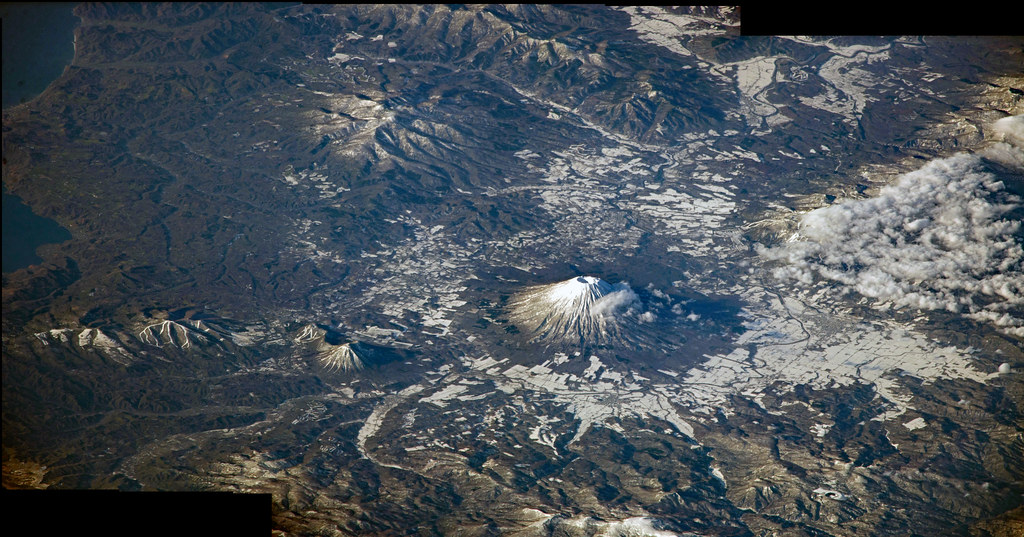
Mount Yotei, known as Ezo Fuji for its striking resemblance to Mount Fuji, is a demanding stratovolcano trek in Hokkaido, Japan. This comprehensive guide covers geological background, terrain challenges, route options, essential gear, safety, permits, and accommodation near Niseko for an unforgettable volcano hiking adventure.
Quick Volcano Snapshot
| Attribute | Value |
|---|---|
| Volcano type | Stratovolcano |
| Elevation | 1,898 meters |
| Location | Hokkaido, Japan |
| Activity status | Dormant |
| Trekking difficulty | Demanding |
| Typical trek duration | 6–9 hours round trip |
| Altitude gain | 1,670 meters |
| Terrain type | Forest trails, volcanic rock, scree slopes |
| Best season | Late June to early September |
| Temperature range | 5°C to 20°C (varies with altitude and season) |
| Permit requirement | No formal permit required, but guided tours recommended |
Introduction: The Experience of Hiking Mount Yotei
Approaching Mount Yotei, the landscape unfolds with dramatic contrasts — dense, verdant forests at the base give way to stark volcanic rock and scree as you ascend. The mountain’s perfect conical silhouette dominates the horizon, evoking the grandeur of Japan’s famed Mount Fuji. Hiking this dormant stratovolcano is a test of endurance and spirit, where each step brings you closer to a panoramic summit that reveals the Sea of Japan, the Pacific Ocean, and the pastoral beauty of Hokkaido below. The emotional crescendo of reaching the crater rim is profound, a moment to stand amidst the raw power of Earth’s geological artistry.
The Volcano Itself: Geological Background
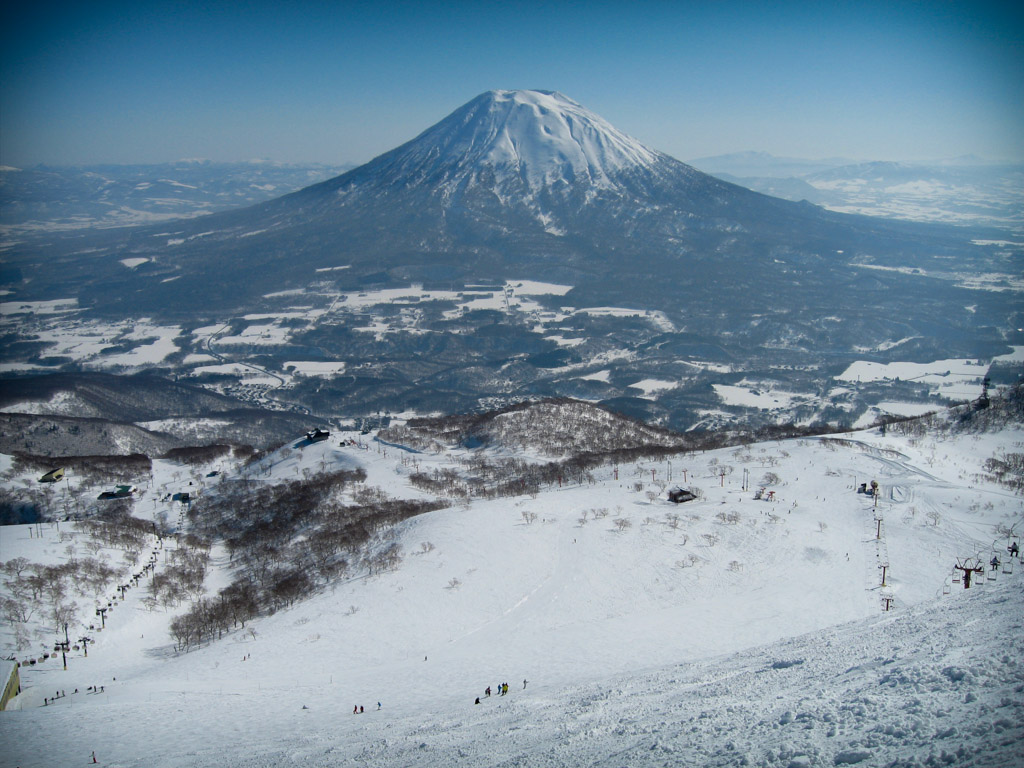
Mount Yotei is a classic stratovolcano formed through successive layers of hardened lava, tephra, and volcanic ash. Its iconic symmetrical cone shape results from relatively recent volcanic activity, although it is currently dormant. The volcano rises to 1,898 meters within Shikotsu-Toya National Park, a region shaped by volcanic forces over millennia. The summit crater is broad and well-defined, surrounded by rugged lava flows and volcanic minerals that tell the story of past eruptions. The mountain’s geology supports a rich alpine ecosystem, with over 100 species of alpine plants thriving near the summit during summer. Fumaroles and steam vents are minimal due to dormancy, but the volcanic landscape remains a vivid testament to Earth’s dynamic processes.
The Volcano Trek: Terrain and Hiking Experience
Hiking Mount Yotei is a demanding journey that challenges even experienced trekkers. The ascent begins through dense birch and spruce forests, where the trail is often muddy and slippery, requiring careful footing. As you gain elevation, the forest thins and the terrain transitions to volcanic rock and loose scree slopes. These sections demand sure-footedness and stamina, as the path steepens significantly. The Makkari trail, the most popular route, offers a well-maintained path with clear markers but remains steep and continuous, with few flat resting points. The Kutchan and Hirafu trails provide alternative approaches, each with unique terrain features such as shaded springs or longer, less steep ascents. Above the treeline, the environment becomes exposed and windswept, with cooler temperatures and strong gusts common even in summer. The volcanic scree can be loose and unstable, requiring trekking poles for balance and careful descent techniques to protect knees. The final push to the crater rim is often the most physically taxing, with steep rocky pitches and potential wind chill. Despite the challenges, the trail rewards hikers with diverse landscapes — from lush forests alive with wildlife like chipmunks and woodpeckers to stark volcanic deserts near the summit. The trail’s difficulty is compounded by rapid weather changes, so preparation and fitness are essential. Overall, the trek offers a raw, immersive experience into volcanic terrain, demanding respect and readiness but delivering unparalleled natural beauty and a profound sense of achievement.

What Makes This Volcano Trek Unique
Mount Yotei’s perfect conical shape, earning it the nickname ‘Ezo Fuji,’ sets it apart as one of Japan’s most visually striking volcanoes. The trek combines demanding alpine terrain with rich biodiversity, including vibrant alpine flowers that bloom near the summit in summer. The panoramic views from the crater rim are exceptional, stretching from the Sea of Japan to the Pacific Ocean, and encompassing the Niseko mountain range and pastoral landscapes below. Unlike many volcanoes, Mount Yotei offers a blend of forested trails and volcanic scree, providing varied hiking experiences within a single ascent. The cultural significance of the mountain, surrounded by towns with local legends and shrines, adds a layer of mystique. Additionally, the proximity to Niseko’s renowned ski resorts and natural hot springs allows hikers to combine intense trekking with relaxation and local cultural experiences.
The Summit and Crater Experience
Reaching Mount Yotei’s summit is a moment of awe and exhilaration. The 360-degree panorama reveals a breathtaking mosaic of landscapes — to the west, the deep blue Sea of Japan; to the east, the vast Pacific Ocean; and below, the patchwork of Niseko’s towns and pastoral fields. The crater rim itself is rugged, with large volcanic boulders offering vantage points for exploration and photography. The air is crisp and often chilled by mountain winds, carrying the faint scent of volcanic minerals. The silence at the summit is profound, broken only by the wind and the occasional call of alpine birds. Standing here, hikers feel the immense power of geological forces that shaped this land, a humbling reminder of Earth’s dynamic nature.

Best Time to Trek Mount Yotei
The optimal trekking season for Mount Yotei is from late June to early September, when snow has melted and trails are generally clear. Early summer offers vibrant alpine blooms, while late summer and early autumn provide crisp air and colorful foliage. Weather on the mountain can change rapidly; hikers should prepare for sudden temperature drops and rain even in summer. Starting hikes early in the morning is recommended to avoid afternoon heat and to ensure ample daylight for the descent. Snow patches may linger into early July, requiring caution. The mountain is closed or unsafe during winter months due to heavy snow and avalanche risk. Monitoring local weather forecasts and volcanic activity reports is essential for safety.
Trekking Routes and Trail Options
Mount Yotei offers four main hiking routes, each with distinct characteristics. The Makkari Trail is the most popular and accessible, beginning near a campground with a well-maintained path and clear markers. It features a steady but steep ascent over approximately 13.4 kilometers round trip, with an elevation gain of 1,670 meters, typically taking 6 to 9 hours. The Kutchan Trail starts from the town of Kutchan and is steeper and more direct, favored by experienced hikers seeking a challenging climb. The Hirafu Trail begins near Niseko’s ski area and offers a longer but less steep route, passing through diverse forest landscapes. The Kyogoku Trail is quieter and shaded, passing several springs and offering a more secluded experience, though it is less maintained. All routes converge near the summit, where hikers can explore the crater rim. Guided tours often select the Makkari or Kutchan routes based on group fitness and weather conditions. Self-guided hikers should prepare for steep, continuous climbs and variable trail conditions. Trailheads are accessible by bus from JR Kutchan Station, with additional walking required to reach the start points.
Difficulty Assessment
Mount Yotei is classified as a demanding volcano trek, suitable for experienced hikers with good fitness. The terrain includes steep forest trails, slippery mud, loose volcanic scree, and exposed rocky slopes near the summit. Altitude gain is significant at 1,670 meters, and the ascent is continuous with few flat sections. The final approach to the crater rim involves steep, rocky pitches that require sure-footedness and stamina. Weather conditions can add complexity, with rapid temperature changes and strong winds common. Technical climbing skills are not required, but trekking poles, sturdy boots, and careful pacing are essential. This trek is not recommended for beginners or those with limited hiking experience.
Essential Volcano Trekking Gear
For a safe and successful Mount Yotei ascent, hikers should equip themselves with sturdy hiking boots offering good ankle support to navigate uneven and rocky terrain. Trekking poles are highly recommended to aid balance on steep and loose scree slopes and to reduce strain on knees during descent. Layered clothing is essential to adapt to rapid weather changes; include moisture-wicking base layers, insulating mid-layers, and a waterproof, windproof outer shell. Carry at least 2 to 3 liters of water and high-energy snacks to maintain hydration and energy. A headlamp is useful for early morning starts or unexpected delays. Additional essentials include a basic first-aid kit, sunscreen, insect repellent, a map or GPS device, and gloves for summit wind chill. Gas masks or respirators are not typically required due to the volcano’s dormant status.
Safety and Volcanic Hazards
While Mount Yotei is dormant, safety considerations remain paramount. The primary hazards include unstable and loose scree slopes that can cause slips and falls, especially on steep sections near the summit. Weather can change rapidly, bringing cold temperatures, strong winds, and reduced visibility, increasing risk of hypothermia or disorientation. Although volcanic gases are minimal due to dormancy, hikers should remain vigilant and heed any official warnings. Trail conditions may be muddy and slippery in lower forested areas, requiring careful footing. Falling rocks can occur on steep slopes, so wearing a helmet is advisable for guided groups. Emergency shelters exist near the 9th Station but require permission for overnight stays. Monitoring weather forecasts and trail conditions, hiking with a guide or experienced group, and carrying communication devices are recommended safety practices.
Permits, Guides, and Logistics
Mount Yotei does not require formal permits for hiking; however, due to the demanding nature of the trek and rapidly changing weather, guided tours are highly recommended for safety and logistical support. Several reputable tour operators offer full-day guided hikes, including Explore Niseko, Black Diamond Tours, Tourist Nature, and Hike Master Japan. These operators provide expert local guides, transportation from accommodations in Niseko, and carefully planned itineraries that include route selection based on weather and group fitness. Guided tours typically start early in the morning, with pick-up services and return transfers, ensuring seamless logistics. While self-guided hiking is possible, visitors should prepare thoroughly with maps, weather updates, and emergency plans. There are no park entry fees, but hikers should respect trail etiquette and environmental conservation rules. Emergency shelters near the 9th Station are available but require prior permission and are reserved for disaster response. Visitors should carry sufficient water and supplies, as there are no shops or facilities on the mountain. Public transport access includes buses from JR Kutchan Station to trailheads, with walking required to reach trail starts.
Where to Stay Near Mount Yotei
Niseko and the nearby town of Kutchan serve as the primary bases for Mount Yotei trekking, offering a range of accommodations catering to diverse preferences. For luxury stays with spectacular mountain views, Park Hyatt Niseko Hanazono provides spacious rooms with floor-to-ceiling windows overlooking Mount Yotei and the Niseko range, alongside multiple dining options and natural hot springs. The Higashiyama Niseko Village Ritz-Carlton Reserve offers exclusive, private lodging with expansive windows framing the volcano, premium amenities, and shuttle services from New Chitose Airport. For modern, family-friendly apartments, AYA Niseko features ski-in ski-out access, onsen facilities, and convenient proximity to restaurants and shops. Winter Whale Lodge Niseko offers rooms with direct views of Mount Yotei, blending traditional Japanese and Western comforts. Many accommodations provide easy access to trailheads via short drives or shuttle services. Staying in Niseko or Kutchan also allows hikers to enjoy local culture, dining, and relaxation in onsens after demanding climbs. Early booking is advised during peak hiking season from late June to early September.