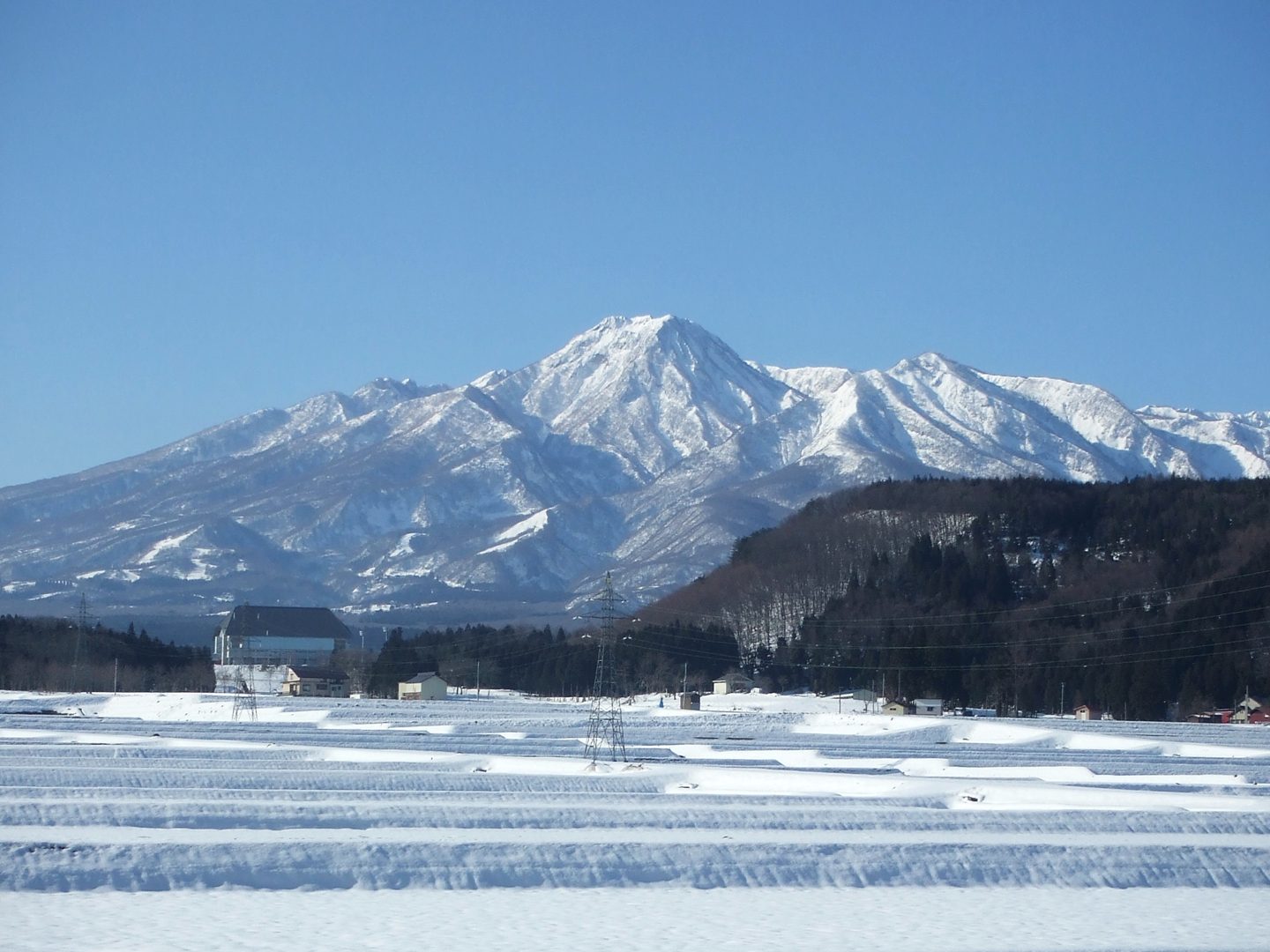

Mount Bamus Volcano Trekking Guide: Exploring Papua New Guinea’s Dormant Stratovolcano
Mount Bamus, a dormant stratovolcano in Papua New Guinea’s New Britain region, offers adventurous trekkers a unique volcano hiking experience amidst lush rainforests and rich biodiversity. This guide covers its geology, trekking terrain, routes, safety, permits, and accommodation options for an unforgettable expedition.
Quick Volcano Snapshot
| Attribute | Value |
|---|---|
| Volcano type | Stratovolcano |
| Elevation | 2248 m / 7,375 ft |
| Location | New Britain, Papua New Guinea |
| Activity status | Dormant |
| Trekking difficulty | Moderate |
| Typical trek duration | 1-2 days |
| Altitude gain | Approximately 800 m |
| Terrain type | Lava dome, breached crater, rainforest-covered slopes, volcanic rock |
| Best season | Dry season (May to October) |
| Temperature range | 15°C to 28°C |
| Permit requirement | Required; permits obtained via local authorities or tour operators |
Introduction: The Experience of Hiking Mount Bamus
Approaching Mount Bamus, trekkers are greeted by a strikingly symmetrical stratovolcano cloaked in dense rainforest and fern thickets. The contrast between the lush greenery and the rugged volcanic formations creates a dramatic landscape that speaks to the raw power of nature. As you ascend, the air cools and the terrain shifts from soft forest floor to rocky volcanic debris. The sense of geological history is palpable, with fumaroles and sulfur deposits hinting at the volcano’s fiery past. Reaching the summit offers breathtaking panoramic views of New Britain’s verdant valleys and the distant Pacific Ocean, a rewarding culmination of the trek’s physical and emotional journey.
Geological Background of Mount Bamus
Mount Bamus is a stratovolcano located on New Britain Island, part of the Bismarck volcanic arc in Papua New Guinea. It stands at 2248 meters and features a breached summit crater approximately 800 meters in diameter, filled with a lava dome composed of basalt-andesitic bouldery lava. The dome has overflowed through gaps on the west, southwest, and southeast sides, creating unique geological formations. The volcano is part of the Garbuna volcanic group and lies southwest of the active Ulawun volcano, which is considered its ‘father’. Historical records and local accounts indicate the last confirmed eruption occurred around 1886, with earlier eruptions inferred from geological evidence dating back thousands of years. The presence of fumaroles, sulfur deposits, and steam vents on the lava dome illustrates ongoing geothermal activity beneath the dormant surface. Mount Bamus and Ulawun are among the highest volcanoes in the Bismarck arc, nearing the stability limit before potential collapse. This geological complexity makes Mount Bamus a fascinating subject for volcanologists and adventurous trekkers alike.
The Volcano Trek: Terrain and Hiking Experience
Trekking Mount Bamus offers a diverse and engaging hiking experience shaped by its volcanic terrain and rainforest environment. The trail begins through dense tropical forest, where the path is shaded by towering trees and thick undergrowth. As you gain elevation, the vegetation gradually thins, revealing the volcanic rock and ash that form the mountain’s slopes. The terrain is moderately challenging, with sections of loose volcanic scree and rocky outcrops requiring careful footing. Hikers will encounter steep ash slopes that can be slippery, especially after rain, demanding good balance and sturdy hiking boots with excellent grip. The lava dome near the summit presents bouldery lava fields that require some scrambling over uneven surfaces. Along the ascent, trekkers may experience variable weather conditions, including sudden temperature drops and strong winds near the crater rim. Altitude effects are moderate but noticeable, with the elevation gain of approximately 800 meters over the course of the trek. The trail offers a mix of shaded forest paths and exposed volcanic ridges, providing both shelter and expansive views. The presence of fumaroles and sulfur vents near the summit adds an otherworldly atmosphere, with occasional steam plumes visible against the sky. Overall, the hike demands moderate fitness and preparation but rewards adventurers with a rich combination of natural beauty, geological intrigue, and the thrill of exploring a relatively untouched volcanic landscape.
What Makes the Mount Bamus Trek Unique
Mount Bamus stands out for its combination of geological features and lush ecological surroundings. Unlike many volcanic treks dominated by barren lava fields, Bamus is enveloped in vibrant rainforest, creating a striking contrast between verdant life and volcanic rock. The volcano’s breached summit crater filled with a lava dome is a rare formation that offers a unique vantage point to observe volcanic processes. The proximity to the active Ulawun volcano adds geological significance, as Bamus is considered its dormant neighbor. The trek also provides opportunities to witness fumaroles, sulfur deposits, and steam vents, which are visible from the sea and add to the dramatic volcanic landscape. Additionally, the rich biodiversity of the Garbuna volcanic group region means hikers can encounter endemic bird species and exotic plants along the trail. Cultural interactions with local communities who have lived alongside the volcano for generations further enrich the experience, offering insights into traditional customs and the spiritual significance of the land.
Summit and Crater Experience
Reaching the summit of Mount Bamus is a moment of awe and reflection. The 800-meter-wide breached crater reveals a rugged lava dome, with steam vents and fumaroles emitting faint plumes that carry the unmistakable scent of sulfur. The ground beneath your feet is warm in places, a reminder of the volcano’s latent energy. From the crater rim, panoramic views stretch across the lush New Britain landscape, with the Pacific Ocean shimmering on the horizon. The interplay of light and shadow across the volcanic formations creates a surreal atmosphere, enhanced by the sounds of escaping gases and the occasional call of tropical birds. The summit experience is both humbling and exhilarating, offering a profound connection to the earth’s dynamic forces and the natural beauty of this remote region.
Best Time to Trek Mount Bamus
The optimal time to trek Mount Bamus is during Papua New Guinea’s dry season, which runs from May to October. During these months, the weather is generally more stable, with reduced rainfall and clearer skies, making the trails safer and the summit views more spectacular. Trekking outside this window increases the risk of heavy rain, slippery paths, and sudden weather changes that can complicate the ascent. Early morning starts are recommended to avoid afternoon heat and to experience the volcano’s dramatic sunrise vistas. It is also important to monitor local volcanic activity reports and weather forecasts, as conditions can change rapidly in this region. Planning your trek with a reputable local guide or tour operator ensures access to the latest safety information and enhances your overall experience.
Trekking Routes and Trail Options
Mount Bamus offers a primary trekking route that begins near the village areas on the western flank, accessible via local roads from nearby towns. The trail typically takes 1 to 2 days to complete, depending on the pace and itinerary. The ascent involves an elevation gain of approximately 800 meters, starting from the rainforest-covered lower slopes and progressing to the volcanic dome summit. The route is moderately challenging, with sections of dense forest, volcanic scree, and rocky lava fields. Guided tours often include cultural visits to local communities, enriching the trek with traditional knowledge and hospitality. While there is one main established trail, experienced trekkers may explore alternative paths with local guides, including routes that traverse the southern flank and connect with the Garbuna volcanic group trails. Self-guided trekking is possible but not recommended due to the remote terrain and limited signage. Tour operators such as New Guinea Natural Tours and Trans Niugini Tours provide comprehensive packages that include transportation, permits, guides, and accommodation arrangements, ensuring a safe and immersive trekking experience.
Difficulty Assessment
Mount Bamus is classified as a moderate volcano trek. The terrain includes steep ash slopes, loose volcanic scree, and rocky lava dome sections that require sure-footedness and moderate scrambling skills. The altitude gain of around 800 meters is manageable for hikers with a reasonable level of fitness but can be challenging for beginners. The tropical climate adds humidity and heat, which can increase fatigue. There are no technical climbing sections or the need for specialized mountaineering equipment, making it accessible to experienced hikers and adventurous beginners prepared for uneven terrain. Altitude sickness risk is low but possible for sensitive individuals. Overall, the trek demands good physical preparation, sturdy footwear, and acclimatization to tropical mountain conditions.
Essential Volcano Trekking Gear
For trekking Mount Bamus, essential gear includes sturdy hiking boots with excellent grip to navigate loose volcanic scree and rocky terrain. Trekking poles are recommended to aid balance on steep and slippery slopes. Lightweight, breathable clothing with long sleeves and pants protects against sun exposure and insect bites in the rainforest sections. A windproof and waterproof jacket is necessary due to sudden weather changes. A headlamp is useful for early morning or late evening hiking. Given the presence of fumaroles and sulfur vents, carrying a dust mask or respirator can help filter volcanic gases and ash. Ample hydration systems are critical, with at least 3 liters of water recommended per day. Sun protection such as a wide-brimmed hat, sunglasses, and high SPF sunscreen is essential due to limited shade on exposed slopes. A basic first aid kit, insect repellent, and a map or GPS device complete the recommended gear list.
Safety and Volcanic Hazards
While Mount Bamus is currently dormant, safety precautions remain paramount. The volcano’s fumaroles and sulfur vents emit gases that can be harmful if inhaled in high concentrations; wearing a dust mask is advisable near these areas. The breached crater rim and lava dome present unstable ground and loose rocks, posing risks of slips and falls. Sudden weather changes, including heavy rain and strong winds, can increase trail hazards and reduce visibility. There is a low but non-negligible risk of volcanic activity resurgence, so trekkers should stay informed through local monitoring agencies and heed any warnings or access restrictions. Guides from reputable tour operators provide critical safety oversight and knowledge of the terrain. Emergency communication options are limited in this remote area, so preparation and caution are essential. Overall, respecting the volcano’s power and following expert guidance ensures a safe and rewarding trekking experience.
Permits, Guides, and Logistics for Mount Bamus Trekking
Trekking Mount Bamus requires obtaining permits from local authorities, which can be facilitated by tour operators. Permits help regulate access, ensure safety, and support conservation efforts. Permit fees vary but typically start around 200 Papua New Guinean Kina (approximately $55 USD) for day treks. It is advisable to arrange permits well in advance, especially during peak trekking seasons. Several reputable local tour operators specialize in Mount Bamus and the surrounding Garbuna volcanic group, including New Guinea Natural Tours, Trans Niugini Tours, Buna Treks & Tours PNG, Flynn’s Tours, and Travel PNG Guide Tours. These companies provide comprehensive packages covering permit acquisition, experienced local guides, transportation from major towns, and logistical support such as food and camping equipment. Guides are essential for navigating the challenging terrain, interpreting geological features, and facilitating cultural interactions with indigenous communities. Access to the trailhead typically involves travel from Rabaul or Kokopo, with road conditions varying seasonally. Due to the remote location and limited infrastructure, joining an organized tour is highly recommended for safety and convenience. Visitors should also arrange appropriate travel insurance covering adventure activities and be prepared for basic communication limitations in the region.
Where to Stay and Nearby Bases for Mount Bamus Trek
Accommodation options near Mount Bamus are centered around the towns of Rabaul and Kokopo on New Britain Island, which serve as primary bases for trekkers. The iconic Rabaul Hotel offers modern air-conditioned rooms, an international restaurant, and amenities such as a swimming pool, providing comfortable lodging within walking distance of the harbor and local transport hubs. For travelers seeking a more immersive experience, smaller guesthouses and eco-lodges are available in the surrounding areas, offering proximity to nature and local culture. Rapopo Plantation Resort, located on New Britain Island, features sea-view rooms, a swimming pool, and a restaurant, ideal for relaxation before or after the trek. Due to limited accommodation directly at the trailhead, most trekkers stay in these towns and arrange daily transport to the volcano. Some tour operators include camping options near the volcano for multi-day treks, providing basic tents and meals. It is advisable to book accommodations in advance, especially during the dry season, to secure availability. Amenities in Rabaul and Kokopo include restaurants, shops, and vehicle hire services, facilitating logistical arrangements for the trek. Staying in these towns also offers opportunities to explore local markets, cultural sites, and other volcanic attractions in the region.