
Trekking Gorely Volcano: Exploring Kamchatka’s Active Complex Volcano and Its Majestic Calderas
Gorely Volcano, located in southern Kamchatka, Russia, is a complex and active volcano featuring a vast caldera with multiple craters. This guide covers the geological background, trekking terrain, routes, safety, permits, accommodations, and unique volcanic features for adventurous hikers seeking a moderate yet rewarding volcano trek.
Quick Volcano Snapshot
| Attribute | Value |
|---|---|
| Volcano type | Complex volcano |
| Elevation | 1,829 meters |
| Location | Kamchatka Peninsula, Russia |
| Activity status | Active |
| Trekking difficulty | Moderate |
| Typical trek duration | 3 to 5 hours ascent |
| Altitude gain | Approximately 1,200 meters |
| Terrain type | Lava flows, volcanic ash slopes, rocky ridges, crater lakes |
| Best season | July to September |
| Temperature range | 5°C to 15°C during trekking season |
| Permit requirement | Required; permits obtained through local authorities or tour operators |
The Experience of Hiking Gorely Volcano
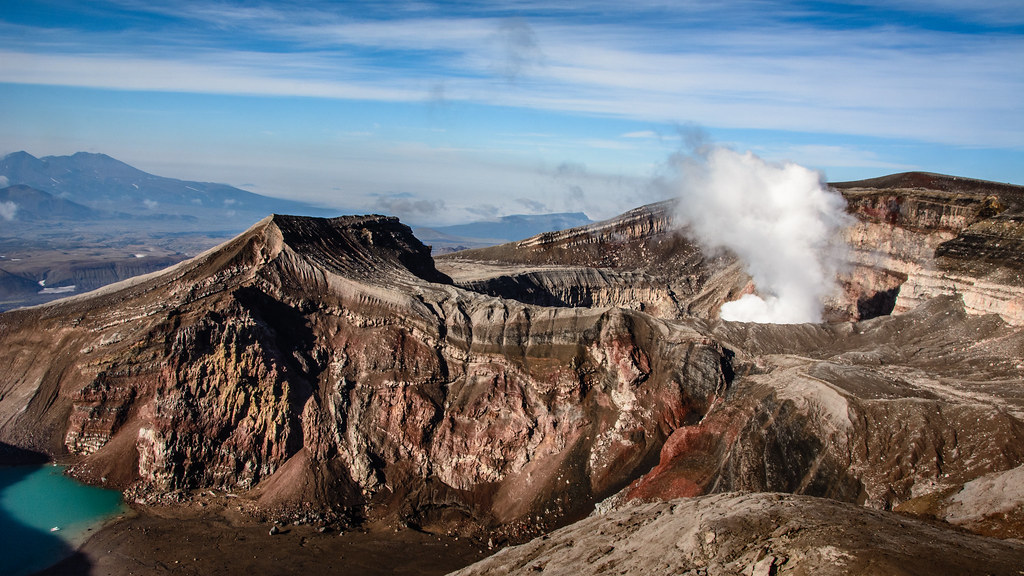
Approaching Gorely Volcano, hikers are immediately struck by the vastness of its elliptical caldera and the rugged silhouette of overlapping cones. The landscape is a dramatic interplay of barren lava fields, steaming fumaroles, and vivid volcanic lakes nestled within craters. The ascent offers a palpable sense of geological power, as the earth’s fiery past is etched into every ridge and vent. Reaching the summit reveals a panorama of Kamchatka’s volcanic wilderness, where the raw energy of an active volcano is both humbling and exhilarating.
Geological Background of Gorely Volcano
Gorely is a complex volcano composed of five overlapping stratovolcanoes and a large shield volcano base. Its formation began with the ancient Pra-Gorely volcano, which spans 20 to 25 kilometers in diameter. Over time, the central part of this shield volcano collapsed, creating a massive elliptical caldera approximately 12 kilometers wide. Within this caldera, the modern ‘Young Gorely’ edifice has formed, consisting of three large cones and 11 associated craters aligned along a northwest-southeast ridge. The volcano’s eruptive history includes significant activity in the 1980s, with phreatic and ash explosions that reshaped the crater floor and produced extensive lava flows. The caldera hosts numerous volcanic features such as ignimbrites, cinder cones, fumaroles, and acid crater lakes, making Gorely a geological natural sanctuary and a fascinating subject for volcanologists and trekkers alike.
Terrain and Hiking Experience on Gorely Volcano
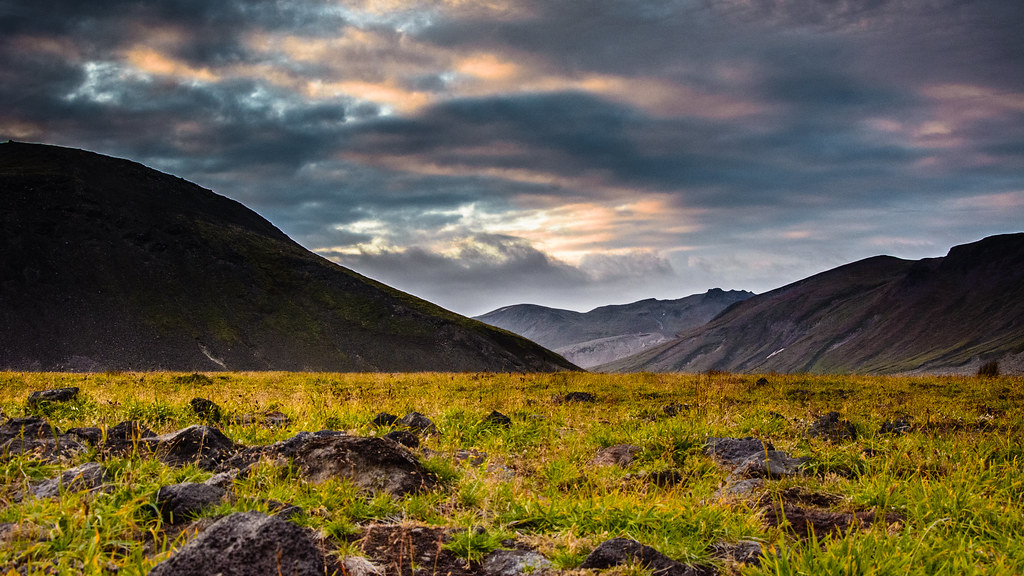
The trek up Gorely Volcano is a compelling journey through diverse volcanic terrain that challenges and rewards hikers with spectacular views and geological wonders. The trail typically begins at the foot of the volcano, accessible by off-road vehicles crossing the Vilyuchinsky Pass, which offers stunning vistas of neighboring volcanoes and the Paratunka River valley. From the trailhead, hikers ascend along hardened lava flows that have solidified into stony paths, providing a relatively stable footing despite the rugged volcanic rock. The terrain varies from loose volcanic ash and pumice slopes to jagged lava ridges requiring careful scrambling. The ascent involves steady altitude gain of about 1,200 meters, with the summit reaching 1,829 meters above sea level. Trekkers should be prepared for shifting weather conditions, including strong winds and temperature fluctuations, especially near the crater rim where exposure is significant. The trail passes by remarkable volcanic features such as steaming fumaroles and colorful crater lakes, including the striking turquoise acid lake in the largest crater. The volcanic ash and pumice can be slippery, demanding sturdy hiking boots with good grip and trekking poles for balance. Altitude effects are moderate but noticeable, so a gradual pace and acclimatization are advisable. The hike duration ranges from 3 to 5 hours depending on fitness and experience, with the descent offering exhilarating slides down volcanic scree slopes. Overall, the Gorely trek combines moderate physical challenge with immersive volcanic landscapes, making it a memorable adventure for those seeking to explore Kamchatka’s active volcanic heart.
What Makes the Gorely Volcano Trek Unique
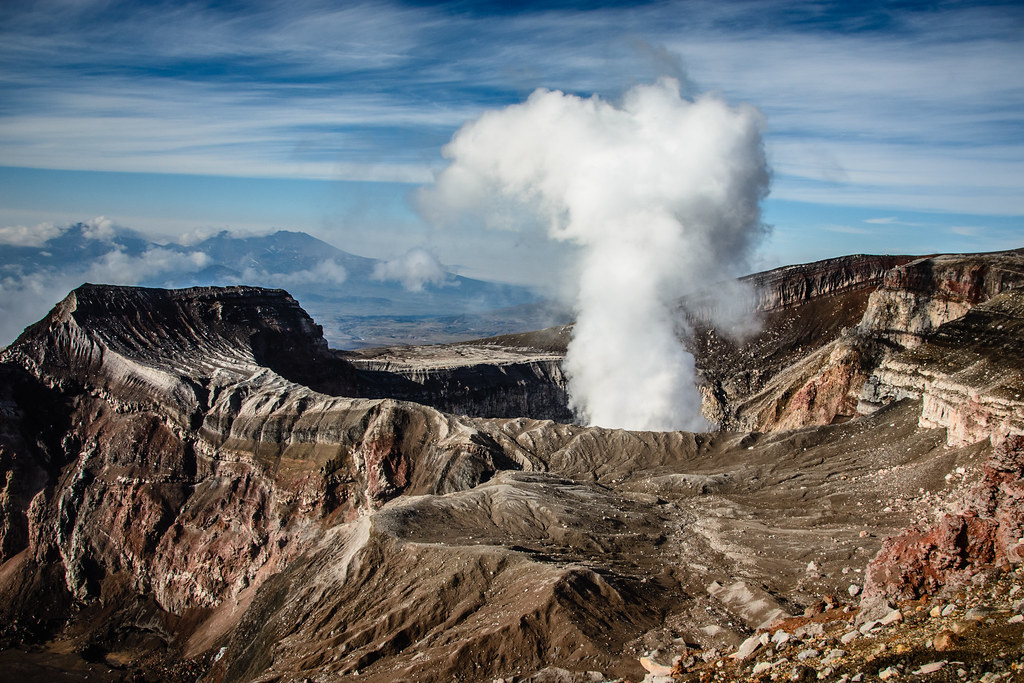
Gorely Volcano stands out for its vast elliptical caldera housing multiple active craters, each with distinct characteristics. The presence of eleven craters on the summit ridge, some filled with vividly colored acid lakes, creates a rare volcanic ensemble. Unlike many single-cone volcanoes, Gorely’s complex structure offers varied geological features within a compact area. The turquoise acid lake in the largest crater is a striking visual highlight, contrasting with the dark volcanic rock and steaming fumaroles. The volcano’s relatively accessible yet active status allows trekkers to witness ongoing volcanic processes safely under guided supervision. Additionally, the surrounding Kamchatka wilderness, with views of neighboring volcanoes like Mutnovsky and Vilyuchinsky, enriches the trekking experience. The combination of geological diversity, active volcanic phenomena, and dramatic landscapes makes Gorely a unique destination for volcano enthusiasts and adventure travelers.
Summit and Crater Experience on Gorely Volcano
Reaching the summit of Gorely Volcano is a sensory immersion into the planet’s volcanic power. The expansive crater rim reveals a panorama of steaming vents, bubbling fumaroles, and vividly colored crater lakes. The largest crater’s acid lake shimmers in shades of turquoise, its surface occasionally disturbed by gas bubbles rising from below. The air carries the unmistakable scent of sulfur, mingled with the crisp mountain breeze. Heat emanates from fumaroles, and the subtle hissing of escaping volcanic gases underscores the volcano’s restless nature. From the summit, trekkers can gaze across the Kamchatka volcanic landscape, spotting neighboring peaks and the vast caldera floor below. The dramatic contrast between the barren volcanic terrain and distant forested valleys enhances the feeling of standing on a dynamic geological monument. This moment of arrival is both humbling and exhilarating, a reward for the physical effort and a vivid reminder of Earth’s fiery forces.

Best Time to Trek Gorely Volcano
The optimal trekking season for Gorely Volcano spans from July through September, when snow has melted and weather conditions are most stable. During these months, temperatures range between 5°C and 15°C, providing a comfortable environment for hiking. Early summer and late autumn are less favorable due to snow cover and increased precipitation, which can make trails slippery and hazardous. Volcanic activity is continuously monitored by local agencies, and trekkers should heed any advisories or restrictions issued during periods of increased unrest. Sunrise climbs are popular for dramatic lighting and cooler temperatures, but daylight ascents offer better visibility of volcanic features. Avoiding the monsoon and winter seasons reduces risks associated with sudden weather changes, strong winds, and limited accessibility.
Trekking Routes and Trail Options on Gorely Volcano
The primary route to Gorely’s summit begins near the Vilyuchinsky Pass, accessible by off-road vehicles from Petropavlovsk-Kamchatsky. This trail ascends through hardened lava flows and volcanic ash slopes, leading to the intra-caldera ridge where the multiple craters are located. The ascent typically takes between 3 to 5 hours depending on the hiker’s pace and experience. Guided tours often include transportation to the trailhead, gear checks, and safety briefings before the climb. Alternative routes may explore subsidiary cones and volcanic caves around the caldera, but these require advanced planning and local guidance due to challenging terrain and limited markings. Most trekkers opt for guided group tours offered by reputable operators such as Tari Travel and Red Rivers Tour Co., which provide expert knowledge, logistical support, and safety oversight. Self-guided trekking is possible for experienced hikers familiar with volcanic terrain and navigation in remote areas, but it is generally discouraged due to the active nature of the volcano and variable weather. The trail is well-defined but can be physically demanding, with sections of loose scree and exposed ridges requiring caution.

Difficulty Assessment of Gorely Volcano Trek
Gorely Volcano presents a moderate trekking challenge suitable for hikers with a reasonable level of fitness and some experience on uneven terrain. The ascent involves steady elevation gain of approximately 1,200 meters to 1,829 meters above sea level. Terrain includes rocky lava flows, loose volcanic ash, and pumice slopes that can be slippery and require surefootedness. While technical climbing equipment is not necessary, trekking poles and sturdy boots with good grip are essential. Altitude effects are mild but can cause fatigue in unacclimatized hikers. Weather conditions near the summit can be harsh, with strong winds and rapid temperature changes, adding to the physical demands. Overall, the trek is classified as a moderate volcano ascent, accessible to adventurous travelers prepared for variable volcanic terrain and weather.
Essential Gear for Trekking Gorely Volcano
Proper gear is critical for a safe and comfortable Gorely Volcano trek. Recommended items include sturdy hiking boots with excellent grip to navigate rocky and loose volcanic terrain. Trekking poles help maintain balance on steep ash slopes and scree. A windproof and waterproof jacket protects against sudden weather changes and strong summit winds. Layered clothing allows temperature regulation from warm base layers to insulating mid-layers. A headlamp is useful for early morning or late evening starts. Sun protection, including sunglasses, sunscreen, and a wide-brimmed hat, is necessary due to high UV exposure and lack of shade. Hydration systems or water bottles ensure adequate fluid intake during the climb. A gas mask or respirator is generally not required but may be advisable during periods of increased volcanic gas emissions. Additionally, a first aid kit, map, and communication device enhance safety.
Safety and Volcanic Hazards on Gorely Volcano
Trekking Gorely Volcano involves inherent risks associated with active volcanic environments. Volcanic gases such as sulfur dioxide can be hazardous, especially near fumaroles and crater vents. Hikers should avoid prolonged exposure to gas emissions and follow guidance from local monitoring agencies like KVERT. The crater edges can be unstable and prone to collapse, requiring caution when approaching rim viewpoints. Loose scree and volcanic ash slopes increase the risk of slips and falls. Falling rocks may occur in steep sections, so wearing a helmet is advisable on guided tours. Although Gorely’s recent activity has been moderate, sudden eruptions or phreatic explosions remain possible, underscoring the importance of adhering to safety instructions and monitoring alerts. Weather can change rapidly, bringing strong winds, fog, or precipitation that reduce visibility and trail safety. Trekking with experienced guides and using proper equipment significantly mitigates these hazards.
Permits, Guides, and Logistics for Gorely Volcano Trekking
Trekking Gorely Volcano requires obtaining permits from local authorities, as the area is part of a protected geological natural sanctuary. Permits can be arranged through tour operators or directly via regional park offices, with processing typically taking one day. Fees vary depending on the type of permit and duration of stay. Cash payments at the park are not accepted; electronic or bank transfers are standard. Tour operators such as Tari Travel, Red Rivers Tour Co., Real Kamchatka, and 56th Parallel specialize in organizing guided Gorely treks, providing comprehensive services including permit procurement, transportation, equipment rental, and experienced native guides. These guides offer invaluable knowledge of volcanic terrain, safety protocols, and cultural insights. Logistics involve a 3-hour drive from Petropavlovsk-Kamchatsky to the trailhead via the Vilyuchinsky Pass, often in specially prepared off-road vehicles. Accommodation arrangements can be made in nearby towns or campsites. Guided tours typically include pre-trek briefings, gear checks, and post-trek support. Visitors are advised to book tours well in advance, especially during the peak July to September season, to secure permits and ensure availability. Adherence to park regulations and indemnity agreements is mandatory for all trekkers to ensure safety and environmental protection.
Where to Stay Near Gorely Volcano
Accommodation options near Gorely Volcano primarily center around Petropavlovsk-Kamchatsky, located approximately 75 kilometers from the volcano. This city offers a range of hotels, guesthouses, and lodges catering to different budgets and preferences. Notable accommodations include comfortable hotels with amenities such as Wi-Fi, dining, and guided tour services. For those seeking proximity to the volcano, some tour operators provide camping options or eco-camps near the trailhead, offering a more immersive wilderness experience. These camps typically include basic facilities, hot meals, and communal areas, ideal for adventurers wanting early starts and close access to the volcano. Additionally, guesthouses in nearby villages provide authentic local hospitality and convenient access to transport services. Transfers from accommodations to the trailhead are usually arranged by tour companies using off-road vehicles, ensuring timely and comfortable access. It is advisable to book lodging well in advance during the trekking season due to limited availability. Staying in Petropavlovsk-Kamchatsky also allows trekkers to explore other Kamchatka attractions and prepare adequately before the ascent.