
Mount Kadam Volcano Trekking Guide: Exploring Uganda’s Remote Stratovolcano
Mount Kadam, a dormant stratovolcano in Eastern Uganda, offers a challenging and rewarding trekking experience through diverse terrain and rich cultural landscapes. This guide covers geology, trekking routes, permits, logistics, and accommodation options for adventurers seeking an off-the-beaten-path volcano hike.
Quick Volcano Snapshot
| Attribute | Value |
|---|---|
| Volcano type | Stratovolcano |
| Elevation | 3,063 meters |
| Location | Eastern Uganda, Karamoja region |
| Activity status | Dormant |
| Trekking difficulty | Moderate |
| Typical trek duration | 3 days |
| Altitude gain | Approximately 1,860 meters |
| Terrain type | Montane forest, rocky ridges, farmland, shrubland |
| Best season | December to February, June to August (dry seasons) |
| Temperature range | Chilly nights above 2,000m, mild days |
| Permit requirement | Required; permits arranged via tour operators |
The Experience of Hiking Mount Kadam
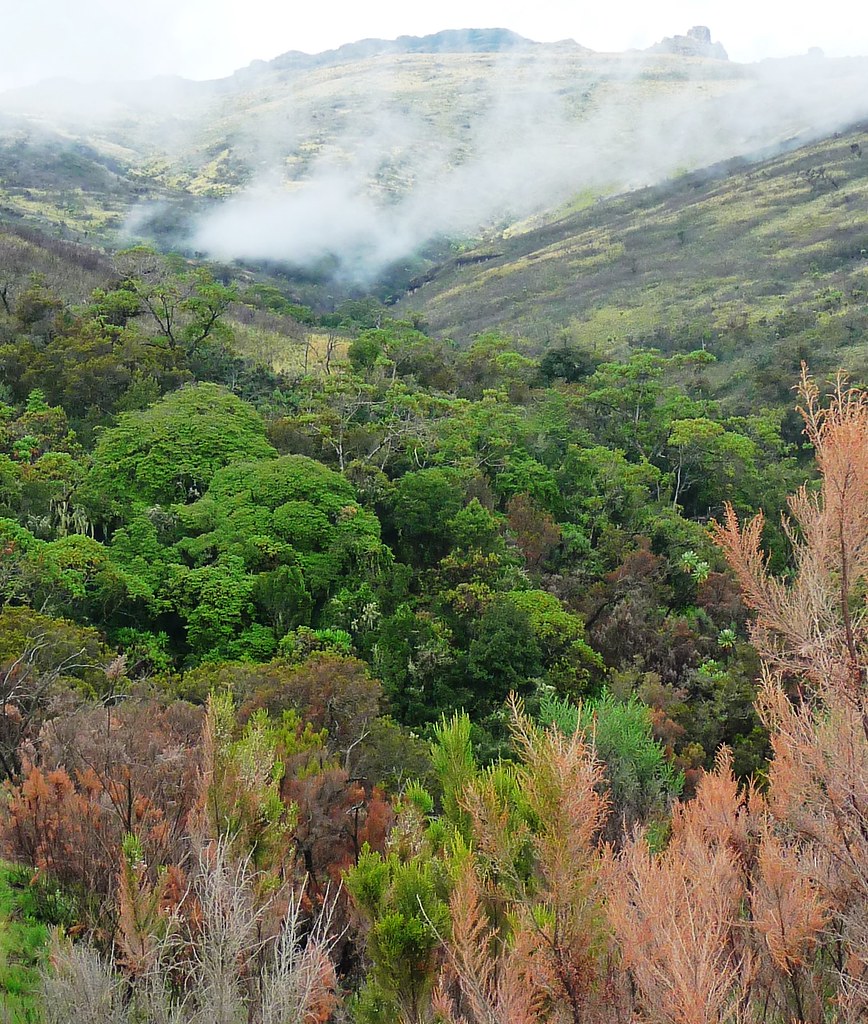
Approaching Mount Kadam, trekkers are greeted by a towering stratovolcano rising dramatically above the Karamoja plains. The landscape shifts from semi-arid savannah to dense montane forests and rugged rocky ridges. The trail offers a raw, untamed wilderness experience far from mainstream tourism. As you ascend, the air cools and the vegetation thickens, culminating in panoramic views of Uganda’s northeastern plains and neighboring Kenya. Reaching the crater plateau, the sense of geological power and isolation is profound, with sweeping vistas and a quiet that speaks to the mountain’s remote majesty.
Geological Background of Mount Kadam
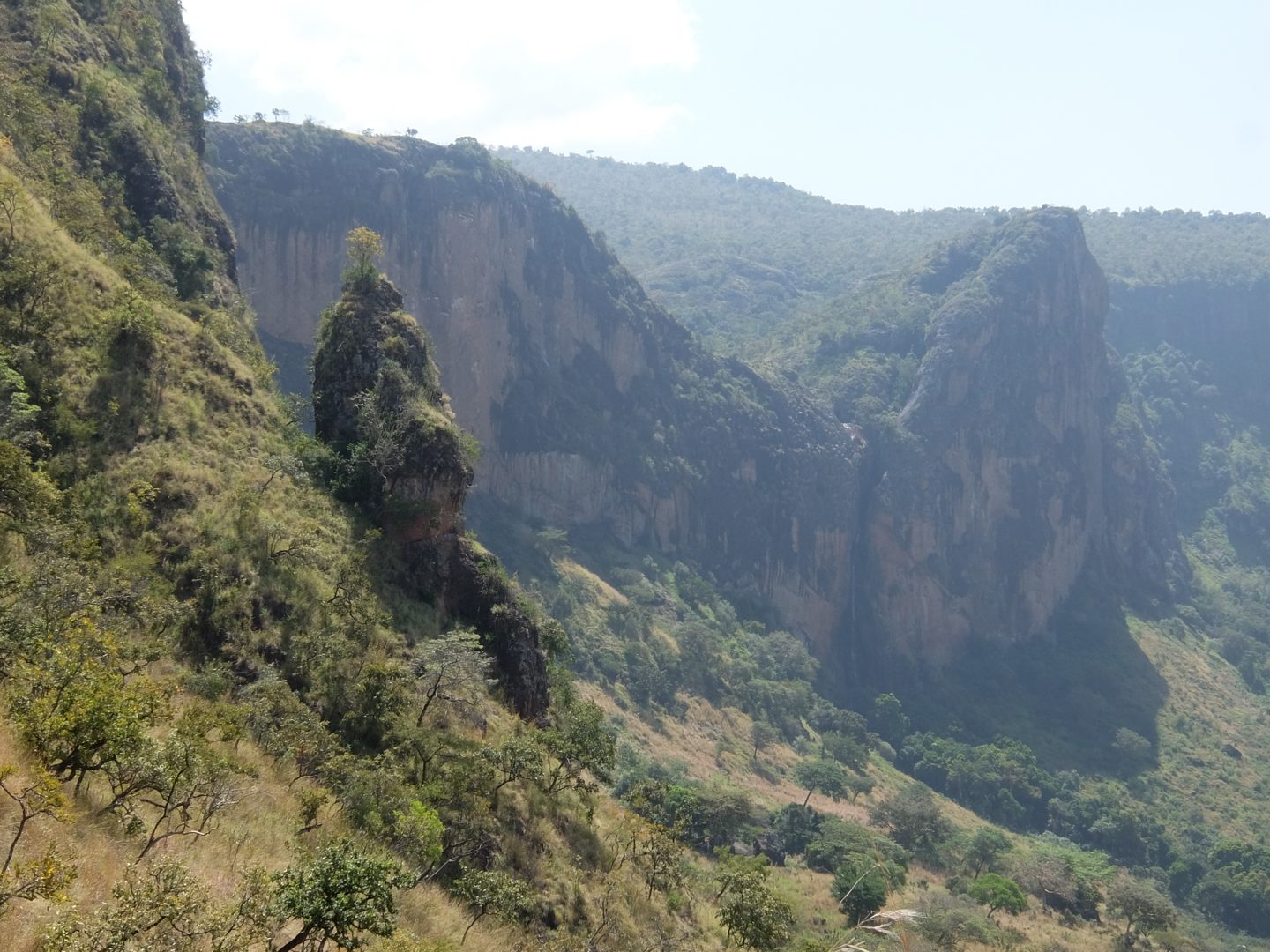
Mount Kadam is a dormant stratovolcano located in the Eastern Rift Valley system near the Uganda-Kenya border. Its volcanic origins date back to ancient geological activity that shaped the region’s dramatic escarpments. The mountain is composed primarily of metamorphic and igneous rocks, including granite and basalt, which have been sculpted by extensive erosion into steep ridges and deep valleys. Although no recent eruptions have been recorded, the volcanic soil supports diverse flora, and fumaroles or active vents are absent, confirming its dormant status. The mountain’s geological complexity contributes to its striking landscape and rich biodiversity.
Terrain and Hiking Experience on Mount Kadam
The trek up Mount Kadam is a physically demanding journey through varied and challenging terrain. Starting at Kawara Village at approximately 1,200 meters elevation, hikers traverse farmland and traditional villages before entering dense montane forests. The trail is largely unmarked and wild, requiring the guidance of experienced local Tepeth guides familiar with every turn and campsite. The ascent involves steep climbs through lush forest canopies, rocky ridges, and sections of loose scree and shrubland. The altitude gain of about 1,860 meters over three days tests endurance and fitness. Trekkers will encounter shifting weather conditions, from warm lowlands to chilly nights at high camps near 2,400 meters. The final summit push includes scrambling over rocky terrain and navigating thick brush before reaching the plateau. The trail’s remoteness means limited infrastructure, so hikers must be self-sufficient and prepared for rugged conditions. Despite the challenges, the trail rewards with spectacular views, rich biodiversity, and a profound sense of solitude. Camping spots near mountain springs provide shelter and water, while the night sky offers exceptional stargazing opportunities. The hiking experience is immersive, combining physical challenge with cultural encounters and pristine natural beauty.
What Makes the Mount Kadam Trek Unique
Mount Kadam stands out for its remote location and cultural richness. Unlike more frequented East African volcanoes, it offers solitude and an authentic wilderness experience. The trek passes through territories inhabited by the Kadam and Tepeth peoples, providing opportunities for cultural exchange and insight into traditional lifestyles. The mountain’s diverse ecosystems range from dry savannah to montane forests, supporting unique flora including medicinal plants and edible species. The summit plateau offers jaw-dropping panoramic views of the Karamoja plains and neighboring peaks such as Mount Moroto. The combination of geological grandeur, cultural heritage, and off-the-beaten-path adventure makes Mount Kadam a distinctive volcano trekking destination.
Summit and Crater Experience on Mount Kadam
Reaching the summit plateau of Mount Kadam is a moment of triumph and awe. The final ascent involves a mix of rock scrambling and shrub navigation, culminating in a relatively flat 2-kilometer walk across the plateau to the peak. From the summit, trekkers enjoy 360-degree views over the expansive Karamoja plains, distant Mount Moroto, and into western Kenya. The air is crisp and carries the scent of mountain flora. The quiet is punctuated only by the wind and distant wildlife calls. Unlike active volcanoes, there is no fumarolic activity or sulfur smell, but the geological presence is palpable. The vastness and isolation of the summit create a profound connection to the natural world and the ancient forces that shaped this landscape.
Best Time to Trek Mount Kadam
The optimal trekking seasons for Mount Kadam are during the dry months from December to February and June to August. These periods offer clear skies, stable weather, and less slippery trails, enhancing safety and visibility. The mountain’s remote location means weather can change rapidly, so trekkers should be prepared for chilly nights and occasional rain even in dry seasons. Avoiding the rainy months reduces the risk of muddy, difficult trail conditions and challenging vehicle access to the trailhead. Planning a trek during these dry windows maximizes the chances of a successful and enjoyable ascent.
Routes and Trail Options for Mount Kadam
The primary trekking route to Mount Kadam’s summit begins at Kawara Village, situated at about 1,200 meters elevation. From here, the trail ascends approximately 1,860 meters over a distance of roughly 36 kilometers round trip. The hike typically spans three days, with an overnight camp established near 2,400 meters in a forest clearing close to a reliable mountain spring. This basecamp offers shelter and stunning sunset views over the Karamoja plains. The trail passes through farmland, dense montane forest, bamboo groves, and rocky ridges. After reaching basecamp, the summit push continues through the lush Naro forest on the mountain’s western side. Trekkers leave heavy gear behind and carry only essentials for the final ascent, which includes a mix of rock scrambling and walking through shrubs before reaching the summit plateau. Guided trekking is strongly recommended due to the unmarked and wild nature of the trail. Several tour operators, including Turkana Wildlife Safaris and Kara-Tunga Tours, offer organized expeditions with local guides, porters, and camping equipment. Alternative shorter or extended routes may be arranged depending on fitness levels and time constraints, but the classic three-day itinerary remains the most popular and practical option for most adventurers.
Difficulty Assessment of Mount Kadam Trek
Mount Kadam presents a moderate to challenging trekking experience suitable for hikers with good fitness and some prior trekking experience. The trail involves significant altitude gain of approximately 1,860 meters over rugged terrain including steep forested slopes, rocky ridges, and loose scree. The final summit ascent requires scrambling skills and comfort with uneven, sometimes slippery surfaces. The remote location and lack of marked trails increase the challenge, making local guides essential for navigation and safety. Altitude effects are moderate but should be considered, especially for those not acclimatized. Overall, the trek is classified as a moderate volcano trek, demanding physical endurance, proper preparation, and respect for the mountain’s wild conditions.
Essential Gear for Mount Kadam Volcano Trekking
Successful trekking on Mount Kadam requires specialized gear to handle the diverse terrain and variable weather. Key items include sturdy, well-broken-in hiking boots with good grip for rocky and slippery surfaces. Trekking poles are highly recommended to aid balance and reduce strain on steep ascents and descents. Due to the presence of volcanic ash and loose soil, gaiters help protect boots and lower legs. Layered clothing is essential to adapt to temperature shifts, including moisture-wicking base layers, insulating mid-layers, and a windproof, waterproof jacket. A headlamp with spare batteries is necessary for early starts or late finishes. Hydration systems or water bottles with a capacity of 2–3 liters are critical, along with water purification tablets or filters. Sun protection such as hats, sunglasses, and sunscreen is important due to limited shade. Additional gear includes a sleeping bag suitable for cold nights, a sleeping mat, lightweight cooking equipment if self-supported, insect repellent, and a personal first aid kit. Carrying a gas mask or respirator is generally not required as the volcano is dormant and lacks active fumaroles.
Safety and Volcanic Hazards on Mount Kadam
Mount Kadam is a dormant volcano with no recent eruptive activity, significantly reducing volcanic hazards such as lava flows or toxic gas emissions. However, trekkers should remain cautious of natural risks including unstable terrain, loose rocks, and steep slopes that can cause falls or injuries. The trail’s remoteness means emergency response times are longer, so thorough preparation and reliable local guides are essential. Weather can change rapidly, bringing cold temperatures, rain, and strong winds, which may increase the risk of hypothermia or trail difficulties. There are no active fumaroles or sulfur vents, so respiratory hazards are minimal. Hikers should monitor weather forecasts and adhere to guidance from local authorities and guides. Carrying a well-stocked first aid kit and communication devices is recommended for safety.
Permits, Guides, and Logistics for Mount Kadam Trekking
Trekking Mount Kadam requires obtaining permits and arranging logistics through authorized tour operators. Permits are mandatory and typically coordinated by local companies such as Turkana Wildlife Safaris, Kara-Tunga Tours, Mulima Mountain Adventures, Laba Africa Expeditions, and African Ascents. These operators provide comprehensive packages including permits, experienced local Tepeth guides, porters, camping equipment, and transport. Permit costs vary but generally cover park entry and conservation fees; exact prices should be confirmed with operators. The trailhead is accessed via Kawara Village in Nakapiripirit District, reachable by 4×4 vehicles from Moroto or Mbale, with travel times ranging from 8 to 10 hours from Kampala. Due to rough roads and occasional mud, sturdy vehicles and skilled drivers are essential. Most treks span three days, with camping at designated sites near mountain springs. Guides offer invaluable knowledge of the terrain, cultural insights, and safety management on the unmarked and wild trail. Self-guided trekking is not recommended due to navigation challenges and the mountain’s remoteness. Booking through reputable operators ensures a safe, well-supported, and culturally immersive experience. Additionally, operators often arrange cultural visits to local communities, enhancing the adventure with authentic interactions. Early booking is advised, especially during dry seasons, to secure permits and logistical support.
Where to Stay and Nearby Bases for Mount Kadam Treks
Accommodation options near Mount Kadam are limited due to the region’s developing tourism infrastructure. The closest towns offering lodging are Moroto and Nakapiripirit, with Moroto providing the best range of facilities. Notable accommodations include Tita Tourist Resort in Moroto, which features family rooms, a restaurant, bar, and garden, offering comfortable and affordable lodging. The Hill View Resort, also in Moroto, is conveniently located near the main market and provides en suite rooms, an on-site restaurant, bar, and conference facilities. Hotel Africana Moroto, part of a reputable Ugandan hotel chain, offers quality services and is suitable for travelers seeking more established amenities. These hotels are approximately a 3-hour drive from the Mount Kadam trailhead. For trekkers preferring to stay closer to the mountain, camping is the primary option, with basecamp sites established near 2,400 meters altitude offering shelter, water access, and stunning views. Camping gear is typically provided by tour operators or can be rented locally. Due to the remote nature of the area, it is advisable to arrange accommodation and transfers through tour companies to ensure safety and convenience. Staying in Moroto or Nakapiripirit also allows for cultural excursions and acclimatization before the trek.