
Kistufell Volcano Trekking Guide: Exploring Iceland’s Majestic Stratovolcano
Discover the thrilling experience of hiking Kistufell, a dormant stratovolcano in Northeastern Iceland. This comprehensive guide covers geological insights, trekking routes, terrain challenges, safety tips, and accommodation options to help adventurers prepare for a memorable volcano trek.
Quick Volcano Snapshot
| Attribute | Value |
|---|---|
| Volcano type | Stratovolcano |
| Elevation | 1450 meters (4757 feet) |
| Location | Northeastern Iceland |
| Activity status | Dormant |
| Trekking difficulty | Moderate |
| Typical trek duration | 4-6 hours |
| Altitude gain | Approximately 450 meters |
| Terrain type | Lava fields, volcanic rock, ash slopes |
| Best season | June to September |
| Temperature range | 5°C to 15°C (41°F to 59°F) |
| Permit requirement | No special permit required |
Introduction: The Experience of Hiking Kistufell Volcano
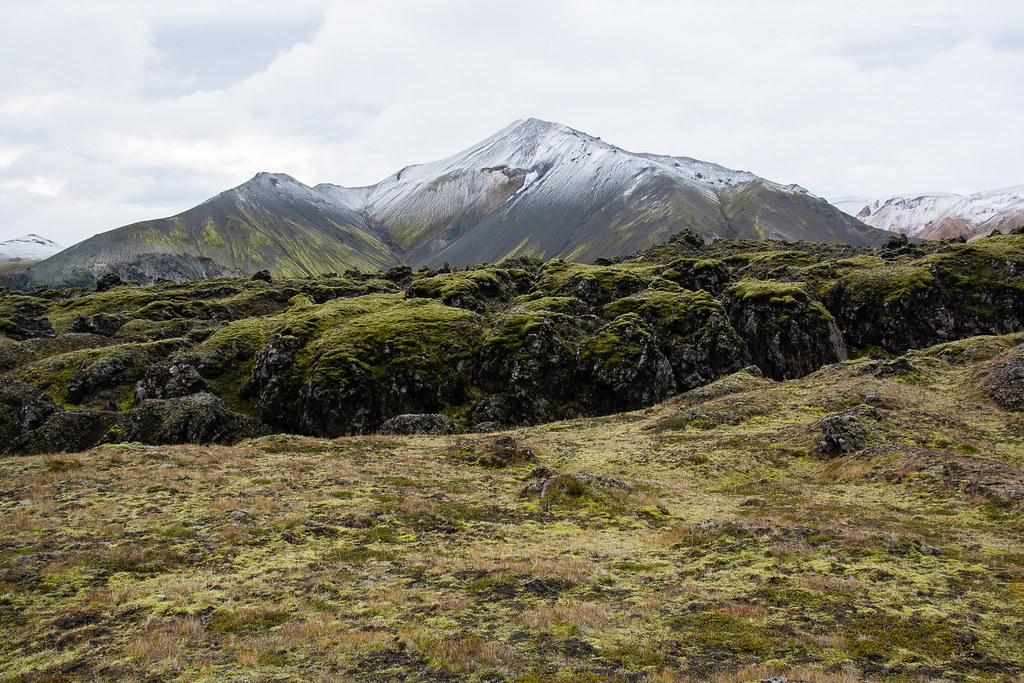
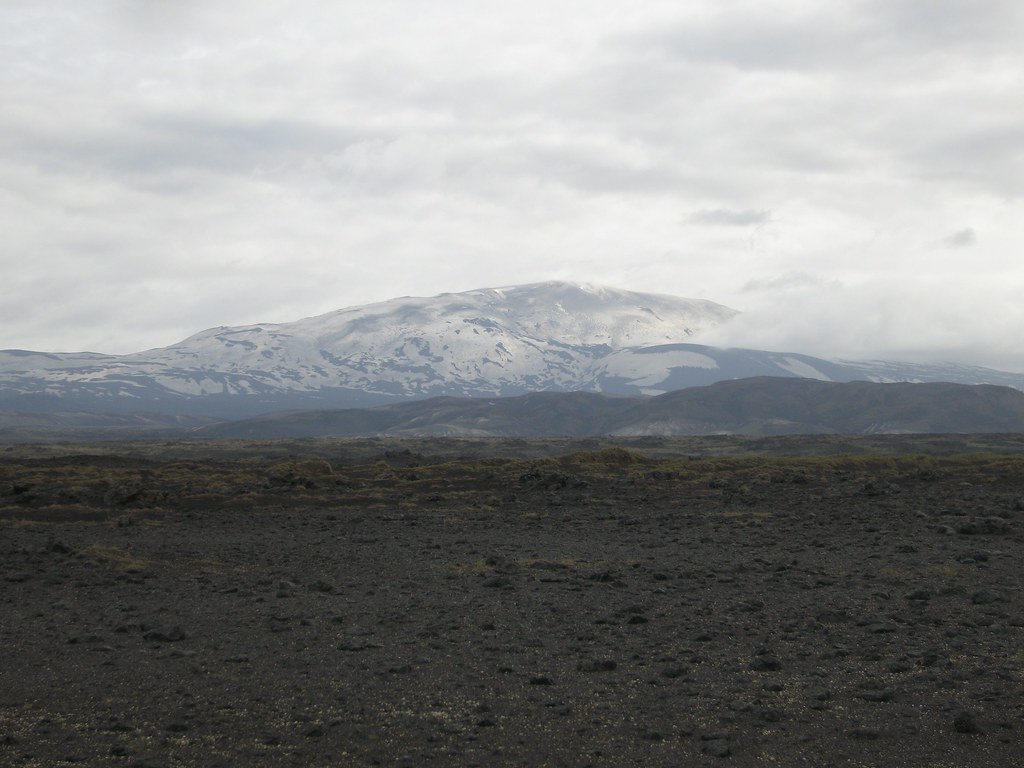
Approaching Kistufell, hikers are greeted by a striking table-top stratovolcano rising sharply from the Icelandic highlands. The landscape is a dramatic blend of barren lava fields and rugged volcanic rock, contrasting vividly with distant glaciers and snow-capped peaks. The trek offers a palpable sense of geological power, as the mountain stands as a silent witness to Iceland’s fiery past. Climbing Kistufell, adventurers experience shifting terrain underfoot, from loose volcanic ash to solidified lava flows. Reaching the summit rewards with panoramic views of Vatnajökull glacier, the vast Bárðarbunga volcanic system, and the tallest freestanding mountain in Iceland, Mount Snæfell. The emotional impact of standing atop this dormant giant, surrounded by raw volcanic landscapes, is profound and unforgettable.

The Volcano Itself: Geological Background
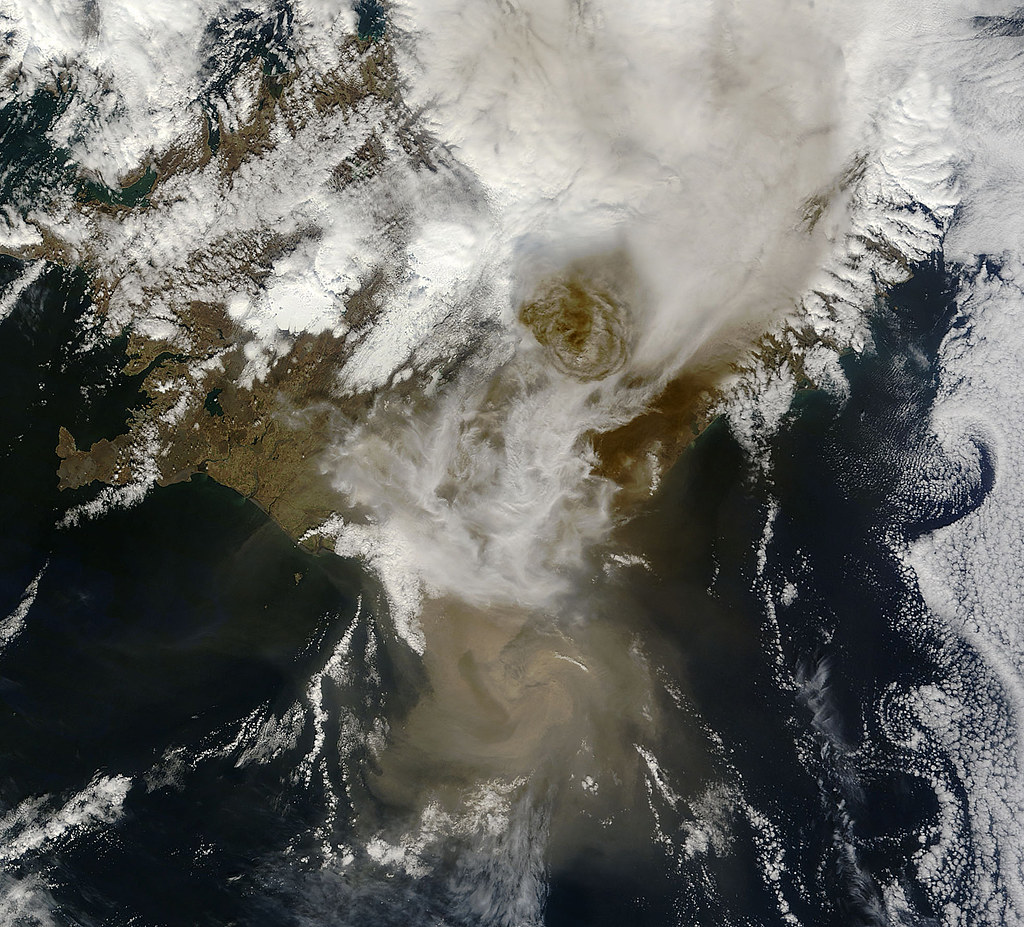
Kistufell is a classic stratovolcano located in Northeastern Iceland, part of the larger Bárðarbunga volcanic system renowned for its intense seismic activity. The mountain’s formation dates back to glacial periods, with at least three known eruptions—two occurring beneath thick ice sheets and one near the end of the last glaciation. These glacial eruptions sculpted Kistufell into a distinctive table-top mountain, although the final eruption partially altered its shape due to thinner ice coverage. Since then, Kistufell has remained dormant, showing only minor magmatic intrusions without surface eruptions. Its location directly above the Icelandic hotspot and within a major fissure swarm makes it a geological enigma, as it has not erupted during recent large basalt flood events. The volcano features solidified lava flows, ash deposits, and fumarolic activity in the region, reflecting its complex volcanic history.
The Volcano Trek: Terrain and Hiking Experience
Hiking Kistufell presents a varied and engaging terrain that challenges trekkers while rewarding them with spectacular views. The ascent begins across expansive lava fields, where the ground is uneven and strewn with jagged volcanic rocks. Trekkers must navigate carefully over these rough surfaces, which demand sturdy hiking boots with excellent grip. As the trail ascends, the terrain transitions to loose volcanic ash and pumice slopes, which can be slippery and require steady footing and sometimes the use of trekking poles for balance. The volcanic ash slopes are steep in sections, testing endurance and leg strength. Near the summit, hikers encounter solidified lava formations and rocky outcrops that require light scrambling. The ridge walk along the crater rim exposes trekkers to strong winds and sudden temperature changes, typical of Iceland’s highland climate. Altitude effects are mild due to the moderate elevation but can still cause breathlessness in less acclimatized individuals. The trail is well-marked but remote, so hikers should be prepared for limited shelter and rapidly changing weather conditions. Overall, the trek combines physical challenge with the surreal beauty of volcanic landscapes, making it a memorable adventure for those seeking to explore Iceland’s geological wonders.
What Makes This Volcano Trek Unique
Kistufell’s trek stands out due to its distinctive table-top shape and its location within the vast Bárðarbunga volcanic system. Unlike many Icelandic volcanoes, Kistufell offers panoramic views of both the immense Vatnajökull glacier and the towering Mount Snæfell, Iceland’s tallest freestanding mountain. The trek combines the stark beauty of volcanic deserts with glimpses of glacial ice, creating a rare juxtaposition of fire and ice. The mountain’s geological history, including glacial eruptions that shaped its form, adds a fascinating dimension to the hike. Additionally, the area is known for frequent earthquake swarms, providing a dynamic backdrop of ongoing tectonic activity. The availability of combined super jeep and hiking tours enhances accessibility and adventure, allowing visitors to experience the rugged terrain in multiple ways. Photographers and nature lovers find Kistufell especially rewarding for its unique volcanic formations and sweeping vistas.
The Summit and Crater Experience
Reaching the summit of Kistufell is a moment of awe and reflection. From the top, hikers are treated to sweeping 360-degree views that encompass Iceland’s dramatic volcanic landscapes and glacial expanses. The crater rim, though dormant, reveals layers of volcanic ash and hardened lava, telling the story of past eruptions. The air carries a faint scent of sulfur, a reminder of the mountain’s volcanic nature. The summit is often windy and cool, with the sound of the wind sweeping across the barren slopes adding to the sense of isolation. From here, the vastness of the Bárðarbunga fissure system is visible, along with the distant Vatnajökull ice cap, creating a breathtaking panorama that captures the raw power and beauty of Iceland’s geology.
Best Time to Trek Kistufell Volcano
The optimal trekking season for Kistufell is from June to September when the weather is milder and the trails are free of snow. During these months, temperatures typically range from 5°C to 15°C, providing comfortable conditions for hiking. Summer days offer extended daylight hours, allowing for flexible trekking schedules and the opportunity to witness midnight sun phenomena. Outside this window, the highland roads and trails are often inaccessible due to snow and harsh weather. Trekkers should also consider weather forecasts carefully, as Iceland’s climate can change rapidly, with sudden storms and strong winds common even in summer. Volcanic monitoring is continuous in the region, but no current restrictions affect access to Kistufell. Early morning climbs are recommended to avoid afternoon winds and to enjoy clearer views.
Trekking Routes and Trail Options
The primary route to Kistufell’s summit begins at the base near the mountain’s eastern slopes, accessible via self-drive or guided super jeep tours. The trail is approximately 6 to 8 kilometers round-trip, with an elevation gain of about 450 meters. The path is moderately steep, marked with cairns and occasional trail signs. Hikers can choose to ascend directly via the ash slopes or take a slightly longer route that winds through lava fields, offering varied terrain and scenic viewpoints. Guided tours often combine super jeep rides with hiking segments, providing access to less accessible trailheads and enhancing the overall experience. For those undertaking the Iceland Traverse, Kistufell serves as a notable waypoint, with emergency huts nearby for shelter. The trail is suitable for self-guided hikers with moderate experience, but local guides from companies like Icelandic Mountain Guides and Arctic Adventures offer expert-led treks that include geological insights and safety support. Seasonal trail conditions can affect route choice, with some paths becoming slippery or obscured after rain.
Difficulty Assessment
Kistufell is classified as a moderate volcano trek. The terrain includes uneven lava fields, steep ash slopes, and rocky scrambling sections that require good physical fitness and sure-footedness. While technical climbing skills are not necessary, hikers should be comfortable with loose volcanic material and exposed ridge walking. Altitude is moderate, so altitude sickness is uncommon, but the Arctic environment can present challenges such as strong winds and rapid weather changes. The trek is suitable for hikers with prior mountain experience and a reasonable level of endurance. Beginners are advised to consider guided tours for added safety and support. Overall, Kistufell offers a rewarding challenge without requiring specialized mountaineering equipment.
Essential Volcano Trekking Gear
For a safe and comfortable hike on Kistufell, essential gear includes sturdy hiking boots with good ankle support and grip to handle rocky and loose terrain. Trekking poles are highly recommended to aid balance on steep ash slopes. A windproof and waterproof jacket is necessary due to Iceland’s unpredictable weather. Layered clothing helps manage temperature fluctuations. A headlamp is useful for early morning or late evening treks during the extended daylight hours. Sun protection, including sunglasses and sunscreen, is important as volcanic landscapes offer little shade. Carry sufficient water and high-energy snacks, as there are no facilities on the trail. While gas masks are generally not required, hikers should be aware of volcanic gas advisories. A map or GPS device is advisable, especially for self-guided hikers, along with a first aid kit and emergency blanket.
Safety and Volcanic Hazards
While Kistufell is currently dormant, it lies within the active Bárðarbunga volcanic system, known for frequent earthquake swarms and potential fissure eruptions. Hikers should stay informed of volcanic activity updates from the Icelandic Meteorological Office. The terrain includes unstable loose ash slopes and sharp volcanic rocks, posing risks of slips and falls. Crater edges can be unstable and should be approached with caution. Sudden weather changes, including strong winds and rain, can increase hazards on exposed ridges. It is advisable to hike with a guide or in groups, carry communication devices, and inform others of your plans. Emergency huts near the trail provide shelter in case of sudden weather deterioration. Monitoring agencies maintain continuous surveillance, and hikers should heed official warnings and avoid restricted areas during heightened volcanic unrest.
Permits, Guides, and Logistics
No special permits are required to hike Kistufell, making it accessible for independent trekkers. However, the mountain is located in a remote highland area where weather and trail conditions can be challenging. Many visitors opt for guided tours to enhance safety and gain expert knowledge. Notable tour operators offering hiking and super jeep tours to Kistufell include Icelandic Mountain Guides, Arctic Adventures, and 10Adventures. These companies provide professional guides trained in volcanic terrain navigation and safety protocols. Guided tours often include transportation from nearby towns, equipment rental, and detailed briefings on volcanic hazards and geology. For self-drive visitors, access is possible via highland roads open during summer months, but a 4×4 vehicle is recommended due to rough terrain. Emergency huts near Kistufell offer shelter but require prior booking through local tourism platforms. Visitors should plan logistics carefully, considering weather forecasts and daylight hours. Park entry fees are not applicable, but some guided tours include insurance and safety equipment. Booking in advance is advised during peak season to secure spots with reputable operators.
Where to Stay Near Kistufell and Nearby Bases
Accommodation options near Kistufell are limited due to its remote location in Northeastern Iceland’s highlands. The closest towns offering lodging include Reykjahlid and Akureyri, both approximately 1 to 2 hours’ drive away. Reykjahlid provides guesthouses and small hotels, serving as a convenient base for day trips to Kistufell and surrounding volcanic sites. Akureyri, Iceland’s second-largest city, offers a wider range of accommodations, from budget hostels to upscale hotels, along with amenities such as restaurants and gear shops. For those seeking rustic experiences closer to the mountain, emergency mountain huts are available near Kistufell, providing basic shelter for trekkers; however, these require advance reservation and are best suited for experienced hikers prepared for minimal facilities. Camping is possible in designated areas, but weather conditions can be harsh. Many guided tours include overnight stays in mountain huts or campsites along the route. Visitors are advised to book accommodations well in advance during the summer season. Staying in Akureyri or Reykjahlid allows for convenient access to tour operators, vehicle rentals, and local services essential for a successful volcano trekking adventure.