Technical Mountaineering on Grímsvötn Volcano: Iceland’s Most Active Subglacial Volcano Trekking Guide
Grímsvötn is Iceland’s most frequently erupting subglacial stratovolcano, hidden beneath the vast Vatnajökull glacier. This guide covers the volcano’s geology, the challenging technical mountaineering trek, safety considerations, and logistics for experienced adventurers seeking to explore one of Europe’s most dynamic volcanic landscapes.
Quick Volcano Snapshot
| Attribute | Value |
|---|---|
| Volcano type | Subglacial stratovolcano |
| Elevation | 1725 m (5,659 ft) |
| Location | Southeastern Iceland, beneath Vatnajökull glacier |
| Activity status | Active |
| Trekking difficulty | Technical mountaineering |
| Typical trek duration | Varies; multi-day expeditions with glacier travel |
| Altitude gain | Up to 1000 m above sea level |
| Terrain type | Glacier ice, volcanic ash, subglacial caldera, ice fields |
| Best season | Summer months (June to August) with stable weather |
| Temperature range | -5°C to 10°C in summer; colder in other seasons |
| Permit requirement | Strict permits required; access limited to experienced guides and researchers |
Introduction: The Experience of Hiking Grímsvötn Volcano
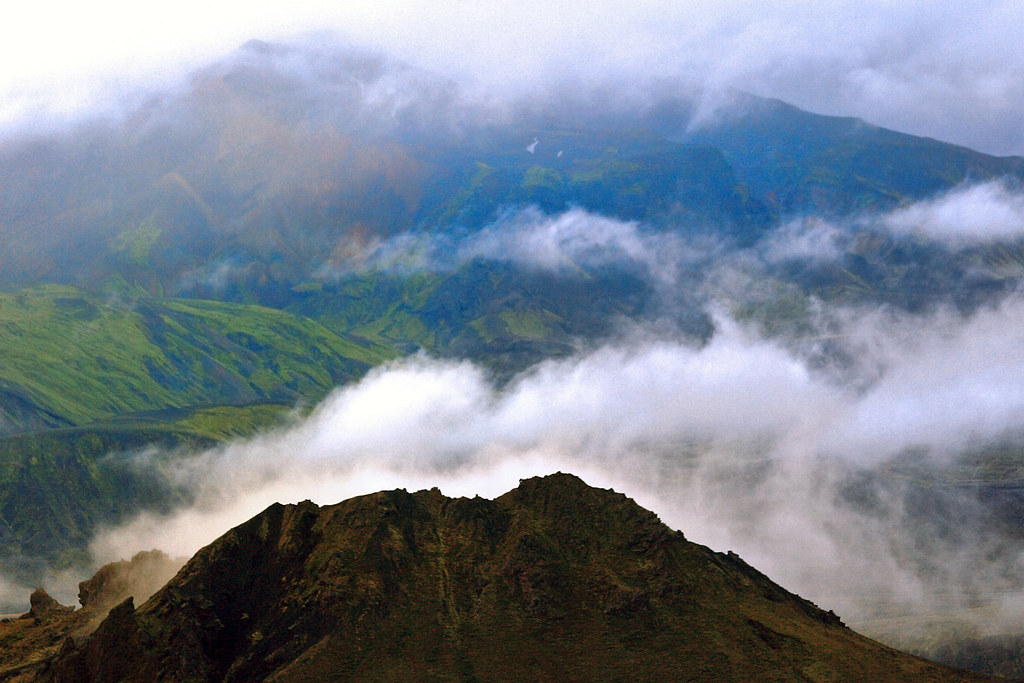
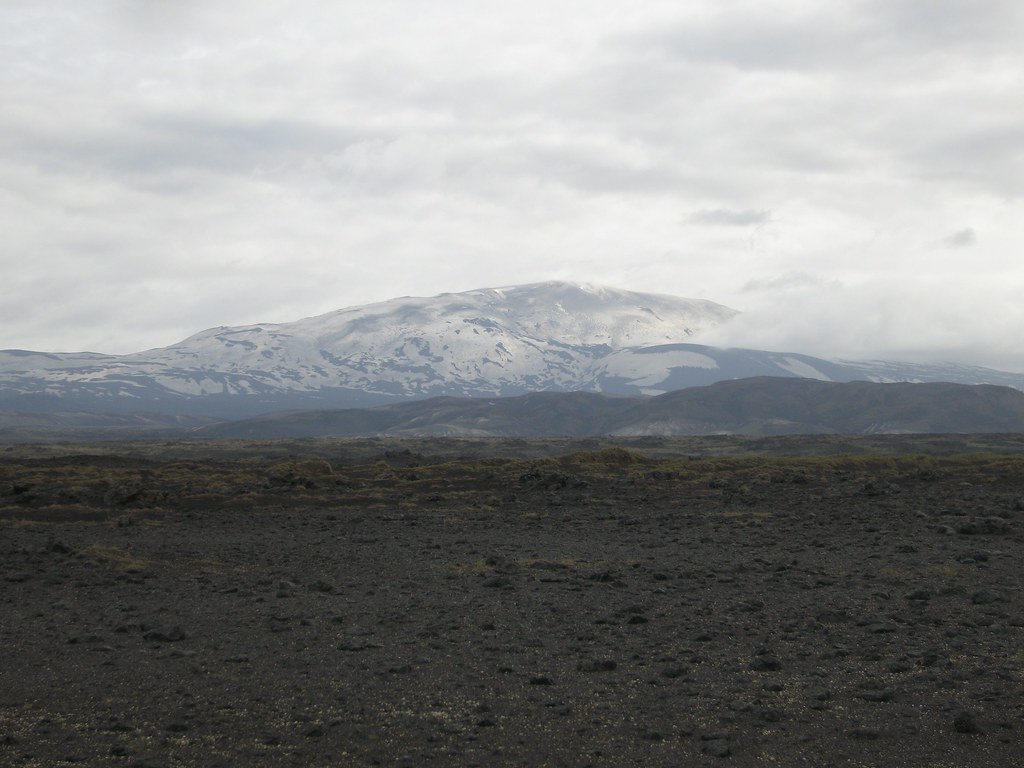
Approaching Grímsvötn is an encounter with raw geological power beneath a vast ice sheet. The landscape is dominated by the immense Vatnajökull glacier, beneath which the volcano churns silently. The trek demands technical mountaineering skills as hikers navigate crevassed glaciers and unstable ice. The contrast between the icy expanse and the volcanic heat beneath creates a surreal atmosphere. Reaching the subglacial caldera offers a rare glimpse into a hidden world where fire meets ice, evoking awe and respect for nature’s forces.
The Volcano Itself: Geological Background
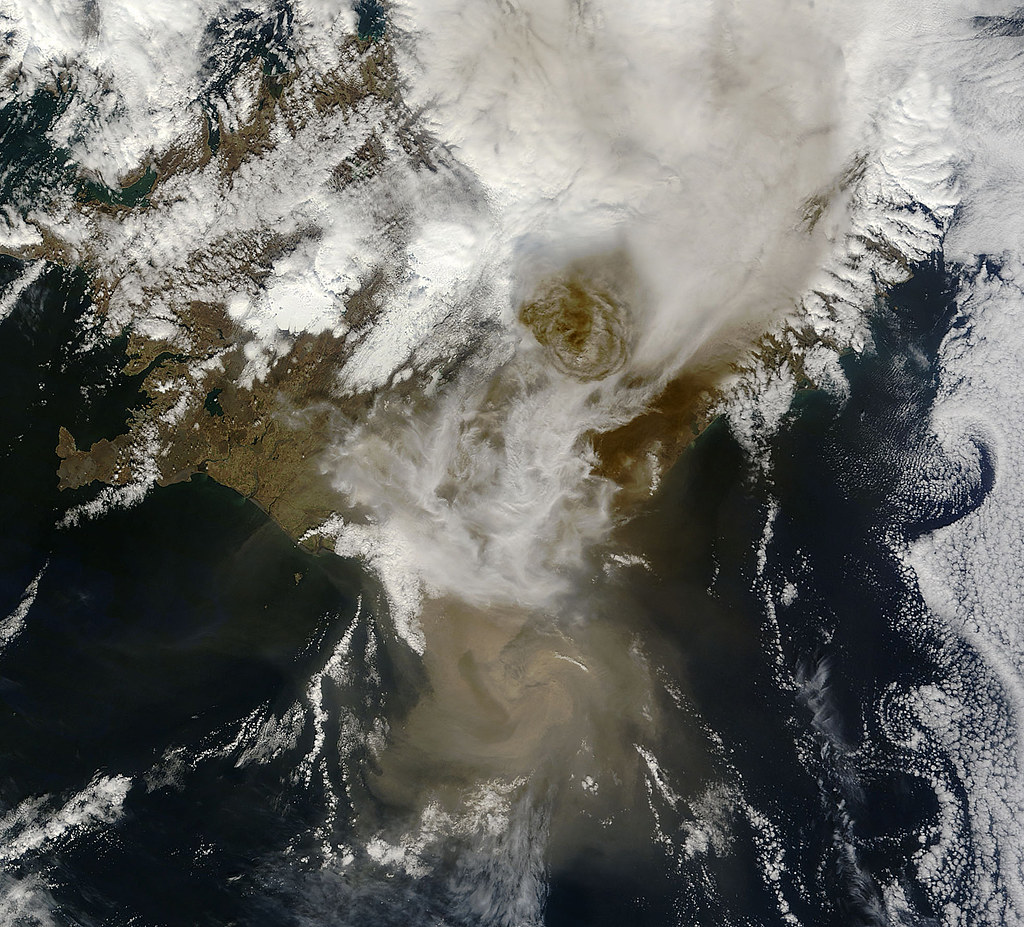
Grímsvötn is a basaltic subglacial stratovolcano located beneath the northwestern edge of Vatnajökull, Europe’s largest glacier. Its volcanic system includes a large caldera approximately 8 kilometers in diameter, buried under hundreds of meters of ice. The volcano is part of a fissure system that includes the historic Laki fissure, responsible for the massive 1783-1784 eruption that had global climatic impacts. Most eruptions at Grímsvötn are subglacial, where magma interacts explosively with meltwater, producing ash plumes and jökulhlaups—glacial outburst floods. The volcano’s activity is closely monitored due to its frequent eruptions and potential hazards. Its magma chamber lies beneath the ice, fueling eruptions that shape Iceland’s landscape and influence global weather patterns.
The Volcano Trek: Terrain and Hiking Experience
Trekking Grímsvötn is a demanding technical mountaineering challenge, suitable only for experienced climbers equipped for glacier travel. The terrain is dominated by the Vatnajökull glacier’s thick ice, crevasses, and snowfields, combined with volcanic ash and rugged subglacial topography. Hikers must navigate unstable ice surfaces, deep crevasses, and potentially shifting snow bridges. The volcanic heat beneath the glacier creates meltwater channels and unstable ice formations, adding complexity to route finding. Weather conditions can change rapidly, with strong winds, low temperatures, and poor visibility common. The ascent involves steep glacier slopes and requires proficiency with crampons, ice axes, and rope techniques for glacier safety. The volcanic ash and pumice deposits can be loose and slippery, demanding careful footing. Altitude gain is moderate but combined with the technical glacier environment, the trek is physically and mentally taxing. The experience is unique, blending the stark icy wilderness with the underlying volcanic activity, offering a rare adventure into one of Iceland’s most active and hidden volcanoes.

What Makes This Volcano Trek Unique
Grímsvötn’s uniqueness lies in its status as Iceland’s most active volcano, hidden beneath the massive Vatnajökull glacier. The subglacial eruptions produce explosive interactions between magma and ice, creating spectacular ash plumes and jökulhlaups. Unlike exposed volcanoes, Grímsvötn’s volcanic activity is cloaked beneath ice, offering a rare glimpse into subglacial volcanic processes. The trek combines glacier mountaineering with volcanic exploration, a blend rarely found elsewhere. The presence of geothermal heat beneath the ice creates dynamic landscapes, including meltwater lakes and steam vents. The volcano’s frequent eruptions and the resulting glacial floods have shaped the surrounding terrain dramatically. This interplay of fire and ice, combined with the remote and challenging environment, makes Grímsvötn a compelling destination for expert adventurers and volcanologists alike.
The Summit and Crater Experience
Reaching the subglacial caldera of Grímsvötn is a profound encounter with nature’s hidden forces. The summit area is covered by thick ice, but geothermal heat creates visible steam vents and fumaroles. The air carries the faint but distinct scent of sulfur, a reminder of the volcanic activity beneath. The ground may feel warm in places, contrasting with the surrounding ice. Views are dominated by the vast Vatnajökull glacier, with distant mountain peaks piercing the horizon. The sense of standing atop an active volcano concealed beneath kilometers of ice is humbling. The soundscape includes the hiss of escaping gases and the distant rumble of volcanic tremors. This sensory experience is both exhilarating and sobering, highlighting the power and unpredictability of subglacial volcanism.
Best Time to Trek Grímsvötn Volcano
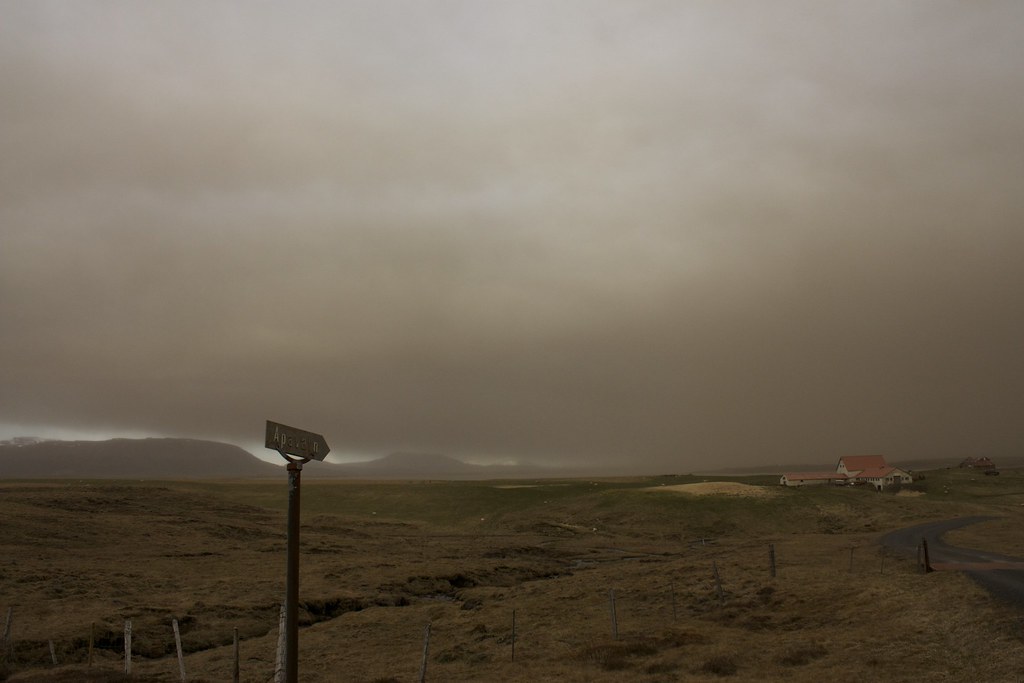
The optimal time to attempt a trek near Grímsvötn is during the Icelandic summer months, from June to August, when weather conditions are relatively stable and daylight is abundant. During this period, temperatures are milder, ranging from -5°C to 10°C, and snow conditions are more manageable. Winter and shoulder seasons present extreme cold, limited daylight, and increased avalanche risk, making trekking hazardous. Additionally, volcanic activity can occur unpredictably, so monitoring updates from Icelandic authorities is essential. Access is also dependent on glacier conditions and permit availability, which are typically restricted to summer. Planning a trek during this window maximizes safety and the chances of a successful expedition.
Trekking Routes and Trail Options
Access to Grímsvötn volcano is highly restricted due to its location beneath the Vatnajökull glacier and the technical challenges involved. There are no established public hiking trails leading directly to the volcano’s caldera. Expeditions typically involve glacier travel starting from the edges of Vatnajökull, requiring specialized equipment and experienced guides. The Icelandic Glacier Research Society maintains a cabin on Grímsfjall mountain, a protrusion of the volcano above the ice, but access is limited and requires prior permission. Guided glacier tours in the Vatnajökull region, offered by companies such as Katlatrack and Reykjavik Excursions, provide opportunities to explore nearby glacier landscapes and observe volcanic features safely. Helicopter tours are also available for aerial views of Grímsvötn and its surroundings. Due to the dynamic and hazardous environment, self-guided routes are not recommended, and all expeditions should be planned with professional guidance and official permits.
Difficulty Assessment
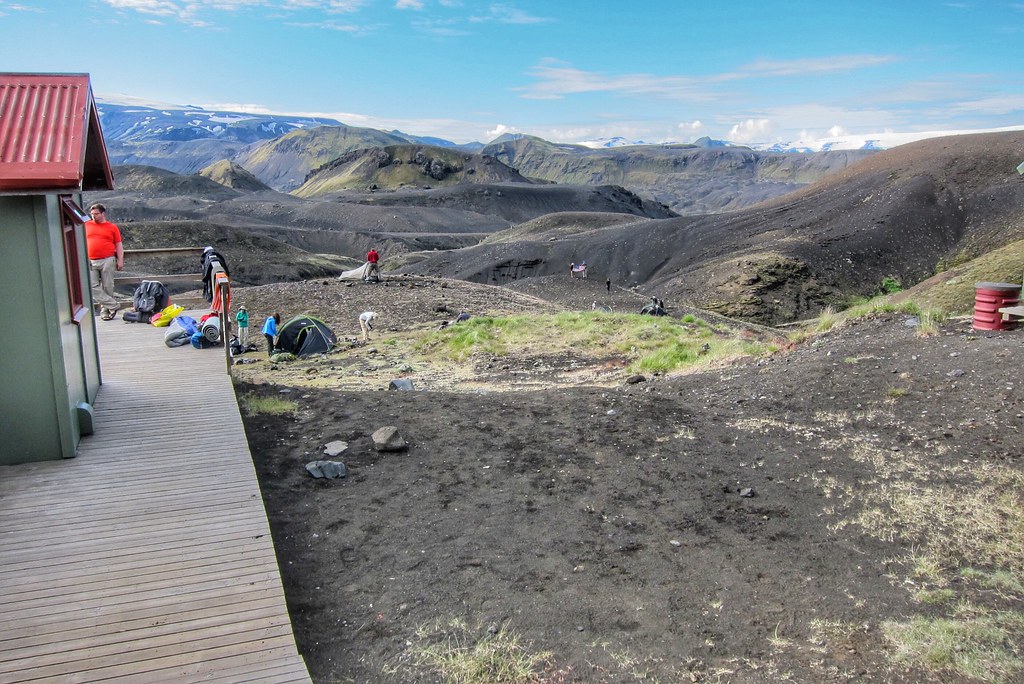
Grímsvötn demands technical mountaineering skills and is classified as a highly demanding volcano ascent. The trek involves glacier travel with crevasse navigation, requiring proficiency with crampons, ice axes, rope work, and glacier rescue techniques. The terrain includes unstable ice, volcanic ash deposits, and steep slopes. Altitude is moderate but combined with the technical challenges and harsh weather, the trek is physically strenuous. Only experienced mountaineers with proper equipment and training should attempt this climb. The risk of volcanic activity and glacial outburst floods adds complexity, necessitating careful planning and real-time monitoring. This is not a beginner or casual hike but an expedition for skilled adventurers and professionals.
Essential Volcano Trekking Gear
For a safe and successful trek on Grímsvötn, essential gear includes: crampons and ice axes for glacier travel; climbing harness and ropes for crevasse rescue; helmet to protect against falling ice or rocks; windproof and insulated clothing layers to withstand cold and wind; sturdy mountaineering boots compatible with crampons; gas mask or respirator to guard against volcanic gases if needed; GPS and communication devices for navigation and emergency contact; headlamp for low-light conditions; glacier sunglasses or goggles to protect against snow glare; hydration system and high-energy food; and emergency bivouac equipment. All gear should be tested and suitable for technical mountaineering in icy and volcanic environments.
Safety and Volcanic Hazards
Grímsvötn poses significant hazards due to its active subglacial volcanism and glacier environment. Volcanic gases such as sulfur dioxide can be toxic, requiring monitoring and possible use of respirators. The glacier terrain includes hidden crevasses and unstable ice bridges, demanding technical expertise and caution. Sudden jökulhlaups—glacial outburst floods—can occur during or after eruptions, releasing massive volumes of water and debris downstream. Eruptions can produce explosive ash plumes, affecting air quality and visibility. Weather changes rapidly, with strong winds and low temperatures increasing risk. The Icelandic Meteorological Office and Volcano Monitoring agencies provide real-time updates and warnings. Access is restricted to experienced guides and researchers to mitigate risks. Emergency plans and communication devices are essential for safety.
Permits, Guides, and Logistics
Access to Grímsvötn volcano is strictly regulated due to its hazardous subglacial environment and active volcanic status. Visitors must obtain permits from the Icelandic Glacier Research Society or relevant authorities before attempting any expedition. Independent travel on the glacier is prohibited without expert guidance. Several specialized tour operators offer guided glacier hikes and technical mountaineering expeditions in the Vatnajökull region, including Katlatrack Glacier Hiking Tours, Reykjavik Excursions, and Volcano Trails Iceland. These operators provide experienced guides, necessary equipment, and safety briefings tailored to the challenging conditions. Logistics involve traveling to southeastern Iceland, typically via Reykjavik, then driving to Vatnajökull National Park. Due to the remote location, expeditions require careful planning for transport, weather windows, and emergency contingencies. Helicopter tours are also available for aerial exploration without glacier travel. Costs vary widely depending on the length and technicality of the tour but expect premium pricing for expert-led glacier and volcano expeditions. Visitors should prepare for limited infrastructure and prioritize safety and environmental protection.
Where to Stay and Nearby Bases
Accommodation options near Grímsvötn are limited due to its remote location beneath Vatnajökull glacier. The closest settlements with lodging are in southeastern Iceland, including the towns of Höfn and Kirkjubæjarklaustur, which offer hotels, guesthouses, and hostels with amenities such as restaurants and gear rental. These towns serve as practical bases for organizing guided tours and expeditions. Within Vatnajökull National Park, there are mountain huts and research cabins, such as the Icelandic Glacier Research Society’s cabin on Grímsfjall mountain, but access is highly restricted and requires prior permission. For travelers seeking proximity to glacier activities, several tour operators provide transport from these towns to glacier access points. Due to the technical nature of Grímsvötn expeditions, most visitors stay in well-equipped accommodations in nearby towns before and after their treks. Planning for multi-day stays is recommended to accommodate weather variability and expedition logistics.