Trekking Katla Volcano: A Demanding Adventure on Iceland’s Mighty Subglacial Giant
Katla Volcano, a powerful subglacial stratovolcano beneath the Mýrdalsjökull glacier in South Iceland, offers a demanding and unique trekking experience. This guide covers the geological background, terrain challenges, routes, safety, permits, accommodations, and tour operators for exploring this iconic Icelandic volcano.
Quick Volcano Snapshot
| Attribute | Value |
|---|---|
| Volcano type | Subglacial stratovolcano |
| Elevation | Approximately 1,512 meters (estimated from Mýrdalsjökull glacier height) |
| Location | South Iceland, beneath Mýrdalsjökull glacier |
| Activity status | Active |
| Trekking difficulty | Demanding |
| Typical trek duration | 3 to 8 hours depending on route and tour |
| Altitude gain | Varies; glacier hikes involve elevation changes up to 300-500 meters |
| Terrain type | Glacier ice, volcanic ash, lava fields, ice caves, rugged volcanic terrain |
| Best season | June to September for glacier hiking; winter tours available for ice caves with caution |
| Temperature range | -5°C to 10°C (varies seasonally and with altitude) |
| Permit requirement | No special permits required but guided tours recommended for safety |
The Experience of Hiking Katla Volcano
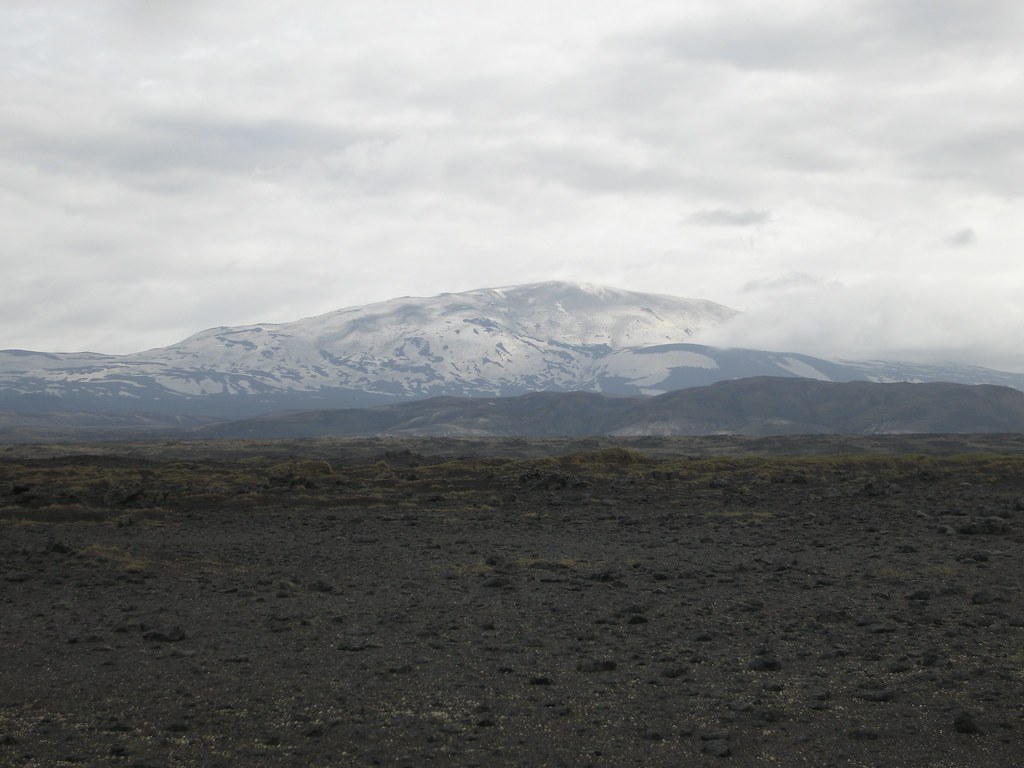
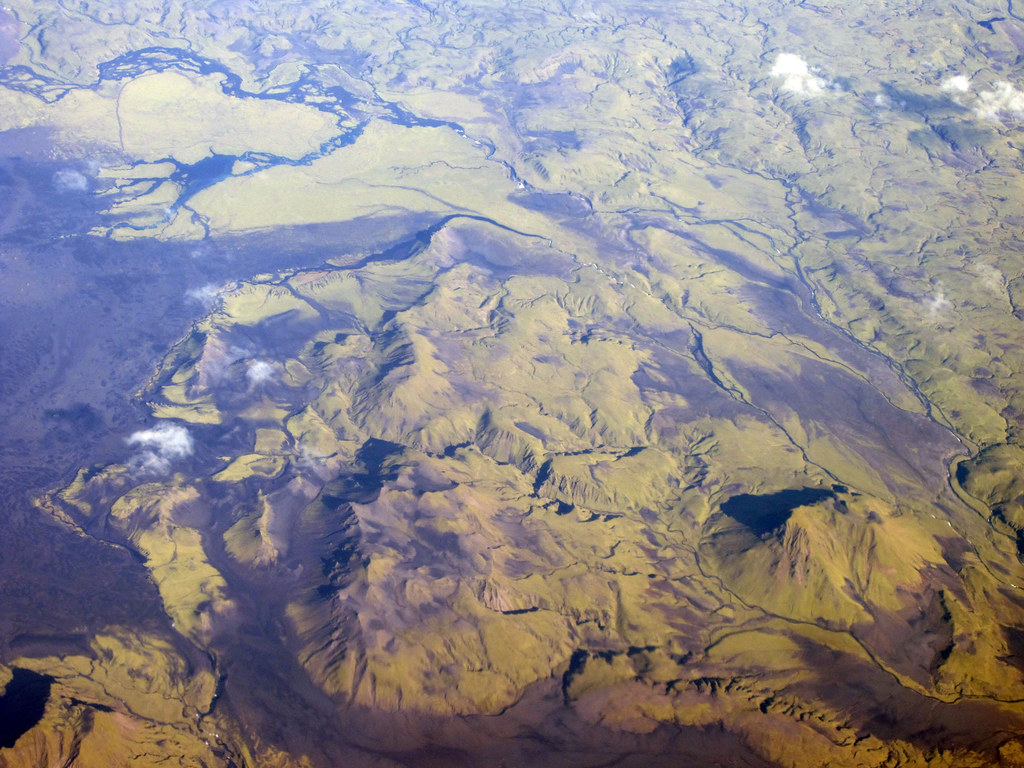
Approaching Katla Volcano is stepping into a realm where fire and ice collide in dramatic fashion. The vast Mýrdalsjökull glacier blankets this mighty subglacial stratovolcano, creating a surreal landscape of shimmering blue ice streaked with volcanic ash. Trekking here means navigating a dynamic environment shaped by powerful geological forces. The contrast between the icy glacier surface and the dark volcanic terrain beneath evokes a profound sense of nature’s raw power. Reaching the edge of Katla or venturing into its ice caves offers an emotional crescendo — a moment to witness the hidden heart of one of Iceland’s most active and formidable volcanoes.
Geological Background of Katla Volcano
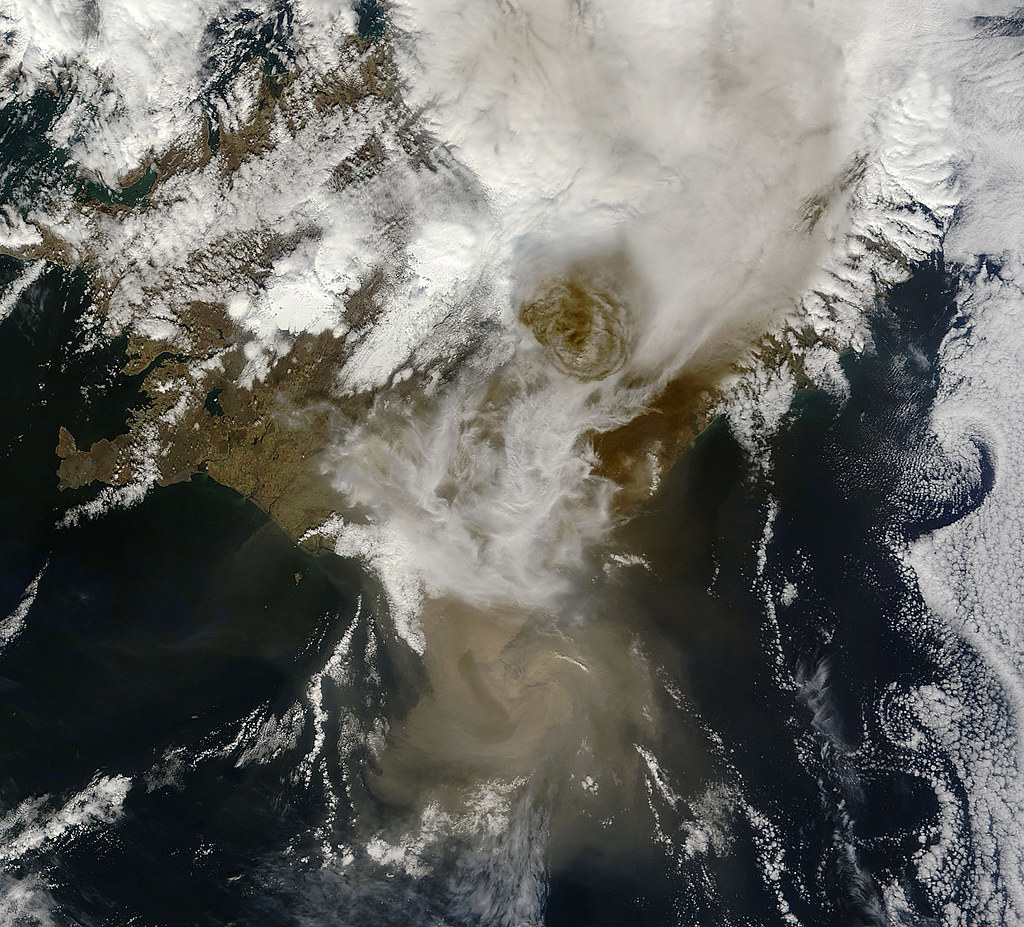
Katla is a massive subglacial stratovolcano located beneath the Mýrdalsjökull glacier in South Iceland. It is one of Iceland’s largest and most active volcanoes, with a caldera approximately 10 kilometers wide hidden beneath thick ice. Katla formed along the East Volcanic Zone, sharing a volcanic system with the nearby Eyjafjallajökull volcano. Its eruptions are known for their explosive power, often melting large volumes of glacier ice and triggering catastrophic glacial floods called jökulhlaups. Historical records document over 20 eruptions since the 10th century, with the last major eruption occurring in 1918. The volcano’s activity is closely monitored due to its potential for significant geological and climatic impact. Katla’s eruptions produce a mix of basaltic and andesitic lava flows, tephra layers, and extensive ash deposits, shaping the surrounding landscape and influencing Iceland’s volcanic history.
Terrain and Hiking Experience on Katla Volcano
Trekking Katla Volcano is a demanding adventure that combines glacier hiking, volcanic terrain navigation, and exposure to dynamic natural forces. The terrain is diverse and challenging, beginning with the expansive Mýrdalsjökull glacier that covers the volcano. Hikers typically start at glacier edges such as Sólheimajökull or Kötlujökull, where they equip themselves with crampons, helmets, and ice axes. The glacier surface features crevasses, moulins, and ice formations that require careful navigation under the guidance of experienced glacier guides. Walking on ice demands steady footing and awareness of hidden hazards beneath the surface.
Beyond the glacier, the volcanic terrain includes loose volcanic ash, black sand plains, and rugged lava fields. These areas can be slippery and unstable, requiring good hiking boots with strong grip and trekking poles for balance. The volcanic ash slopes are steep and loose, often causing hikers to slide during ascent or descent, which adds to the physical challenge. The landscape is stark and exposed, with little vegetation, intensifying the feeling of isolation and raw nature.
Altitude gain varies but can reach several hundred meters depending on the route. The elevation and cold temperatures can cause rapid weather changes, including strong winds and sudden drops in temperature, so hikers must be prepared for harsh conditions. The combination of glacier ice and volcanic rock creates a unique hiking experience that tests endurance, technical skills, and adaptability.
The hike often includes exploring ice caves formed by volcanic heat melting the glacier from below. These caves are mesmerizing with their vivid blue ice walls streaked with black volcanic ash, but they are unstable and require expert guidance and safety equipment. The overall experience is one of awe and respect for the powerful geological forces shaping this landscape. Trekkers should expect a physically demanding route with spectacular views, intense natural beauty, and a profound connection to Iceland’s volcanic heart.
What Makes the Katla Volcano Trek Unique
Katla Volcano’s trek is unique due to its subglacial nature, combining the thrill of glacier hiking with the mystery of an active volcano hidden beneath ice. The presence of natural ice caves formed by volcanic heat creates a rare opportunity to explore vivid blue ice formations layered with volcanic ash, a phenomenon found in few places worldwide. The vast caldera beneath the glacier and the potential for explosive eruptions add an element of geological drama.
The landscape around Katla is a striking contrast of black volcanic sands, rugged lava fields, and pristine ice, offering a surreal environment that feels otherworldly. The volcano’s history of powerful eruptions and glacial floods adds a sense of anticipation and respect for the forces at play. Additionally, the proximity to Iceland’s South Coast and the village of Vík provides access to stunning coastal views and other natural wonders, making the trek part of a broader adventure in one of the planet’s most geologically active regions.
The Summit and Crater Experience on Katla
Reaching the summit or crater rim of Katla is a rare and exhilarating experience. Due to the glacier cover, the actual volcanic crater is hidden beneath thick ice, but vantage points on surrounding ridges and glacier edges offer panoramic views of the vast ice cap and the volcanic landscape. The air is crisp and cold, carrying the faint scent of sulfur from fumaroles beneath the ice. The sound of cracking ice and distant rumblings may be heard, a reminder of the volcano’s restless nature.
Standing here, hikers witness the immense scale of the caldera and the interplay between fire and ice. The blue ice caves nearby shimmer with ethereal light, and the black ash streaks tell stories of past eruptions. The experience is both humbling and awe-inspiring, connecting visitors to the primal forces shaping the Earth beneath their feet.
Best Time to Trek Katla Volcano
The best time to trek Katla Volcano is during the summer months, from June to September, when weather conditions are milder and daylight hours are extended. During this period, glacier hiking and ice cave tours are more accessible and safer due to reduced snow cover and more stable ice conditions. Temperatures typically range from just below freezing to around 10°C, but weather can change rapidly.
Winter tours are available but require specialized equipment and experienced guides due to harsher conditions, shorter daylight, and increased avalanche risk. Visitors should be aware that volcanic activity can affect access; Katla is closely monitored, and tours may be suspended if increased volcanic unrest is detected. Early morning or late evening tours can offer spectacular lighting for photography but require preparation for colder temperatures and limited visibility.
Trekking Routes and Trail Options on Katla Volcano
Katla Volcano offers several trekking and tour options, primarily focused on glacier hikes and ice cave explorations. The most popular starting points are near the village of Vík and the Sólheimajökull glacier, an outlet of Mýrdalsjökull.
1. Katla Ice Cave Tour: This guided tour departs from Vík or Reykjavík, involving a Super Jeep transfer across volcanic terrain to the Kötlujökull glacier. Participants explore the stunning blue ice caves formed by volcanic heat beneath the glacier. The tour lasts approximately 2.5 to 3 hours and includes all safety gear and expert guidance. This route is suitable for most fitness levels but requires caution inside the caves.
2. Glacier Hiking on Sólheimajökull: A 3-hour guided hike on the Sólheimajökull glacier offers an accessible glacier experience with crampons and ice axes. The route features crevasses, ice formations, and panoramic views of the South Coast. This hike is moderate in difficulty and suitable for beginners with proper guidance.
3. Þórsmörk Super Jeep and Hiking Tours: For more adventurous trekkers, tours combine Super Jeep rides with hiking in the Þórsmörk valley, near Katla’s volcanic region. These tours last 6 to 8 hours and explore rugged volcanic landscapes, braided rivers, and mountain trails.
4. Self-Guided Exploration: Due to the challenging and potentially hazardous terrain, self-guided trekking on Katla is not recommended. Access to the glacier and ice caves requires specialized equipment and knowledge.
All routes emphasize safety and environmental respect, with local guides providing insights into Katla’s geology, history, and current volcanic activity.
Difficulty Assessment of Katla Volcano Trek
Katla Volcano trekking is classified as a demanding volcano ascent due to the combination of glacier travel, volcanic terrain, and unpredictable weather. The glacier hiking sections require physical fitness, balance, and the ability to use crampons and ice axes. Navigating crevasses and ice formations demands attention and guidance from certified glacier guides.
The volcanic ash slopes and lava fields add technical challenges, with loose footing and steep gradients. Altitude is moderate but combined with cold temperatures and wind exposure, it can increase fatigue. The trek is unsuitable for beginners without prior glacier hiking experience or proper equipment.
Overall, trekkers should be in good physical condition, prepared for demanding conditions, and willing to follow safety protocols. Guided tours are strongly recommended to mitigate risks and enhance the experience.
Essential Volcano Trekking Gear for Katla
Proper gear is critical for a safe and enjoyable trek on Katla Volcano. Essential items include sturdy hiking boots with excellent grip and ankle support, suitable for glacier and volcanic terrain. Crampons and an ice axe are mandatory for glacier travel and are typically provided by tour operators.
Additional gear includes a helmet for protection against falling ice or rocks, windproof and waterproof outer layers to guard against harsh weather, and thermal clothing for insulation. Trekking poles can aid balance on loose volcanic ash and uneven ground.
A gas mask or respirator is generally not required but may be useful if volcanic gases are present. Headlamps are recommended for early morning or late evening tours. Sun protection, including sunglasses and sunscreen, is important due to high UV exposure on ice and snow. Hydration systems and snacks are essential for energy during demanding hikes.
Safety and Volcanic Hazards on Katla Volcano
Katla Volcano is actively monitored by the Icelandic Meteorological Office, which provides real-time data on seismic activity and volcanic unrest. While the volcano is considered active and overdue for an eruption, tours are suspended promptly if increased risk is detected.
Volcanic hazards include sudden eruptions, glacial floods (jökulhlaups) caused by melting ice, and the release of volcanic gases such as sulfur dioxide. Glacier hiking presents risks of crevasses, ice falls, and unstable ice caves. Loose volcanic ash and rock can cause slips and falls.
Safety protocols require all visitors to be accompanied by certified guides equipped with safety gear. Tour operators conduct thorough briefings and continuously assess conditions. Visitors should follow instructions carefully, stay on marked routes, and be prepared for rapid weather changes. Emergency services in the region are well-equipped but remote terrain can delay response times.
Permits, Guides, and Logistics for Visiting Katla Volcano
Visiting Katla Volcano does not require special permits; however, due to the challenging and hazardous environment, all glacier hikes and ice cave explorations must be conducted with certified guides. Independent access to the glacier and volcanic terrain is strongly discouraged for safety reasons.
Several reputable tour operators specialize in Katla adventures, including Katlatrack, Troll Expeditions, Adventures.is, Megan Starr Tours, and Tours Iceland. These companies provide comprehensive packages that include transportation from Reykjavík or Vík, safety gear such as crampons, helmets, and ice axes, and expert guidance.
Tour durations vary from short 2.5 to 3-hour ice cave tours to full-day Super Jeep and hiking excursions lasting up to 8 hours. Prices range from approximately 29,900 ISK for shorter tours to higher rates for private or extended experiences.
Logistically, reaching Katla involves a roughly 3-hour drive from Reykjavík along the Ring Road to the South Coast, followed by transfers over rough volcanic terrain via Super Jeep. Meeting points are typically in Vík or Reykjavík, with some tours offering hotel pick-up.
Visitors should book tours in advance, especially during peak summer months. Weather conditions can affect schedules, and cancellations may occur due to volcanic activity or unsafe glacier conditions. Tour operators maintain strict safety standards and coordinate with Icelandic authorities to ensure visitor protection.
In summary, guided tours are essential for a safe and enriching Katla experience, providing access to hidden ice caves, glacier hikes, and volcanic landscapes with expert knowledge and logistical support.
Where to Stay Near Katla Volcano
The village of Vík í Mýrdal is the primary base for exploring Katla Volcano, offering a range of accommodations from guesthouses to hotels. Vík is located approximately 20 kilometers east of the glacier edge and provides convenient access to tour meeting points.
Popular accommodations include the Icelandair Hotel Vík, known for comfortable rooms and modern amenities, and the Vík Hostel, which offers budget-friendly dormitory and private rooms. Both provide easy access to local services and dining options.
For a more immersive nature experience, Volcano Huts Þórsmörk, located in the nearby Þórsmörk nature reserve, offers mountain huts, glamping tents, and camping facilities surrounded by volcanic landscapes. The LavaGrill restaurant on-site serves hearty Icelandic meals, and guests can enjoy natural hot pools and sauna facilities.
Midgard Base Camp near Hvolsvöllur town is another excellent option, featuring hostel and hotel-style accommodations with amenities such as a rooftop hot tub, sauna, and an on-site restaurant. It serves as a hub for adventure travelers exploring South Iceland’s volcanoes and glaciers.
Landhotel South Iceland, about 25 minutes from Hella, offers modern comforts with expansive countryside views and is well-suited for travelers seeking a quieter retreat.
All these accommodations provide access to local tour operators and transportation options. Staying in Vík or nearby bases ensures proximity to Katla tours, restaurants, and essential services while allowing travelers to experience Iceland’s stunning South Coast scenery.