
Hiking Hekla Volcano: The Ultimate Guide to Iceland’s Gateway to Hell
Hekla Volcano, Iceland’s most active stratovolcano, offers a demanding and thrilling trekking experience across rugged lava fields and ash slopes. This guide covers geological background, terrain challenges, safety, routes, permits, logistics, and accommodation options near Hekla for adventurous volcano hikers.
Quick Volcano Snapshot
| Attribute | Value |
|---|---|
| Volcano type | Stratovolcano |
| Elevation | 1491 meters (4892 feet) |
| Location | South Iceland, Iceland |
| Activity status | Active |
| Trekking difficulty | Demanding |
| Typical trek duration | 4-5 hours round-trip |
| Altitude gain | Approximately 500 meters |
| Terrain type | Rugged lava fields, ash slopes, volcanic rock |
| Best season | Late June to early September |
| Temperature range | 0°C to 15°C (32°F to 59°F) in summer; colder at summit |
| Permit requirement | No formal permit required but guided tours recommended |
Introduction: The Experience of Hiking Hekla Volcano
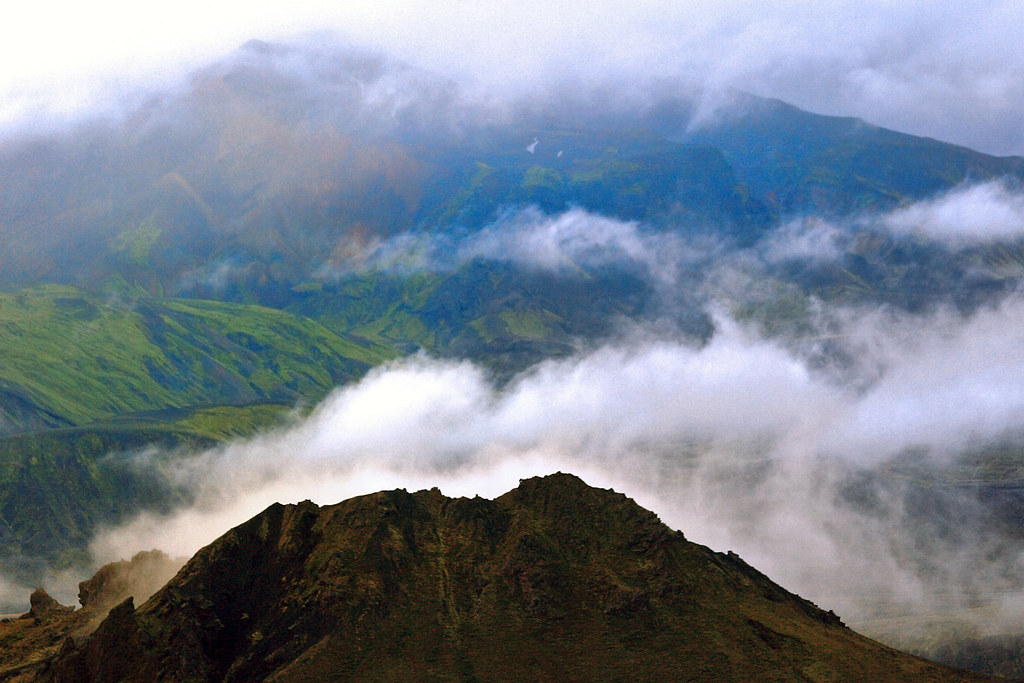
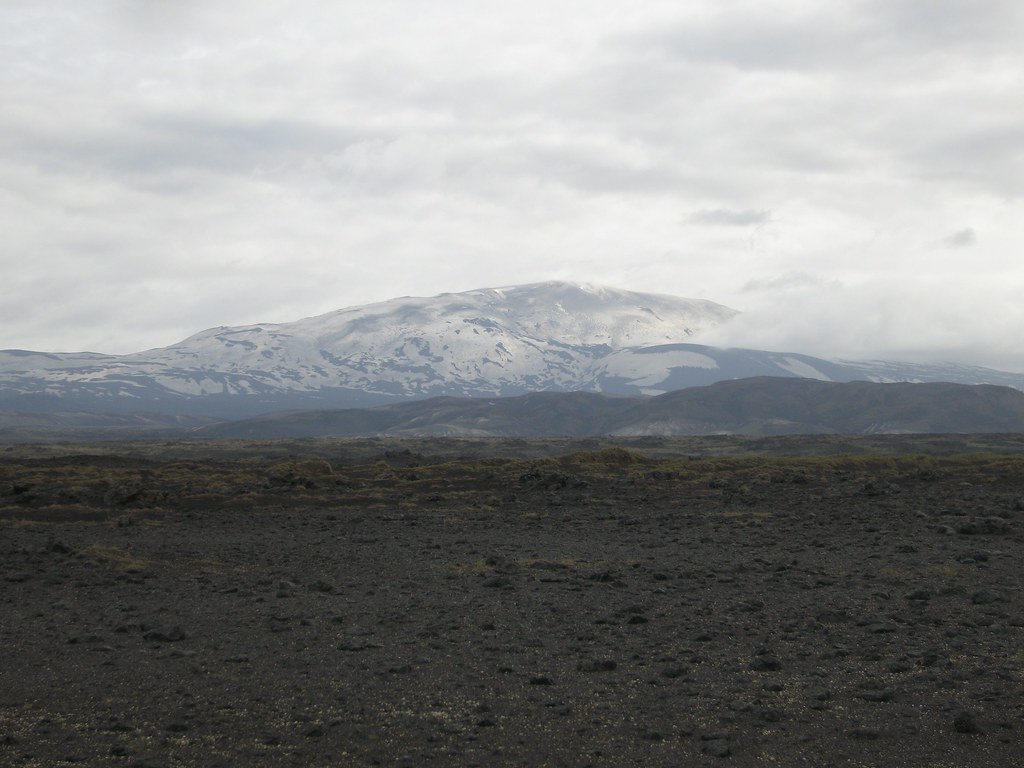
Approaching Hekla Volcano, the landscape unfolds into a dramatic tableau of black lava fields and ash-strewn slopes. The air carries a faint sulfuric tang, a reminder of the mountain’s restless nature. Hiking Hekla is an immersion into raw geological power, where centuries of eruptions have sculpted a stark, otherworldly terrain. The climb challenges both body and mind, with shifting weather and rugged ground demanding focus. Reaching the crater rim, hikers are rewarded with sweeping views of Iceland’s highlands, glaciers, and volcanic scars — a humbling encounter with the Earth’s fiery heart.
The Volcano Itself: Geological Background
Hekla is a stratovolcano forming part of a 40-kilometer-long volcanic ridge in South Iceland. Its unique shape and eruptive behavior set it apart from other volcanoes worldwide. The volcano’s most active segment, Heklugjá, is a 5.5-kilometer fissure beneath the summit that feeds eruptions. Since the first recorded eruption in 874 AD, Hekla has erupted over 20 times, with some eruptions lasting months or even years. Its eruptions have shaped more than 10% of Iceland’s landmass in the last millennium. The volcano’s ash clouds have historically affected European climate, notably the massive 1159 eruption that cooled crops across the continent. Hekla’s surface features include multiple craters, lava flows, fumaroles, and sulfur deposits, creating a dynamic and hazardous environment. Despite its activity, Hekla is aseismic, often giving only minutes to hours of warning before erupting, earning its medieval nickname, the “Gateway to Hell.”
The Volcano Trek: Terrain and Hiking Experience
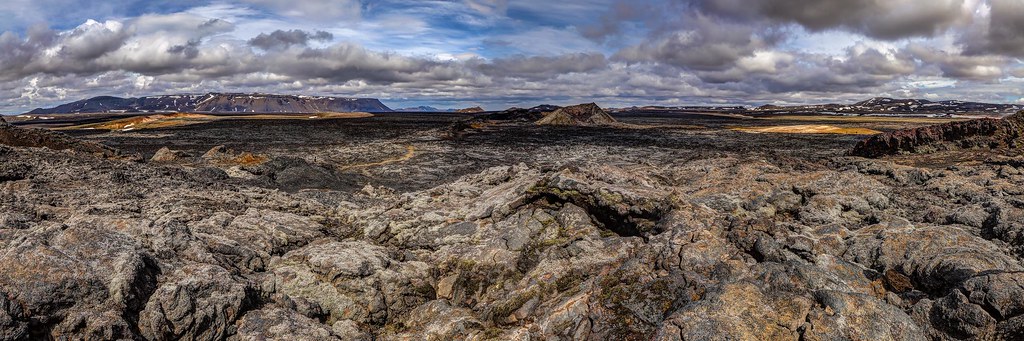
Hiking Hekla is a demanding adventure through some of Iceland’s most rugged volcanic terrain. The trail begins at the base, accessible only by 4×4 vehicles via F-roads, emphasizing the remoteness of this landscape. Trekkers encounter vast lava fields, where jagged, sharp volcanic rock challenges footing and requires careful navigation. The terrain transitions to steep ash slopes composed of loose volcanic ash and pumice, which can be slippery and unstable, demanding good balance and sturdy boots. As hikers ascend, the wind intensifies, often gusting strongly near the summit, adding to the physical challenge and requiring windproof clothing. The volcanic soil is barren, with no vegetation, exposing trekkers to direct sun and cold winds, and temperature can drop significantly with altitude. The trail includes sections of scrambling over rough lava and navigating uneven ground strewn with volcanic debris. Altitude gain is moderate but combined with the terrain’s difficulty and exposure, the trek is rated demanding. The summit area may require glacier equipment for those continuing to the peak, as snow and ice can persist even in summer. The volcanic landscape offers stark contrasts — from black lava plains to ash-covered slopes and steaming fumaroles near the crater rim. Hikers must be prepared for sudden weather changes and the physical demands of the terrain. The experience is both physically taxing and deeply rewarding, offering a visceral connection to Iceland’s fiery geology.

What Makes This Volcano Trek Unique
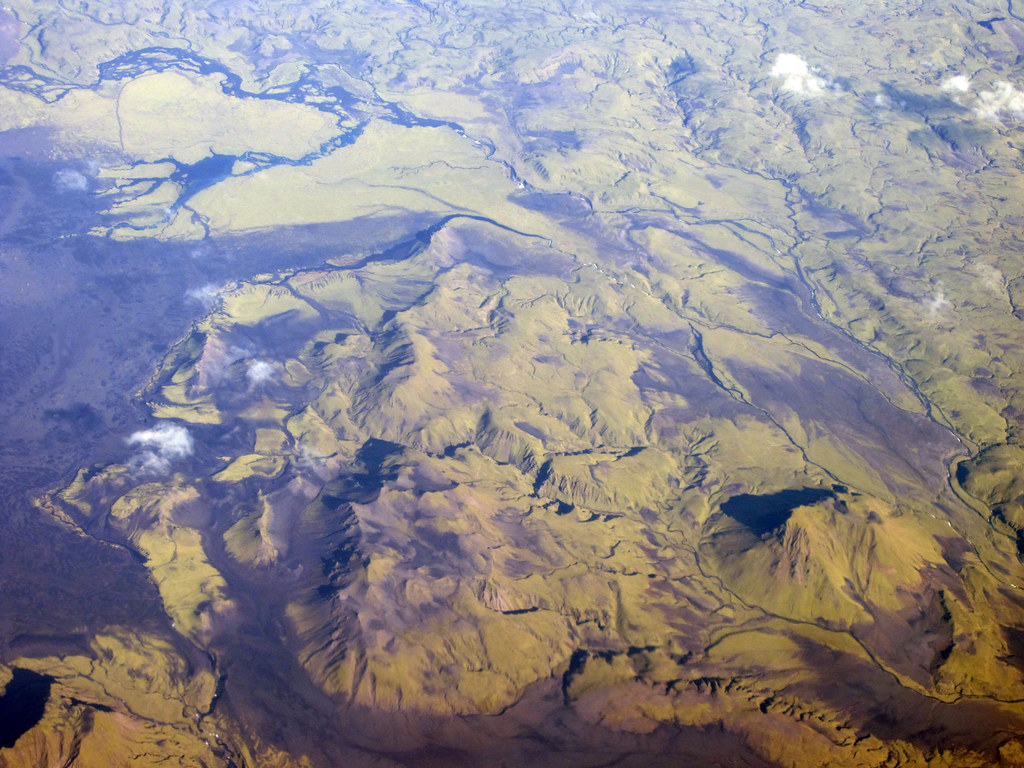
Hekla’s reputation as the “Gateway to Hell” and its status as one of Iceland’s most active volcanoes make this trek uniquely thrilling. Unlike many volcanoes, Hekla’s eruptions can occur with minimal warning, adding an element of raw unpredictability. The trek traverses a landscape shaped by centuries of explosive eruptions, with multiple craters and fissures visible along the ridge. The volcanic terrain is a mosaic of black lava fields, red and gray ash slopes, and steaming fumaroles, offering a vivid geological tapestry. The panoramic views from the summit include vast Icelandic highlands, distant glaciers like Vatnajökull, and neighboring volcanic systems. The combination of geological significance, active volcanic features, and challenging terrain creates a volcano hiking experience that is both adventurous and educational. The presence of guided Super Jeep tours adds accessibility while maintaining the wild, untamed character of the region.
The Summit and Crater Experience
Reaching Hekla’s crater rim is a moment of awe and reverence. The summit offers panoramic vistas across Iceland’s volcanic highlands, with glaciers and distant peaks punctuating the horizon. The crater itself is a stark, steaming cauldron, with fumaroles emitting sulfurous gases that fill the air with a pungent aroma. The ground near the crater is warm, a tangible reminder of the molten forces beneath. The sound of escaping gases and the occasional hiss of steam create an eerie, primal atmosphere. The barren crater rim exposes hikers to the elements, where strong winds and sudden weather shifts can intensify the experience. Standing at the edge, one feels the immense power and unpredictability of this active volcano, a humbling encounter with Earth’s fiery core.

Best Time to Trek This Volcano
The optimal season for hiking Hekla is from late June to early September, when Iceland’s highland roads are open and weather conditions are most stable. During these months, long daylight hours provide ample time for trekking and sightseeing. Outside this window, snow and flooding often close access roads, making the volcano inaccessible. Even in summer, hikers should be prepared for cold temperatures, especially near the summit, and strong winds. Volcanic activity is unpredictable, so checking current conditions and warnings at safetravel.is is essential before planning a hike. Guided tours typically operate during the summer season, offering safer access and expert knowledge. Avoiding the shoulder seasons reduces risks associated with sudden weather changes and road closures.
Trekking Routes and Trail Options
The primary route to Hekla’s summit begins at the parking area located around 1000 meters elevation, accessible by Super Jeep tours or private 4×4 vehicles via F-roads. From here, the trail ascends approximately 500 meters over rough lava fields and ash slopes to the crater rim. The hike typically takes 4 to 5 hours round-trip. Guided tours often combine a Super Jeep ride to the parking area with a guided hike to the summit, providing equipment such as glacier gear if needed. The northern approach is considered the easiest and safest route, while other paths around the volcano are less defined and more challenging. Some trekkers opt for partial ascents combined with vehicle access to reduce difficulty. Self-guided hikes are possible but not recommended due to the active nature of the volcano and challenging terrain. The trail is marked but requires good navigation skills and physical fitness. Alternative routes in the surrounding highlands offer views of Hekla from a distance but do not reach the summit.

Difficulty Assessment
Hekla is classified as a demanding volcano trek. The terrain includes unstable ash slopes, sharp lava fields, and exposed ridges with strong winds. The altitude gain is moderate but combined with the rugged volcanic landscape and potential for sudden weather changes, the hike requires good physical fitness and experience with challenging terrain. Glacier equipment is necessary for summit attempts due to snow and ice patches. The volcano’s active status adds an element of risk, making guided tours highly recommended. This trek is not suitable for beginners or those without proper preparation. Hikers should be comfortable with scrambling, navigating loose volcanic debris, and enduring cold, windy conditions.
Essential Volcano Trekking Gear
Key gear for hiking Hekla includes sturdy hiking boots with excellent grip to handle sharp lava and loose ash. Trekking poles help maintain balance on unstable slopes. Windproof and waterproof clothing is essential due to strong winds and sudden weather changes. A gas mask or respirator is advisable to protect against volcanic gases near fumaroles. Glacier equipment such as crampons and ice axes are necessary for summit climbs. A headlamp is useful for early starts or late finishes. Hydration systems and sun protection are important, as the terrain offers no shade. A GPS device or map and compass are recommended for navigation. Always carry emergency supplies and check volcanic activity updates before the hike.
Safety and Volcanic Hazards
Hiking Hekla involves inherent risks due to its active volcanic status. Eruptions can occur with minimal warning, sometimes within minutes to hours, so monitoring current volcanic activity through safetravel.is and local authorities is critical. Volcanic gases such as sulfur dioxide can be hazardous, especially near fumaroles and the crater rim, necessitating protective masks. The terrain includes unstable ash slopes and sharp lava fields, increasing the risk of falls and injuries. Crater edges can be fragile and prone to collapse. Sudden weather changes, including strong winds and cold temperatures, can exacerbate hazards. Guided tours provide safety briefings, equipment, and real-time updates on volcanic activity. Hikers should never attempt the summit alone and must be prepared to turn back if conditions deteriorate. Emergency services in the region are limited, so self-sufficiency and caution are paramount.
Permits, Guides, and Logistics
No formal permits are required to hike Hekla; however, due to the volcano’s active nature and challenging terrain, guided tours are strongly recommended for safety and logistical support. Several reputable tour operators offer combined Super Jeep and guided hiking experiences, including Iceland Volcano Tours, Arctic Adventures, Iceland Holidays, Fjallabak, and Iceland Travel Guide. These tours provide transportation on rugged F-roads, expert guides, safety equipment such as glacier gear, and real-time volcanic activity updates. Costs vary but typically range from moderate to premium, reflecting the specialized nature of the tours and equipment provided. Access to the trailhead requires a 4×4 vehicle, and private driving is only advisable for experienced drivers familiar with Icelandic highland roads. Visitors should check safetravel.is for current road and volcanic conditions before planning their trip. The best season for tours is late June to early September when roads are open and weather is more stable. Self-guided hikes are possible but carry higher risk due to the volcano’s unpredictability and difficult terrain. Tour operators often include additional sightseeing stops in the South Icelandic Highlands, enhancing the overall experience. Booking in advance is advised, especially during peak summer months.
Where to Stay Near the Volcano
The nearest town and common base for exploring Hekla is Hella, located about 30 kilometers south of the volcano. Hella offers a range of accommodations suitable for different budgets and preferences. Luxury options include Hotel Ranga, known for its upscale rooms, fine dining, and outdoor hot tubs ideal for northern lights viewing. Hotel Laekur and Landhotel provide comfortable mid-range stays with scenic mountain views and wellness facilities. For budget travelers, hostels and guesthouses such as Midgard Base Camp, Loa’s Nest, and Bitra Guesthouse offer cozy, affordable lodging with friendly atmospheres. Many accommodations in Hella provide easy access to the Ring Road and are within a 1 to 1.5-hour drive to Hekla’s trailhead. For a more immersive volcanic experience, ÖÖD Hekla Horizon offers a unique mirrored house with private sauna and hot tub, boasting panoramic views of Mount Hekla and the northern lights. Visitors should book accommodations well in advance during the summer season. Facilities in the immediate vicinity of Hekla are minimal, so staying in Hella or nearby towns is recommended for comfort and logistics. Rental car services specializing in 4×4 vehicles are available in Hella and Reykjavik, essential for accessing the highland roads leading to Hekla.