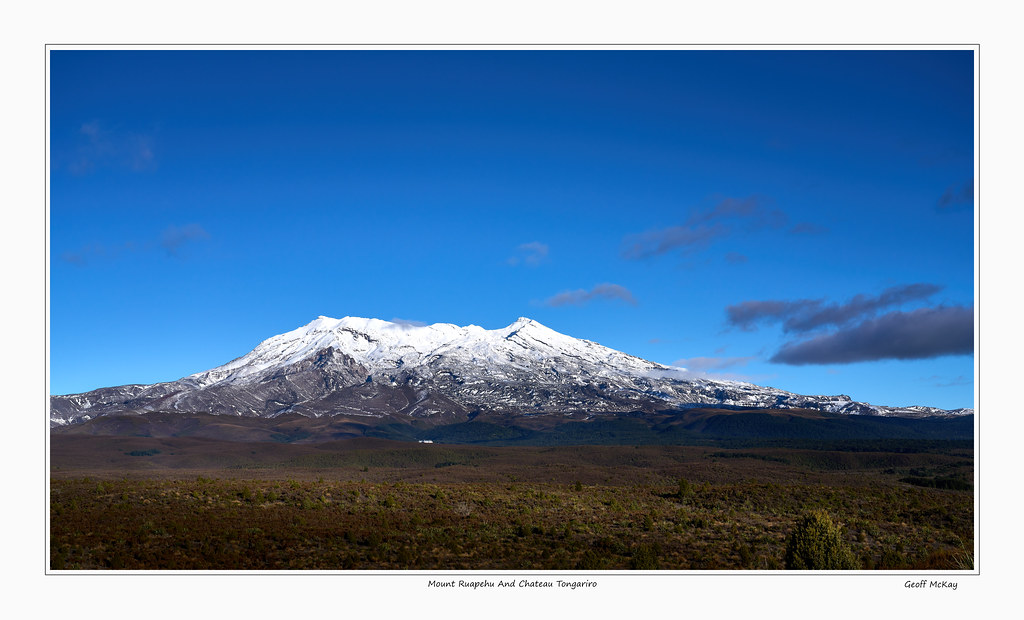

Mount Sindoro Volcano Trekking Guide: Conquer Central Java’s Twin Volcano Adventure
Mount Sindoro, a majestic stratovolcano in Central Java, Indonesia, offers a demanding yet rewarding trekking experience. Known for its twin peak with Mount Sumbing, the volcano features lush plantations, pine forests, volcanic craters, and panoramic summit views. This comprehensive guide covers routes, permits, gear, safety, and accommodation to help adventurers prepare for an unforgettable volcano trek.
Quick Volcano Snapshot
| Attribute | Value |
|---|---|
| Volcano type | Stratovolcano |
| Elevation | 3,136 meters |
| Location | Central Java, Indonesia |
| Activity status | Dormant |
| Trekking difficulty | Demanding |
| Typical trek duration | 1-2 days |
| Altitude gain | Approx. 2,000 meters |
| Terrain type | Volcanic ash slopes, rocky ridges, pine forests, savanna |
| Best season | Dry season (May to August) |
| Temperature range | 5°C to 20°C |
| Permit requirement | Required |
The Experience of Hiking Mount Sindoro
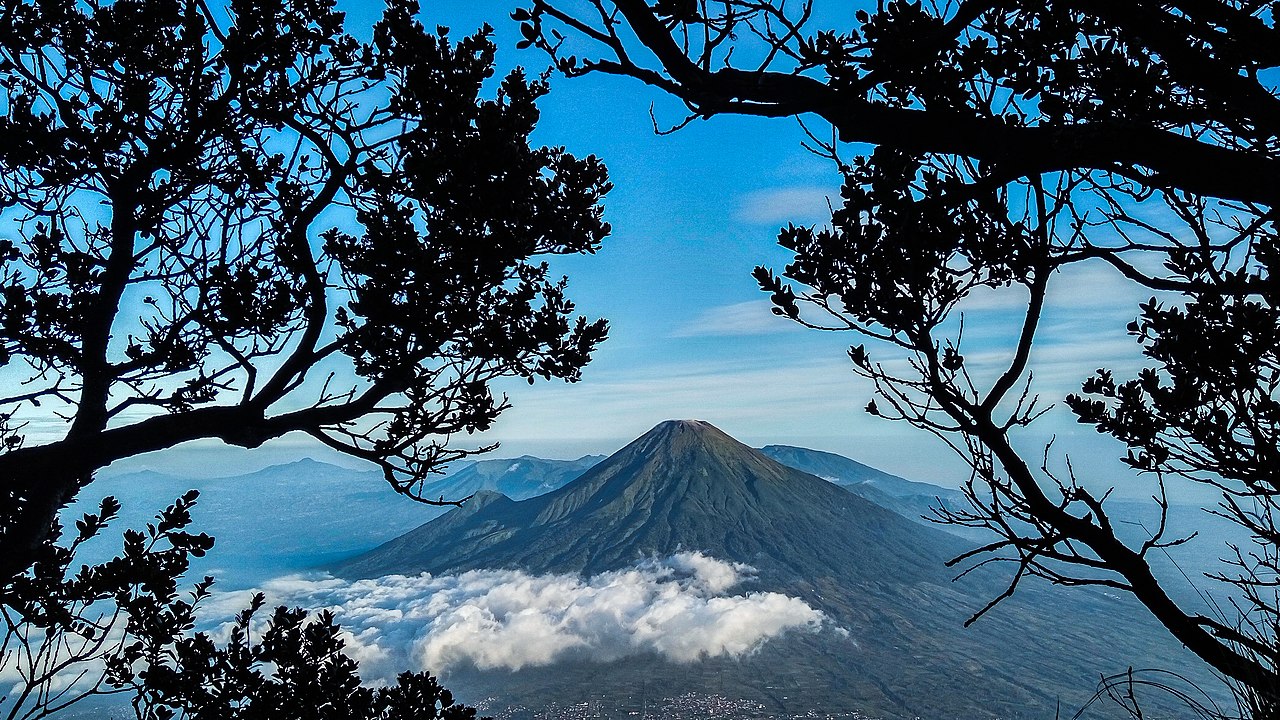
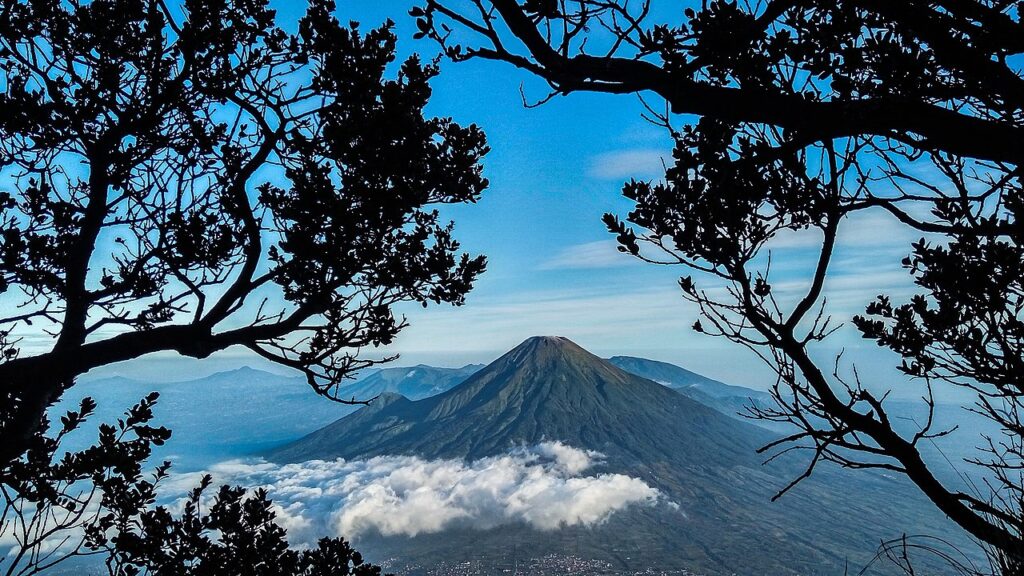
Approaching Mount Sindoro, hikers are greeted by a dramatic volcanic silhouette rising above lush Central Javanese landscapes. The trek begins amidst vibrant vegetable and tobacco plantations, transitioning into misty pine forests and open volcanic ridges. The air sharpens with altitude, carrying the faint scent of sulfur from fumaroles near the summit. As dawn breaks, the summit reveals a breathtaking panorama dominated by Mount Sumbing, Sindoro’s twin, and a vast volcanic horizon. The emotional crescendo of standing on the crater rim, surrounded by steaming vents and rugged terrain, is a profound encounter with Earth’s raw geological power.
Geological Background of Mount Sindoro
Mount Sindoro is a stratovolcano formed through successive layers of lava flows, ash, and volcanic debris. Its volcanic activity has been mostly mild to moderate, with the last recorded eruption in 1906. The volcano features a small lava dome at its summit and several parasitic craters and cones on its flanks, the largest being Kembang. The summit area includes twin craters with active fumaroles emitting sulfurous gases, a vivid reminder of its semi-active status. The volcano’s slopes contribute to the headwaters of two major river basins, Progo and Serayu, underscoring its significant role in the regional hydrology. The surrounding terrain showcases diverse volcanic minerals and formations, including fumarolic fields and sulfur deposits, making it a fascinating site for geological exploration.
Terrain and Hiking Experience on Mount Sindoro
The trek up Mount Sindoro is a demanding journey through varied volcanic terrain that challenges and rewards hikers with spectacular natural beauty. Starting from basecamps such as Kledung or Sigedang, the trail initially passes through cultivated farmland and tobacco plantations, offering a gentle introduction to the ascent. As the trail climbs, hikers enter dense pine forests where the air is cool and the ground soft beneathfoot, providing respite before the more strenuous sections.
Beyond the forest, the landscape opens to volcanic savanna and rocky ridges. The terrain here is a mix of loose volcanic ash, pumice, and scattered lava rocks, requiring careful footing and steady pace. Steep slopes test endurance, especially approaching higher elevations where the vegetation thins and the ground becomes more rugged. The trail includes sections of scrambling over volcanic rock and navigating uneven paths with loose scree, demanding good balance and hiking experience.
Altitude gain is significant, with the summit rising to over 3,100 meters. Hikers may feel the effects of thinner air, including shortness of breath and fatigue, particularly if not acclimatized. Wind conditions near the summit can be strong and cold, necessitating warm clothing and windproof gear. Temperature shifts are notable, with cool mornings and chilly nights contrasting with warmer daytime temperatures lower down.
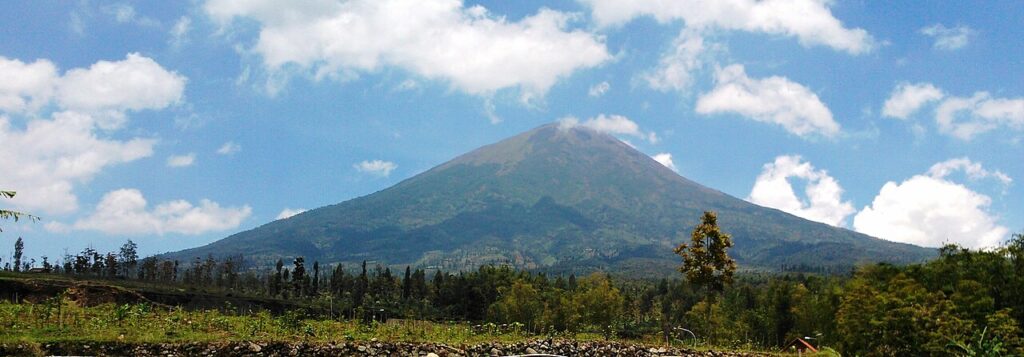
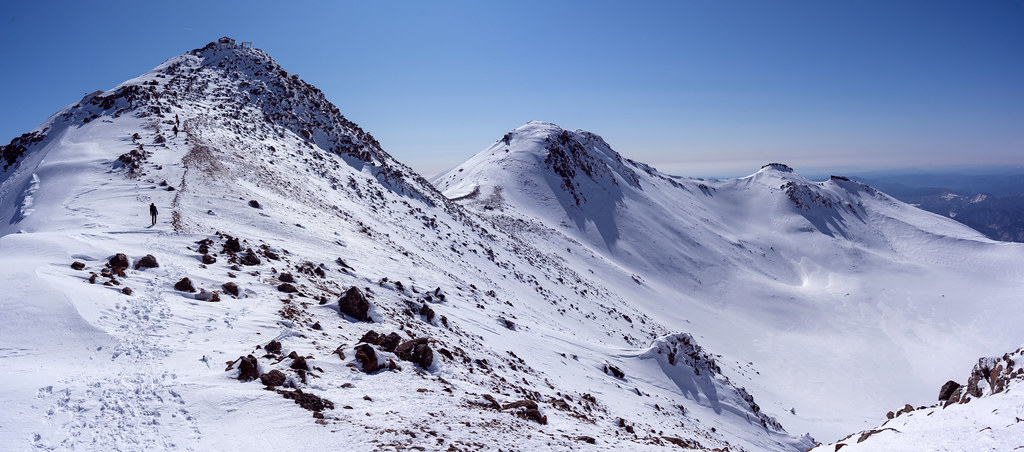
The final approach to the summit reveals the twin craters, with fumaroles emitting sulfurous steam that adds a sensory dimension to the hike. The terrain near the crater rim is rocky and unstable in places, requiring caution. Despite the challenges, the trail is well-marked and supported by rest points and campsites, making it accessible to well-prepared trekkers. The combination of diverse ecosystems, volcanic geology, and panoramic views creates a rich and immersive hiking experience unique to Mount Sindoro.
What Makes the Mount Sindoro Trek Unique
Mount Sindoro’s trekking experience is distinguished by its status as a twin volcano alongside Mount Sumbing, offering unparalleled views of a volcanic sibling rising majestically across the valley. The presence of twin craters at the summit, with active fumaroles and seasonal crater lakes, adds a rare geological spectacle. The trek traverses diverse ecosystems from tropical plantations to alpine savanna and edelweiss meadows, providing rich natural variety.
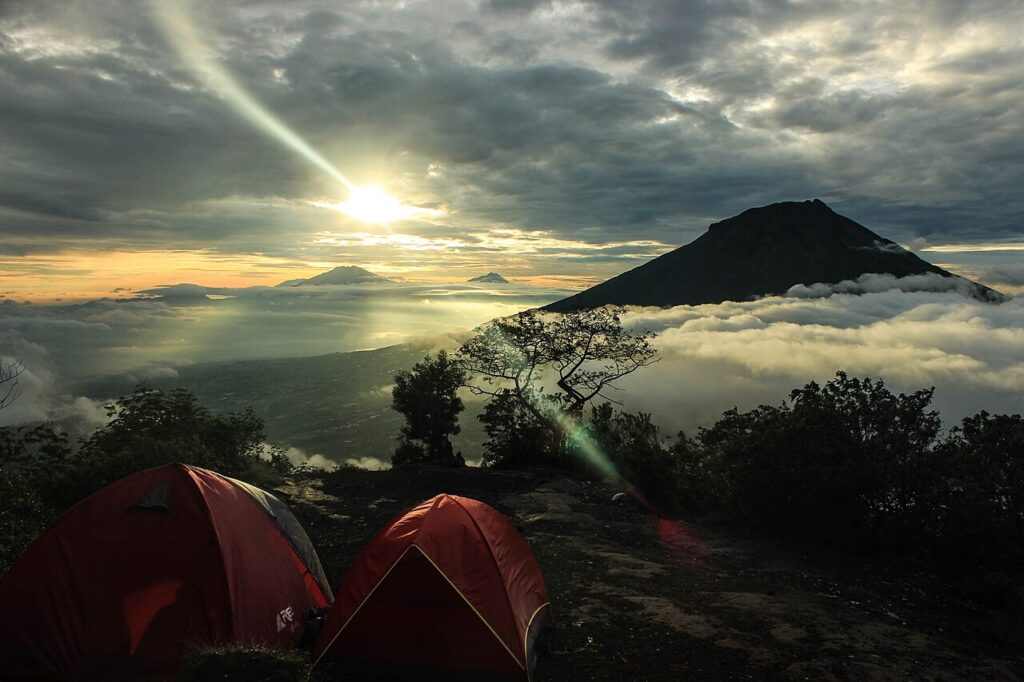
The cultural backdrop of Central Java, with farming villages and traditional tobacco fields, enriches the journey, blending human heritage with volcanic wilderness. The opportunity to witness sunrise over the volcanic landscape, with a panorama including other iconic peaks like Merapi and Slamet, creates a dramatic and memorable adventure. The combination of geological features, ecological diversity, and cultural context makes Mount Sindoro a standout volcano trek in Indonesia.
The Summit and Crater Experience
Reaching Mount Sindoro’s summit is a moment of awe and exhilaration. The twin craters dominate the landscape, with fumaroles releasing sulfurous steam that tinges the air with a distinctive scent. The ground beneath is warm in places, a tangible reminder of the volcano’s latent power. From the rim, hikers enjoy a 360-degree panorama encompassing the Dieng Plateau, Mount Prau, and the imposing silhouettes of Mount Sumbing, Merapi, Merbabu, and Slamet.
The summit’s atmosphere is charged with geological energy, where the sound of escaping gases and the sight of steaming vents create a sensory experience unlike any other. The seasonal presence of small crater lakes, known locally as Magic Ponds, adds to the summit’s mystique. The sunrise here bathes the volcanic landscape in golden light, highlighting the rugged terrain and distant mountain ranges, making the summit a photographer’s paradise and a deeply moving destination for adventurers.
Best Time to Trek Mount Sindoro
The optimal time to trek Mount Sindoro is during the dry season, from May to August, when weather conditions are most stable and trails are less slippery. Clear skies during this period enhance visibility, allowing spectacular sunrise views and panoramic vistas from the summit. Trekking outside the dry season risks encountering heavy rains, muddy trails, and reduced safety.
Early morning or pre-dawn starts are recommended to reach the summit for sunrise, avoiding the heat of the day and maximizing the visual impact. Volcanic activity is monitored continuously, and hikers should heed any advisories or restrictions issued by local authorities. Avoid camping near the crater rim due to hazardous sulfur gas emissions, especially during rainy weather when gas intensity can increase.
Seasonal temperature variations require layered clothing, as nights and early mornings can be cold, while daytime temperatures at lower elevations are mild. Planning your trek during the dry season ensures a safer and more enjoyable volcano hiking experience.
Trekking Routes and Trail Options on Mount Sindoro
Mount Sindoro offers several trekking routes catering to different preferences and fitness levels. The most popular and accessible is the Kledung route, starting from Kledung Village. This trail passes through farmland, pine forests, and volcanic savanna, with well-maintained paths and supporting facilities at the basecamp. The ascent typically takes 5-6 hours to reach the summit, with a similar duration for descent. This route is favored for its scenic variety and moderate challenge.
The Sigedang route, beginning at a higher elevation, offers a shorter but steeper climb. It is less frequented and provides a more rugged experience, suitable for hikers seeking a more intense challenge. The trail includes steep sections and fewer amenities, requiring good physical condition and preparation.
For experienced trekkers, the Bansari route on the eastern flank presents a longer and more demanding path. Starting at a lower elevation, it involves significant altitude gain and traverses diverse terrain including plantations, forest, and volcanic ridges. This route is ideal for those looking to combine the ascent with a descent via another trail, enabling a traverse of the mountain.
Many hikers combine Mount Sindoro with a trek to Mount Sumbing, crossing the Kledung Pass between the two peaks. This multi-day itinerary offers a comprehensive volcano trekking experience, showcasing the twin volcanoes’ grandeur.
Guided tours are widely available for all routes, providing local expertise, logistical support, and safety assurance. Self-guided trekking is possible but requires careful planning, permits, and awareness of trail conditions.
Difficulty Assessment of Mount Sindoro Trek
Mount Sindoro is classified as a demanding volcano trek. The terrain includes steep volcanic ash slopes, loose scree, rocky ridges, and sections requiring scrambling. Altitude gain of approximately 2,000 meters challenges cardiovascular endurance and acclimatization.
The trail demands good physical fitness, stamina, and hiking experience, especially for the longer routes such as Bansari or Sigedang. While technical climbing equipment is not necessary, sturdy hiking boots with good grip and trekking poles are highly recommended.
Weather conditions can add to the difficulty, with cold temperatures and strong winds near the summit. The presence of sulfur gases near the crater requires caution and limits time spent at the summit rim.
Overall, Mount Sindoro is suitable for experienced hikers seeking a challenging but non-technical volcano ascent. Beginners should consider guided tours and thorough preparation before attempting the climb.
Essential Gear for Mount Sindoro Volcano Trekking
Proper gear is crucial for a safe and comfortable Mount Sindoro trek. Essential items include sturdy hiking boots with excellent traction to navigate loose volcanic ash and rocky terrain. Trekking poles help maintain balance and reduce strain on knees during steep ascents and descents.
Layered clothing is necessary to adapt to temperature changes, including moisture-wicking base layers, insulating mid-layers, and a windproof, waterproof outer shell. Warm hats and gloves protect against cold summit winds.
A headlamp or flashlight is essential for pre-dawn summit attempts. Carry sufficient water and high-energy snacks, as water sources on the trail are limited and unreliable.
Due to sulfur gas emissions near the crater, a lightweight gas mask or respirator can provide protection, especially for sensitive individuals. Sun protection including sunglasses, sunscreen, and a wide-brimmed hat is important as volcanic landscapes offer little shade.
Additional gear includes a backpack with rain cover, first aid kit, map or GPS device, and a camera to capture the stunning vistas.
Safety and Volcanic Hazards on Mount Sindoro
Mount Sindoro poses specific volcanic hazards that hikers must respect. Active fumaroles near the summit emit sulfurous gases which can be toxic and cause respiratory irritation. Prolonged exposure, especially in low wind conditions or rainy weather, increases risk. It is advised to limit time near the crater rim and avoid camping in these areas.
The terrain includes unstable volcanic ash slopes and loose scree, increasing the risk of slips and falls. Careful footing and use of trekking poles mitigate these dangers. Falling rocks may occur, particularly on steep sections, so wearing a helmet is advisable for groups guided by professionals.
Sudden weather changes are common in mountainous regions of Java, with rapid drops in temperature, fog, and rain. Proper clothing and preparedness for adverse conditions are essential.
Volcanic activity is monitored by Indonesian geological agencies, and hikers should stay informed of current conditions and heed official warnings or trail closures. Hiring experienced local guides enhances safety by providing knowledge of hazards and emergency procedures.
Permits, Guides, and Logistics for Mount Sindoro Trekking
Trekking Mount Sindoro requires obtaining permits from local authorities, which are typically arranged through official park offices or tour operators. Entrance fees contribute to conservation and safety management. Permits are mandatory for all hikers and are checked at basecamp entrances.
Hiring a local guide is strongly recommended for safety, navigation, and cultural insight. Guides provide valuable knowledge of trail conditions, volcanic hazards, and emergency protocols. Several reputable tour operators offer comprehensive packages including permits, guides, porters, camping equipment, meals, and transportation.
Notable tour operators include Climb Indonesia, Java Tour Package, Mount Merapi Tour, Java Private Tour, and I Wanna Travel. These companies provide tailored experiences ranging from single-day hikes to multi-day expeditions combining Mount Sindoro and Mount Sumbing.
Logistically, the main access points are Kledung Village and Sigedang, reachable by road from nearby cities such as Yogyakarta (3-4 hours) and Semarang. Transportation services are often included in tour packages. Basecamp facilities vary by route, with Kledung offering more developed amenities.
Trekking gear rental, including tents, sleeping bags, and hiking poles, is available through operators. It is advisable to book tours in advance during the dry season to secure permits and guide availability.
Overall, organized tours simplify the permit process, enhance safety, and enrich the trekking experience, making them the preferred choice for most visitors.
Where to Stay and Nearby Bases for Mount Sindoro Trekking
Accommodation options near Mount Sindoro cater to a range of preferences, from comfortable hotels to rustic guesthouses and mountain lodges. The primary base for most treks is Kledung Village, which offers several lodging choices including the Dieng Kledung Pass Hotel. This hotel provides comfortable rooms with modern amenities, warm hospitality, and proximity to the trailhead, making it ideal for pre- and post-trek rest.
In Wonosobo and Temanggung towns, travelers can find budget guesthouses and homestays that offer authentic local experiences and easy access to the mountain. For those seeking a more scenic stay, the Micuba DiengCool Villa near Dieng Plateau offers spectacular views of Mount Sindoro and a unique architectural design blending with the mountainous environment.
Closer to the Sigedang route, accommodations are more limited but include roadside villas and small hotels such as Roadsidevilla’s in Kejajar, providing basic comforts and convenient access to the trail.
For multi-day treks, camping on the mountain is common, with designated campsites at Pos 3 and Pos 5 offering flat areas for tents and stunning views. However, camping near the summit crater is discouraged due to hazardous sulfur gases.
Most tour operators include accommodation arrangements in their packages, ensuring smooth logistics. Travelers are advised to book accommodations in advance during peak trekking seasons to secure availability and enjoy a restful stay before embarking on the demanding ascent.