
Montaña de Tindaya Volcano Trekking Guide: Exploring Fuerteventura’s Sacred Volcanic Mountain
Discover the unique hiking experience of Montaña de Tindaya, a sacred volcanic mountain in Fuerteventura, Canary Islands. This guide covers its geological background, hiking terrain, permit requirements, and accommodation options near this culturally significant site.
Quick Volcano Snapshot
| Attribute | Value |
|---|---|
| Volcano type | Volcanic mountain (monadnock) |
| Elevation | 401 m |
| Location | Fuerteventura, Canary Islands, Spain |
| Activity status | Dormant |
| Trekking difficulty | Easy to Moderate |
| Typical trek duration | Approximately 2 hours |
| Altitude gain | Approximately 236 m |
| Terrain type | Rocky volcanic terrain with trachyte formations and loose stones |
| Best season | Year-round, with preference for mild weather months |
| Temperature range | Mild subtropical climate, typically 15-25°C |
| Permit requirement | Mandatory official authorization required |
Introduction: The Experience of Hiking Montaña de Tindaya
Approaching Montaña de Tindaya, the solitary volcanic mountain rises dramatically from the flat desert plains of Fuerteventura. Its reddish trachyte slopes contrast starkly with the surrounding barren landscape, evoking a sense of ancient power and mystery. Hiking here is not just a physical journey but a passage through time, as the mountain holds deep spiritual significance for the island’s indigenous people. The trek offers expansive views of the island’s rugged terrain and, on clear days, distant glimpses of Tenerife’s Mount Teide and Gran Canaria’s Pico de la Nieves. Reaching the summit, visitors encounter the sacred petroglyphs etched into the rock, a tangible connection to the island’s ancestral past.
The Volcano Itself: Geological Background
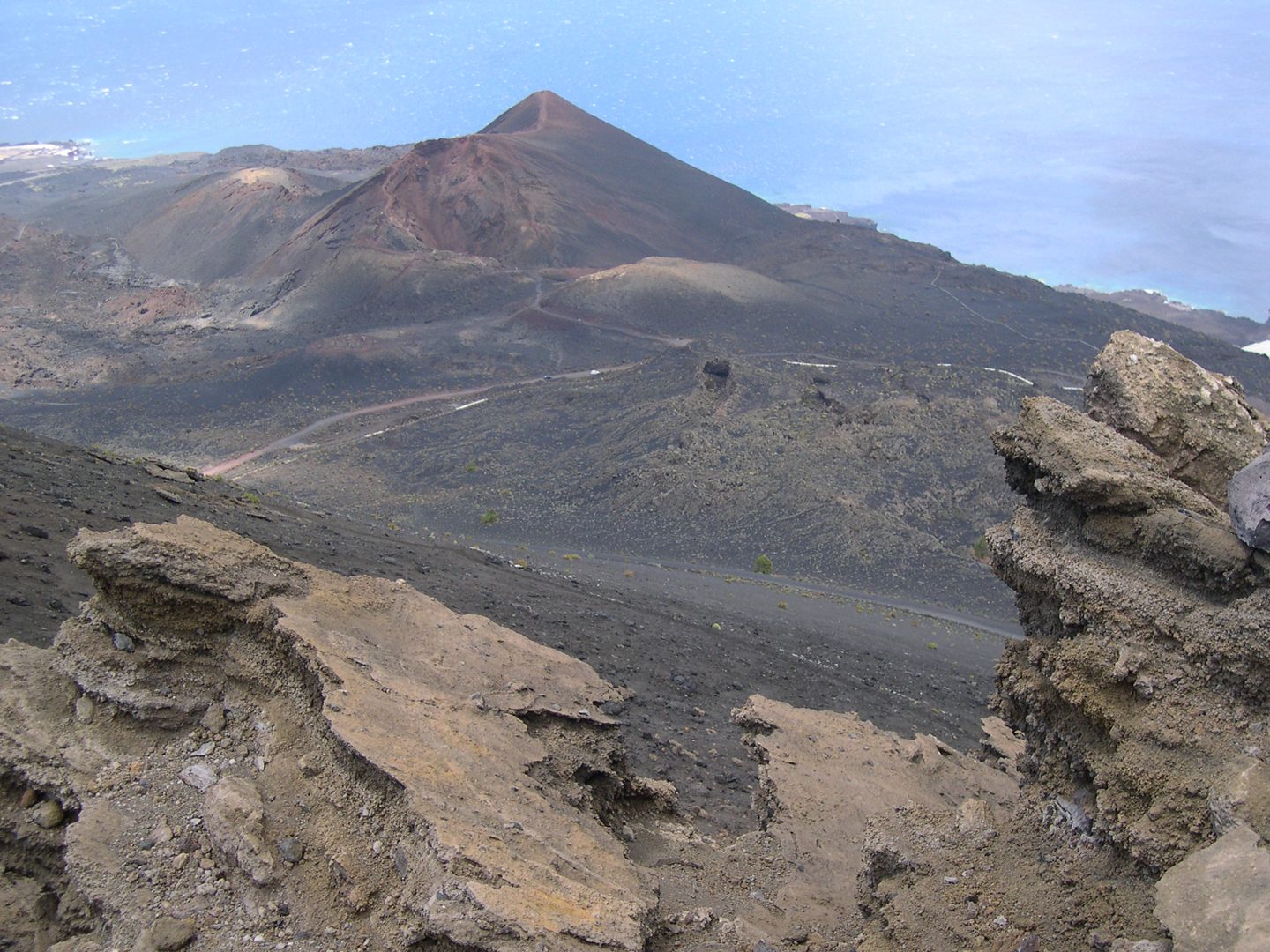
Montaña de Tindaya is a volcanic monadnock, a solitary mountain formed from volcanic activity and subsequent erosion that left it standing prominently above the surrounding plain known as Llano del Esquinzo. Composed primarily of trachyte, an igneous volcanic rock with a marble-like appearance, the mountain’s unique geology distinguishes it within the Canary Islands. Over millions of years, erosive forces sculpted its pyramid-like shape and exposed natural crevices and rocky walls. The volcanic rock is rich in minerals typical of trachyte, contributing to its distinctive coloration and texture. This geological formation not only shaped the landscape but also provided the canvas for the ancient Majos people to carve over 300 petroglyphs, including foot-shaped motifs, which are rare and culturally significant. The mountain’s geology and archaeological features together make it a protected natural monument and a site of ecological sensitivity.
The Volcano Trek: Terrain and Hiking Experience
The hike up Montaña de Tindaya is characterized by a relatively short but varied terrain that combines rocky volcanic slopes with loose stones and patches of trachyte rock. The trail begins at the parking area near the village of Tindaya and follows a paved road briefly before turning onto a steep, rocky path that ascends steadily toward the summit. Trekkers will encounter sections of loose scree and uneven footing, requiring careful steps and sturdy footwear. The ascent involves an altitude gain of approximately 236 meters over a 2.1 to 2.4 km route, making the trek accessible to hikers with moderate fitness levels. The volcanic terrain offers a tactile experience of the island’s geological history, with the marble-like trachyte surfaces providing a unique hiking substrate. Weather conditions can influence the difficulty; winds are common near the summit, and temperatures can vary, so layered clothing is advisable. The path is well-marked but visitors must stay on authorized trails to protect the fragile archaeological and natural environment. The hike is not technically demanding but does require attention to footing on steeper rocky sections. Along the way, hikers are rewarded with panoramic views of the surrounding desert plains, the northern volcanic chain, and on clear days, neighboring islands. The trail’s moderate length and elevation gain make it suitable for families and casual hikers, though the rocky terrain demands appropriate footwear and some physical readiness. The experience is enriched by the mountain’s cultural significance, as the route leads close to the petroglyph panels and sacred sites, offering a profound connection to the island’s ancient inhabitants.
What Makes This Volcano Trek Unique
Montaña de Tindaya stands apart from other volcanic treks due to its profound cultural and spiritual significance. Unlike typical volcano hikes focused on geological spectacle alone, this mountain is revered as sacred by the indigenous Majos people, who left behind hundreds of enigmatic petroglyphs, primarily foot-shaped carvings, that are unique to the Canary Islands. The mountain’s solitary presence on the flat plain creates a striking visual landmark, and its reddish trachyte rock adds to its mystical aura. The blend of natural beauty, archaeological heritage, and spiritual atmosphere makes the trek a rare journey into both Earth’s volcanic past and human history. The site’s protected status and regulated access further emphasize its importance, preserving its integrity and enhancing the sense of reverence experienced by visitors.
The Summit and Crater Experience
Reaching the summit of Montaña de Tindaya, hikers are greeted by a flat plateau surrounded by rocky walls and natural crevices. The summit offers sweeping views across Fuerteventura’s arid landscape, the northern volcanic chain, and distant islands such as Lanzarote, Tenerife, and Gran Canaria on clear days. The air here carries a quiet stillness, punctuated only by the wind sweeping over the exposed volcanic rock. At the summit, visitors can observe the ancient petroglyphs etched into the trachyte surfaces—foot-shaped carvings and geometric figures that evoke the mountain’s sacred past. The experience is both visual and emotional, as the carvings connect hikers to the rituals and beliefs of the island’s original inhabitants. The absence of volcanic activity means the summit is safe to explore, but the protected status requires visitors to respect the site and avoid disturbing the engravings or natural features.
Best Time to Trek Montaña de Tindaya
Montaña de Tindaya can be trekked year-round thanks to Fuerteventura’s mild subtropical climate. However, the best times to visit are during the cooler months from autumn through spring, when temperatures range between 15 and 25 degrees Celsius, providing comfortable hiking conditions. Summer months can be warmer and more exposed, as the mountain offers little shade. Early morning or late afternoon hikes are recommended to avoid midday heat and to enjoy softer light for photography. Visitors should also consider wind conditions, which can be stronger near the summit. Since the site is protected, it is essential to plan ahead and obtain the required permit, especially during peak tourist seasons when demand is higher. Seasonal closures or restrictions may apply to preserve the archaeological and natural environment.
Trekking Routes and Trail Options
The primary route to Montaña de Tindaya’s summit is a well-defined trail starting from the parking area near the village of Tindaya. The trail covers approximately 2.1 to 2.4 kilometers one way, with an elevation gain of about 236 meters, making it a moderate hike suitable for most visitors. The path begins with a short paved section before transitioning to a steep rocky ascent. The trail is marked and regulated, with visitors required to stay on authorized paths to protect the site’s archaeological features. There are no alternative routes for climbing the mountain, as free access is restricted to preserve its cultural and natural integrity. Guided tours often include transportation from nearby towns such as La Oliva or Corralejo and provide educational commentary on the mountain’s history and geology. Self-guided hikes are possible but require prior permit authorization and adherence to site rules. The hike typically takes around two hours round trip, allowing time to explore and appreciate the petroglyphs and panoramic views. Due to the mountain’s protected status, visitors should check for any temporary closures or access limitations before planning their trek.
Difficulty Assessment
Montaña de Tindaya offers an easy to moderate trekking challenge. The trail’s length and altitude gain are manageable for hikers with average fitness, and no technical climbing skills are required. The rocky volcanic terrain demands sturdy footwear and careful footing, especially on steeper sections with loose stones. The altitude of 401 meters is not high enough to cause significant altitude sickness, but the exposed nature of the trail means hikers should be prepared for wind and sun exposure. Overall, this trek is suitable for families, casual hikers, and those interested in cultural and geological exploration rather than strenuous mountaineering.
Essential Volcano Trekking Gear
For hiking Montaña de Tindaya, essential gear includes sturdy hiking boots with good grip to navigate rocky and loose terrain safely. Trekking poles can provide additional stability on steep sections. Sun protection is crucial due to the mountain’s exposed slopes—bring a wide-brimmed hat, sunglasses, and high-SPF sunscreen. Lightweight, breathable clothing with layers is recommended to adapt to temperature changes and wind near the summit. Carry sufficient water to stay hydrated, as there are no facilities on the trail. A small first aid kit and a map or GPS device are advisable. While volcanic gases are not a concern here due to dormancy, a camera or smartphone is recommended to capture the unique petroglyphs and panoramic views.
Safety and Volcanic Hazards
Montaña de Tindaya is a dormant volcanic mountain with no current volcanic activity, so risks related to eruptions or volcanic gases are minimal. However, hikers should exercise caution on the rocky and sometimes loose terrain to avoid slips and falls. The trail is exposed to wind, which can be strong near the summit, so appropriate clothing and secure footing are important. Visitors must adhere strictly to authorized paths to protect the fragile archaeological sites and avoid penalties. Falling rocks may be a hazard in some areas, and the ascent was temporarily closed in 2014 due to this risk, so checking current access status is essential. The site is monitored by local authorities, and visitors should follow all safety guidelines and respect closures or restrictions.
Permits, Guides, and Logistics
Access to Montaña de Tindaya is strictly regulated due to its status as a protected Natural Monument and Asset of Cultural Interest. Visitors must obtain an official permit before hiking the mountain. Permits can be requested online via the Cabildo de Fuerteventura’s website or in person at the Consejería de Medio Ambiente offices in Puerto del Rosario, as well as at local tourist offices in La Oliva and Corralejo. The application requires personal identification, the desired date and time of the visit, and can take 10 to 15 business days to process, so early planning is essential. While a licensed guide is not mandatory, hiring one is strongly recommended. Guides facilitate the permit process, provide in-depth explanations of the petroglyphs, the mountain’s spiritual significance, and local flora and fauna, and ensure visitors adhere to authorized routes, preserving the site’s integrity. Several local tour operators, including Podoformos and agencies based in La Oliva and Corralejo, offer guided tours that often include transportation to the mountain’s base. These tours enhance the educational and safety aspects of the visit. Visitors should plan logistics carefully, considering transportation options such as buses from Puerto del Rosario or car rentals. Parking is available near the trailhead in Tindaya village. Due to the mountain’s protected status, visitors must respect all rules, stay on marked trails, and avoid disturbing archaeological features. Seasonal or temporary closures may occur, so checking current conditions with local authorities or tour operators before visiting is advised.
Where to Stay Near Montaña de Tindaya
Accommodation options near Montaña de Tindaya are primarily located in the nearby village of Tindaya and the municipality of La Oliva, as well as in the larger town of Corralejo. In Tindaya, visitors can find small guesthouses and vacation rentals that offer a quiet, authentic atmosphere close to the mountain. Casa Cocolores, a charming guesthouse known for its welcoming environment and artistic touches, is a popular choice for travelers seeking comfort and local character. In La Oliva, a variety of accommodations range from boutique hotels to self-catering apartments, providing convenient access to the mountain and other island attractions. Casa Loma in Villaverde, about a 15-minute drive from the mountain, offers a modern independent house with garden space, ideal for those wanting a peaceful retreat surrounded by volcanic landscapes. Corralejo, approximately 20 minutes by car, is the largest nearby town and offers a wide range of hotels, hostels, and holiday apartments, along with restaurants and amenities. Many guided tours to Montaña de Tindaya depart from Corralejo, making it a practical base for visitors. While the mountain area itself lacks large-scale lodging or resort facilities, these nearby towns provide comfortable options with easy access to the trailhead. Visitors should consider renting a car or arranging transportation when staying farther from the mountain to ensure timely arrival for permitted hiking times. Amenities such as supermarkets, bakeries, and local eateries are available in La Oliva and Corralejo, supporting longer stays and exploration of the island.