
Hiking Capelinhos Volcano: Exploring the Youngest Volcanic Landscape in the Azores
Capelinhos Volcano on Faial Island, Azores, offers a unique trekking experience across a lunar-like volcanic landscape formed during its 1957-58 eruption. This guide covers the geology, hiking terrain, routes, permits, safety, and accommodation options for adventurers seeking to explore this dramatic and accessible volcanic site.
Quick Volcano Snapshot
| Attribute | Value |
|---|---|
| Volcano type | Complex volcano |
| Elevation | Approximately 200 meters above sea level |
| Location | Faial Island, Azores, Portugal |
| Activity status | Dormant (last eruption 1957-58) |
| Trekking difficulty | Moderate |
| Typical trek duration | 5-6 hours for the Ten Volcanoes Trail ending at Capelinhos |
| Altitude gain | Approximately 250 meters on main trails |
| Terrain type | Volcanic ash fields, lava rock, pumice, dirt roads, laurel forests |
| Best season | June to August (summer), also pleasant in September-October |
| Temperature range | 5°C to 30°C (mild Atlantic climate) |
| Permit requirement | No special permits required; access is open year-round |
The Experience of Hiking Capelinhos Volcano
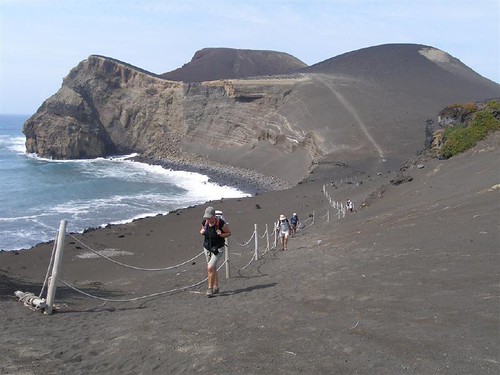
Approaching Capelinhos Volcano, hikers are immediately struck by the stark contrast between the lush greenery of Faial Island and the barren, black volcanic ash that blankets the landscape. The terrain feels otherworldly, resembling a lunar or Martian surface, a vivid reminder of the powerful 1957-58 eruption that reshaped this western tip of the island. As you trek across the volcanic fields, the silence is profound, broken only by the crunch of ash underfoot and the occasional sea breeze. Reaching the crater rim, the panorama unfolds with sweeping views of the Atlantic Ocean and the rugged coastline. The emotional impact of standing on such young volcanic land, witnessing the raw forces that created it, is unforgettable for any volcano enthusiast.
Geological Background of Capelinhos Volcano
Capelinhos is a complex volcano located at the westernmost point of Faial Island in the Azores archipelago. It formed during a dramatic submarine eruption that began in September 1957 and lasted until October 1958, marking the last terrestrial volcanic eruption in the Azores. This eruption added approximately 2.4 square kilometers of new landmass to Faial, creating a striking black volcanic landscape that remains largely barren today. The eruption was characterized by explosive activity, producing vast ash deposits, lava flows, and the formation of a new volcanic cone. The area features fumaroles and sulfur deposits, with the old lighthouse standing as a poignant ruin, partially buried by ash. The volcanic materials include basaltic lava and pumice, with the terrain shaped by both submarine and subaerial volcanic processes. Capelinhos serves as a living geological museum, illustrating the dynamic tectonic activity at the junction of the North American, Eurasian, and African plates.
Terrain and Hiking Experience on Capelinhos Volcano
Hiking Capelinhos Volcano offers a diverse and challenging terrain that demands both physical endurance and a keen sense of adventure. The trek typically culminates as the finale of the renowned Ten Volcanoes Trail, a strenuous 19.3 km route that traverses multiple volcanic landscapes across Faial Island. The trail begins at the Caldeira of Faial, a large volcanic crater surrounded by lush laurel forests and water canals, before descending towards the arid, black ash fields of Capelinhos.
The terrain transitions dramatically from verdant greenery to the stark, lunar-like volcanic ash and pumice fields created by the 1957-58 eruption. Hikers encounter loose volcanic ash that can be slippery underfoot, requiring careful footing and sturdy hiking boots with good grip. The volcanic rock formations are jagged and uneven, demanding occasional scrambling over lava flows and rough basalt surfaces. The trail includes dirt roads and forest paths, offering a mix of shaded and exposed sections.
Wind conditions near the coast can be strong and chilly, especially as you approach the volcano’s western slopes. Temperature shifts are notable, with cooler conditions near the crater rim contrasting with warmer, sun-exposed lower sections. Altitude gain is moderate, approximately 250 meters, but the cumulative ascents and descents along the Ten Volcanoes Trail make the hike physically demanding.
The volcanic ash terrain is loose and powdery in places, which can cause slipping and requires good balance. The trail is well-marked with yellow and red signboards, but hikers should be prepared for sections with minimal shade and exposure to the elements. The volcanic landscape is largely barren, with pioneer plants slowly recolonizing the area, adding subtle touches of green to the black terrain.
Overall, the hiking experience is immersive and rewarding, offering a rare opportunity to walk across one of the youngest volcanic landscapes in Europe. The combination of geological diversity, physical challenge, and breathtaking views makes Capelinhos a must-visit for volcano trekkers seeking a unique adventure.
What Makes the Capelinhos Volcano Trek Unique
Capelinhos Volcano stands out as the youngest volcanic landscape in the Azores, formed less than 70 years ago during a spectacular eruption that reshaped Faial Island’s western coast. This recent geological event offers trekkers a rare chance to witness a volcanic terrain that is still in the early stages of ecological succession, with black ash fields and lava flows that resemble the surface of the moon.
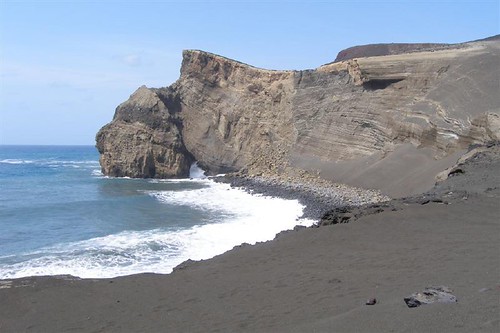
The juxtaposition of the barren volcanic landscape against the lush greenery of the island’s interior creates a striking visual contrast. The ruins of the old lighthouse, partially buried by volcanic ash, add a poignant historical and cultural dimension to the trek. Visitors can also explore the Capelinhos Volcano Interpretation Center, a museum built below the lighthouse that provides scientific insights into the eruption and the Azores’ volcanic heritage.
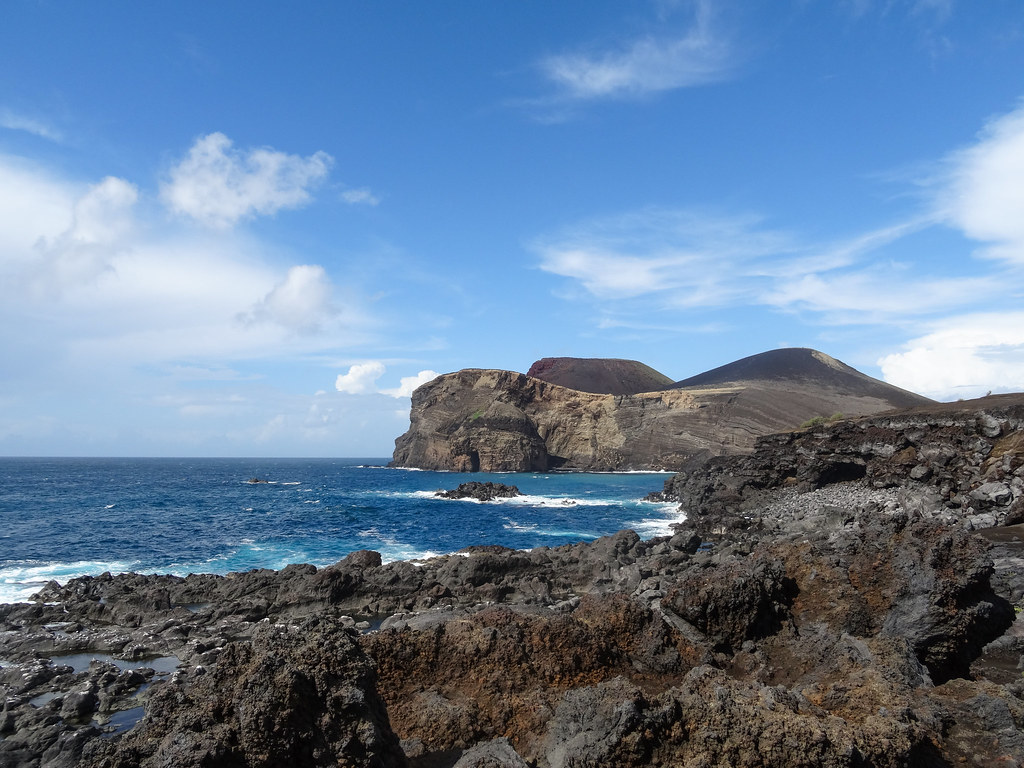
The trek’s endpoint at Capelinhos offers panoramic views of the Atlantic Ocean and the newly formed landmass, a testament to the island’s dynamic geological evolution. The trail is also the dramatic finale of the Ten Volcanoes Trail, which traverses multiple volcanic sites, making it a comprehensive volcanic trekking experience.
Additionally, the area’s volcanic minerals, fumaroles, and sulfur deposits provide fascinating geological features to observe. The Capelinhos trek combines natural beauty, geological wonder, and historical significance, making it a unique destination for adventurous hikers and geology enthusiasts alike.
Summit and Crater Experience at Capelinhos Volcano
Reaching the summit area of Capelinhos Volcano is a profound moment for any trekker. The crater itself is a stark, blackened expanse of volcanic ash and rock, with the remnants of the eruption’s power evident in every direction. The air carries a faint scent of sulfur, a reminder of the volcanic gases that once surged here.
From the crater rim, hikers are rewarded with sweeping views of the Atlantic Ocean stretching to the horizon, the rugged coastline, and the vast black lava fields that extend inland. The old lighthouse stands as a silent sentinel, partially buried in ash, evoking the dramatic history of the eruption.
The ground beneath is warm in places, heated by residual geothermal activity, and the soundscape includes the whisper of the wind and the distant crash of ocean waves. The crater’s edges are exposed and can be windy, so caution is advised.
This summit experience is both humbling and exhilarating, offering a tangible connection to the Earth’s volcanic forces and the creation of new land. It is a place to pause, reflect, and absorb the raw beauty of a landscape still in geological infancy.

Best Time to Trek Capelinhos Volcano
The optimal time to hike Capelinhos Volcano is during the summer months from June to August, when the weather is generally stable, and rainfall is minimal. These months offer the best chance for clear skies, allowing unobstructed views of the volcanic landscape and the Atlantic Ocean.
September and October can also be pleasant, with fewer tourists and still relatively mild weather, though the likelihood of rain increases. The Azores experience a mild Atlantic climate, with temperatures rarely exceeding 30°C or dropping below 5°C, but weather can change rapidly, especially near the coast.
Winter and early spring months tend to be wetter and windier, which can make the volcanic ash terrain slippery and less enjoyable for hiking. Additionally, strong winds near the crater rim can pose safety concerns.
It is advisable to start hikes early in the day to avoid afternoon fog and to benefit from cooler temperatures. The Capelinhos Volcano and the Ten Volcanoes Trail are open year-round, but hikers should always check local weather forecasts and volcanic activity updates before setting out.
Trekking Routes and Trail Options at Capelinhos Volcano
Capelinhos Volcano is accessible via several hiking routes, with the most notable being the endpoint of the Ten Volcanoes Trail (Rota dos Dez Vulcões). This strenuous 19.3 km trail starts at the Caldeira of Faial, the island’s central volcanic crater, and traverses a series of volcanic landscapes before descending to Capelinhos.
The Ten Volcanoes Trail features a mix of terrains, including laurel forests, volcanic ridges, water canals, and the stark black ash fields of Capelinhos. The trail is well-marked with yellow and red signboards and typically takes 5 to 6 hours to complete, depending on pace and weather conditions. It is considered a hard hike due to its length and elevation changes.
For those seeking shorter or less demanding options, the Cabeço do Canto trail offers a circular route above Capelinhos, providing excellent views of the volcano without the full distance of the Ten Volcanoes Trail. This trail is suitable for moderate hikers and can be completed in a couple of hours.
Additionally, a coastal dirt road trail runs from Capelinhos to Varadouro, approximately 6 km, offering a gentler walk with scenic ocean views. This route is popular for light walks and cycling.
All trails converge near the Capelinhos Volcano Interpretation Center, which serves as a convenient start or end point. Guided tours are available through local operators, providing expert insights and logistical support for the hikes.
Difficulty Assessment of Capelinhos Volcano Trek
The trek to Capelinhos Volcano, especially as part of the Ten Volcanoes Trail, is classified as a moderate to demanding volcano trek. The overall difficulty arises from the trail’s length (approximately 19.3 km), the cumulative elevation gain of around 250 meters, and the varied terrain.
Hikers must be prepared for loose volcanic ash and pumice fields, uneven lava rock surfaces, and exposed dirt roads. The volcanic ash can be slippery, requiring good balance and sturdy footwear. The trail includes ascents and descents through forested areas and open volcanic landscapes, demanding a reasonable level of fitness and endurance.
Altitude is relatively low compared to high mountain volcanoes, so altitude sickness is not a concern. However, wind exposure near the crater rim and coastal sections can increase the perceived difficulty.
Technical climbing skills are not required, but trekking poles are recommended to aid stability on loose terrain. Overall, the trek suits hikers with prior experience in moderate mountain or volcanic terrain and good physical conditioning.
Essential Gear for Hiking Capelinhos Volcano
Successful trekking on Capelinhos Volcano requires gear suited to volcanic terrain and variable Atlantic weather. Essential items include sturdy hiking boots with excellent grip to handle loose volcanic ash and rocky surfaces. Trekking poles are highly recommended to improve balance and reduce strain on descents.
A windproof and waterproof jacket is necessary due to the unpredictable weather and coastal winds. Layered clothing allows adjustment to temperature changes from the shaded forests to exposed volcanic fields. Sun protection is critical, including a wide-brimmed hat, sunglasses, and high-SPF sunscreen, as the volcanic landscape offers little natural shade.
A headlamp or flashlight is useful for early starts or late finishes. Carry sufficient water and high-energy snacks, as the trail is long and physically demanding. A small first aid kit, map or GPS device, and a fully charged mobile phone are advisable for safety.
For those sensitive to volcanic gases or dust, a lightweight respirator or dust mask can provide comfort. Finally, a camera is essential to capture the unique and dramatic volcanic scenery.
Safety and Volcanic Hazards at Capelinhos Volcano
While Capelinhos Volcano is currently dormant, hikers should remain aware of specific volcanic hazards and general trail safety. The volcanic ash terrain is loose and can be slippery, increasing the risk of falls, especially on slopes and near the crater rim. Careful footing and use of trekking poles are recommended.
The crater edges are exposed and can be unstable; hikers should avoid approaching too close to prevent accidents. Sudden weather changes, including strong coastal winds and fog, can reduce visibility and increase exposure risks.
Although the volcano is dormant, residual fumarolic activity may emit sulfurous gases in localized areas. Individuals with respiratory sensitivities should take precautions.
There is no current eruption risk, but visitors should stay informed through local volcanic monitoring agencies and heed any official warnings or trail closures.
Emergency services are accessible from nearby towns, but hikers should carry a communication device and inform others of their plans. Following marked trails and respecting safety signage ensures a secure trekking experience.
Permits, Guides, and Logistics for Capelinhos Volcano Trek
Access to Capelinhos Volcano and the surrounding trails is open year-round without the need for special permits, making it an accessible destination for independent hikers. The Capelinhos Volcano Interpretation Center serves as a key logistical hub, offering visitor information, exhibitions, and facilities.
Several reputable tour operators provide guided hiking experiences and adventure packages that include transportation, expert guides, and safety support. Notable operators include Azores Volcano Tours, Capelinhos Ocean Tours, Your Tours Portugal, InnWalking, and Intrepid Travel. These companies offer a range of options from half-day guided walks to full-day expeditions covering the Ten Volcanoes Trail.
Guided tours enhance the experience by providing geological insights, historical context, and local knowledge of flora and fauna. They also handle logistics such as transfers from Horta, the main town on Faial Island, where most accommodations and transport services are based.
Horta is accessible via Faial Airport, with regular flights from mainland Portugal and other Azores islands. Rental cars, taxis, and local buses facilitate travel to trailheads, including the Capelinhos area approximately 30 minutes west of Horta by car.
Visitors should prepare for variable weather and bring appropriate gear, food, and water, as services along the trails are limited. The Interpretation Center includes a café and restrooms, providing a convenient start or end point for hikes.
Overall, the absence of permit requirements combined with available guided services and good transport infrastructure makes Capelinhos Volcano a well-supported destination for volcano trekking enthusiasts.
Where to Stay Near Capelinhos Volcano
The primary base for exploring Capelinhos Volcano is the town of Horta, located on Faial Island’s eastern coast. Horta offers a range of accommodations from comfortable hotels to guesthouses and hostels, making it ideal for visitors seeking convenience and amenities.
Notable accommodations include Hotel do Canal, a well-regarded 4-star hotel in the town center offering modern rooms, a restaurant, and easy access to transport services. For travelers seeking a more intimate experience, guesthouses such as Casa do Capelo provide cozy lodging with local charm.
Horta’s proximity to Faial Airport and the ferry terminal makes it a strategic location for arrivals and departures. The town features supermarkets, restaurants, cafés, and tour operator offices, facilitating trip planning and gear rental.
For those preferring to stay closer to the volcano, limited rural lodgings and eco-camps exist near the Capelo parish, but options are fewer and more rustic. These provide a quieter atmosphere and quicker access to the western trails but require prior booking.
Many guided tours include transfers from Horta to the Capelinhos trailheads, allowing visitors to stay comfortably in town while enjoying daily excursions to the volcano.
Overall, Horta’s combination of amenities, transport links, and accommodation variety makes it the preferred base for volcano trekkers visiting Capelinhos Volcano.