Cumbre Vieja Volcano Trekking Guide: Exploring La Palma’s Active Stratovolcano and Recent Lava Fields
Discover the demanding yet rewarding trek across Cumbre Vieja, La Palma’s active stratovolcano. This guide covers the volcanic geology, hiking terrain, routes, safety, permits, and accommodation options for an unforgettable volcanic adventure in the Canary Islands.
Quick Volcano Snapshot
| Attribute | Value |
|---|---|
| Volcano type | Stratovolcano |
| Elevation | 1,949 meters |
| Location | La Palma, Canary Islands, Spain |
| Activity status | Active |
| Trekking difficulty | Demanding |
| Typical trek duration | 6-8 hours |
| Altitude gain | Approximately 1,200 meters |
| Terrain type | Lava fields, ash slopes, volcanic rock, pumice |
| Best season | Spring (April-June) and Autumn (September-November) |
| Temperature range | 10°C to 25°C |
| Permit requirement | Guided tours required for access to restricted volcanic areas |
Introduction: The Experience of Hiking Cumbre Vieja
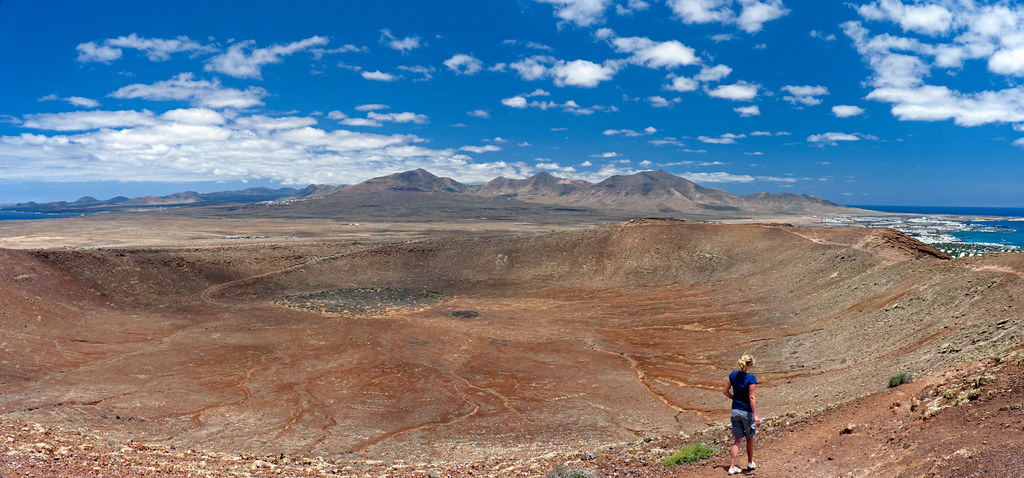
Approaching Cumbre Vieja, the landscape unfolds into a dramatic volcanic spine stretching across southern La Palma. The air carries a palpable sense of raw geological power, where recent lava flows contrast starkly with the lush greenery of the surrounding pine forests. Hiking here is an immersive journey through a living volcanic landscape, where the earth’s fiery forces have sculpted a terrain both beautiful and formidable. Reaching near the crater, hikers witness a panorama of blackened lava fields, mineral-streaked cones, and the vast Atlantic horizon, evoking awe and respect for the dynamic forces beneath.
The Volcano Itself: Geological Background
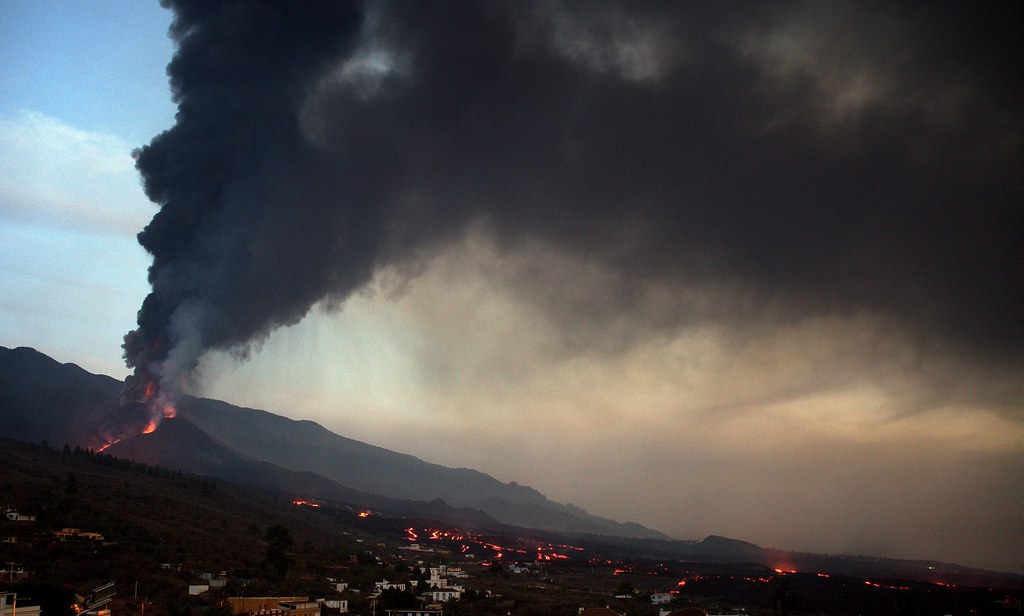
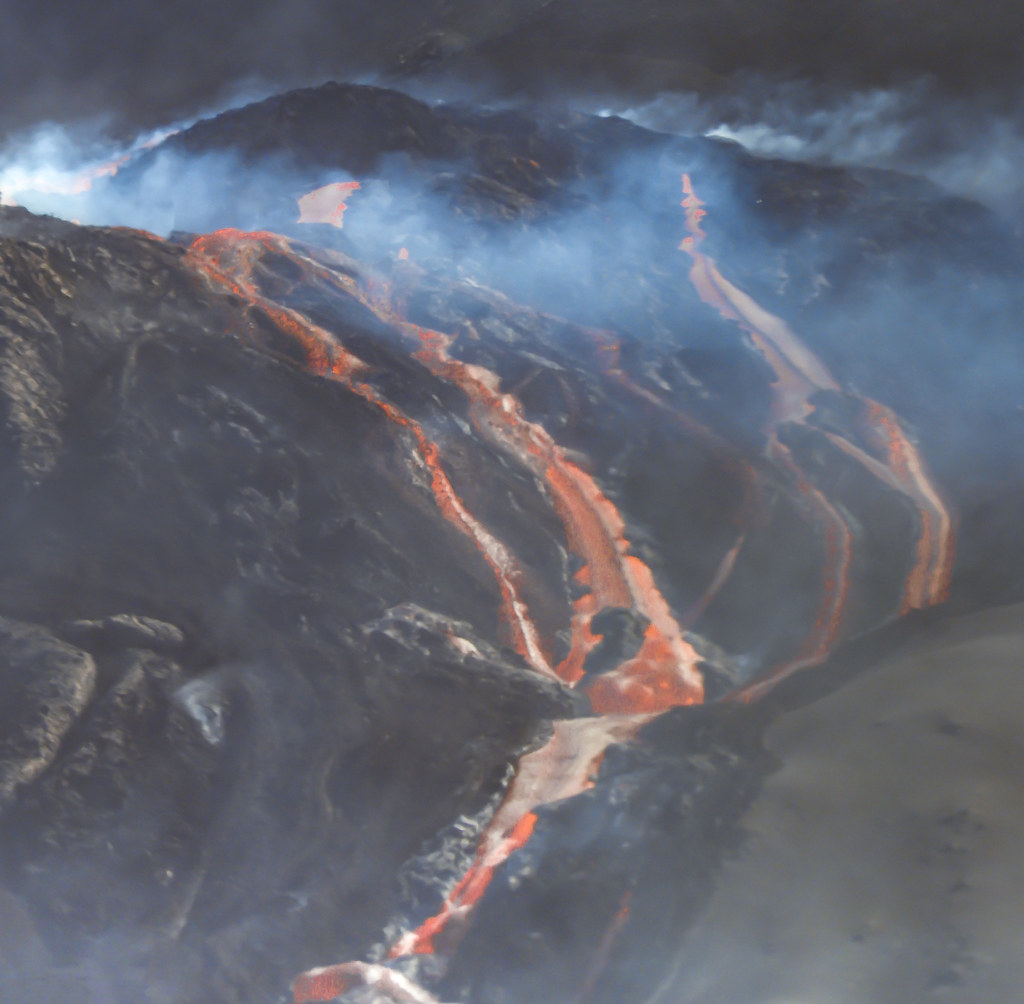
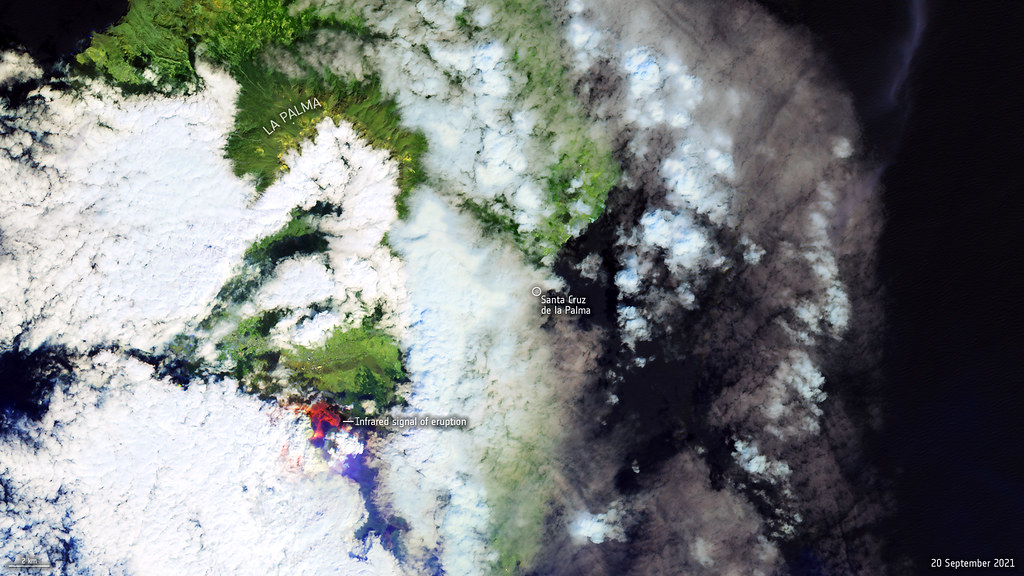
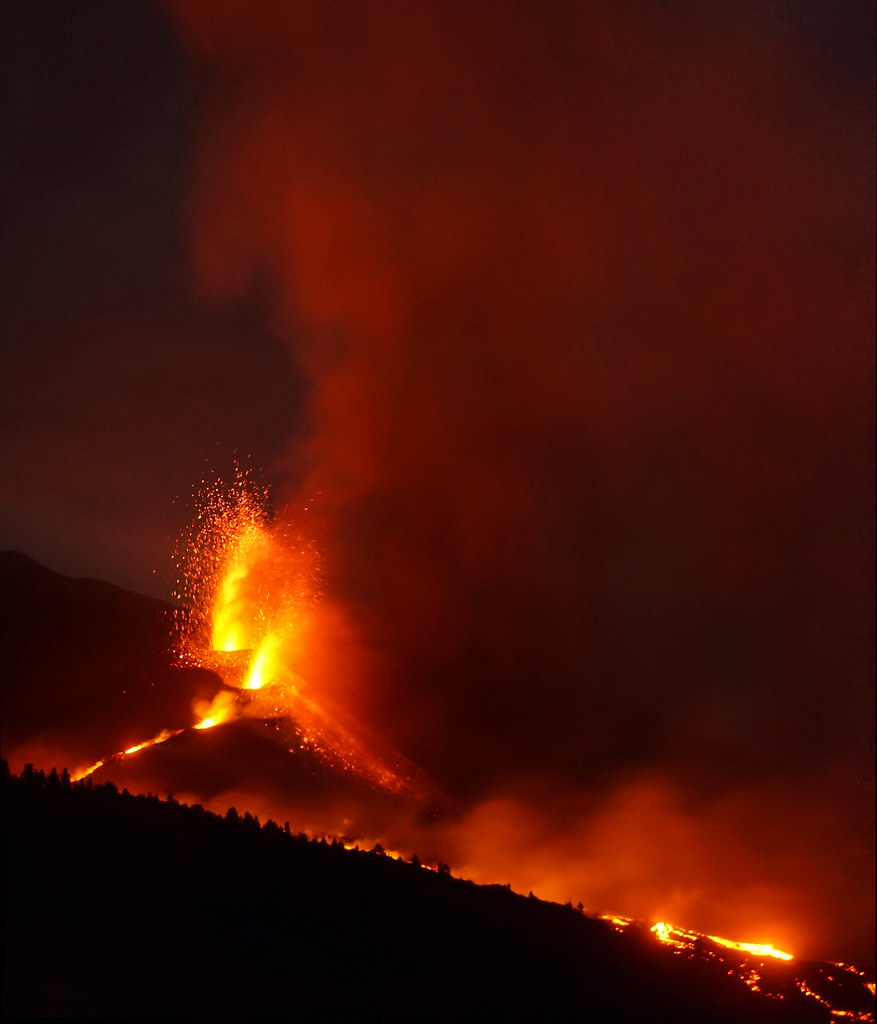
Cumbre Vieja is an elongated stratovolcano forming the southern volcanic ridge of La Palma, extending approximately 24 kilometers north to south. It is composed of numerous volcanic cones and craters—over 120 in total—making it a complex volcanic system. The volcano’s formation is the result of repeated eruptions over thousands of years, with the most recent eruption occurring in 2021. This eruption created the Tajogaite cone, dramatically reshaping the landscape with extensive lava flows that reached the ocean, adding new land to the island. The volcano’s geology features layers of basaltic lava, ash, and pumice, interspersed with fumaroles and sulfur deposits that color the terrain in ochre, yellow, and red hues. The volcanic activity is closely monitored due to its potential for sudden eruptions, and the area remains a vivid example of active island volcanism.
The Volcano Trek: Terrain and Hiking Experience
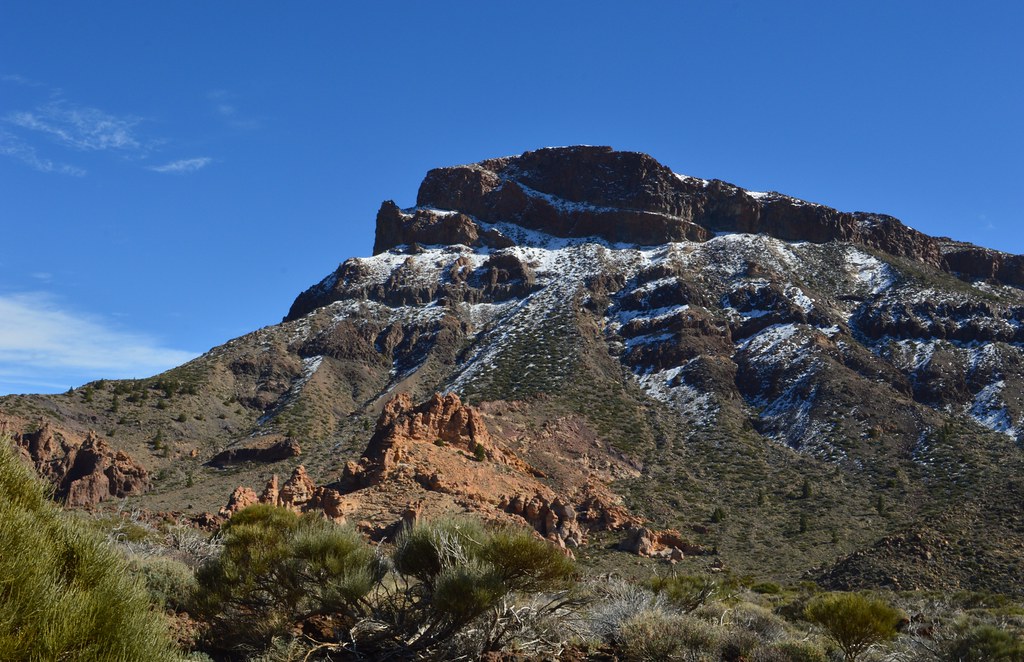
Hiking Cumbre Vieja is a demanding adventure that challenges trekkers with varied volcanic terrain and significant altitude gain. The trail traverses steep ash slopes, where loose volcanic sand and pumice can make footing unstable, requiring careful steps and sometimes the use of trekking poles for balance. Lava rock scrambling is common, with jagged, uneven surfaces that test agility and endurance. The volcanic ridge offers exposed sections along crater rims, where wind conditions can be strong and temperatures fluctuate rapidly, from warm sunlit valleys to chilly, gusty summits. The trail’s surface changes frequently—from compacted volcanic ash to sharp volcanic rock and hardened lava flows—each demanding different hiking techniques. Altitude effects are moderate but noticeable, especially on the ascent to the highest points near 1,949 meters. The route rewards hikers with spectacular views of the volcanic cones, recent lava fields, and the Atlantic Ocean. Navigating the terrain requires good physical fitness, sturdy hiking boots with excellent grip, and preparedness for sudden weather changes. The volcanic landscape’s stark contrasts—from black lava to colorful mineral deposits and green pine forests—create a surreal hiking experience that is both physically challenging and visually stunning.
What Makes This Volcano Trek Unique
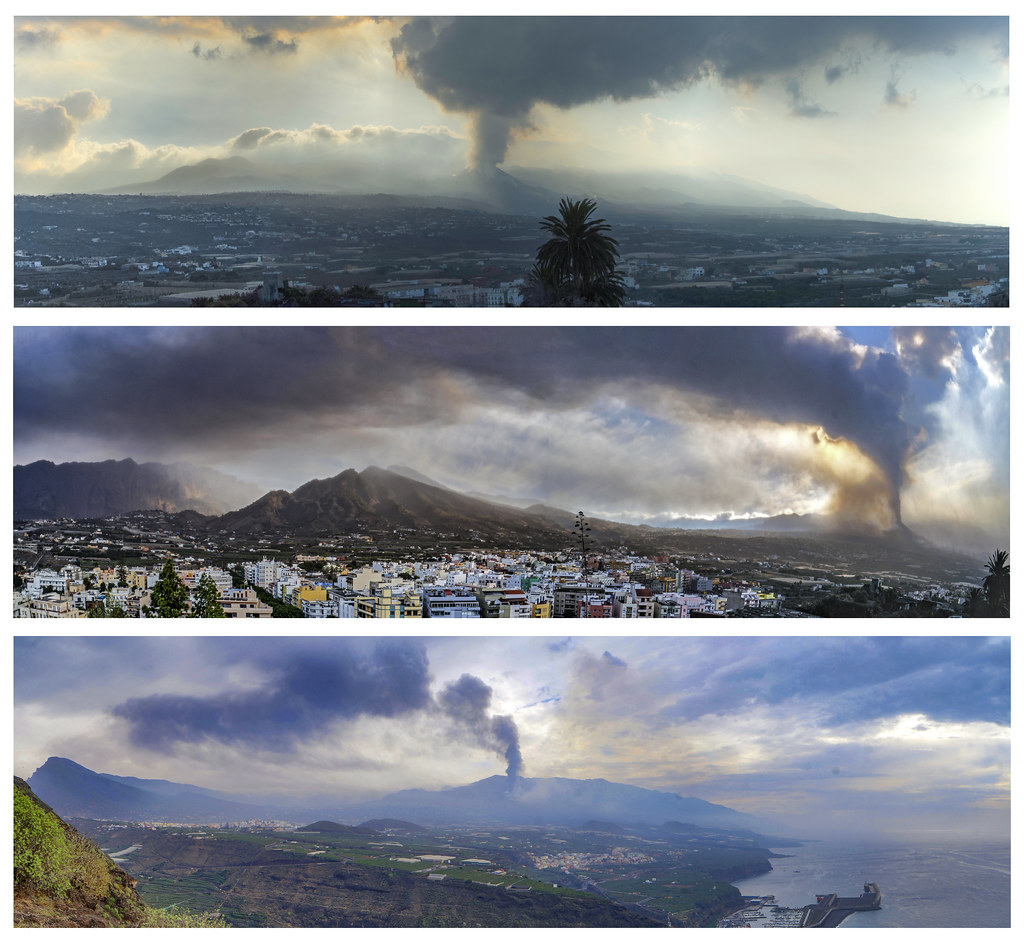
Cumbre Vieja’s trek is distinguished by its status as one of Europe’s youngest active volcanic landscapes, featuring the 2021 Tajogaite eruption’s fresh lava fields and volcanic cones. The volcano’s dynamic nature means hikers witness a landscape still in geological transformation, with steaming fumaroles and mineral-rich deposits coloring the terrain. The trail’s proximity to recent lava flows that reached the ocean is rare, offering a firsthand view of volcanic processes shaping new land. The contrast between the lush Canary pine forests and the barren volcanic desert adds to the trek’s uniqueness. Additionally, the panoramic views from the ridge encompass the Caldera de Taburiente to the north and the vast Atlantic, providing a dramatic backdrop to the volcanic adventure.
The Summit and Crater Experience
Reaching near the summit of Cumbre Vieja, hikers are greeted by a breathtaking panorama of volcanic cones and the sprawling lava fields below. The air carries the faint but distinct scent of sulfur, and the ground near fumaroles emits gentle warmth and occasional wisps of steam. The crater area, particularly around the Tajogaite cone, reveals a palette of volcanic minerals—ochres, yellows, and reds—that paint the rugged landscape. The soundscape includes the subtle hiss of escaping gases and the crunch of volcanic rock underfoot. From this vantage point, the vastness of the island’s volcanic spine and the Atlantic Ocean beyond create a profound sense of standing on the edge of Earth’s fiery heart.
Best Time to Trek Cumbre Vieja
The ideal seasons for trekking Cumbre Vieja are spring (April to June) and autumn (September to November), when temperatures are mild and the weather is generally stable. Summer months can bring intense sun and heat, increasing the risk of dehydration and making the loose volcanic ash terrain more challenging. Winter can be chilly and windy, especially on exposed ridges, so warm layers are essential. The volcanic activity is continuously monitored, and access to certain areas may be restricted during periods of increased activity. Early morning starts are recommended to avoid midday heat and to enjoy clearer views before potential cloud cover develops.
Trekking Routes and Trail Options
The primary trekking route across Cumbre Vieja is the Ruta de los Volcanes, a roughly 22 to 24-kilometer trail that runs along the volcanic ridge from Refugio El Pilar in the north to Fuencaliente in the south. This route passes through the municipalities of El Paso, Mazo, and Fuencaliente, offering a continuous volcanic landscape experience. The trail features an altitude gain of approximately 1,200 meters and includes varied terrain such as pine forests, ash slopes, and lava fields. For access to the recently erupted Tajogaite volcano area, guided tours are mandatory due to safety and environmental regulations. These guided hikes typically start from Llano del Jable and cover about 5 kilometers round trip, bringing hikers close to the active crater area while providing expert geological insights. Alternative descent options from the viewpoint include a circular route with some steep sections or a mostly downhill path to Las Manchas, suitable for different fitness levels. Self-guided hikers can explore sections of the Ruta de los Volcanes, but should be prepared for challenging terrain and navigation.
Difficulty Assessment
Cumbre Vieja is classified as a demanding volcano trek due to its length, altitude gain, and challenging volcanic terrain. The hike involves steep ascents on loose ash and pumice slopes, scrambling over jagged lava rocks, and navigating exposed ridges subject to strong winds. While technical climbing equipment is not required, hikers should have good physical fitness, surefootedness, and experience with uneven terrain. Altitude effects are moderate but can impact those unaccustomed to elevations near 2,000 meters. The trek is not recommended for beginners or those with limited hiking experience. Proper preparation, including acclimatization and carrying sufficient water and protective gear, is essential for a safe and enjoyable ascent.
Essential Volcano Trekking Gear
Key gear for trekking Cumbre Vieja includes sturdy hiking boots with excellent grip to handle loose volcanic ash and sharp lava rocks. Trekking poles are highly recommended to aid balance on unstable slopes. A windproof and waterproof jacket is essential due to variable weather and strong winds on exposed ridges. Sun protection—hat, sunglasses, and sunscreen—is critical as shade is minimal. Carry at least 3 liters of water and high-energy snacks to maintain hydration and energy. A headlamp is useful for early morning or late afternoon hikes. A small first aid kit, blister care, and a map or GPS device are advised. While gas masks are not generally required, hikers should be aware of volcanic gas warnings and avoid restricted fumarole areas.
Safety and Volcanic Hazards
Trekking Cumbre Vieja involves inherent volcanic risks that require vigilance and preparation. Volcanic gases such as sulfur dioxide can be present near fumaroles and recent lava flows, posing respiratory hazards; hikers should heed official warnings and avoid restricted zones. The terrain includes unstable crater edges and loose scree, increasing the risk of falls and rockslides. Sudden weather changes can bring strong winds and reduced visibility, especially along exposed ridges. The volcano is actively monitored by local geological agencies, and access to certain areas is regulated to ensure safety. Hikers must follow marked trails, respect closures, and consider guided tours for the most hazardous sections. Emergency services are available on the island, but self-sufficiency and preparedness are crucial in this remote volcanic environment.
Permits, Guides, and Logistics
Access to the Cumbre Vieja volcano, especially the recently active Tajogaite area, is regulated by the Cabildo of La Palma to ensure safety and environmental protection. While the broader Ruta de los Volcanes trail does not require permits, visiting the restricted volcanic zones near the 2021 eruption site mandates participation in guided tours. These tours are operated by several reputable companies including Isla Bonita Tours, Canary Live Experience, La Palma Transfer & Tours, Natour Travel, and Tripwoow. Guided hikes typically last around 2.5 hours and cover approximately 5 kilometers, bringing visitors close to the crater while providing expert commentary on the eruption’s geology and impact. Booking in advance is strongly recommended due to high demand and group size limits (usually up to 14 participants). Tour prices are regulated, with discounts for Canary Islands residents and restrictions for children under three years old. Logistics include meeting points in towns such as El Paso or Llano del Jable, with some operators offering hotel pickups from Santa Cruz de La Palma, Los Llanos, and other locations. Visitors should prepare for moderate physical exertion and bring appropriate gear. The volcanic park remains open year-round, but access can be temporarily restricted during increased volcanic activity or adverse weather. Public transport options are limited near trailheads, so arranging private transfers or joining organized tours is advisable.
Where to Stay Near Cumbre Vieja
Accommodation options near Cumbre Vieja cater to a range of preferences, from cozy guesthouses to comfortable hotels and self-catering apartments. The nearby towns of El Paso and Los Llanos de Aridane serve as popular bases, offering convenient access to trailheads and local amenities. El Paso features several small hotels and rural guesthouses that provide a tranquil atmosphere close to nature. Los Llanos, the island’s second-largest town, offers a wider selection of accommodations including boutique hotels, apartments, and restaurants. Santa Cruz de La Palma, the island’s capital, is about a 30-minute drive and provides additional lodging and cultural attractions. While there are no accommodations directly on the volcanic ridge, many tour operators offer hotel pickups from these towns. Visitors seeking immersive nature experiences can find rural casas rurales and eco-lodges in the surrounding areas. It is advisable to book accommodations well in advance during peak trekking seasons. Amenities typically include Wi-Fi, parking, and local cuisine options. Staying in these towns also facilitates access to transportation, guided tours, and other island attractions, making them ideal bases for exploring Cumbre Vieja and the broader La Palma volcanic landscape.