
Mount Hasan Volcano Trekking Guide: Exploring Central Anatolia’s Majestic Dormant Stratovolcano
Mount Hasan, a dormant stratovolcano in Central Anatolia, Turkey, offers a unique trekking experience combining geological wonders, rich history, and panoramic views. This guide covers the volcano’s geological background, detailed hiking terrain, routes, logistics, safety, and accommodation options for adventurous trekkers.
Quick Volcano Snapshot
| Attribute | Value |
|---|---|
| Volcano type | Stratovolcano |
| Elevation | 3,268 meters (10,722 feet) |
| Location | Central Anatolia, Turkey |
| Activity status | Dormant |
| Trekking difficulty | Moderate |
| Typical trek duration | 6 to 8 hours |
| Altitude gain | Approx. 1,300 meters |
| Terrain type | Volcanic scree, lava flows, oak forests, rocky ridges |
| Best season | Late spring to early autumn; winter for ski touring |
| Temperature range | -10°C to 20°C depending on season and altitude |
| Permit requirement | No special permit required; guided tours recommended |
Introduction: The Experience of Hiking Mount Hasan
Approaching Mount Hasan, the vast Anatolian plateau gives way to the towering silhouette of this majestic dormant stratovolcano. The landscape shifts dramatically from oak-clad lower slopes to barren volcanic scree and rugged ridges. Hiking here means stepping into a geological story millions of years in the making, where ancient lava flows and volcanic cones tell tales of fire and earth. The ascent rewards trekkers with sweeping panoramas of Cappadocia’s surreal fairy chimneys, the distant Erciyes volcano, and the shimmering Tuz Lake. Reaching the summit crater, hikers feel a profound connection to the land’s volcanic power and its deep cultural roots, making the climb a journey of both natural wonder and personal discovery.
Geological Background of Mount Hasan
Mount Hasan is a classic stratovolcano formed through multiple eruptive phases beginning in the Miocene and continuing into the Holocene. It features two prominent summits: Big Hasan (3,268 meters) and Small Hasan (3,069 meters), each shaped by lava domes, flows, and nested craters. The volcano’s last known eruption occurred around 6200 BCE, leaving behind fertile volcanic soils that have supported human settlement for millennia. The volcanic activity contributed significantly to the formation of the Cappadocian landscape, depositing thick tuff layers that later eroded into the famous fairy chimneys and cave dwellings. Geological features include ancient lava flows, parasitic cones, and fumarolic areas indicating residual subterranean heat. The mountain’s complex structure reflects regional tectonics and fault systems, making it a fascinating site for both volcanologists and trekkers interested in earth sciences.
The Volcano Trek: Terrain and Hiking Experience
Trekking Mount Hasan offers a diverse and engaging hiking experience shaped by its volcanic origins and Anatolian geography. The journey typically begins in the oak forests that cloak the lower slopes up to around 1,750 meters, where hikers enjoy shaded trails and the sounds of local wildlife. As the ascent progresses, the terrain transitions into open volcanic scree and rocky ridges, demanding careful footing and steady pacing. The volcanic scree consists of loose pumice and ash, which can be slippery and tiring underfoot, especially on steeper sections near the summit. Hikers encounter lava rock formations and occasional patches of snow or ice during colder months, requiring appropriate gear such as trekking poles and crampons for winter ascents. The trail often follows natural ridgelines, exposing trekkers to strong winds and temperature fluctuations, with daytime warmth giving way to chilly summit conditions. The final approach to the summit crater involves navigating a broad, dry crater floor surrounded by steep inner cones, offering a dramatic and rewarding climax to the hike. Throughout the trek, panoramic views unfold, including the distant Erciyes volcano, the expansive Salt Lake, and the unique geological formations of Cappadocia. The moderate difficulty level suits hikers with good fitness and some mountain experience, while the well-marked Helvadere route provides a safe and accessible path for most. The combination of varied terrain, geological features, and stunning vistas makes Mount Hasan a compelling destination for volcano trekking enthusiasts.
What Makes This Volcano Trek Unique
Mount Hasan stands out for its rich blend of geological significance, cultural history, and natural beauty. Unlike many active volcanoes, its dormant status allows for safe exploration of volcanic features such as nested craters, lava domes, and ancient lava flows. The mountain’s connection to the nearby Neolithic site of Çatalhöyük, where murals depict its ancient eruptions, adds a profound historical dimension to the trek. The volcanic deposits from Mount Hasan played a crucial role in shaping the surreal landscapes of Cappadocia, linking the trek to one of Turkey’s most iconic regions. Additionally, the twin summits and large dry crater provide unique summit experiences rarely found on other Anatolian volcanoes. Seasonal activities such as winter ski touring and summer paragliding further diversify the adventure opportunities. The trek’s moderate difficulty combined with its scientific and cultural layers makes it a distinctive journey for both outdoor enthusiasts and geology aficionados.
The Summit and Crater Experience
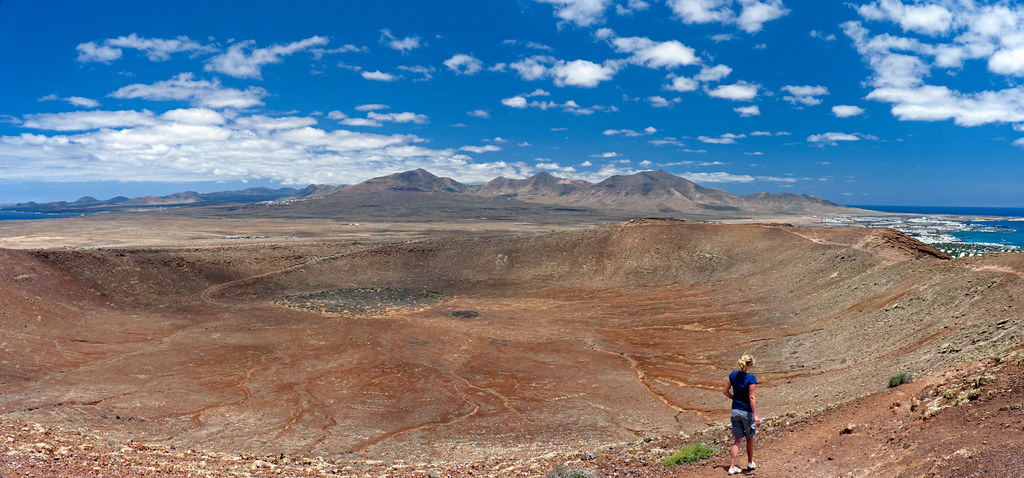
Reaching Mount Hasan’s summit is a moment of awe and reflection. The broad, dry crater stretches beneath your feet, a silent testament to the volcano’s fiery past. From this vantage point, panoramic views sweep across Central Anatolia — the rugged Melendiz Mountains, the towering Erciyes volcano, the vast Salt Lake shimmering in the distance, and the fairy-tale landscapes of Cappadocia. The air is crisp and thin, carrying faint traces of sulfur and earthiness. The crater rim’s exposed ridges offer dramatic photo opportunities, while the silence is punctuated only by the wind’s whisper and the occasional call of birds. The summit’s geological features — from the steep inner cones to scattered volcanic rocks — invite exploration and contemplation of the mountain’s dynamic history. This summit experience is both a physical achievement and a profound connection to the region’s volcanic heritage.
Best Time to Trek Mount Hasan
The optimal trekking season for Mount Hasan spans late spring through early autumn, when weather conditions are most stable and temperatures range comfortably between 5°C and 20°C. During this period, trails are generally free of snow, and daylight hours are long, allowing for safer and more enjoyable ascents. Summer months can bring warm daytime temperatures but cooler nights, especially at higher elevations. Winter trekking is possible but recommended only for experienced mountaineers equipped for snow and ice, as snow cover and icy slopes prevail from December to April. Winter also opens opportunities for ski touring on the mountain’s slopes. Spring and autumn offer crisp air and fewer crowds, ideal for those seeking solitude and clear panoramic views. Trekkers should monitor local weather forecasts and volcanic activity reports, although Mount Hasan is dormant with no recent eruptions. Early morning starts are advised to avoid afternoon winds and to maximize daylight for the climb.
Trekking Routes and Trail Options
Mount Hasan features several established routes catering to different experience levels and preferences. The most popular and accessible is the Helvadere Route, starting from the village of Helvadere on the southern face. This well-marked trail follows a dirt road to the Helvadere pond, then ascends through a valley with reliable water sources and suitable campgrounds. The final summit push involves navigating scree slopes and occasional snow patches, typically taking 6 to 8 hours total. This route is favored for its gradual incline and scenic diversity, passing through oak forests and volcanic terrain. Another option is the Dikilitaş Route on the northern face, which is steeper and less frequented, appealing to experienced climbers seeking solitude and challenge. The Yukarı Dikmen Route from the west offers alpine pastures and expansive views but includes loose scree slopes that can be tiring. For those seeking a ridge experience, the Summit Ridge Route begins near a mountain chalet at 1,950 meters, climbing steadily along rocky terrain with panoramic vistas of surrounding peaks and valleys. Guided tours often combine these routes with cultural stops, such as the Milk Church (Süt Kilisesi) and nearby archaeological sites. Self-guided trekkers should prepare with detailed maps and local advice, as trail conditions can vary seasonally.
Difficulty Assessment
Mount Hasan is classified as a moderate volcano trek, suitable for hikers with a reasonable level of fitness and some mountain hiking experience. The terrain includes loose volcanic scree, rocky ridges, and occasional snow or ice patches in colder months, requiring sure-footedness and stamina. The altitude gain of approximately 1,300 meters and summit elevation above 3,200 meters can pose mild altitude effects, so acclimatization is recommended, especially for those coming from low elevations. The routes are non-technical, with no need for climbing equipment under normal conditions, but trekking poles and sturdy boots with good grip are essential. Winter ascents increase difficulty due to snow and ice, necessitating crampons and ice axes for safety. Overall, the trek demands endurance and preparation but does not require advanced mountaineering skills, making it accessible to adventurous hikers seeking a rewarding volcanic summit experience.
Essential Volcano Trekking Gear
For a successful Mount Hasan trek, essential gear includes sturdy hiking boots with excellent traction to handle loose volcanic scree and rocky terrain. Trekking poles are highly recommended to aid balance and reduce knee strain on steep slopes. Layered clothing is vital to adapt to temperature changes from warm valleys to chilly summit conditions; include moisture-wicking base layers, insulating mid-layers, and a windproof, waterproof outer shell. A warm hat and gloves are necessary, especially for early starts or winter climbs. Sun protection is critical due to high altitude and exposed terrain — bring sunglasses, sunscreen, and a wide-brimmed hat. Hydration systems or water bottles with sufficient capacity are essential, as water sources are limited above the tree line. A headlamp is useful for pre-dawn starts or late descents. In winter or snowy conditions, crampons and an ice axe are required for safe travel on icy slopes. Additionally, a basic first aid kit, map, compass or GPS device, and emergency shelter or bivy bag enhance safety. Gas masks or respirators are not typically needed as the volcano is dormant with no active fumaroles.
Safety and Volcanic Hazards
Mount Hasan is a dormant volcano with no recent eruptive activity, significantly reducing volcanic hazards for trekkers. However, safety considerations remain paramount. The loose volcanic scree and rocky ridges can cause slips and falls, especially on steep sections or when wet. Sudden weather changes, including strong winds and temperature drops near the summit, require proper clothing and preparedness. Although fumarolic activity is minimal, hikers should be aware of potential residual geothermal heat zones and avoid unstable ground near crater edges. Altitude sickness can affect some climbers due to the summit’s elevation above 3,200 meters; acclimatization and hydration are essential. Local authorities and Turkish geological monitoring agencies provide updates on volcanic activity and weather conditions; trekkers should consult these before planning ascents. Guided tours enhance safety by providing expert knowledge of terrain and emergency procedures. Overall, with proper preparation and respect for mountain conditions, Mount Hasan offers a safe and rewarding trekking experience.
Permits, Guides, and Logistics
Mount Hasan does not require special permits for trekking, making it accessible for independent hikers and guided groups alike. However, hiring a local guide is highly recommended to enhance safety, navigation, and cultural understanding. Several reputable tour operators offer guided climbs and multi-day trekking packages, including Wild Pace Turkey, Middle Earth Travel, and Climb Anatolia. These companies provide expert local guides familiar with Mount Hasan’s terrain, history, and geology, often including transport, accommodation arrangements, and meals. The most popular starting point is Helvadere village, accessible by road from Aksaray city, which lies approximately 50 kilometers away. Aksaray is well connected by bus and car from major Turkish cities such as Ankara and Istanbul. Trekkers can arrange transfers from Aksaray to Helvadere or nearby trailheads. Accommodation options range from mountain chalets and guesthouses in Helvadere to hotels in Aksaray. For independent trekkers, it is advisable to carry sufficient water and food supplies, as facilities on the mountain are limited. Seasonal considerations include winter snow cover, which may require additional gear and guide support. Park entry fees are generally not applicable, but some local fees may apply for camping or guided services. Booking guides in advance is recommended during peak trekking seasons to ensure availability and tailored support.
Where to Stay Near Mount Hasan
Accommodation options near Mount Hasan cater to a range of preferences, from rustic mountain lodges to comfortable hotels in nearby towns. The village of Helvadere, located on the southern slopes, serves as the primary base for most treks. Here, visitors can find small guesthouses and mountain chalets offering basic amenities, warm hospitality, and proximity to trailheads. Notable options include local family-run pensions that provide hearty Anatolian meals and a cozy atmosphere ideal for acclimatization. In the city of Aksaray, approximately a 45-minute drive from Helvadere, travelers have access to a wider selection of hotels with modern facilities, restaurants, and transport connections. Aksaray’s accommodations range from budget-friendly inns to mid-range hotels such as the Dedeman Aksaray Hotel, which offers comfortable rooms and easy access to the mountain region. For those seeking a more immersive experience, eco-lodges and camping sites are available near the mountain base, allowing trekkers to rest amid nature. Seasonal visitors in winter can also find ski chalets catering to snow sports enthusiasts. Regardless of choice, staying near Helvadere or Aksaray provides convenient access to Mount Hasan’s trails, local guides, and cultural sites, ensuring a well-rounded trekking adventure.