Climbing Villarrica Volcano: The Ultimate Guide to Trekking Chile’s Active Lava Giant
Villarrica Volcano, one of South America’s most active stratovolcanoes, offers a demanding yet unforgettable trekking experience. This guide covers everything from geological insights to trekking routes, safety, permits, and accommodation options in the La Araucanía region of Chile.
Quick Volcano Snapshot
| Attribute | Value |
|---|---|
| Volcano type | Stratovolcano |
| Elevation | 2,847 meters |
| Location | La Araucanía, Chile |
| Activity status | Active |
| Trekking difficulty | Demanding |
| Typical trek duration | 10 hours |
| Altitude gain | Approximately 1,600 meters |
| Terrain type | Lava fields, snow and ice glacier, volcanic ash slopes |
| Best season | October to April (Spring to Autumn) |
| Temperature range | -5°C to 15°C at summit depending on season |
| Permit requirement | Required, included with guided tours |
The Experience of Hiking Villarrica Volcano
Approaching Villarrica Volcano, the landscape unfolds with raw volcanic power and stark contrasts. The barren lava fields and steaming fumaroles evoke a primeval force, while the surrounding forests and glistening lakes frame the ascent with natural beauty. Climbing this active volcano is a visceral journey through shifting terrain — from rugged volcanic rock to icy glaciers — culminating in the breathtaking moment of standing at the crater’s edge, peering into a bubbling lava lake. The emotional intensity of this experience is profound, as hikers confront the dynamic heart of the Earth beneath a vast Andean sky.

Geological Background of Villarrica Volcano
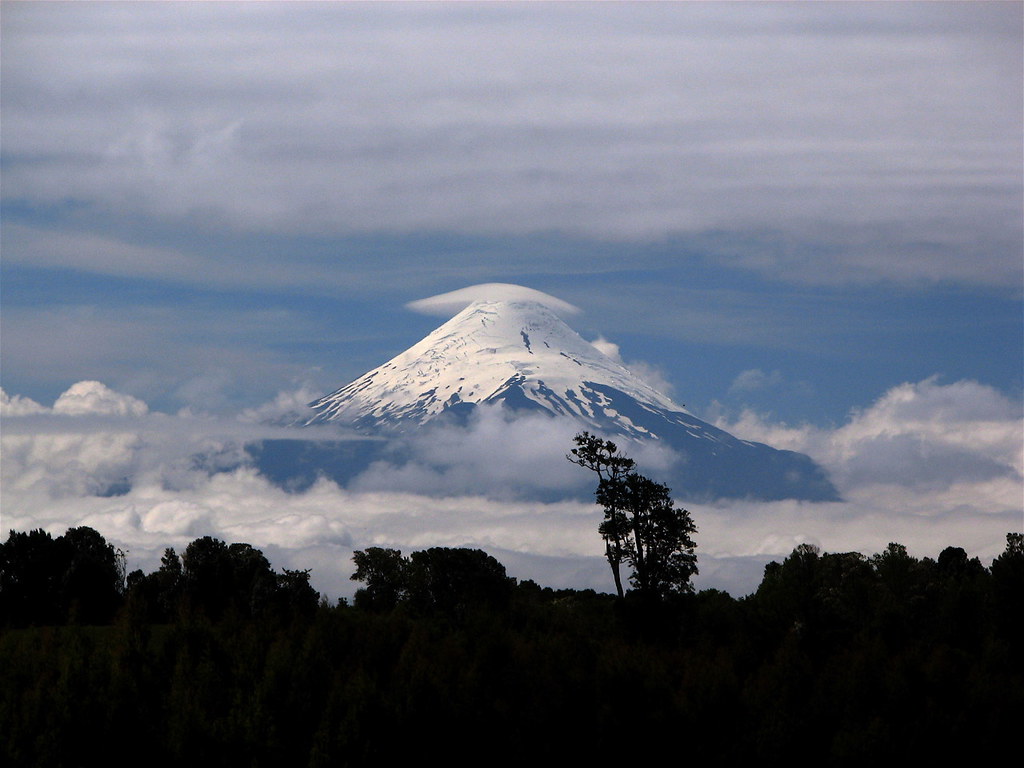
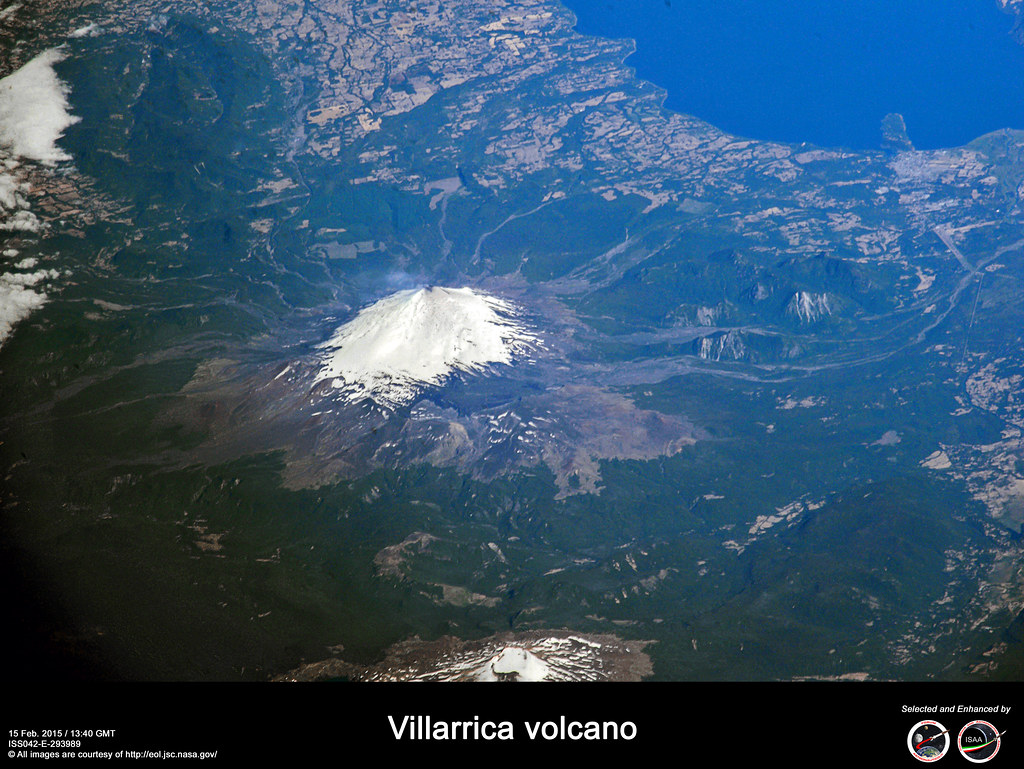
Villarrica is a classic stratovolcano formed by successive layers of lava flows, ash, and volcanic debris. Rising to 2,847 meters, it is one of Chile’s most active volcanoes, with frequent eruptions recorded throughout history, the most recent significant activity occurring in 2015. The volcano’s summit features a persistent lava lake within its crater, a rare phenomenon accessible to trekkers under guided conditions. Villarrica’s geology is marked by basaltic and andesitic lava flows, extensive fumarolic activity, and sulfur deposits that tint the crater rim yellow. The volcano’s glaciers and snowfields overlay much of the upper slopes, creating a striking contrast between fire and ice. Its formation is tied to the subduction of the Nazca Plate beneath the South American Plate, fueling its ongoing volcanic activity.
Terrain and Hiking Experience on Villarrica Volcano
The trek up Villarrica Volcano is a physically demanding adventure that challenges hikers with a variety of volcanic terrains. Starting from the ski center base at approximately 1,200 meters, the trail ascends steadily through rugged lava fields and loose volcanic ash slopes. Early sections feature rocky paths interspersed with patches of native forest, but as altitude increases, vegetation thins and the landscape becomes dominated by barren volcanic rock and scree.
Hikers encounter steep ash slopes that require careful footing, especially when descending, as the loose material can shift underfoot. The upper slopes transition to snow and ice fields where crampons and ice axes become essential for safe passage. The glacier begins around 2,200 meters, and trekkers must navigate icy ridges and crevasses under the guidance of experienced mountaineering leaders.
Wind conditions near the summit can be harsh and temperatures drop significantly, demanding appropriate cold-weather gear. The final approach to the crater rim involves climbing steep, exposed slopes with sulfurous steam vents releasing volcanic gases. The terrain here is rugged and uneven, with sharp volcanic rocks and fumaroles emitting heat and sulfur odors.
Throughout the ascent, hikers experience altitude effects, including increased breathing effort and potential mild symptoms of altitude sickness. The combination of physical exertion, technical terrain, and volatile volcanic environment makes this trek suitable only for those in good physical condition and with a strong sense of adventure.
Descending Villarrica offers a unique thrill as trekkers often slide down the volcanic ash and snow slopes, a fast and exhilarating way to return to base. Overall, the hike is a blend of strenuous climbing, technical glacier travel, and immersive volcanic landscape exploration, providing an unforgettable experience for dedicated volcano trekkers.
What Makes the Villarrica Volcano Trek Unique
Villarrica Volcano stands out as one of the few active volcanoes in the world where trekkers can safely approach an active lava lake within the crater. This rare opportunity to witness molten lava bubbling beneath your feet is a powerful draw for adventure seekers and volcanology enthusiasts alike. The juxtaposition of fiery volcanic activity with the icy glacier fields on the upper slopes creates a dramatic and unique environment.
The panoramic views from the summit are spectacular, encompassing a chain of eight volcanoes including Llaima, Lonquimay, and Lanín, as well as numerous glacial lakes such as Villarrica, Calafquén, and Caburgua. The descent offers the exhilarating experience of sliding down volcanic ash and snow, adding a playful element to the challenging climb.
Culturally, the volcano is significant to the indigenous Mapuche people, who call it Rukapillán, meaning ‘House of the Devil.’ This connection enriches the trek with a sense of history and local heritage. The accessibility of Villarrica from the adventure hub of Pucón, combined with professional guiding services and well-established trekking infrastructure, makes it a premier destination for active volcano trekking in South America.
The Summit and Crater Experience
Reaching the summit of Villarrica Volcano is a moment of awe and exhilaration. At 2,847 meters, hikers stand on the rim of an active crater, where sulfurous steam vents hiss and the ground radiates heat. The air is thick with the sharp scent of sulfur, and occasional bursts of volcanic gas escape with a low rumble, underscoring the volcano’s living power.
From this vantage point, the panoramic views stretch across the Andes, revealing a mosaic of snow-capped peaks, dense forests, and shimmering lakes. The crater itself is a dynamic spectacle; on clear days, the glowing orange lava lake is visible, its molten surface shifting and bubbling in a mesmerizing display of Earth’s inner fire.
The summit experience is brief, typically limited to around 10 minutes for safety reasons, but it leaves a lasting impression. The combination of sensory elements — the heat, the smell, the sound, and the expansive vistas — creates a profound connection to the planet’s volcanic forces. Descending from the summit, hikers carry with them the memory of standing at the edge of an active volcano, a rare and thrilling achievement.

Best Time to Trek Villarrica Volcano
The optimal trekking season for Villarrica Volcano runs from October through April, encompassing the Southern Hemisphere’s spring, summer, and early autumn. During these months, weather conditions are generally stable, trails are clear of heavy snow, and temperatures are milder, making the ascent safer and more enjoyable.
Winter months bring heavy snow and colder temperatures, increasing the technical difficulty and risks associated with the climb. Some tour operators offer ski mountaineering ascents during winter and spring, but these require specialized skills and equipment.
Volcanic activity is continuously monitored, and access to the summit may be restricted during periods of increased eruption risk. It is essential to check current volcanic activity reports and heed local authorities’ guidance before planning a climb.
Early morning starts are common to take advantage of calmer weather and to avoid afternoon winds. Sunrise climbs offer spectacular lighting and cooler temperatures but require headlamps and additional preparation. Avoiding the rainy season and high winds is crucial for safety and comfort.
Trekking Routes and Trail Options on Villarrica Volcano
The primary route for ascending Villarrica Volcano begins at the Villarrica Ski Center, located at approximately 1,200 meters elevation. From here, trekkers follow a well-established trail that climbs steadily through volcanic terrain and snowfields to the summit at 2,847 meters.
Many guided tours offer the option to take a chairlift for the initial 50 minutes of ascent, reducing the physical demand and allowing more time to acclimatize on the upper slopes. The chairlift is optional and requires an additional fee paid on-site.
The route includes a mix of volcanic ash slopes, rocky paths, and glacier travel. At around 2,200 meters, hikers transition onto the glacier, where crampons and ice axes are used under guide supervision. The trail is non-technical but physically demanding, requiring good fitness and some mountaineering skills.
Descent is typically via the same route, with the added thrill of sliding down snow and ash slopes. Some operators may offer alternative descent options depending on conditions.
Self-guided ascents are possible for experienced mountaineers familiar with glacier travel and volcanic hazards, but most visitors opt for guided tours due to safety considerations and permit requirements.
Overall, the Villarrica Volcano trek is a single main route with optional chairlift access, supported by multiple reputable guiding companies based in Pucón.
Difficulty Assessment of Villarrica Volcano Trek
Villarrica Volcano is classified as a demanding volcano trek. The ascent involves sustained physical effort over approximately 5 to 6 hours, with an altitude gain of around 1,600 meters. The terrain includes steep volcanic ash slopes, loose scree, and glacier travel requiring crampons and ice axes.
Altitude effects are moderate but noticeable, as the summit is nearly 2,850 meters above sea level. Climbers should be in good physical condition, with cardiovascular fitness and endurance to manage the climb and descent.
Technical mountaineering skills are not strictly required for the standard guided route, but familiarity with glacier equipment and basic climbing techniques is beneficial. The use of gas masks near the crater is necessary due to volcanic gases.
This trek is not suitable for beginners or those with serious medical conditions. It is recommended for experienced hikers and adventure travelers comfortable with challenging mountain environments.
Essential Volcano Trekking Gear for Villarrica
Successful ascent of Villarrica Volcano requires specialized gear to handle volcanic terrain and glacier conditions. Essential items include sturdy hiking boots with good ankle support and grip, crampons for glacier travel, and an ice axe.
Warm, layered clothing is critical due to temperature fluctuations and wind exposure. Recommended layers include moisture-wicking base layers, insulating mid-layers, and a windproof, waterproof outer shell. Gloves, a warm hat, and sunglasses with UV protection are necessary.
A gas mask or respirator is mandatory near the crater to protect against sulfurous volcanic gases. Trekking poles help with balance on loose ash and scree slopes.
Additional gear includes a headlamp for early starts, hydration systems to carry sufficient water, sunscreen to protect from intense sun exposure at altitude, and snacks for energy.
Most guided tours provide technical equipment such as helmets, crampons, ice axes, and gas masks, but personal gear like clothing and boots should be high quality and well-fitted.
Safety and Volcanic Hazards on Villarrica Volcano
Climbing Villarrica Volcano involves inherent risks associated with active volcanic environments. Volcanic gases such as sulfur dioxide can be hazardous; hence, the use of gas masks near the crater is compulsory. These gases can cause respiratory irritation and eye discomfort.
The terrain includes unstable crater edges, loose volcanic ash, and scree slopes that increase the risk of falls and injuries. Climbers must exercise caution, especially on steep sections and during descent.
Falling rocks and sudden weather changes, including high winds and rapid temperature drops, pose additional hazards. The volcano’s activity is continuously monitored by Chilean authorities, and access may be restricted during periods of increased eruption risk.
Guided tours employ experienced mountaineers who assess conditions and enforce safety protocols. Climbers should follow all instructions, carry adequate safety gear, and be prepared for emergency situations.
Travel insurance covering evacuation and medical emergencies is strongly recommended. Awareness of personal physical limits and altitude sickness symptoms is essential for a safe ascent.
Permits, Guides, and Logistics for Villarrica Volcano Trek
Access to Villarrica Volcano requires a permit, which is typically included when booking a guided tour. Independent trekking without a guide is discouraged due to safety concerns and permit regulations.
Several reputable tour operators based in Pucón offer full-day guided climbs with all necessary equipment and park entrance fees included. Notable companies include Zenit Travel, Casa De Guias Pucon, Travel Inti, Nomades, and Mawida Adventures. These operators provide bilingual guides, technical gear such as crampons, ice axes, helmets, gas masks, and mountain clothing rental if needed.
Tours generally start early in the morning with hotel pickup in Pucón, followed by transfer to the Villarrica Ski Center where the ascent begins. The climb takes approximately 5 to 6 hours, with descent lasting around 2.5 hours. Some tours offer optional chairlift rides to reduce initial climbing time for an additional fee.
Permit costs are bundled with tour prices, which range around USD 150 to 200 per person depending on the operator and services included. It is essential to book at least 24 hours in advance, especially during peak season.
Participants must be over 12 years old, in good physical condition, and free from serious medical conditions such as heart problems. Pregnant women are not permitted to climb. Weather conditions and volcanic activity can cause last-minute cancellations or rescheduling, with full refunds typically offered.
Travel insurance covering adventure activities and emergency evacuation is strongly advised. Operators provide safety briefings and equipment checks before the climb. Communication devices and emergency protocols are standard to ensure climber safety.
Logistically, Pucón is the main gateway town with good accommodation, transport, and amenities. The volcano is accessible by road, and public transport options connect Pucón with nearby cities and airports. Most tours include round-trip transfers from accommodation within urban areas.
Where to Stay Near Villarrica Volcano
The town of Pucón serves as the primary base for Villarrica Volcano treks, offering a wide range of accommodation options catering to adventure travelers. Pucón is located approximately 25 kilometers from the volcano’s base and provides easy access to tour operators, gear rental shops, and transport services.
Popular lodging includes hostels, boutique hotels, and eco-lodges. Casa Kiwi Hostel is a favorite among backpackers for its social atmosphere and proximity to tour offices. For more comfort, Hotel Antumalal offers upscale amenities with stunning lake and volcano views.
In Villarrica town, closer to the lake shore, accommodations such as Hotel Terraza Suite provide modern rooms with panoramic views of Villarrica and the volcano. The town features local restaurants, craft markets, and hot springs within a short drive.
For a luxury experience, andBeyond Vira Vira lodge is situated on a 34-acre estate bordering the Liucura River with views of Villarrica Volcano. It offers farm-to-table dining, spa services, and cozy suites, ideal for travelers seeking tranquility after the climb.
Most accommodations provide shuttle services or easy transport connections to the Villarrica Ski Center, the usual starting point for the ascent. Early morning pickups for guided tours are common, so staying in Pucón or Villarrica town ensures convenience.
Amenities such as equipment rental shops, outdoor gear stores, and travel agencies are abundant in Pucón, making it the logistical hub for volcano trekking. Visitors are advised to book accommodations well in advance during peak trekking seasons to secure availability.