
Hiking Mount Mazama: Exploring Oregon’s Majestic Caldera and Crater Lake
Mount Mazama, a dormant caldera volcano in Oregon, offers an extraordinary trekking experience through ancient volcanic landscapes culminating in the breathtaking Crater Lake. This guide covers the geology, terrain, routes, logistics, and accommodations for adventurers seeking to explore this iconic Cascade Range volcano.
Quick Volcano Snapshot
| Attribute | Value |
|---|---|
| Volcano type | Caldera |
| Elevation | 8,157 ft (2,486 m) |
| Location | Klamath County, Oregon, United States |
| Activity status | Dormant |
| Trekking difficulty | Easy to Moderate |
| Typical trek duration | Half-day to full-day hikes |
| Altitude gain | Up to 1,000 ft on main trails |
| Terrain type | Forest trails, rocky outcrops, caldera rim |
| Best season | Late May to September |
| Temperature range | 40°F to 75°F (4°C to 24°C) in summer |
| Permit requirement | No permit required for hiking; park entrance fee applies |
The Experience of Hiking Mount Mazama
Approaching Mount Mazama, hikers are greeted by a landscape shaped by immense geological forces. The towering caldera rim rises above a deep, pristine lake whose intense blue waters reflect the sky like a gem nestled in the Cascade Range. The trail weaves through dense old-growth forests, rocky ridges, and volcanic soils, offering a sensory immersion into the raw power of nature. Each step brings a deeper connection to the ancient eruption that reshaped this land. Reaching viewpoints along the caldera rim, the vastness of the crater lake and surrounding peaks evokes awe and a profound sense of standing on the edge of a sleeping giant.
Geological Background of Mount Mazama
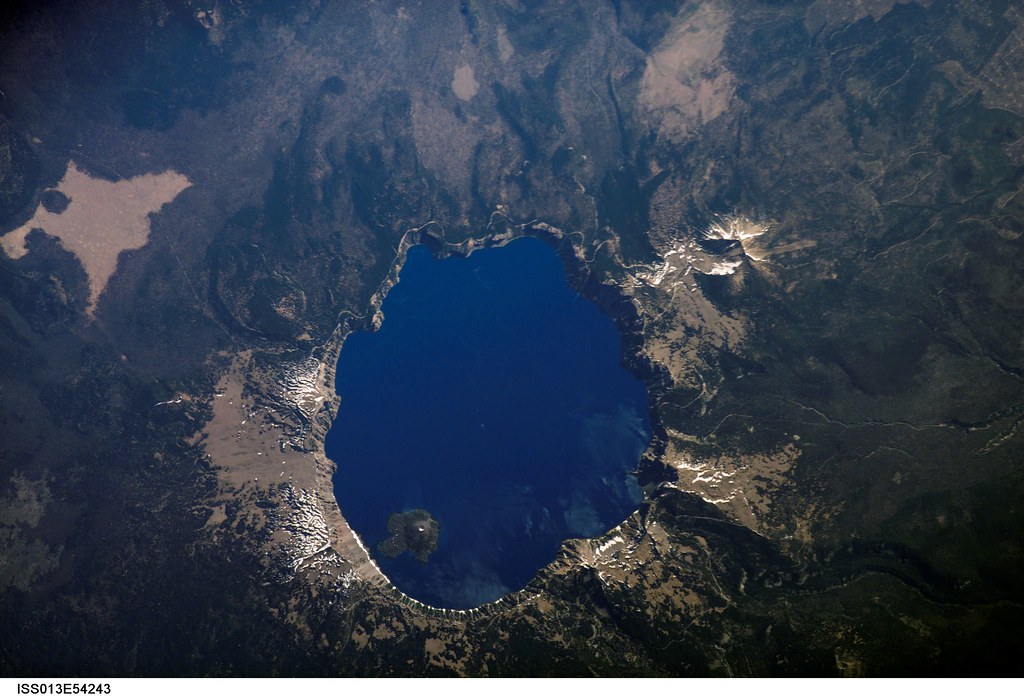
Mount Mazama is a complex caldera volcano located in the southern Cascade Range of Oregon. Formed by overlapping volcanic structures including shield volcanoes and composite cones, it was active intermittently until a cataclysmic eruption approximately 7,700 years ago. This massive eruption emptied the magma chamber beneath the volcano, causing the summit to collapse and form a caldera roughly 5 to 6 miles wide and nearly a mile deep. The caldera subsequently filled with rain and snowmelt, creating Crater Lake, the deepest freshwater lake in the United States. The eruption was the largest in the Cascade Volcanic Arc in the past million years, drastically reducing Mount Mazama’s height from about 12,000 feet to its current 8,157 feet. The region’s volcanic activity is driven by the subduction of the oceanic plate beneath the North American plate, with local faulting influencing eruption patterns. Though currently dormant, smaller eruptions remain possible, warranting ongoing geological monitoring.
The Volcano Trek: Terrain and Hiking Experience
Hiking Mount Mazama offers a diverse and engaging terrain that reflects its volcanic origins and natural evolution. The trails typically begin within dense old-growth forests dominated by towering Douglas firs, western hemlocks, and ponderosa pines. The forest floor is carpeted with pine needles and moss, creating a soft, fragrant path that cushions each step. Early morning hikes often reveal mist clinging to the trees, enhancing the ethereal atmosphere. As the trail ascends, the forest thins, giving way to rocky outcrops and exposed ridges composed of volcanic rock and pumice. These sections require careful footing as loose scree and uneven surfaces challenge balance and stability. The volcanic soil is porous and well-drained, often dry and dusty in summer months, which can increase the risk of slipping on loose gravel.
The ascent is generally gradual, with switchbacks easing the climb along the caldera rim. Elevation gains are moderate, typically under 1,000 feet, making the trek accessible to hikers with reasonable fitness. However, altitude effects such as thinner air and cooler temperatures near the rim can be felt, especially on windy days. The exposed ridges offer little shade, so sun protection is essential. Weather can shift rapidly, with sudden winds and temperature drops common at higher elevations. The trail surfaces vary from packed dirt to rocky slabs and volcanic ash, requiring sturdy hiking boots with good traction.
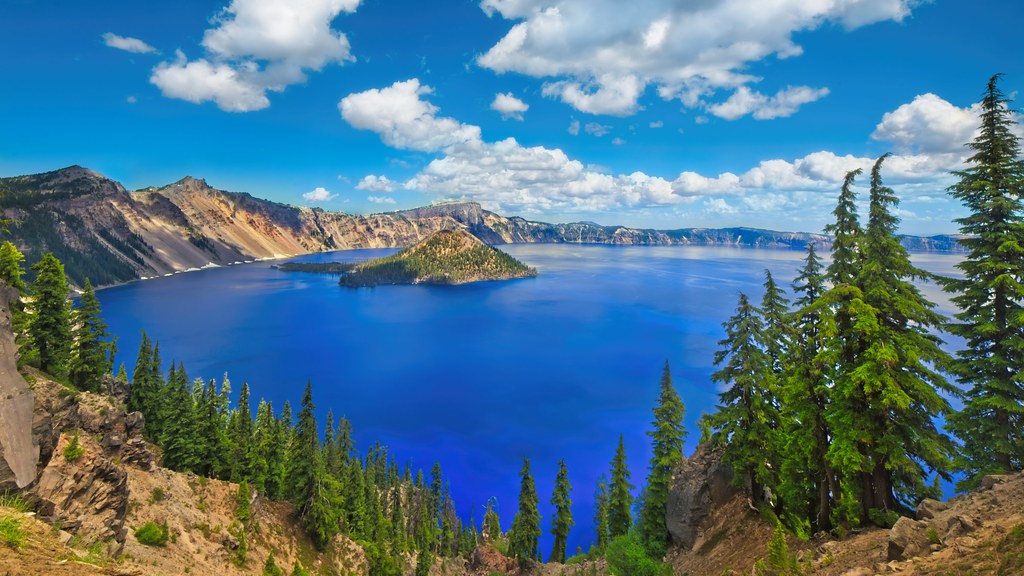
The hiking experience is enriched by panoramic views of Crater Lake’s deep blue waters, the surrounding Cascade peaks, and volcanic features such as Wizard Island, a cinder cone rising from the lake’s surface. Wildlife sightings include marmots, deer, and a variety of bird species adapted to the volcanic ecosystem. The trail’s geological features, including lava flows, ash deposits, and fumaroles, provide tangible connections to the volcano’s fiery past. Overall, the terrain challenges hikers with a mix of forested paths, rocky scrambles, and exposed ridges, rewarding them with spectacular vistas and a profound sense of volcanic grandeur.
What Makes the Mount Mazama Trek Unique
Mount Mazama’s trek is distinguished by its dramatic caldera landscape and the presence of Crater Lake, the deepest freshwater lake in the United States. Unlike typical volcanic summits, the collapsed caldera offers a rare opportunity to hike around a vast crater filled with crystal-clear water. The lake’s intense blue color, caused by its depth and purity, creates a striking contrast against the rugged volcanic rim. The presence of Wizard Island, a volcanic cinder cone rising from the lake, adds a unique geological feature rarely seen on other volcano hikes.
The trek combines rich natural history with cultural significance, as the area has been inhabited by Native American tribes for thousands of years and holds deep spiritual meaning. The volcanic terrain is interspersed with old-growth forests, alpine meadows, and rocky ridges, providing diverse ecosystems within a compact area. Seasonal wildflowers bloom along the trails, enhancing the visual appeal. The accessibility of the trails, combined with the spectacular scenery and geological significance, makes Mount Mazama a standout destination for volcano enthusiasts and hikers alike.
The Summit and Crater Experience
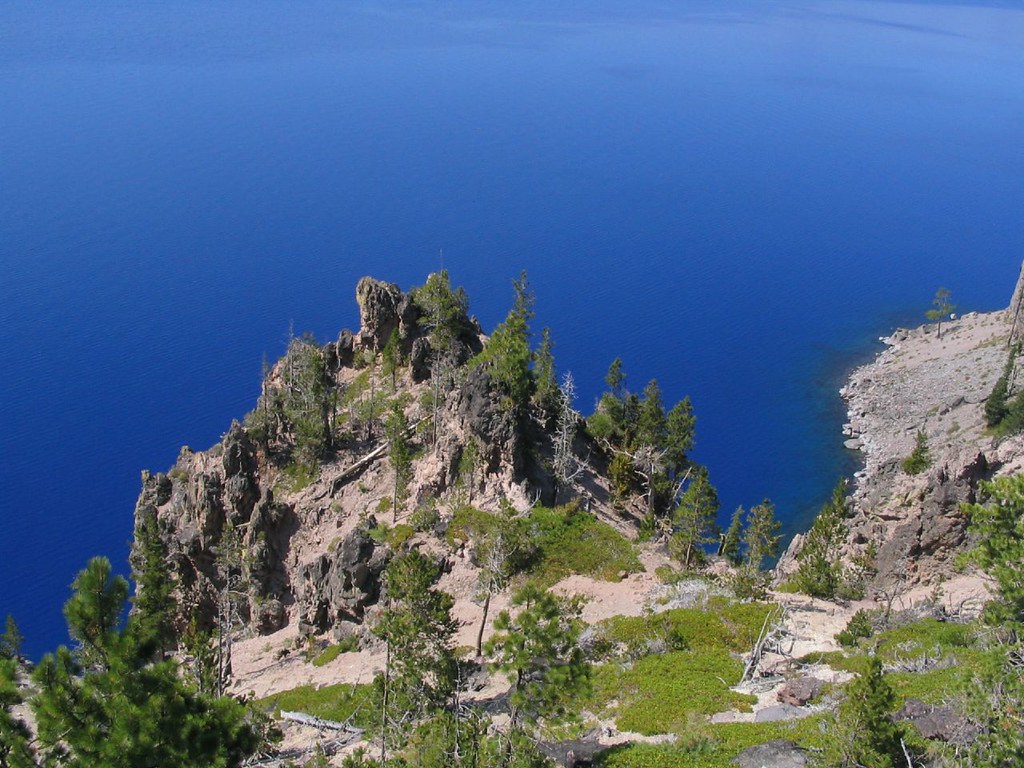
Reaching the caldera rim of Mount Mazama is a moment of profound awe. From the rim, hikers gaze down nearly 2,000 feet to the shimmering waters of Crater Lake, whose surface mirrors the sky with an almost surreal clarity. The air is crisp and often carries the faint scent of pine and volcanic minerals. The rim’s rocky edges reveal layers of volcanic ash and lava flows, telling the story of the mountain’s explosive past. On clear days, panoramic views extend across the Cascade Range, with distant peaks punctuating the horizon.
The crater rim is often windy, and the temperature can be significantly cooler than at the trailhead, so layered clothing is advisable. The soundscape is dominated by the whisper of wind and the occasional call of birds, creating a serene yet powerful atmosphere. The heat from fumaroles is minimal here due to dormancy, but the geological features remain visible. The experience is both humbling and exhilarating, offering a direct connection to the earth’s volcanic forces and the beauty born from destruction.
Best Time to Trek Mount Mazama
The optimal trekking season for Mount Mazama and Crater Lake National Park spans from late May through September. During this period, snow has typically melted from the trails, and weather conditions are most stable with warmer temperatures ranging from 40°F to 75°F. Early summer offers lush wildflower blooms and fewer crowds, while mid to late summer provides the clearest skies for panoramic views.
Winter and early spring bring heavy snowfall, often exceeding 40 feet annually, rendering trails inaccessible or requiring specialized equipment such as snowshoes or skis. The park’s North Cascades location means weather can change rapidly; afternoon thunderstorms are common in summer, so early starts are recommended. Volcanic activity is dormant, so no volcanic gas hazards typically affect the timing of hikes. Visitors should check National Park Service updates for any trail closures or weather advisories before planning their trek.
Trekking Routes and Trail Options at Mount Mazama
Mount Mazama and Crater Lake National Park offer a variety of hiking routes catering to different skill levels and interests. The most popular trail is the Rim Drive Trail, which circumnavigates the caldera rim and provides multiple access points to scenic overlooks such as Garfield Peak and Watchman Peak. This trail is approximately 33 miles long in total but can be enjoyed in shorter segments ranging from 2 to 8 miles.
Garfield Peak Trail is a favored moderate hike starting near the Rim Village Visitor Center. It covers about 3.5 miles round trip with an elevation gain of approximately 1,000 feet, leading hikers to one of the highest points on the caldera rim with sweeping views of the lake and surrounding mountains. The trail features well-maintained switchbacks through forest and rocky terrain.
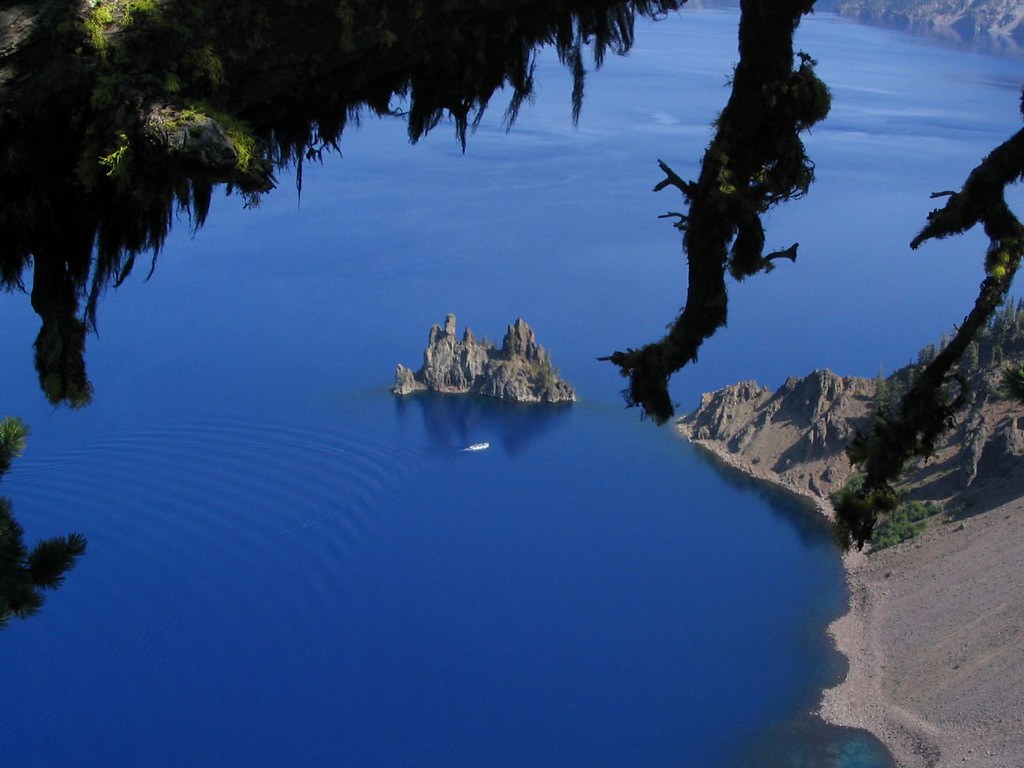
Watchman Peak Trail is a shorter, steeper option at about 1.6 miles round trip, offering panoramic vistas of Crater Lake and Wizard Island. For those seeking a longer trek, the Cleetwood Cove Trail descends to the lake shore, providing access to boat tours and swimming areas. This trail is about 2.2 miles round trip with a steep descent and ascent.
Guided hikes are available through organizations such as Mazamas and ExplorCraterLake, which offer interpretive tours focusing on geology and natural history. Self-guided options are well-supported by park maps and signage. The trails vary from easy forest walks to moderate climbs with rocky sections, allowing hikers to tailor their experience based on fitness and interest.
Difficulty Assessment of Mount Mazama Treks
Mount Mazama’s hiking routes range from easy to moderate difficulty, making them accessible to a wide range of outdoor enthusiasts. The terrain includes well-maintained forest trails, moderate elevation gains up to 1,000 feet, and some rocky or loose volcanic surfaces requiring surefootedness. The altitude, peaking around 8,157 feet, can cause mild effects such as shortness of breath for those unaccustomed to elevation.
Technical climbing skills are not required, and no specialized equipment beyond sturdy hiking boots is necessary for most trails. The trails are suitable for beginners with reasonable fitness, as well as more experienced hikers seeking scenic volcanic landscapes. Weather conditions and trail exposure can increase perceived difficulty, especially on exposed ridges where wind and sun are factors. Overall, Mount Mazama offers a rewarding volcano trek classified as easy to moderate, ideal for adventurous travelers and geology enthusiasts.
Essential Volcano Trekking Gear for Mount Mazama
When trekking Mount Mazama, hikers should prepare for variable weather and volcanic terrain. Essential gear includes sturdy hiking boots with good traction to navigate rocky and loose volcanic soils safely. Trekking poles can aid balance on uneven or steep sections. Layered clothing is important to adapt to temperature changes, including a windproof jacket for exposed ridges.
Sun protection is critical due to limited shade on the caldera rim; bring sunscreen, sunglasses, and a wide-brimmed hat. Hydration systems or water bottles are necessary, as the dry volcanic environment can increase dehydration risk. A headlamp is useful for early morning or late afternoon hikes. While volcanic gases are minimal due to dormancy, sensitive individuals may consider a lightweight respirator if hiking near fumaroles or geothermal vents.
Additional items include a map or GPS device, snacks for energy, and a first aid kit. Carrying a camera is recommended to capture the stunning landscapes. Overall, preparation for changing weather and rugged terrain ensures a safe and enjoyable volcano trekking experience.
Safety and Volcanic Hazards at Mount Mazama
Mount Mazama is currently dormant, significantly reducing immediate volcanic hazards for hikers. However, safety considerations remain paramount when trekking in volcanic terrain. The caldera rim features steep drop-offs and unstable edges, requiring caution near cliff areas. Loose scree and volcanic ash can cause slipping, so proper footwear and careful footing are essential.
While active eruptions are not expected, the U.S. Geological Survey monitors the region for signs of volcanic activity. Sudden weather changes, including high winds and thunderstorms, can pose risks on exposed ridges. Hikers should check weather forecasts and park alerts before setting out.
Volcanic gases are minimal but may be present near fumaroles or geothermal vents; individuals with respiratory sensitivities should exercise caution. Falling rocks can occur in steep areas, so awareness of surroundings is important. The National Park Service provides safety guidelines and trail information to help visitors minimize risks. Emergency services are available within the park, but self-sufficiency and preparedness are advised due to the remote nature of the terrain.
Permits, Guides, and Logistics for Hiking Mount Mazama
Hiking Mount Mazama and exploring Crater Lake National Park generally does not require special permits beyond the standard park entrance fee. Visitors must purchase a park pass, which grants access to trails, viewpoints, and facilities. The fee supports conservation and visitor services and can be obtained online or at park entrances.
Guided hiking tours and educational programs are offered by reputable organizations such as Mazamas, a mountaineering club with extensive experience in the Pacific Northwest, and ExplorCraterLake, the park’s concessionaire providing interpretive tours and lodging. North Cascade Mountain Guides also offer specialized outings in the region, focusing on skills development and adventure.
Logistically, the park is accessible by car via Oregon Highway 62, with the southern entrance near Fort Klamath. The nearest major airport is in Medford, Oregon, approximately 90 miles away. Seasonal road closures due to snow typically restrict access from late fall to late spring, so planning visits during summer months is advisable.
Accommodations within the park include Crater Lake Lodge and Mazama Village Cabins, managed by ExplorCraterLake. These provide convenient bases for hiking and exploring. Nearby towns such as Klamath Falls and Fort Klamath offer additional lodging, dining, and supplies.
Visitors should prepare for limited cell service and variable weather. Carrying maps, water, and emergency supplies is recommended. The National Park Service website and visitor centers provide up-to-date trail conditions, safety information, and ranger-led programs to enhance the hiking experience.
Where to Stay Near Mount Mazama and Crater Lake
Accommodations near Mount Mazama cater to a range of preferences, from rustic camping to comfortable lodges. Within Crater Lake National Park, Mazama Village offers a campground with 214 tent and RV sites nestled in an old-growth lodgepole pine forest. The campground provides essential amenities such as restrooms, bear-proof food lockers, and water spigots, making it a popular choice for families and outdoor enthusiasts during the summer season.
Crater Lake Lodge, located in Rim Village, is a historic chalet-style resort offering rooms with panoramic views of Crater Lake’s blue waters and surrounding cliffs. The lodge features dining options, cozy fireplaces, and easy access to trailheads, making it an ideal base for hikers seeking comfort and proximity to the caldera rim.
Just outside the park, several resorts and campgrounds provide additional lodging options. Crater Lake Resort, about 20 minutes from the southern park entrance, offers cabins, glamping tents, and RV sites with amenities including a restaurant, playground, and canoe rentals. Rocky Point Resort, situated on Upper Klamath Lake approximately 45 minutes away, features rustic cabins, hotel rooms, and boat rentals for visitors looking to combine lake activities with volcano exploration.
Other nearby accommodations include Jo’s Motel & Campground, Heartline Ranch with horseback riding and guided nature hikes, and Collier State Park Campground, which offers a serene riverside setting with modern facilities. These options provide convenient access to the park while allowing visitors to experience the broader natural beauty of the region.
Reservations are strongly recommended during peak season, especially for in-park lodging. Amenities vary from basic camping facilities to full-service resorts, ensuring that all travelers can find suitable accommodations to complement their Mount Mazama adventure.