
Mount Tavurvur Volcano Trekking Guide: Exploring Papua New Guinea’s Most Active Stratovolcano
Mount Tavurvur, an active stratovolcano in Papua New Guinea’s New Britain, offers a thrilling moderate trek through sharp volcanic terrain to a smoking crater rim. This guide covers geology, hiking experience, routes, permits, safety, and accommodation for an unforgettable volcano adventure.
Quick Volcano Snapshot
| Attribute | Value |
|---|---|
| Volcano type | Stratovolcano |
| Elevation | 688 meters |
| Location | New Britain, Papua New Guinea |
| Activity status | Active |
| Trekking difficulty | Moderate |
| Typical trek duration | 1-2 hours |
| Altitude gain | Approximately 400 meters |
| Terrain type | Loose volcanic rocks, sharp lava fields, black sand |
| Best season | Dry season (May to October) |
| Temperature range | 20°C to 30°C |
| Permit requirement | Required (approx. 200 Papua New Guinean Kina) |
The Experience of Hiking Mount Tavurvur
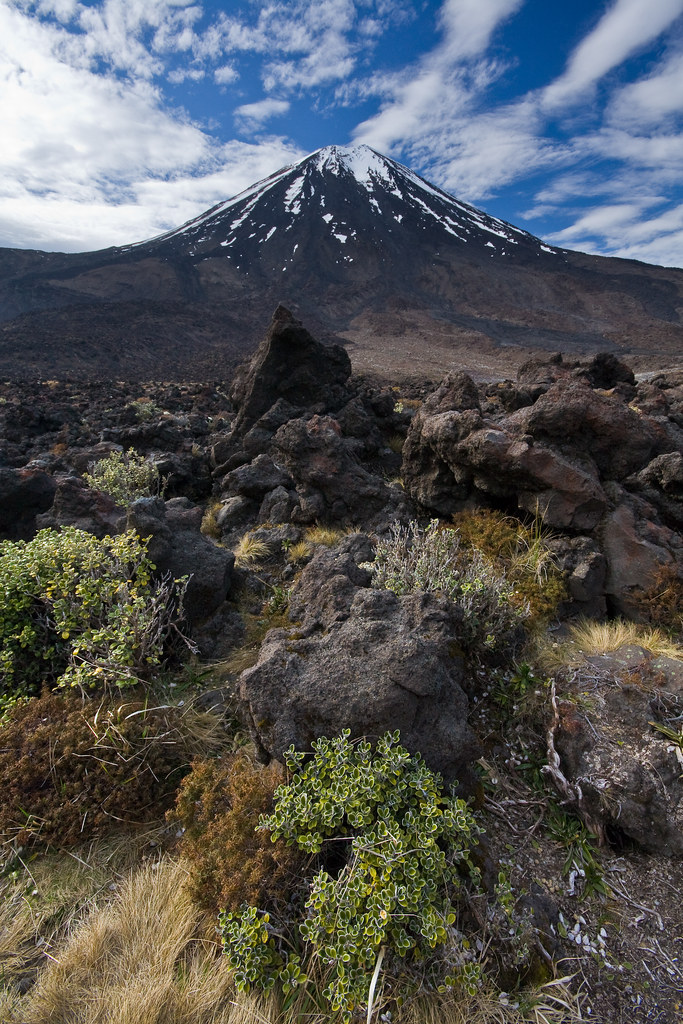
Approaching Mount Tavurvur, the landscape shifts dramatically from tropical greenery to stark volcanic blackness. The sharp contrast between the lush surroundings and the barren lava fields evokes a powerful sense of nature’s raw force. As you ascend, the air thickens with the unmistakable scent of sulfur, and the ground crunches underfoot with loose volcanic rock. The climb is a visceral journey into the heart of an active volcano, culminating in the surreal moment of standing at the smoking crater rim, where plumes of gas rise and the earth’s molten power is palpable. This trek is not just a hike but an immersion into the dynamic geology and volatile spirit of Papua New Guinea’s volcanic frontier.
Geological Background of Mount Tavurvur
Mount Tavurvur is a stratovolcano and a prominent sub-vent of the larger Rabaul caldera, located on New Britain island in Papua New Guinea. This volcano formed through successive layers of lava flows, ash, and volcanic debris, characteristic of stratovolcanoes. Tavurvur is known for its frequent Strombolian and Vulcanian eruptions, with notable activity including the catastrophic 1994 eruption that devastated the nearby town of Rabaul. The volcano’s crater is marked by fumaroles emitting sulfurous gases, and the surrounding terrain is covered with sharp volcanic rocks and black ash deposits. The Rabaul caldera itself is elliptical, measuring approximately 14 by 9 kilometers, surrounded by steep volcanic ridges. Ongoing volcanic activity and ground deformation indicate that Tavurvur remains a highly active and closely monitored volcano.
Terrain and Hiking Experience on Mount Tavurvur
The trek up Mount Tavurvur is a challenging yet rewarding experience that demands careful preparation and respect for the volcanic terrain. The hike typically begins near the hot springs at the volcano’s base, where the road ends and the trail starts. From here, trekkers face a steep ascent over loose volcanic rocks and sharp lava fragments that can easily cause cuts or scrapes if proper footwear is not worn. The terrain is uneven and unstable, requiring steady footing and moderate agility. The volcanic rocks are often jagged and razor-sharp, making sturdy hiking boots with ankle support essential. Despite the relatively low elevation of 688 meters, the physical effort is intensified by the tropical heat and humidity, especially during midday. Early morning starts are common to avoid the heat and to catch spectacular sunrises illuminating the black volcanic landscape. As hikers ascend, the vegetation thins, replaced by barren black sand and rock fields. The trail can be slippery in places due to loose gravel and ash, and wind exposure near the summit adds to the challenge. The final approach to the crater rim involves careful navigation around fumaroles emitting sulfurous gases, which can be irritating to the respiratory system. The climb usually takes about one to two hours, depending on fitness and pace. Local guides often accompany trekkers, providing valuable knowledge and assistance, although some locals ascend barefoot or in slippers, a practice not recommended for visitors. The overall hiking experience is a blend of physical challenge and sensory immersion in a volatile volcanic environment, offering hikers a unique connection to the earth’s dynamic processes.
What Makes the Mount Tavurvur Trek Unique
Mount Tavurvur stands out as one of Papua New Guinea’s most active and accessible volcanoes, offering trekkers a rare opportunity to witness volcanic activity up close. Its proximity to the town of Rabaul and the dramatic history of the 1994 eruption add a compelling cultural and geological context. The trek’s unique features include the striking black volcanic sand beaches, steaming fumaroles, and the chance to see glowing magma within the crater during periods of activity. The surrounding Rabaul caldera provides panoramic views of multiple volcanic peaks and the harbor, creating a breathtaking backdrop. The combination of an active volcanic environment, tropical climate, and rich local culture makes this trek an unforgettable adventure for volcano enthusiasts and hikers alike.
Summit and Crater Experience on Mount Tavurvur
Reaching the summit of Mount Tavurvur is a dramatic and sensory experience. At the crater rim, hikers are greeted by the sight of billowing sulfurous fumaroles releasing plumes of white and yellowish gas. The air carries the pungent smell of sulfur, a constant reminder of the volcano’s fiery heart. The ground beneath is warm in places, and occasional glimpses of glowing red magma can be seen deep within the crater during active phases. The panoramic views from the summit encompass the vast Rabaul caldera, the harbor, and surrounding volcanic peaks. The contrast between the dark volcanic landscape and the vibrant tropical sea and sky creates a surreal vista. The sound of escaping gases and the heat radiating from fumaroles enhance the feeling of standing on a living, breathing geological giant.
Best Time to Trek Mount Tavurvur
The ideal time to trek Mount Tavurvur is during the dry season, from May to October, when weather conditions are more stable and rainfall is minimal. Early morning starts are recommended to avoid the intense heat and humidity that develop later in the day. Trekking at sunrise not only provides cooler temperatures but also spectacular lighting on the volcanic landscape. Visitors should monitor volcanic activity reports and heed any access restrictions or warnings issued by local authorities or the Rabaul Volcano Observatory. Avoiding the wet season is crucial, as heavy rains can make the loose volcanic terrain slippery and dangerous. Additionally, volcanic gas emissions can vary, so checking current conditions before the trek is essential for safety.
Trekking Routes and Trail Options on Mount Tavurvur
The primary trekking route to Mount Tavurvur’s summit begins near the hot springs at the volcano’s base, accessible by road from Kokopo or Rabaul. This trail is the most established and commonly used path, taking approximately one to two hours to reach the crater rim. The route involves a steady climb over loose volcanic rocks and sharp lava fragments, requiring careful footing. Guided tours typically start early in the morning, departing from Kokopo around 4:00 AM to reach the trailhead by 5:00 AM. This timing allows trekkers to ascend during cooler hours and witness the sunrise from the slopes. While the main trail is well-known, there are no extensive alternative routes due to the volcano’s active status and terrain constraints. Trekkers can choose to hike independently or join guided tours offered by local operators such as Rabaul Scenic Tours and South Sea Horizons, which provide transportation, guides, and safety support. The trail is relatively short but physically demanding, with an elevation gain of about 400 meters. The path is unmarked in some sections, so local guides are recommended for navigation and safety.
Difficulty Assessment of the Mount Tavurvur Trek
Mount Tavurvur’s trek is classified as a moderate volcano trek. Although the elevation is relatively low at 688 meters, the terrain presents significant challenges. The loose volcanic rocks and sharp lava fragments require sturdy footwear and good balance. The tropical climate adds heat and humidity, increasing physical exertion. The trail demands a reasonable level of fitness and mobility, but no technical climbing skills are necessary. Altitude sickness is generally not a concern due to the modest elevation. The main risks stem from unstable footing, exposure to volcanic gases, and sudden weather changes. Overall, the trek is suitable for hikers with moderate experience who are prepared for rough terrain and variable conditions.
Essential Gear for Trekking Mount Tavurvur
Key gear for the Mount Tavurvur trek includes sturdy hiking boots with ankle support to protect against sharp volcanic rocks. Trekking poles can aid balance on loose terrain. Lightweight, breathable clothing with sun protection is essential, along with a wide-brimmed hat and sunglasses. A windproof and waterproof jacket is recommended for sudden weather changes. Carry at least 3 liters of water to stay hydrated in the tropical heat. Respiratory protection such as a dust mask or bandana is advised to mitigate exposure to sulfurous gases and volcanic ash. A headlamp is useful for early morning starts before sunrise. Sunscreen and insect repellent are also important. Basic first aid supplies and a camera to capture the dramatic landscape complete the gear list.
Safety and Volcanic Hazards on Mount Tavurvur
Mount Tavurvur is an active volcano with inherent risks that require careful attention. Volcanic gases, particularly sulfur dioxide, can cause respiratory irritation; hikers should carry masks and avoid prolonged exposure near fumaroles. The crater edges are unstable and can collapse, so maintaining a safe distance is critical. Loose scree and sharp volcanic rocks increase the risk of slips and cuts. Sudden eruptions, although infrequent, are possible, and trekkers must heed warnings from the Rabaul Volcano Observatory and local authorities. Weather can change rapidly, bringing heavy rain that makes the trail slippery and hazardous. It is strongly advised to hike with experienced local guides who monitor volcanic activity and ensure safe passage. Emergency plans and communication devices are recommended for all trekkers.
Permits, Guides, and Logistics for Mount Tavurvur Trekking
Trekking Mount Tavurvur requires securing a permit from the Papua New Guinea Tourism Authority, coordinated with local officials. Permit applications should be submitted at least 2-4 weeks in advance and include passport details, travel dates, emergency contacts, and proof of travel insurance covering volcanic trekking. Permit fees start at approximately 200 Papua New Guinean Kina (about $55 USD) for a day trek. Local tour operators such as Rabaul Scenic Tours, South Sea Horizons, and Papua Adventures offer guided trekking packages that include permits, transportation, and experienced guides. These guides provide valuable knowledge of the terrain, volcanic activity updates, and safety support. Tours typically depart early morning from Kokopo or Rabaul to reach the volcano base by 5:00 AM, maximizing cooler temperatures and sunrise views. Transportation is usually by air-conditioned vehicle, with some tours including visits to nearby hot springs where visitors can boil eggs in natural geothermal waters. Independent trekking is possible but not recommended due to safety concerns and permit regulations. Visitors should also budget for a small entry fee (around 5 Kina) at the trailhead. It is essential to monitor volcanic activity reports before planning the trek, as access can be restricted during heightened activity. Overall, engaging a local guide enhances safety, enriches the experience, and supports the local economy.
Where to Stay and Nearby Bases for Mount Tavurvur Trekking
The primary base for trekking Mount Tavurvur is the town of Kokopo, located approximately 20 kilometers from the volcano. Kokopo offers a range of accommodations from budget guesthouses to mid-range hotels, providing convenient access to tour operators and transport services. Notable options include the Kokopo Beach Bungalows and the Rabaul Hotel, both offering comfortable amenities and easy booking for volcano tours. Rabaul town, though relocated after the 1994 eruption, also provides lodging and cultural attractions for visitors. Many tour operators arrange early morning pickups from these towns to the volcano base. While there are no accommodations directly at the volcano, the nearby hot springs area serves as a natural rest spot during the trek. For travelers seeking immersive cultural experiences, local villages around the Gazelle Peninsula offer homestays and guided tours, though facilities are basic. It is advisable to book accommodations and tours in advance, especially during peak trekking seasons. Staying in Kokopo or Rabaul ensures access to essential services, local guides, and transportation, making these towns ideal bases for exploring Mount Tavurvur and the surrounding volcanic landscape.