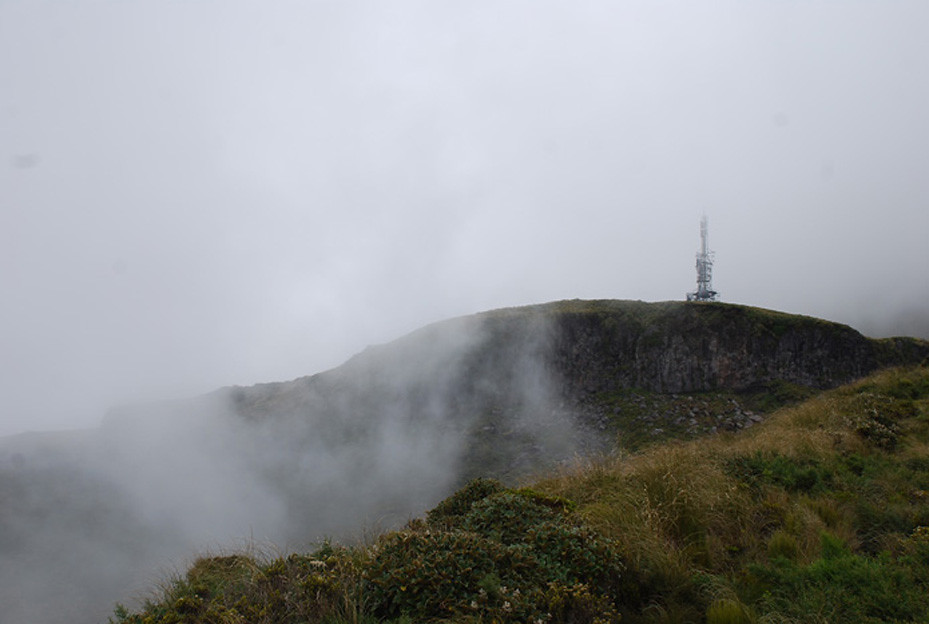


Mount Sapo Volcano Trekking Guide: Explore Timor-Leste’s Scenic Stratovolcano
Mount Sapo is a dormant stratovolcano in Western Timor, Timor-Leste, offering moderate trekking routes with panoramic views of surrounding valleys. This guide covers the geological background, terrain, routes, logistics, and accommodations for adventurous volcano hikers.
Quick Volcano Snapshot
| Attribute | Value |
|---|---|
| Volcano type | Stratovolcano |
| Elevation | Approximately 1,500 meters |
| Location | Western Timor, Timor-Leste |
| Activity status | Dormant |
| Trekking difficulty | Moderate |
| Typical trek duration | 4 to 6 hours round trip |
| Altitude gain | 700 to 900 meters |
| Terrain type | Volcanic soil, rocky sections, cultivated fields, forest patches |
| Best season | Dry season (May to October) |
| Temperature range | Mild to warm at lower elevations, cooler near summit |
| Permit requirement | No formal permits required |
Introduction: The Experience of Hiking Mount Sapo
Approaching Mount Sapo, hikers are greeted by a landscape where the volcanic past shapes the present scenery. The dormant stratovolcano rises gently above the valleys of Western Timor, offering a blend of rugged volcanic terrain and lush greenery. The trek reveals a striking contrast between the dark volcanic soil and the vibrant flora that carpets the slopes. As you ascend, the panoramic views unfold, revealing patchwork valleys and distant mountain ranges. Reaching the summit brings a profound sense of connection to the island’s geological history and the natural beauty of Timor-Leste, rewarding trekkers with a serene and expansive vista.
The Volcano Itself: Geological Background
Mount Sapo is a classic stratovolcano formed through successive layers of hardened lava, tephra, and volcanic ash. Its formation is linked to the complex tectonic interactions in the region, where the Australian and Eurasian plates converge. Although currently dormant, the volcano’s structure tells a story of past eruptions that shaped the surrounding landscape. The volcano’s slopes feature volcanic minerals and soils that support diverse vegetation. Unlike highly active volcanoes, Mount Sapo’s crater is subdued, with no recent eruptive activity or fumaroles. The volcanic terrain includes rocky outcrops and ash deposits, providing a varied geological environment that fascinates both hikers and geologists alike.
The Volcano Trek: Terrain and Hiking Experience
The trek up Mount Sapo offers a moderately challenging hiking experience that combines volcanic terrain with tropical mountain landscapes. The trail typically begins at a village base, where local paths wind through cultivated fields and patches of forest. As hikers ascend, the terrain transitions to volcanic soil mixed with rocky sections, requiring careful footing especially on loose gravel and small scree slopes. The volcanic soil is fertile, supporting a mix of shrubs and small trees that provide intermittent shade along the route. The trail includes some steep sections, but these are generally manageable for hikers with moderate fitness.
The volcanic terrain presents a unique hiking challenge: the ground can be uneven and occasionally slippery due to loose ash and small stones. In some areas, hikers may need to navigate around rocky outcrops or scramble over volcanic rocks, adding an adventurous element to the climb. The altitude gain of approximately 700 to 900 meters can cause mild breathlessness for those unaccustomed to mountain hiking, but the elevation is not extreme enough to cause serious altitude sickness.
Weather conditions can vary, with temperatures cooler at higher elevations and winds picking up near the summit. The dry season from May to October offers the most stable weather, with clear skies enhancing the panoramic views. The trail is generally well-marked by local guides, though signage is minimal, so hiring a guide is recommended for navigation and cultural insight.
Hikers will experience a blend of natural and cultural landscapes, passing through small villages where traditional Timorese life continues. The trail’s moderate difficulty makes it accessible to many hikers, though sturdy footwear and trekking poles are advisable to handle the volcanic terrain and occasional steep sections. Overall, the Mount Sapo trek is a rewarding journey through a volcanic landscape that combines geological intrigue with scenic beauty and cultural richness.
What Makes This Volcano Trek Unique
Mount Sapo stands out for its combination of volcanic geology and cultural context within Timor-Leste’s rugged landscape. Unlike more famous volcanoes, it offers a quieter, less-trodden path where hikers can immerse themselves in the natural environment without crowds. The trek provides sweeping panoramic views of the Western Timor valleys, showcasing the island’s diverse topography.
The volcano’s dormant status allows for a peaceful hiking experience, with no immediate volcanic hazards but plenty of geological features to explore. The surrounding villages offer a glimpse into traditional Timorese culture, enriching the trek with local stories and customs. This blend of natural beauty, geological interest, and cultural immersion makes Mount Sapo a distinctive destination for volcano trekking enthusiasts seeking authenticity and adventure.
The Summit and Crater Experience
Reaching the summit of Mount Sapo, hikers are rewarded with expansive views that stretch across the valleys and mountain ranges of Western Timor. The crater itself is subdued, reflecting the volcano’s dormant status, with no active fumaroles or lava flows. The summit area is marked by rocky terrain and patches of volcanic soil, where the earth’s ancient power is palpable.
The air at the top is fresh and cool, often accompanied by gentle winds that carry the scent of earth and vegetation. From this vantage point, the vastness of the island’s landscape unfolds, with distant hills and cultivated valleys creating a mosaic of colors and textures. The quiet majesty of the summit invites reflection on the geological forces that shaped this land and the enduring natural beauty that remains.
Best Time to Trek Mount Sapo
The optimal time to trek Mount Sapo is during the dry season, from May to October, when weather conditions are most stable. During these months, trails are drier and less slippery, and the skies are clearer, enhancing visibility and panoramic views. Temperatures range from mild to warm, with cooler conditions at higher elevations.
The wet season, from November to April, brings heavy rains that can make trails muddy and challenging, increasing the risk of slips and erosion. Additionally, the wet season may limit access to some areas due to poor road conditions. Planning a trek during the dry season also reduces the likelihood of encountering sudden weather changes, such as tropical storms or heavy fog, which can obscure views and complicate navigation.
Early morning starts are recommended to avoid midday heat and to experience the serene atmosphere of the mountain at sunrise. Trekking in the dry season also aligns with local agricultural cycles, allowing visitors to witness traditional farming activities in the valleys below.
Trekking Routes and Trail Options on Mount Sapo
Mount Sapo offers several trekking routes that vary in length and difficulty, catering to different preferences and fitness levels. The most common route begins at a nearby village base, where hikers can arrange local guides and supplies. This trail typically takes 4 to 6 hours round trip, with an elevation gain of approximately 700 to 900 meters.
The primary route ascends through cultivated fields and patches of forest before reaching the volcanic slopes. The path is a mix of dirt trails and rocky sections, with occasional steep inclines. Along the way, trekkers pass through small villages, providing opportunities to engage with local communities and learn about traditional lifestyles.
Alternative routes include longer circuits that explore surrounding ridges and valleys, offering extended trekking experiences for those seeking multi-day adventures. These routes may require camping or overnight stays in local villages, adding cultural depth to the journey.
Guided tours are widely available through local operators such as Timor Unearthed and Manny Timor Tours, who provide logistical support, cultural interpretation, and safety guidance. Self-guided trekking is possible but less common due to limited trail markings and the benefits of local knowledge.
Overall, Mount Sapo’s trail network offers flexibility for hikers to tailor their experience, from moderate day hikes to more immersive multi-day treks that combine natural and cultural exploration.
Difficulty Assessment of Mount Sapo Trek
Mount Sapo is classified as a moderate volcano trek, suitable for hikers with a reasonable level of fitness and some experience with uneven terrain. The trail involves steady elevation gain, rocky and loose volcanic soil, and occasional steep sections that require careful footing.
Altitude is moderate, with the summit around 1,500 meters, which generally does not cause severe altitude sickness but may affect those sensitive to elevation changes. The trek does not require technical climbing skills or specialized equipment, making it accessible to many outdoor enthusiasts.
Hikers should be prepared for variable weather conditions, including wind and temperature shifts near the summit. The terrain’s volcanic nature means some sections can be slippery or unstable, so sturdy hiking boots and trekking poles are recommended.
Overall, the trek is challenging enough to provide a rewarding adventure without being overly demanding, making it an excellent choice for intermediate hikers seeking a volcano experience in Southeast Asia.
Essential Volcano Trekking Gear for Mount Sapo
For a safe and comfortable trek on Mount Sapo, hikers should equip themselves with the following gear:
• Sturdy hiking boots with good grip to navigate rocky and loose volcanic terrain.
• Trekking poles to assist with balance on uneven and steep sections.
• Lightweight, breathable clothing suitable for tropical mountain conditions.
• A windproof and waterproof jacket to protect against sudden weather changes.
• Sun protection including a wide-brimmed hat, sunglasses, and high SPF sunscreen, as volcanic slopes offer little shade.
• Ample water supply and hydration system to stay hydrated during the ascent.
• Snacks or energy bars for sustained energy.
• A headlamp or flashlight if planning early morning or late afternoon hikes.
• Basic first aid kit for minor injuries.
• A camera or smartphone to capture the stunning panoramic views.
While volcanic gases are not a concern on this dormant volcano, hikers should remain aware of their surroundings and avoid disturbing the natural environment.
Safety and Volcanic Hazards on Mount Sapo
Mount Sapo is a dormant volcano with no recent eruptive activity, significantly reducing volcanic hazards for trekkers. However, safety considerations remain important. The volcanic terrain includes loose rocks and gravel that can cause slips or falls, especially on steep slopes. Hikers should wear appropriate footwear and use trekking poles for stability.
Weather can change rapidly in mountainous areas, with sudden winds and temperature drops near the summit. It is advisable to check weather forecasts before the trek and carry suitable clothing.
While volcanic gases are not currently a hazard, hikers should stay on established trails to avoid unstable ground or hidden crevices. Local guides provide valuable knowledge about safe routes and environmental conditions.
Emergency services and volcanic monitoring in Timor-Leste are limited compared to more developed regions, so preparation and caution are essential. Informing someone of your trekking plans and expected return time is recommended.
Overall, Mount Sapo offers a safe trekking environment when standard mountain hiking precautions are observed.
Permits, Guides, and Logistics for Mount Sapo Trekking
Mount Sapo trekking does not require formal permits, making access relatively straightforward for independent travelers. However, hiring a local guide is highly recommended to navigate the trails safely and enrich the experience with cultural and environmental insights.
Several reputable tour operators in Timor-Leste specialize in volcano and mountain trekking, including Timor Unearthed, Timor Sightseeing, Manny Timor Tours, JUBENTÓS Timor Adventures, Eco Discovery, and Young Pioneer Tours. These companies offer guided treks to Mount Sapo, providing transport, accommodation arrangements, and local knowledge.
Guided tours typically include pick-up from major towns such as Dili or Gleno, transport to the trailhead, and a knowledgeable guide who ensures safe navigation and cultural interpretation. Costs vary depending on the length of the trek and services included but generally range from USD 50 to 150 per day.
Logistics in Timor-Leste can be challenging due to limited infrastructure. Roads to trailheads may be rough, and public transport options are sparse. Many operators provide 4WD vehicles or arrange private transfers to facilitate access.
Accommodation near Mount Sapo is limited, so many trekkers stay in nearby towns or villages such as Gleno or Ainaro before and after the hike. Local homestays and guesthouses offer authentic experiences and support community tourism.
Travelers should prepare for basic facilities and bring necessary supplies, including water, snacks, and appropriate gear. Communication may be limited in remote areas, so informing your operator or guide of your itinerary is essential.
Overall, while Mount Sapo trekking is accessible, partnering with experienced local guides and operators enhances safety, convenience, and cultural engagement.
Where to Stay and Nearby Bases for Mount Sapo Trekking
Accommodation options near Mount Sapo are modest but welcoming, reflecting the developing tourism infrastructure of Timor-Leste. The closest towns serving as bases for the trek include Gleno and Ainaro, both offering guesthouses and small hotels.
In Gleno, travelers can find local guesthouses that provide basic amenities and a chance to experience Timorese hospitality. These accommodations are typically family-run, offering simple rooms with clean facilities. Staying in Gleno allows easy access to local markets and cultural sites, enriching the pre- or post-trek experience.
Ainaro, located a short drive from Mount Sapo, offers similar lodging options with a few small hotels and homestays. The town is known for its cooler climate and scenic surroundings, making it a pleasant place to rest before the hike.
For travelers seeking more comfort, the capital city Dili, approximately one to two hours away by road, offers a range of hotels from budget to mid-range, including Palm Springs Hotel Dili, Timor Plaza Hotel & Apartments, and Sunset INN by Pro-Ema. These hotels provide modern amenities, restaurants, and easy access to transportation services.
Local tour operators often arrange transport from Dili or other major towns to the trailhead, coordinating accommodation and guiding services. Staying in nearby villages also supports community-based tourism, providing income to local families.
Due to limited infrastructure, it is advisable to book accommodations in advance, especially during the dry season when trekking activity increases. Bringing essential supplies and preparing for basic facilities will ensure a comfortable and enjoyable stay while exploring Mount Sapo.