
Hiking Volcán Barú: Panama’s Highest Peak Volcano Trekking Guide
Volcán Barú, Panama’s tallest mountain and an impressive dormant stratovolcano, offers a demanding yet rewarding trekking experience. This guide covers the volcano’s geology, hiking terrain, routes, permits, safety, and accommodation options near Boquete and Chiriquí Province.
Quick Volcano Snapshot
| Attribute | Value |
|---|---|
| Volcano type | Stratovolcano |
| Elevation | 3,475 meters |
| Location | Chiriquí Province, Panama |
| Activity status | Dormant |
| Trekking difficulty | Demanding |
| Typical trek duration | 4-6 hours ascent, 3-4 hours descent |
| Altitude gain | Approximately 1,300 meters |
| Terrain type | Premontane cloud forest, páramo, volcanic rock, muddy and rocky trails |
| Best season | December to April (dry season) |
| Temperature range | Below freezing near summit to warm in lower elevations |
| Permit requirement | Entrance permit to Volcán Barú National Park (approx. 5 USD) |
The Experience of Hiking Volcán Barú
Approaching Volcán Barú, the highest peak in Panama, you enter a realm where nature’s raw power and serene beauty converge. The trail ascends through lush premontane cloud forests, gradually giving way to open páramo landscapes. The air grows cooler and thinner as you climb, heightening your senses. Reaching the summit at dawn, you are rewarded with a breathtaking panorama where, on clear days, both the Pacific Ocean and Caribbean Sea stretch out before you. The volcanic terrain, the chill wind, and the vast sky create an unforgettable atmosphere of geological grandeur and personal triumph.

Geological Background of Volcán Barú
Volcán Barú is a stratovolcano formed by subduction-related volcanic activity along the Central American Volcanic Arc. Its volcanic history spans millions of years, with eruptions ranging from 20 million years ago to recent times. The volcano features seven craters and has produced large debris avalanches, including a massive event in the 16th century that reached the Pacific Ocean. The lavas are primarily calc-alkaline and adakitic, reflecting complex magma processes beneath the volcano. Although dormant for over 600 years, seismic activity continues beneath the volcano, indicating ongoing tectonic forces. The summit hosts fumaroles and sulfur deposits, adding to its volcanic character.
Terrain and Hiking Experience on Volcán Barú
The trek up Volcán Barú is a demanding journey that challenges hikers with a variety of terrain and climatic conditions. The most popular ascent begins near Boquete, following a 13.5-kilometer trail that climbs steadily through diverse ecosystems. Initially, hikers traverse dense premontane cloud forests, where humidity is high and the trail can be muddy and slippery. Roots and rocks require careful footing. As elevation increases, the forest thins, transitioning into páramo-like open landscapes characterized by grasses and shrubs. The trail surface changes to loose volcanic rock and dirt, with occasional steep sections that test endurance. The ascent involves an altitude gain of approximately 1,300 meters, which can cause noticeable effects such as shortness of breath and fatigue. Temperatures drop significantly near the summit, often falling below freezing, and strong winds add to the challenge. Nighttime hikes are common to reach the summit for sunrise, requiring headlamps and warm clothing. The trail is generally well-marked, but hikers should be prepared for slippery mud patches, rocky scree, and uneven ground. The presence of 4×4 vehicles on the eastern route can create additional loose gravel and dust. Despite the physical demands, the trail offers spectacular views of the Boquete valley and surrounding highlands. Wildlife sightings include diverse bird species and occasional mammals. The combination of steep inclines, variable terrain, and changing weather conditions makes this trek suitable for experienced hikers with good fitness levels. Proper preparation, including hydration, layered clothing, and sturdy hiking boots, is essential for a safe and rewarding experience.
What Makes the Volcán Barú Trek Unique
Volcán Barú stands out as Panama’s highest point and one of the few places on Earth where you can see both the Pacific Ocean and Caribbean Sea simultaneously from a single summit. This rare geographical phenomenon offers a spectacular and unique vantage point. The volcano’s diverse ecosystems—from lush cloud forests to open páramo—provide a rich natural tapestry rarely found in a single hike. The volcanic landscape, with its seven craters and fumarolic activity, adds geological intrigue. The opportunity to witness a sunrise above the clouds, combined with the cultural charm of nearby towns like Boquete, makes this trek an exceptional adventure for volcano enthusiasts and nature lovers alike.
The Summit and Crater Experience
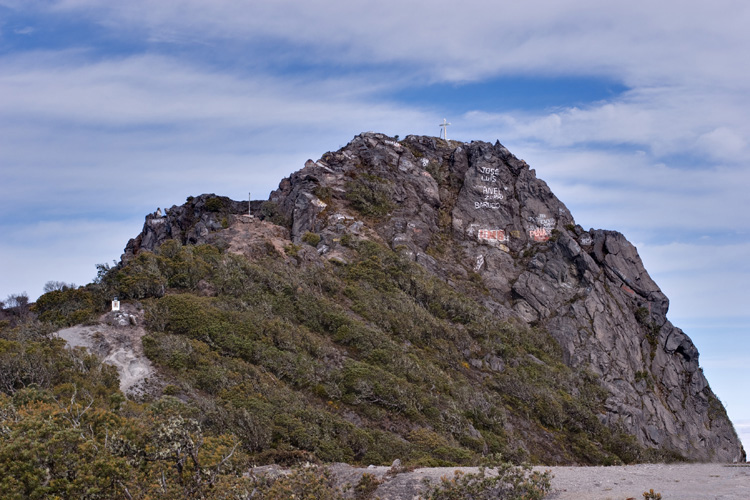
Reaching the summit of Volcán Barú is a moment of awe and exhilaration. The air is crisp and cold, often accompanied by strong winds that remind you of the mountain’s altitude. The panoramic views are breathtaking: on clear days, the vast blue expanse of the Pacific Ocean lies to one side, while the Caribbean Sea shimmers on the other. The summit area reveals volcanic features such as fumaroles emitting faint steam and sulfurous scents, hinting at the volcano’s dormant power. The rocky terrain and crater rims invite exploration, while the silence above the clouds offers a profound connection to the Earth’s dynamic forces. This sensory experience—sight, sound, smell, and touch—creates lasting memories for every climber.
Best Time to Trek Volcán Barú
The optimal time to hike Volcán Barú is during Panama’s dry season, from December through April. During these months, rainfall is minimal, and skies are clearer, increasing the chances of witnessing the iconic dual ocean views at sunrise. The dry season also offers more stable trail conditions, reducing mud and slippery sections. Trekking outside this period is possible but riskier due to frequent rain showers, fog, and muddy terrain that can complicate the ascent and descent. Early morning or nighttime hikes are recommended to reach the summit for sunrise, but hikers should prepare for cold temperatures and strong winds at high altitude. Park hours and weather conditions may impose restrictions during the rainy season for safety reasons.
Trekking Routes and Trail Options on Volcán Barú
There are two primary routes to the summit of Volcán Barú, each offering distinct experiences. The Eastern Route, also known as the Boquete Trail, is the most popular and accessible path. Starting near the town of Boquete, it covers approximately 13.5 kilometers one way, with a steady incline and a total altitude gain of about 1,300 meters. This trail passes through cloud forests and open páramo, with sections of loose volcanic rock and muddy patches. It is well-marked and frequently used by hikers and 4×4 vehicles. The ascent typically takes between 4 to 6 hours, with the descent requiring 3 to 4 hours. Both guided tours and independent hiking are common on this route. The Western Route, or Los Llanos Trail, begins from the town of Volcán and is less frequented. This trail is considered more technical and demanding, crossing multiple ecosystems and offering more rugged terrain and steeper sections. It is favored by experienced hikers seeking a deeper connection with nature and fewer crowds. Navigation can be challenging, so hiring a guide is recommended. Additionally, some visitors opt for 4×4 jeep tours that ascend the eastern side, providing a less physically demanding way to reach the summit for sunrise. These tours include transportation, guides, and sometimes meals, lasting approximately 11 hours. Regardless of the route, hikers should prepare for variable weather, altitude effects, and trail conditions. Guided options are widely available and recommended for safety and enhanced experience.
Difficulty Assessment of the Volcán Barú Trek
Volcán Barú’s trek is classified as demanding due to its length, altitude gain, and terrain. The steady incline over 13.5 kilometers requires good cardiovascular fitness and endurance. The trail surface varies from muddy forest paths to loose volcanic rock and scree, demanding sure-footedness and sturdy footwear. Altitude effects such as reduced oxygen and cold temperatures near the summit add to the challenge. The hike is not technical mountaineering but requires preparation for steep ascents, variable weather, and nighttime hiking conditions. It is suitable for experienced hikers or those in good physical condition. Beginners should consider guided tours or 4×4 options.
Essential Volcano Trekking Gear for Volcán Barú
To safely and comfortably hike Volcán Barú, bring the following gear: sturdy hiking boots with good grip for rocky and muddy terrain; trekking poles to assist with steep ascents and descents; a headlamp or flashlight for nighttime hiking; layered clothing including moisture-wicking base layers, insulating mid-layers, and windproof/waterproof outer layers; warm hat and gloves for cold summit conditions; rain poncho or waterproof jacket; refillable water bottles or hydration system (minimum 2 liters recommended); high-energy snacks and meals for the long trek; sun protection such as sunscreen, sunglasses, and a hat; eco-friendly insect repellent; a small first aid kit; camera or smartphone for capturing summit views; and identification along with park entrance fee payment. Proper preparation with appropriate gear enhances safety and enjoyment on this demanding volcano trek.
Safety and Volcanic Hazards on Volcán Barú
While Volcán Barú is classified as dormant, safety precautions are essential. The volcano has not erupted in over 600 years, but seismic activity persists, indicating underlying tectonic forces. Hikers should be aware of potential hazards including sudden weather changes such as rapid temperature drops, strong winds, fog, and rain, especially near the summit. Slippery and unstable trail sections caused by mud, loose volcanic rock, and scree increase the risk of falls. Altitude effects like reduced oxygen and cold temperatures can cause fatigue, dizziness, or hypothermia. Wildlife encounters are generally safe, but hikers should respect local fauna and avoid disturbing animals. National Park authorities monitor volcanic activity and weather conditions. Visitors should heed official warnings and park regulations. Hiring certified local guides enhances safety through expert knowledge of the terrain and emergency procedures. Carrying communication devices and informing others of your itinerary is recommended. Proper preparation and respect for the mountain environment ensure a safe and memorable trek.
Permits, Guides, and Logistics for Volcán Barú Trekking
Access to Volcán Barú requires an entrance permit to the Volcán Barú National Park, with a fee of approximately 5 USD payable at the park ranger station. The park is open daily, but during the rainy season, hours may be restricted for safety. Overnight hiking is common to reach the summit for sunrise, though the park station is unmanned at night; fees are typically paid upon exit. Guided tours are highly recommended, especially for inexperienced hikers. Several reputable operators provide comprehensive services including transportation, bilingual certified guides, park fees, and sometimes meals. Notable tour operators include Baru Expedition, Beyond Adventure Tours, Panama Get Travel, and 4×4 Volcan Baru. These companies offer various packages such as overnight hikes, 4×4 summit tours, and multi-day experiences combining volcano trekking with local attractions. Booking in advance is advised, particularly during the dry season (December to April) when demand peaks. Cancellation policies vary but often include administrative fees. Transportation logistics involve reaching Boquete, the main gateway town, which is accessible by bus or taxi from David Enrique Malek International Airport (DAV). From Boquete, shuttle services or taxis transport hikers to trailheads or park entrances. Hikers should prepare for early starts, often departing around 11:00 PM for overnight ascents. Essential logistics include carrying sufficient water, warm clothing, headlamps, and snacks. Local guides provide valuable safety oversight, environmental interpretation, and route navigation. For those preferring less strenuous options, 4×4 jeep tours offer a scenic ascent and descent with summit access. Overall, careful planning, permit compliance, and choosing experienced guides ensure a safe, enjoyable, and well-organized Volcán Barú trekking experience.
Where to Stay and Nearby Bases for Volcán Barú
The town of Boquete is the primary base for trekking Volcán Barú, offering a range of accommodations catering to adventure travelers and nature enthusiasts. Options include boutique hotels, eco-lodges, hostels, and vacation rentals. Notable properties include Los Establos Boutique Resort, a luxury option with panoramic volcano views and historic coffee plantation ambiance, and various guesthouses and hostels in Boquete’s town center. Boquete’s amenities include gear shops, restaurants, and tour operators, making it convenient for hikers to prepare and arrange guided treks. The town is approximately a 45-minute drive from the Volcán Barú National Park entrance. For those seeking closer proximity to the volcano’s western trails, the small towns of Volcán and Cerro Punta offer quieter lodging options surrounded by highland farms and forests. These towns provide a more rustic experience but fewer tourist facilities. Camping is available near the summit within the national park, allowing hikers to experience sunrise and sunset without nighttime hiking. However, facilities are basic, and permits or arrangements through guides are recommended. Transportation options from David Enrique Malek International Airport (DAV) to Boquete include taxis and shuttle services. Many tour operators provide hotel pickups and drop-offs. Overall, Boquete combines accessibility, comfort, and local culture, making it the ideal hub for Volcán Barú expeditions. Early booking is advised during peak trekking seasons to secure preferred accommodations.