Mount Bisoke Volcano Trekking Guide: Hiking Rwanda’s Iconic Crater Lake Volcano
Mount Bisoke, a dormant stratovolcano in Rwanda’s Virunga Mountains, offers a challenging yet rewarding day hike to a stunning crater lake summit. This guide covers the geology, trekking experience, routes, permits, safety, and accommodation options for adventurers seeking to explore this unique volcanic landscape.
Quick Volcano Snapshot
| Attribute | Value |
|---|---|
| Volcano type | Stratovolcano |
| Elevation | 3,711 meters (12,175 feet) |
| Location | Virunga Mountains, Volcanoes National Park, Rwanda |
| Activity status | Dormant |
| Trekking difficulty | Moderate |
| Typical trek duration | 6-8 hours round trip |
| Altitude gain | Approximately 1,200 meters |
| Terrain type | Dense montane forest, bamboo groves, alpine vegetation, volcanic rock and crater lake rim |
| Best season | June-September, December-February (dry seasons) |
| Temperature range | 5°C to 20°C (41°F to 68°F), cooler near summit |
| Permit requirement | Mandatory hiking permit required |
The Experience of Hiking Mount Bisoke
Approaching Mount Bisoke, hikers are immersed in a landscape where lush montane forests give way to stark volcanic terrain. The ascent reveals the raw power of the Virunga volcanic chain, with dense bamboo groves and towering lobelias framing the path. The air grows thinner and cooler as you climb, heightening the sense of adventure. Reaching the summit, the breathtaking crater lake—a shimmering emerald jewel—reflects the sky and surrounding peaks, rewarding every step with a profound connection to Earth’s geological forces. This trek blends physical challenge with moments of serene beauty, wildlife encounters, and panoramic vistas that linger long after the descent.
Geological Background of Mount Bisoke
Mount Bisoke is a classic stratovolcano formed by tectonic activity along the East African Rift. Rising to 3,711 meters, it is part of the Virunga volcanic chain that spans Rwanda, Uganda, and the Democratic Republic of Congo. The volcano’s shape is a near-perfect cone, sculpted by repeated eruptions, the most recent significant one occurring in 1957. This eruption created two small cones on its northern flank and formed the large crater lake that now crowns the summit. The lake, approximately 400 meters in diameter, fills the caldera with rainwater and volcanic minerals, creating a unique aquatic ecosystem. The mountain’s slopes are rich in volcanic soils supporting diverse flora, including Hagenia forests and alpine lobelias, while fumaroles and steam vents hint at the volcano’s dormant but not extinct status.
Terrain and Hiking Experience on Mount Bisoke
The hike up Mount Bisoke is a demanding yet accessible adventure that traverses a variety of terrains and ecological zones. Starting at the Volcanoes National Park headquarters in Kinigi, trekkers are briefed before a short transfer to the trailhead at about 2,500 meters elevation. The initial section passes through cultivated farmland and local plantations, gradually entering dense montane forest. Here, the trail winds through thick bamboo groves, a favorite feeding ground for mountain gorillas, though direct gorilla encounters on the hike are rare. The forest floor can be muddy and slippery, especially during the rainy season, requiring sturdy boots and gaiters.
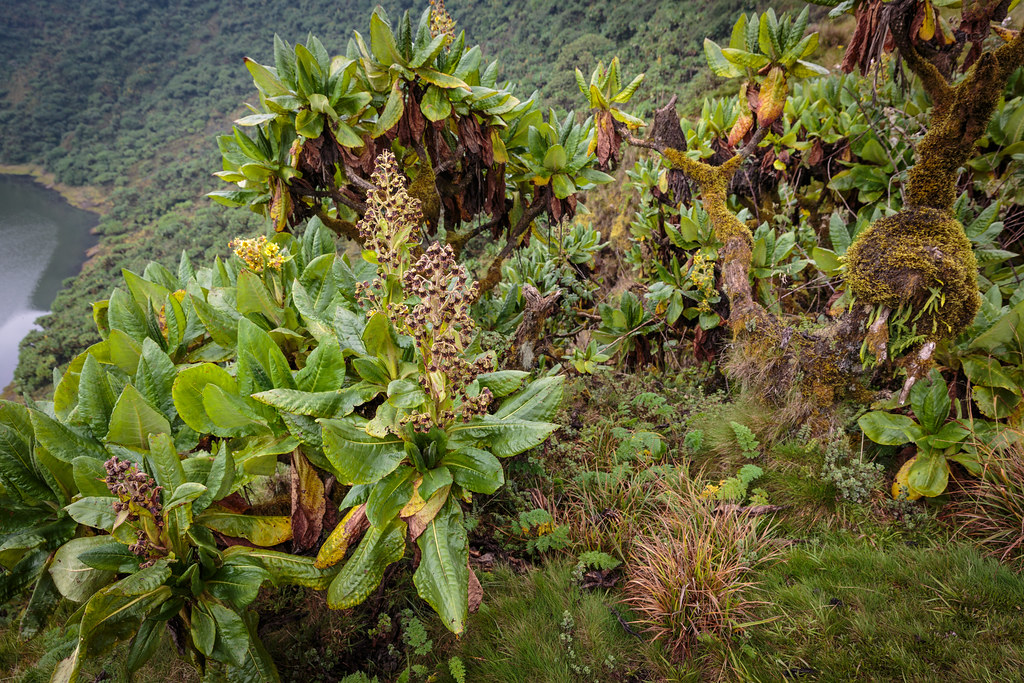
As the ascent continues, hikers enter the Hagenia-Hypericum forest zone, where ancient moss-draped trees create an ethereal atmosphere. The trail becomes steeper and more challenging, with occasional slippery roots and rocks. Above the forest line, the vegetation thins to alpine meadows dominated by giant lobelias and senecios, iconic plants of the Afro-alpine zone. The air grows noticeably cooler and thinner, demanding a steady pace and frequent rest breaks.
The final approach to the summit involves navigating volcanic rock and loose scree near the crater rim. The terrain here is rugged and exposed, with strong winds common. Hikers must be cautious of unstable edges and sudden weather changes. The summit rewards with a spectacular view of the crater lake, a serene body of water nestled within the volcanic caldera. The entire round trip typically takes 6 to 8 hours, depending on fitness and weather conditions. Porters are available to assist with gear, which can ease the physical burden on less experienced hikers.
Throughout the hike, trekkers may encounter diverse wildlife including golden monkeys, forest elephants, buffalo, and a rich variety of bird species endemic to the Albertine Rift. The trail’s ecological diversity and volcanic features combine to create a hiking experience that is both physically engaging and deeply connected to the region’s natural heritage.

What Makes the Mount Bisoke Trek Unique
Mount Bisoke stands out among the Virunga volcanoes for its stunning crater lake, a rare feature that crowns the summit with a vibrant turquoise pool. This lake, formed by volcanic activity and rain accumulation, creates a dramatic contrast against the rugged volcanic landscape. The trek offers a unique blend of ecological zones—from dense bamboo forests that shelter mountain gorillas to alpine meadows with giant lobelias found nowhere else on Earth. Wildlife sightings, including golden monkeys and forest elephants, enrich the journey, while the panoramic views of surrounding volcanoes and Lake Kivu provide breathtaking photo opportunities. The accessibility of the hike as a rewarding day trip makes it a favorite for adventurers seeking a challenging yet achievable volcano experience.
Summit and Crater Experience on Mount Bisoke
Reaching Mount Bisoke’s summit is a moment of awe and reflection. The crater lake, approximately 400 meters wide, lies calm and emerald-green, its surface mirroring the sky and encircling peaks. The air is crisp and cool, carrying the faint scent of volcanic minerals. Around the crater rim, hikers feel the raw power of the dormant volcano beneath their feet, with occasional steam vents hinting at subterranean activity. The panoramic vistas stretch across the Virunga volcanic chain, Rwanda’s terraced hillsides, and on clear days, the shimmering expanse of Lake Kivu. The summit’s serene beauty contrasts with the physical exertion of the climb, offering a profound sense of accomplishment and connection to the Earth’s dynamic forces.

Best Time to Trek Mount Bisoke
The optimal periods for hiking Mount Bisoke are during Rwanda’s dry seasons: June to September and December to February. These months offer more stable weather, reduced rainfall, and clearer skies, enhancing trail conditions and summit visibility. The wet seasons, particularly March to May and October to November, bring heavy rains that can turn trails muddy and slippery, increasing the difficulty and risk of the hike. Early morning starts are recommended to avoid afternoon showers and to experience cooler temperatures. Trekking during dry seasons also reduces the likelihood of encountering dense fog or cloud cover at higher elevations, ensuring rewarding panoramic views from the summit.
Routes and Trail Options for Mount Bisoke
Mount Bisoke offers two primary hiking trails, both originating from the Rwandan side within Volcanoes National Park. The most popular route leads directly to the summit crater lake, providing a challenging yet manageable ascent through diverse ecological zones. This trail begins at the park headquarters in Kinigi, where hikers receive a briefing and are assigned guides and rangers. After a short 4×4 transfer to the trailhead, the hike commences through farmland, bamboo forests, and alpine vegetation before reaching the crater rim.
The second trail leads to Lake Ngezi, a smaller crater lake located approximately 11 kilometers from the summit. This route is less frequented and offers a gentler hike suitable for those seeking a less strenuous experience. Both trails showcase the rich biodiversity and volcanic features of Mount Bisoke.
Hiking permits are required for both routes and must be obtained in advance through the Rwanda Development Board or authorized tour operators. Guided hikes are mandatory, with professional park rangers accompanying all groups to ensure safety and environmental protection. Porters can be hired to assist with carrying gear, enhancing comfort on the steep and sometimes muddy trails.
Typical hiking times vary based on fitness and weather, with the summit trail taking between 6 to 8 hours round trip. Experienced hikers may complete the ascent in as little as 3 to 4 hours. The trails are well-marked but can be slippery during rainy periods, so appropriate footwear and trekking poles are recommended.

Difficulty Assessment of the Mount Bisoke Trek
Mount Bisoke is classified as a moderate volcano trek, suitable for hikers with a reasonable level of fitness. The trail involves steady elevation gain of approximately 1,200 meters over a distance of about 6 kilometers to the summit. Terrain varies from forest paths and muddy sections to rocky and steep volcanic slopes near the crater rim. Altitude effects may be felt above 3,000 meters, with thinner air and cooler temperatures requiring acclimatization and frequent rest breaks.
While technical climbing skills are not necessary, hikers should be prepared for challenging sections, especially in wet conditions where trails become slippery. The presence of park rangers and the option to hire porters provide additional support. Overall, the trek demands endurance and careful pacing but does not require specialized mountaineering equipment, making it accessible to adventurous travelers who are physically prepared.
Essential Gear for Hiking Mount Bisoke
Successful trekking on Mount Bisoke requires gear suited to variable mountain conditions. Essential items include sturdy hiking boots with good grip to navigate muddy and rocky terrain, and gaiters to protect against mud and thorny vegetation. Trekking poles are highly recommended for stability on steep and slippery sections. A waterproof and windproof jacket is necessary to guard against rain and chilly summit winds. Layered clothing helps manage temperature changes, with moisture-wicking base layers and insulating mid-layers.
Additional gear includes a headlamp for early starts or late finishes, a wide-brimmed hat and sunscreen for sun protection, and gloves for warmth at higher altitudes. Carrying sufficient water and high-energy snacks is vital, as the hike can last up to 8 hours. A small first aid kit and insect repellent are also advisable. While gas masks are not typically required, hikers should be aware of potential volcanic gases and follow ranger guidance.
Safety and Volcanic Hazards on Mount Bisoke
While Mount Bisoke is classified as dormant, safety precautions are essential due to its volcanic nature and challenging terrain. The primary hazards include unstable crater edges, loose volcanic scree, and slippery trails, especially during the rainy season. Sudden weather changes can bring cold temperatures, fog, and rain, increasing the risk of hypothermia or disorientation.
Volcanic gases may occasionally be present near fumaroles or steam vents; hikers should heed ranger warnings and avoid these areas. The park employs trained rangers who monitor volcanic activity and guide hikers safely. Groups are accompanied by armed rangers to ensure security within the park.
Falling rocks and encounters with wildlife such as elephants or buffalo require vigilance and adherence to park rules. Emergency protocols are in place, but hikers should carry basic first aid supplies and inform guides of any health concerns. Proper preparation, including physical fitness and appropriate gear, significantly reduces risks on this trek.
Permits, Guides, and Logistics for Mount Bisoke Trekking
Hiking Mount Bisoke requires a mandatory permit issued by the Rwanda Development Board (RDB). Permits cost approximately $75 USD for international visitors and must be booked in advance due to a daily limit of 16 hikers to protect the fragile ecosystem. Permits include park entry fees and the services of a professional ranger guide who accompanies all groups for safety and environmental stewardship.
Booking through reputable tour operators such as Ibigwi Tours, Silverback Gorilla Tours, Rwanda Gorilla Quest, and Gorilla Tour Rwanda simplifies the permit process and logistics. These operators provide comprehensive packages including transport from Kigali or Musanze, permit acquisition, ranger guides, porters for hire (around $10-$20), and sometimes accommodation arrangements.
Trekking begins with a briefing at the Volcanoes National Park headquarters in Kinigi at 7:00 AM, where hikers receive safety instructions and are assigned guides. From there, a 30 to 40-minute 4×4 transfer takes hikers to the trailhead. The hike itself lasts 6 to 8 hours round trip, with porters available to assist with heavy gear.
Transportation options include private vehicles or arranged transfers from Kigali (approximately 2.5 hours) or Musanze (about 30 minutes). Accommodation is widely available in Musanze and Kinigi, ranging from budget lodges to luxury eco-lodges. Visitors are advised to book permits and tours well in advance, especially during peak dry seasons, to secure availability.
Where to Stay Near Mount Bisoke
The town of Musanze (formerly Ruhengeri) serves as the primary gateway for Mount Bisoke treks, offering a range of accommodation options to suit various budgets. For travelers seeking comfort and luxury, Bisate Lodge is a premier eco-lodge located just 20 minutes from the park headquarters in Kinigi. This lodge features six forest villas inspired by traditional Rwandan architecture, each with private decks overlooking the Virunga volcanoes, fireplaces, and modern amenities including hot showers, Wi-Fi, and fine dining. Bisate Lodge is renowned for its sustainability initiatives and intimate setting, accommodating a maximum of 12 guests daily.
For mid-range options, Mountain Gorillas Nest Lodge in Musanze offers spacious self-contained cottages surrounded by eucalyptus forests with views of the volcanoes. Facilities include a restaurant, bar, and friendly staff attentive to guests’ needs. Budget travelers can find affordable rooms in the central building of this lodge or other guesthouses in Musanze town.
Virunga Lodge, perched on a ridge near Musanze, provides luxury bandas with private balconies and panoramic views of the volcanoes and twin lakes. It combines comfort with proximity to the park.
Many tour operators include transfers from these lodges to the Volcanoes National Park headquarters and trailheads. Staying in Musanze or Kinigi allows early morning access to the park for briefings and maximizes time on the trail. Additionally, these towns offer local markets, cultural experiences, and dining options to enrich the visit.