
Hiking Lake Ngozi: A Complete Volcano Trekking Guide to Tanzania’s Majestic Crater Lake
Explore the stunning Lake Ngozi, Africa’s second-largest crater lake, nestled in Tanzania’s Southern Highlands. This comprehensive trekking guide covers the geological background, hiking terrain, routes, permits, accommodations, and safety tips for adventurers seeking a unique volcano hiking experience.
Quick Volcano Snapshot
| Attribute | Value |
|---|---|
| Volcano type | Caldera |
| Elevation | 2622 meters |
| Location | Mbeya Region, Tanzania |
| Activity status | Dormant |
| Trekking difficulty | Easy |
| Typical trek duration | 4-6 hours round trip |
| Altitude gain | Approx. 200 meters |
| Terrain type | Montane forest trails, crater rim, volcanic soil |
| Best season | June to October (dry season) |
| Temperature range | 10°C to 25°C |
| Permit requirement | Entrance fee required; guided tours recommended |
Introduction: The Experience of Hiking Lake Ngozi
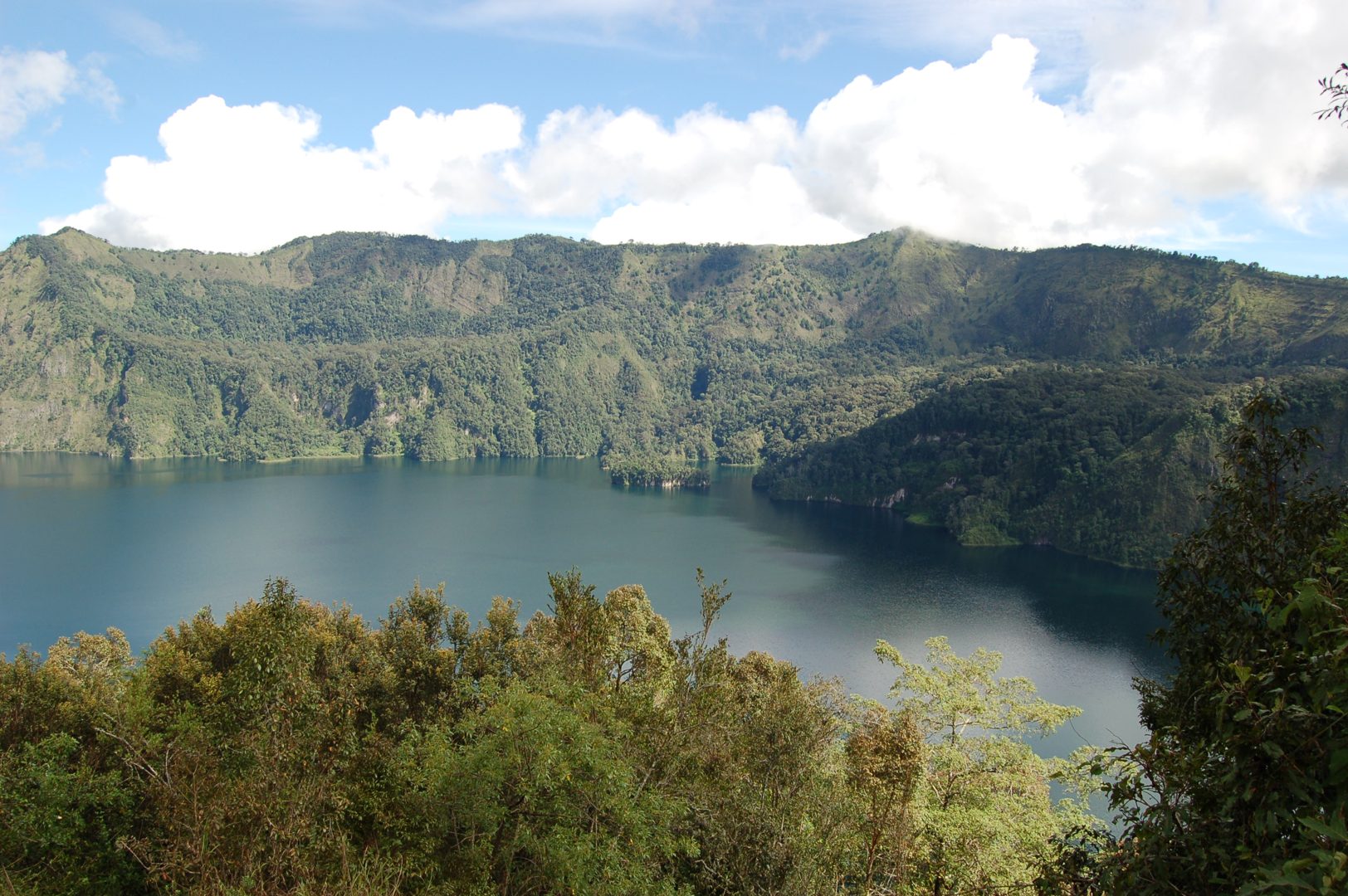
Approaching Lake Ngozi is like stepping into a realm where ancient volcanic forces meet lush montane wilderness. The trail winds through dense tropical forests alive with the calls of hornbills and the rustle of endemic chameleons. As you ascend, the air cools and the landscape shifts from vibrant greenery to the dramatic rim of a vast caldera. Standing at the crater edge, the lake’s emerald waters shimmer mysteriously, framed by steep volcanic cliffs. The contrast between the tranquil lake and the rugged volcanic terrain evokes a profound sense of the earth’s raw power and timeless beauty. This hike offers not just a physical journey but an emotional connection to one of Africa’s most enigmatic volcanic landscapes.
The Volcano Itself: Geological Background
Lake Ngozi is a striking caldera formed by the collapse of an ancient volcano’s magma chamber approximately one million years ago. This geological event created a large, roughly circular depression that now holds Africa’s second-largest crater lake. The caldera spans about 2.5 kilometers in length and 1.6 kilometers in width, with depths reaching up to 75 meters. The lake’s waters are slightly brackish and alkaline, a result of volcanic minerals dissolved from the surrounding rock. The crater walls are steep and forested, composed of volcanic ash, pumice, and lava flows from past eruptions. The surrounding Uporoto Mountains and forest reserve host unique volcanic formations, including fumaroles and sulfur deposits, remnants of the volcano’s fiery past. This ancient volcanic landscape offers a rare glimpse into the dynamic processes that shape our planet.
The Volcano Trek: Terrain and Hiking Experience
The trek to Lake Ngozi’s crater rim is an accessible yet richly rewarding journey through diverse volcanic terrain. Starting at the edge of the Uporoto Forest Reserve, hikers follow well-maintained trails that ascend gradually through dense montane forest. The path is characterized by soft volcanic soil, interspersed with patches of loose pumice and occasional rocky outcrops. Trekkers will navigate through a vibrant ecosystem where wild banana plants, endemic chameleons, and black-and-white colobus monkeys are common sights. The forest canopy filters sunlight, creating a cool, shaded environment that contrasts with the open, exposed crater rim above. As you near the rim, the trail steepens slightly, requiring careful footing on volcanic ash slopes and occasional scrambling over volcanic rock. The crater rim itself offers a rugged edge with panoramic views of the emerald lake below and the surrounding Southern Highlands. Wind conditions can be brisk at the summit, and temperatures may drop, especially in early mornings or late afternoons. The terrain’s volcanic nature means hikers should be prepared for uneven surfaces and loose scree, but the overall difficulty remains easy to moderate, suitable for most fitness levels. The trail’s natural beauty, combined with the geological drama of the caldera, makes this trek a unique and immersive experience for volcano enthusiasts and nature lovers alike.
What Makes This Volcano Trek Unique
Lake Ngozi stands apart as a volcanic destination due to its status as Africa’s second-largest crater lake, nestled within a lush montane forest that thrives on volcanic soils. The lake’s mysterious turquoise waters, which shift hues with the seasons, add an enigmatic allure. Unlike many volcanic sites, Ngozi combines geological grandeur with rich biodiversity, hosting endemic chameleons, black-and-white colobus monkeys, and a chorus of vibrant birdlife. The crater’s steep, forested rims provide dramatic panoramic views of the Southern Highlands, while local legends of spirits and mythical creatures imbue the landscape with cultural depth. The presence of luxury eco-lodges nearby offers a rare blend of wilderness adventure and refined comfort. This fusion of natural beauty, geological significance, and cultural mystique makes the Lake Ngozi trek a truly distinctive volcano hiking experience.
The Summit and Crater Experience
Reaching the crater rim of Lake Ngozi is a moment of awe and tranquility. From this vantage point, the lake’s deep emerald waters stretch out like a shimmering jewel, framed by steep volcanic cliffs and dense forest. The air is crisp and carries faint hints of mineral-rich earth, while the occasional breeze stirs the leaves and carries the distant calls of hornbills. The crater’s vastness and the lake’s serene surface create a powerful contrast to the rugged volcanic terrain beneath your feet. The panoramic views extend across the Southern Highlands, revealing mist-shrouded peaks and rolling valleys. The peaceful atmosphere invites reflection and a deep appreciation of the earth’s volcanic forces that shaped this landscape. The summit experience is both sensory and spiritual, offering a rare connection to the planet’s fiery heart.
Best Time to Trek Lake Ngozi
The ideal time to hike Lake Ngozi is during Tanzania’s dry season, from June to October. During these months, trails are more accessible, weather conditions are stable, and temperatures are cooler, ranging between 10°C and 25°C. Clear skies enhance visibility, allowing for spectacular panoramic views from the crater rim. The dry season also reduces the risk of slippery paths and muddy conditions common in the rainy months. However, visiting during the rainy season (November to April) offers a different experience, with lush vegetation and vibrant forest life, though trails can be challenging due to wet and slippery terrain. Early morning hikes are recommended to avoid midday heat and to enjoy the tranquil atmosphere. Visitors should monitor local weather and volcanic activity updates, although Lake Ngozi is dormant and poses minimal eruption risk.
Trekking Routes and Trail Options
The primary trekking route to Lake Ngozi begins at the edge of the Uporoto Forest Reserve, accessible by road from Mbeya or Tukuyu. The trail is approximately 4 to 6 kilometers round trip, with an elevation gain of about 200 meters, making it suitable for most hikers. The path meanders through montane forest, passing local farms and diverse flora and fauna. Guided tours typically include a visit to nearby markets for fresh fruit and cultural interaction. The trail is well-marked and maintained, with options for shorter or longer hikes depending on fitness and interest. Some operators offer combined tours including nearby attractions such as Mbeya Peak or Kitulo National Park. Self-guided hikes are possible but hiring a local guide is recommended for safety, navigation, and enriched cultural experience. The trail’s moderate difficulty and scenic diversity make it an excellent choice for both novice and experienced trekkers.
Difficulty Assessment
Lake Ngozi’s trek is classified as an easy volcano hike, suitable for hikers with basic fitness levels. The trail features gradual ascents through forested terrain with some sections of loose volcanic soil and minor scrambling near the crater rim. Altitude at 2622 meters may cause mild effects for some, but the moderate elevation gain and well-maintained paths minimize strain. No technical climbing skills or specialized equipment are required. The hike’s challenges include navigating uneven terrain, potential slippery surfaces during wet conditions, and exposure to wind at the summit. Overall, the trek offers a rewarding experience without demanding physical exertion, making it accessible to a wide range of adventure travelers.
Essential Volcano Trekking Gear
For hiking Lake Ngozi, essential gear includes sturdy hiking boots with good grip to handle volcanic soil and rocky sections. Trekking poles can aid balance on uneven terrain. Lightweight, breathable clothing layered for temperature changes is recommended, along with a windproof jacket for summit exposure. A hat and sunscreen are necessary due to limited shade on the crater rim. Carry sufficient water and snacks for the 4-6 hour trek. Binoculars and a camera enhance wildlife and landscape viewing. A rain jacket is advisable during the wet season. While volcanic gases are minimal due to dormancy, those sensitive to odors may consider a light face mask. A headlamp is useful for early morning starts. Finally, insect repellent helps in forested areas.
Safety and Volcanic Hazards
Lake Ngozi is a dormant caldera with no recent volcanic activity, significantly reducing eruption risks. However, trekkers should remain cautious of natural hazards such as unstable crater edges, loose volcanic scree, and slippery trails, especially during or after rain. Falling rocks and sudden weather changes, including strong winds at the crater rim, pose additional risks. It is advisable to hike with a local guide familiar with the terrain and safety protocols. Visitors should respect park regulations and avoid venturing into restricted areas. Monitoring by Tanzania Forest Services and local authorities ensures visitor safety. Carrying a basic first aid kit and informing others of your itinerary enhances preparedness. Overall, the trek is safe when standard hiking precautions are observed.
Permits, Guides, and Logistics
Access to Lake Ngozi requires an entrance fee, typically around $10 USD per person, payable at the Uporoto Forest Reserve gate. While self-guided hikes are possible, hiring a local guide is highly recommended for navigation, safety, and cultural insight. Guides such as James Bond Guide Services (+255 752 227 220) and operators like Bongo Trips Tanzania, Ali Brali Tours, Chugu Tanzania Adventure Safaris, and Blessings Safari offer organized tours including transport, permits, and market visits for provisions. Booking in advance is advisable, especially during peak dry season months (June to October). The trailhead is accessible by road from Mbeya city (approximately 38 km) or Tukuyu town, with transport options including private cars, taxis, or arranged transfers through tour operators. Visitors should prepare for variable road conditions, particularly in the rainy season. Accommodation can be arranged in nearby towns, and guides often provide logistical support for multi-day itineraries combining Lake Ngozi with other regional attractions. It is important to respect local customs and environmental regulations to preserve the natural and cultural heritage of the area.
Where to Stay Near Lake Ngozi
Accommodations near Lake Ngozi are primarily located in the towns of Tukuyu and Mbeya, offering a range of options from budget guesthouses to comfortable lodges. Tukuyu, situated about 15 kilometers from the crater, provides convenient access to the trailhead and features establishments such as Tukuyu Guesthouse and local eco-lodges that blend rustic charm with modern amenities. Mbeya, approximately 38 kilometers north, is a larger city with hotels like Mbeya Hotel and Green Valley Hotel, offering more extensive services including dining, Wi-Fi, and transport arrangements. For travelers seeking immersive nature experiences, eco-lodges near the Uporoto Forest Reserve provide tranquil settings surrounded by montane forest, ideal for early starts and wildlife observation. Camping is also possible at designated sites near the crater rim for adventurous visitors. Many tour operators coordinate transfers and accommodations, ensuring seamless logistics. Staying in these bases allows hikers to rest comfortably while enjoying local culture and preparing for the volcano trek.