
Mount Batur Volcano Trekking Guide: Sunrise Hike to Bali’s Active Caldera
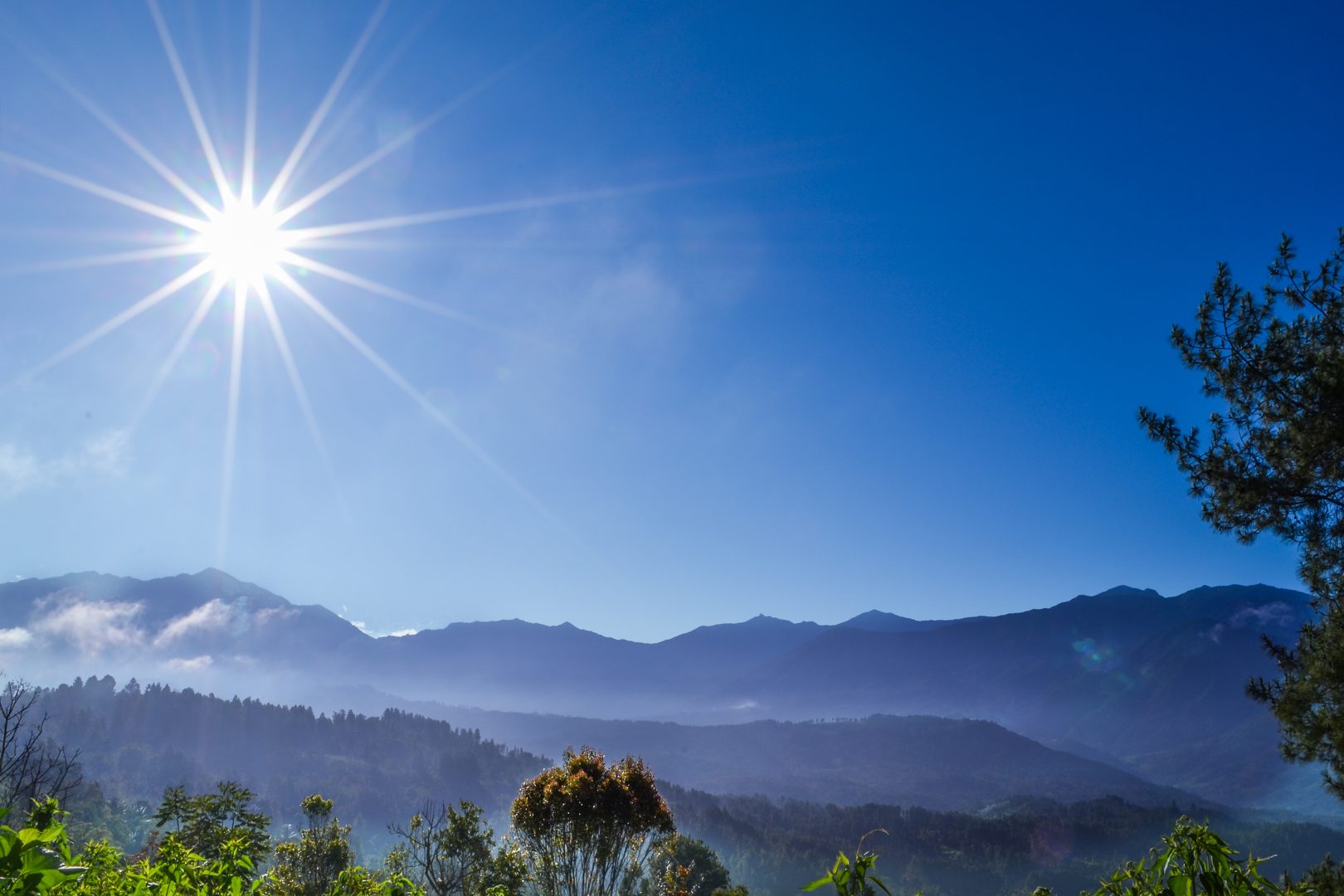
Mount Batur, an active caldera volcano in Bali, Indonesia, offers a thrilling yet accessible trekking experience. Known for its breathtaking sunrise views over Lake Batur and surrounding volcanic landscapes, this moderate trek combines geological wonder with cultural significance. Guided tours ensure safety and enrich the adventure with local insights.
Quick Volcano Snapshot
| Attribute | Value |
|---|---|
| Volcano type | Caldera |
| Elevation | 1,717 meters |
| Location | Kintamani, Bali, Indonesia |
| Activity status | Active |
| Trekking difficulty | Moderate |
| Typical trek duration | 1.5 to 2 hours ascent, 3 to 4 hours round trip |
| Altitude gain | Approximately 700 meters |
| Terrain type | Volcanic ash slopes, lava rock, loose gravel |
| Best season | Dry season (April to October) |
| Temperature range | 10–15°C before sunrise, 20–25°C after sunrise |
| Permit requirement | Mandatory guided trek with permits included in tours |
The Experience of Hiking Mount Batur
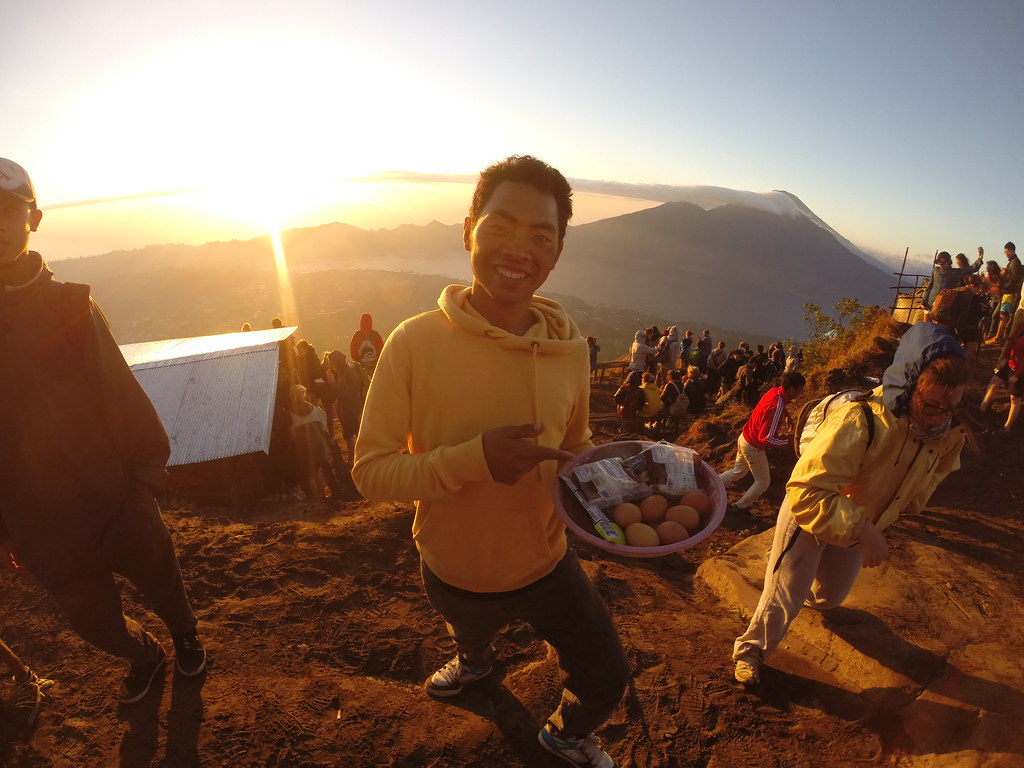
Approaching Mount Batur in the pre-dawn darkness, the air is crisp and the sky studded with stars. The volcanic landscape unfolds as you ascend, a raw and rugged terrain shaped by millennia of eruptions. The trail winds through black lava fields and ash slopes, contrasting sharply with the lush greenery of Bali’s lowlands. Reaching the summit just before sunrise, the horizon ignites in a spectacular palette of gold and orange, illuminating the vast caldera lake below. The sense of standing atop a living volcano, surrounded by panoramic views of Bali’s mountains and seas, is both humbling and exhilarating.
Geological Background of Mount Batur
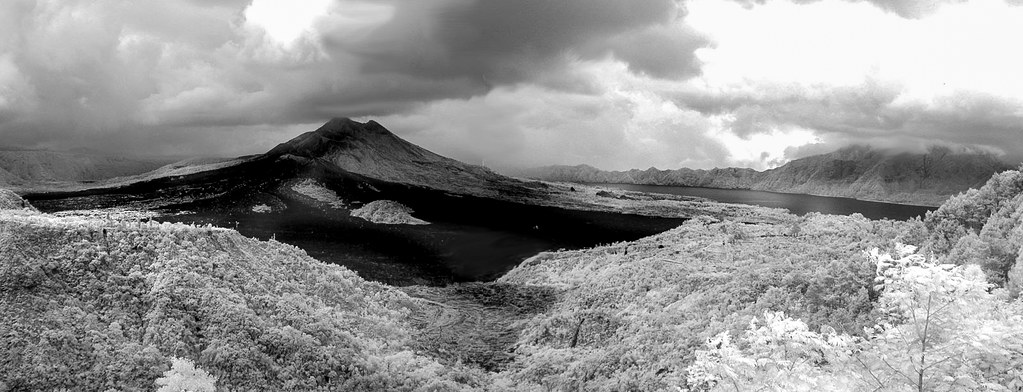
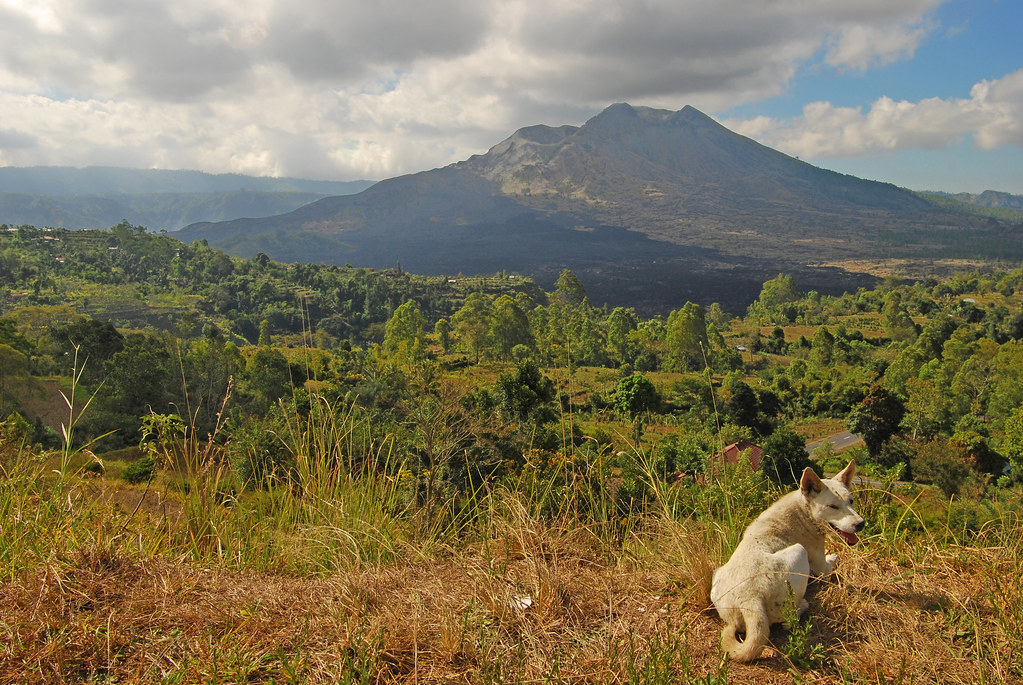
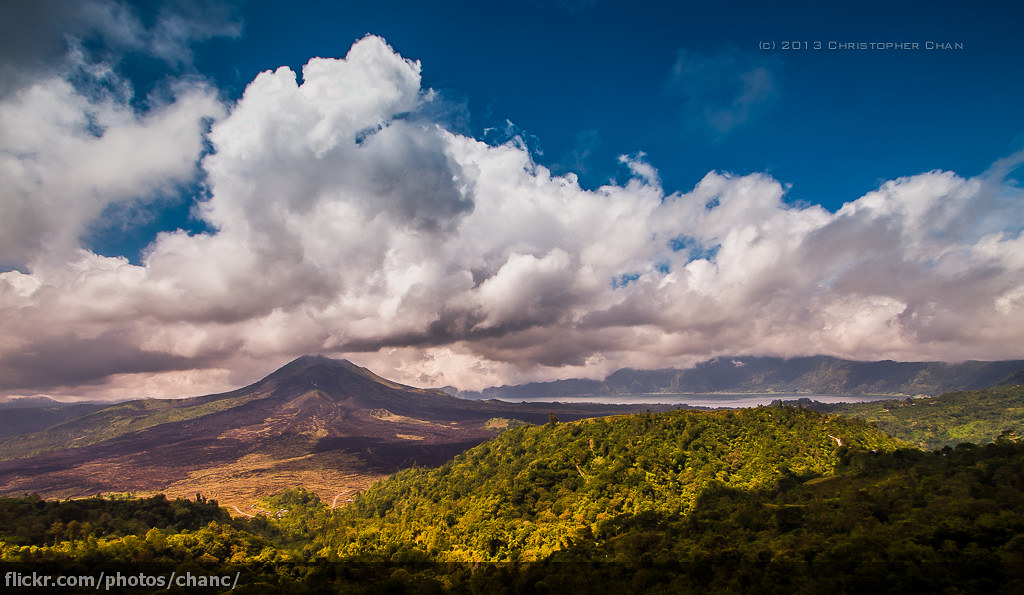
Mount Batur is a large active caldera volcano located in the Kintamani highlands of Bali. Formed by a massive eruption approximately 25,000 years ago, the caldera spans about 13 by 10 kilometers and contains Lake Batur, Bali’s largest lake. The volcano itself rises to 1,717 meters above sea level, with its current cone formed inside the caldera. Mount Batur has erupted frequently over the centuries, with recorded eruptions dating back to 1804 and the most recent significant activity occurring in 2000. The volcano’s geology features layers of volcanic ash, lava flows, and pumice deposits. Fumaroles and steam vents near the summit emit sulfurous gases, contributing to the mountain’s dynamic volcanic environment. The surrounding caldera landscape is dotted with mineral-rich hot springs and fertile soils that support local agriculture.
Terrain and Hiking Experience on Mount Batur
The Mount Batur trek is a moderate hike that offers a diverse volcanic terrain and a rewarding experience for adventurers of varying fitness levels. The trail typically begins in the village of Toya Bungkah at around 1,000 meters elevation, ascending approximately 700 meters to the summit at 1,717 meters. The path is well-marked but can be steep and challenging in sections, especially in the dark hours before dawn. Trekkers navigate loose volcanic ash, gravel, and rugged lava rocks, requiring sturdy footwear and careful footing. The ascent takes about 1.5 to 2 hours at a steady pace, with guides often providing support and pacing. The trail passes through sparse vegetation and open volcanic fields, exposing hikers to cool mountain air and occasional strong winds. Temperature can drop to 10–15°C before sunrise, so layering is essential. The summit area features rocky outcrops and fumaroles emitting warm steam, adding to the volcanic atmosphere. After reaching the peak, hikers are rewarded with panoramic views of the caldera lake, neighboring Mount Agung, and the Bali coastline. The descent follows the same path, often allowing for a faster return. The terrain’s volcanic nature means some sections are slippery or unstable, so trekking poles are recommended for balance. Overall, the hike balances accessibility with the rawness of an active volcanic environment, making it a memorable adventure.
What Makes the Mount Batur Trek Unique
Mount Batur’s trek stands out for its combination of geological activity, cultural significance, and breathtaking sunrise views. Unlike many volcano hikes, it offers a relatively accessible climb to an active volcanic summit, where hikers can witness steaming fumaroles and volcanic vents firsthand. The presence of Lake Batur within the caldera adds a serene contrast to the rugged volcanic landscape, creating a unique setting for photography and reflection. The trek’s timing—starting in the early hours to catch the sunrise—imbues the experience with a magical quality as the sky transforms and the island awakens below. Additionally, Mount Batur holds deep spiritual importance for the Balinese people, with nearby temples such as Pura Ulun Danu Batur dedicated to the goddess of the lake. This blend of natural wonder and cultural heritage enriches the trek, making it more than just a physical challenge but a journey into Bali’s volcanic heart.
Summit and Crater Experience
Reaching the summit of Mount Batur is a sensory and emotional highlight of the trek. The rocky peak offers unobstructed 360-degree views of the surrounding caldera, Lake Batur’s shimmering waters, and distant volcanic peaks like Mount Agung. The air carries the faint but distinct scent of sulfur from active fumaroles and steam vents scattered around the crater rim. The ground beneath is warm in places, evidence of the volcano’s ongoing geothermal activity. As the sun rises, the sky bursts into vibrant hues of orange, pink, and gold, casting dramatic shadows over the volcanic landscape. The quiet is punctuated by the soft hiss of escaping gases and the occasional call of birds. Many guides provide a warm breakfast cooked using volcanic steam, enhancing the unique summit experience. This moment of standing on an active volcano’s edge, surrounded by raw earth and sky, leaves a lasting impression of nature’s power and beauty.
Best Time to Trek Mount Batur
The optimal time to hike Mount Batur is during Bali’s dry season, from April to October, when trails are clearer and rainfall is minimal. Early mornings before sunrise are preferred to avoid the heat and to witness the spectacular sunrise from the summit. Weekdays tend to be less crowded than weekends, offering a more tranquil experience. Although the volcano is accessible year-round, the wet season (November to March) brings slippery trails and increased cloud cover, which can obscure views. Climbers should monitor volcanic activity reports and local advisories, as safety protocols may restrict access during periods of increased activity. The early morning start, typically between 1:30 and 2:30 AM, is essential to reach the peak in time for dawn. Temperatures before sunrise can be cool, ranging from 10 to 15°C, so appropriate clothing is necessary.
Routes and Trail Options on Mount Batur
Mount Batur offers several trekking routes, with the most popular starting point at Toya Bungkah village, located on the southern edge of the caldera. This route is approximately 3 to 5 kilometers round trip, with an elevation gain of about 700 meters. It typically takes 1.5 to 2 hours to ascend and 1 to 1.5 hours to descend. The trail is well-maintained and marked, making it suitable for guided groups and independent trekkers with adequate fitness. Guides often offer two route options: a steeper, more direct path for experienced hikers seeking a challenge, and a gentler, longer path for beginners or those preferring a slower pace. Alternative experiences include jeep tours that reach viewpoints near the summit, ideal for travelers with limited mobility or families. Some tours combine the trek with visits to nearby hot springs or cultural sites. All trekking routes require accompaniment by a licensed local guide, ensuring safety and compliance with regulations. The trail passes through volcanic ash fields, lava rock formations, and sparse vegetation, providing varied terrain and scenic interest.
Difficulty Assessment of Mount Batur Trek
Mount Batur’s trek is classified as a moderate volcano hike. The trail’s length and elevation gain are manageable for individuals with average fitness, though the steep sections and loose volcanic terrain require careful footing. The ascent involves sustained uphill walking for 1.5 to 2 hours, which can be physically demanding for beginners but is achievable with regular breaks. The altitude of 1,717 meters is unlikely to cause significant altitude sickness, but cooler temperatures and early morning starts may challenge some hikers. No technical climbing skills or equipment are necessary, making it accessible to most hikers. The presence of licensed guides enhances safety and navigation. Overall, the trek is suitable for beginners with reasonable fitness and experienced hikers seeking a rewarding volcano experience without technical difficulty.
Essential Gear for Mount Batur Trekking
Proper gear enhances safety and comfort on the Mount Batur trek. Recommended items include sturdy hiking boots with good grip to navigate loose volcanic ash and rocky terrain. Trekking poles can aid balance on steep or slippery sections. Layered clothing is essential to adapt to temperature changes, with warm jackets or fleeces for the cold pre-dawn hours and lighter layers for after sunrise. A headlamp or flashlight is crucial for the early morning ascent in darkness. Sun protection such as hats, sunglasses, and sunscreen is necessary once the sun rises, as the trail offers little shade. Hydration systems or water bottles are important to stay hydrated during the climb. Some hikers may consider a lightweight rain jacket during the wet season. A small backpack to carry snacks, camera, and personal items is recommended. Gas masks or respirators are generally not required but can be useful for sensitive individuals due to volcanic gases near fumaroles.
Safety and Volcanic Hazards on Mount Batur
While Mount Batur is considered safe for guided trekking, it remains an active volcano with inherent risks. Volcanic gases such as sulfur dioxide can be present near fumaroles and vents, potentially irritating sensitive individuals. Hikers should avoid lingering near steam vents and follow guide instructions. The trail includes loose volcanic ash and gravel, increasing the risk of slips and falls, especially during descent. Weather conditions can change rapidly, with cold temperatures before sunrise and possible rain during the wet season, necessitating appropriate clothing. The Indonesian authorities monitor volcanic activity continuously, and access may be restricted during heightened alert levels. All trekkers are required to hire licensed local guides who are trained in safety protocols and emergency response. Search and rescue teams operate in the region, and recent government initiatives aim to improve safety standards and reduce accidents. Visitors should respect trail regulations, avoid solo hiking, and inform guides of any health concerns before the trek.
Permits, Guides, and Logistics for Mount Batur Trekking
Trekking Mount Batur requires a permit and must be done with a licensed local guide, ensuring safety and environmental protection. Permits are typically included in guided tour packages offered by reputable operators such as Mount Batur Trekking & Tour, Your Bali Trekking Tour, GP Bali Tour, and others. These tours provide hotel pickup and drop-off, guide services, trekking equipment like poles and headlamps, and often a light breakfast at the summit. Permit costs are bundled with tour prices, generally ranging from $30 to $50 USD per person depending on inclusions. Solo hiking without a guide is prohibited to minimize risks associated with volcanic activity and challenging terrain. Guides are knowledgeable about the volcano’s geology, safety procedures, and local culture, enhancing the trekking experience. Logistics involve early morning pickups around 1:30 to 2:30 AM from popular tourist areas such as Ubud, Kuta, and Seminyak, with a 1 to 2-hour drive to the trailhead in Toya Bungkah. The trek itself takes approximately 3 to 4 hours round trip. Some operators also offer jeep tours as a less strenuous alternative. Booking in advance is recommended, especially during peak tourist seasons from July to September. Visitors should check current volcanic activity reports and weather forecasts before planning their trek.
Where to Stay Near Mount Batur
Accommodations near Mount Batur cater to a range of preferences, from boutique mountain lodges to guesthouses and villas with stunning volcano and lake views. The village of Toya Bungkah, located at the base of Mount Batur, offers convenient access to the trailhead and several lodging options. Notable accommodations include Batur Cabins, a boutique mountain hotel featuring private cabins with panoramic views of the volcano and Lake Batur, ideal for nature lovers and couples seeking tranquility. The Batur Sunrise Guesthouse provides a cozy stay with garden spaces and warm pools, praised for cleanliness and hospitality. For luxury seekers, The Ayu Kintamani Villa at Toya Devasya offers lakefront villas with modern amenities and on-site dining. Many hotels and guesthouses provide early breakfast options and arrange guided tours or transport to the volcano. Staying in Kintamani town offers additional services and restaurants within a short drive. Ubud, about 1.5 hours away, is a popular base for travelers combining cultural exploration with trekking. Visitors can also relax in nearby natural hot springs after the hike, with several resorts offering spa facilities. Booking accommodations in advance is advisable during peak seasons to secure preferred options.