
Trekking Ushkovsky Volcano: Exploring Kamchatka’s Glacier-Covered Dormant Giant
Ushkovsky Volcano, a dormant stratovolcano with a glacier-covered summit in Kamchatka, Russia, offers a moderate trekking challenge through rugged volcanic terrain. This guide covers geological insights, trekking routes, safety, permits, and accommodation options for adventurers seeking to explore this majestic volcanic massif.
Quick Volcano Snapshot
| Attribute | Value |
|---|---|
| Volcano type | Stratovolcano |
| Elevation | 3943 m |
| Location | Kamchatka Peninsula, Russia |
| Activity status | Dormant |
| Trekking difficulty | Moderate |
| Typical trek duration | 3-5 days |
| Altitude gain | Approx. 1000-1500 m |
| Terrain type | Glacier-covered summit, volcanic ash slopes, rocky terrain |
| Best season | June to September |
| Temperature range | -5°C to 15°C during trekking season |
| Permit requirement | Required for Kamchatka Volcanoes Nature Park |
The Experience of Hiking Ushkovsky Volcano
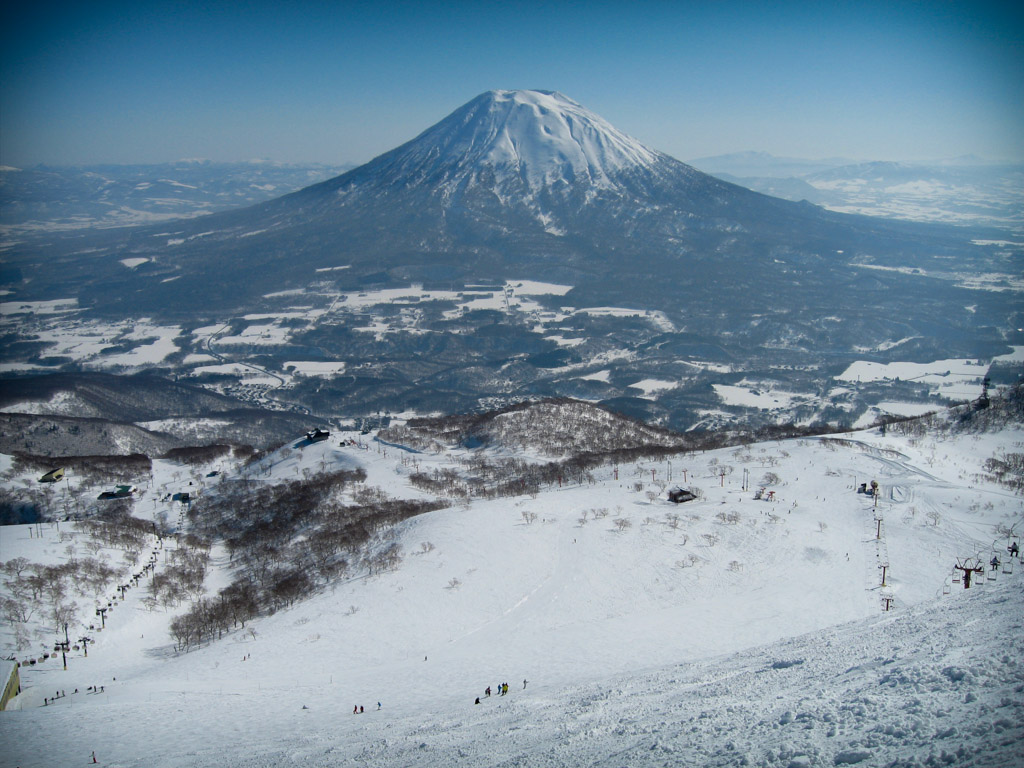
Approaching Ushkovsky Volcano, trekkers are greeted by the stark contrast of vast glacier fields and rugged volcanic cones. The air is crisp and charged with the silent power of a dormant giant. As you ascend, the landscape shifts from dense taiga to barren volcanic rock and ice, revealing the raw geological forces that shaped this massif. Reaching the summit caldera, surrounded by ice and geothermal vents, offers a profound sense of standing on a living monument to Earth’s fiery past.

Geological Background of Ushkovsky Volcano
Ushkovsky is a large compound stratovolcano located in central Kamchatka, part of the Klyuchevskaya volcanic group. It features a summit elevation of 3943 meters and is topped by a 4.5 by 5.5 km ice-filled caldera. The volcano formed through subduction of the Pacific Plate beneath the Okhotsk Plate, resulting in layered lava flows and explosive eruptions. Historical activity includes a summit explosive eruption in 1890 and a major prehistoric eruption around 6600 BC at the Lavovy Shish flank cones. The caldera hosts geothermal activity that melts parts of the glacier, creating ice-free fumarole areas. Ushkovsky’s geology is marked by thick glacial cover, shield-like cones within the caldera, and extensive volcanic ash deposits, making it a fascinating study of volcanic and glacial interplay.
Terrain and Hiking Experience on Ushkovsky Volcano
Trekking Ushkovsky Volcano presents a unique blend of volcanic and glacial terrain that challenges and rewards hikers with every step. The ascent begins through dense boreal forests and alpine tundra, gradually giving way to volcanic scree and ash slopes. The terrain is varied: expect to navigate loose volcanic ash, jagged lava rocks, and patches of ice near the summit. The glacier-covered caldera demands careful footing, especially where geothermal heat melts ice, creating slippery and unstable surfaces. Altitude gain is moderate but steady, with the summit reaching nearly 4000 meters, which can cause mild altitude effects for some trekkers. Weather conditions are variable; strong winds and sudden temperature drops are common near the summit. The trail requires good physical fitness and experience with uneven, sometimes slippery terrain. Trekkers should be prepared for long days of hiking, often 6 to 8 hours, with steep sections and exposure to the elements. The volcanic ash and pumice can be loose underfoot, making trekking poles and sturdy boots essential. Despite these challenges, the route offers spectacular views of surrounding volcanoes, glaciers, and the Kamchatka wilderness. Wildlife sightings, including marmots and birds, add to the richness of the experience. The combination of volcanic geology and glacial features creates a dynamic landscape that is both beautiful and demanding, making Ushkovsky a memorable trek for adventurous hikers.
What Makes the Ushkovsky Trek Unique
Ushkovsky stands out for its glacier-covered summit caldera, a rare feature among Kamchatka’s volcanoes. The interplay of ice and geothermal heat creates steaming fumaroles and ice-free zones on the crater rim, offering a surreal landscape of steam vents amidst snow and ice. Unlike many active volcanoes, Ushkovsky’s dormant status allows for safer exploration of its vast caldera and surrounding glaciers. The massif’s connection to the nearby Krestovsky stratovolcano adds geological complexity and stunning panoramic views. The trek’s moderate difficulty combined with the dramatic volcanic and glacial scenery makes it a compelling destination for those seeking to experience Kamchatka’s volcanic power without the extreme risks of active eruptions.
Summit and Crater Experience on Ushkovsky
Reaching Ushkovsky’s summit caldera is a moment of awe and reflection. The expansive ice-filled crater stretches over 4.5 by 5.5 kilometers, with steam rising from geothermal vents that punctuate the icy surface. The air carries a faint sulfur scent, and the ground beneath your feet is warm in places due to volcanic heat. From the rim, panoramic views unfold across Kamchatka’s volcanic landscape, including the towering Krestovsky peak nearby. The silence is profound, broken only by the hiss of escaping gases and the crunch of ice underfoot. This remote and pristine environment offers a rare glimpse into the Earth’s volcanic heart, framed by glaciers and rugged peaks.
Best Time to Trek Ushkovsky Volcano
The optimal trekking season for Ushkovsky is from June to September when snow cover is reduced and temperatures are milder. Early summer may still have lingering snowfields, while late summer offers clearer skies and more stable weather. Temperatures typically range from -5°C to 15°C during this period, but sudden weather changes and strong winds are common near the summit. Trekking outside this window is not recommended due to heavy snow, ice hazards, and limited accessibility. Permits and park regulations are also more strictly enforced during the official season.
Trekking Routes and Trail Options on Ushkovsky
The primary trekking route to Ushkovsky’s summit begins from the base near the village of Klyuchi or from established campsites within Kamchatka Volcanoes Nature Park. The trail ascends through forested slopes before reaching alpine tundra and volcanic scree fields. Trekkers typically follow a 3 to 5-day itinerary, allowing time to acclimatize and explore the glacier-covered caldera. The route includes traversing the Bilchonok glacier, Kamchatka’s longest glacier, and navigating geothermal areas with fumaroles. Alternative routes connect Ushkovsky with neighboring volcanoes such as Krestovsky, offering extended trekking options for experienced hikers. Guided tours often include helicopter transfers to reduce approach time. Self-guided trekkers must prepare for remote conditions and variable terrain. Trail conditions can vary annually due to glacial movement and volcanic activity, so current information from park authorities is essential before planning.
Difficulty Assessment of Ushkovsky Trek
Ushkovsky is classified as a moderate volcano trek. The terrain demands good physical fitness and experience with uneven, volcanic and glacial surfaces. While technical climbing gear is generally not required, trekkers must be comfortable with steep ascents, loose volcanic ash, and icy patches near the summit. Altitude effects are moderate but should be considered. Weather conditions can add difficulty due to wind and cold. Overall, the trek suits hikers with some prior mountain trekking experience seeking a challenging but accessible volcanic adventure.
Essential Gear for Trekking Ushkovsky Volcano
Key gear includes sturdy hiking boots with good grip for volcanic and icy terrain, trekking poles for stability on loose ash and glacier sections, and layered clothing to adapt to temperature changes. A windproof and waterproof jacket is essential due to frequent strong winds and potential precipitation. Gloves and a warm hat protect against cold near the summit. A headlamp is useful for early starts or late finishes. Due to geothermal gases, a lightweight gas mask or respirator can be beneficial. Sun protection, including sunglasses and sunscreen, is important as the volcanic landscape offers little shade. Hydration systems and high-energy snacks are necessary for long trekking days. Crampons and an ice axe may be required if glacier conditions are icy, depending on the season and route.
Safety and Volcanic Hazards on Ushkovsky
Although Ushkovsky is dormant with no eruptions since 1890, trekkers should remain cautious of volcanic hazards such as geothermal vents emitting hot gases and steam, which can cause burns or respiratory irritation. The glacier-covered caldera poses risks of crevasses and unstable ice, especially near geothermal areas where melting occurs. Rockfalls and loose scree are common on steep slopes. Weather can change rapidly, bringing cold temperatures, strong winds, and poor visibility. Monitoring by Kamchatka Volcanic Eruption Response Team (KVERT) ensures early warning of any volcanic unrest. Trekkers should follow park regulations, stay on marked trails, and carry communication devices for emergencies. Awareness of wildlife, including bears, is also important for safety.
Permits, Guides, and Logistics for Ushkovsky Trekking
Trekking Ushkovsky Volcano requires a permit from the Kamchatka Volcanoes Nature Park, as the area is protected and regulated to preserve its unique environment. Permits can be obtained at the park office in Yelizovo or remotely via email (visit@park-vulcany.ru). The permit process involves submitting trekking plans and paying a fee, which varies depending on the length of stay and group size. Guided tours are highly recommended for safety and logistical support. Notable tour operators offering Ushkovsky trekking packages include 56th Parallel, BigCountry Travel, Siberia Trekking, and Epic Expeditions. These companies provide comprehensive services including transportation from Petropavlovsk-Kamchatsky, accommodation arrangements, experienced guides, and equipment rental. Logistics typically involve travel to the trailhead by vehicle or helicopter, depending on the itinerary. Trekkers should plan for multi-day expeditions with camping gear or stay in mountain huts where available. Due to the remote location, careful planning for food, water, and emergency communication is essential. Seasonal restrictions and weather conditions may affect access, so coordination with tour operators or park authorities is advised. Overall, the combination of permit requirements and challenging terrain makes guided trekking the safest and most efficient way to explore Ushkovsky.
Where to Stay Near Ushkovsky Volcano
Accommodation options near Ushkovsky are limited due to its remote location within Kamchatka Volcanoes Nature Park. The primary base for expeditions is Petropavlovsk-Kamchatsky, the regional capital, offering a range of hotels such as the Cosmos Hotel and Izmailovo Hotel, which provide comfortable lodging and amenities. From Petropavlovsk, travelers typically transfer to the village of Klyuchi, located approximately 200 km north, where private guesthouses and small hotels offer basic accommodation. For trekking, campsites are established near trailheads and within the park, equipped with tents and minimal facilities. Some guided tours provide mountain huts or base camps with cooking and sleeping arrangements on the volcano slopes. Paratunka, near Petropavlovsk, is known for its hot springs and offers resort-style lodging, ideal for pre- or post-trek relaxation. Due to the rugged terrain and limited infrastructure, staying in Petropavlovsk or Klyuchi and joining guided tours is the most practical approach. Early booking is recommended during the trekking season to secure accommodations and logistical support.