
Mount Gelai Volcano Trekking Guide: Explore Tanzania’s Hidden Stratovolcano with Panoramic Views
Mount Gelai, a dormant stratovolcano in Tanzania’s Arusha Region, offers adventurous trekkers a less crowded route with stunning panoramic views of Lake Natron and the nearby active Ol Doinyo Lengai volcano. This comprehensive guide covers the geological background, trekking terrain, routes, permits, accommodations, and safety tips for an unforgettable volcano hiking experience.
Quick Volcano Snapshot
| Attribute | Value |
|---|---|
| Volcano type | Stratovolcano |
| Elevation | 3,500 meters (approximate) |
| Location | Arusha Region, Tanzania |
| Activity status | Dormant |
| Trekking difficulty | Moderate |
| Typical trek duration | 4-6 days (Gelai Volcano Route including Ol Doinyo Lengai) |
| Altitude gain | Approximately 1,600 meters |
| Terrain type | Volcanic ash slopes, rocky outcrops, grasslands, highland rainforest |
| Best season | June to October (dry season) |
| Temperature range | 5°C to 25°C, cooler at night and summit |
| Permit requirement | Required through local tour operators |
Introduction: The Experience of Hiking Mount Gelai
Approaching Mount Gelai, trekkers are greeted by a dramatic volcanic landscape that contrasts sharply with the lush surroundings of Tanzania’s highlands. The ascent offers a profound sense of geological power, with sweeping views over Lake Natron and the iconic Ol Doinyo Lengai volcano. The trail winds through diverse terrain, from misty highland forests to open volcanic slopes, culminating in a summit that rewards hikers with panoramic vistas and a deep connection to the East African Rift’s volcanic heart.
The Volcano Itself: Geological Background
Mount Gelai is a dormant stratovolcano situated within the Arusha Region of northern Tanzania, part of the East African Rift System. Formed through successive eruptions of viscous lava and ash, Gelai’s structure reflects the classic layered build of stratovolcanoes. Its volcanic activity has shaped the surrounding landscape, contributing to the fertile soils and diverse ecosystems. The volcano’s slopes feature a mix of volcanic minerals and rock formations, with evidence of past lava flows and fumarolic activity. Though currently dormant, Gelai’s geological history is intertwined with the active Ol Doinyo Lengai nearby, known for its rare natrocarbonatite lava. The region’s volcanic soils support a mosaic of habitats, from highland rainforests to open grasslands, making Gelai a fascinating destination for both geologists and trekkers.
The Volcano Trek: Terrain and Hiking Experience
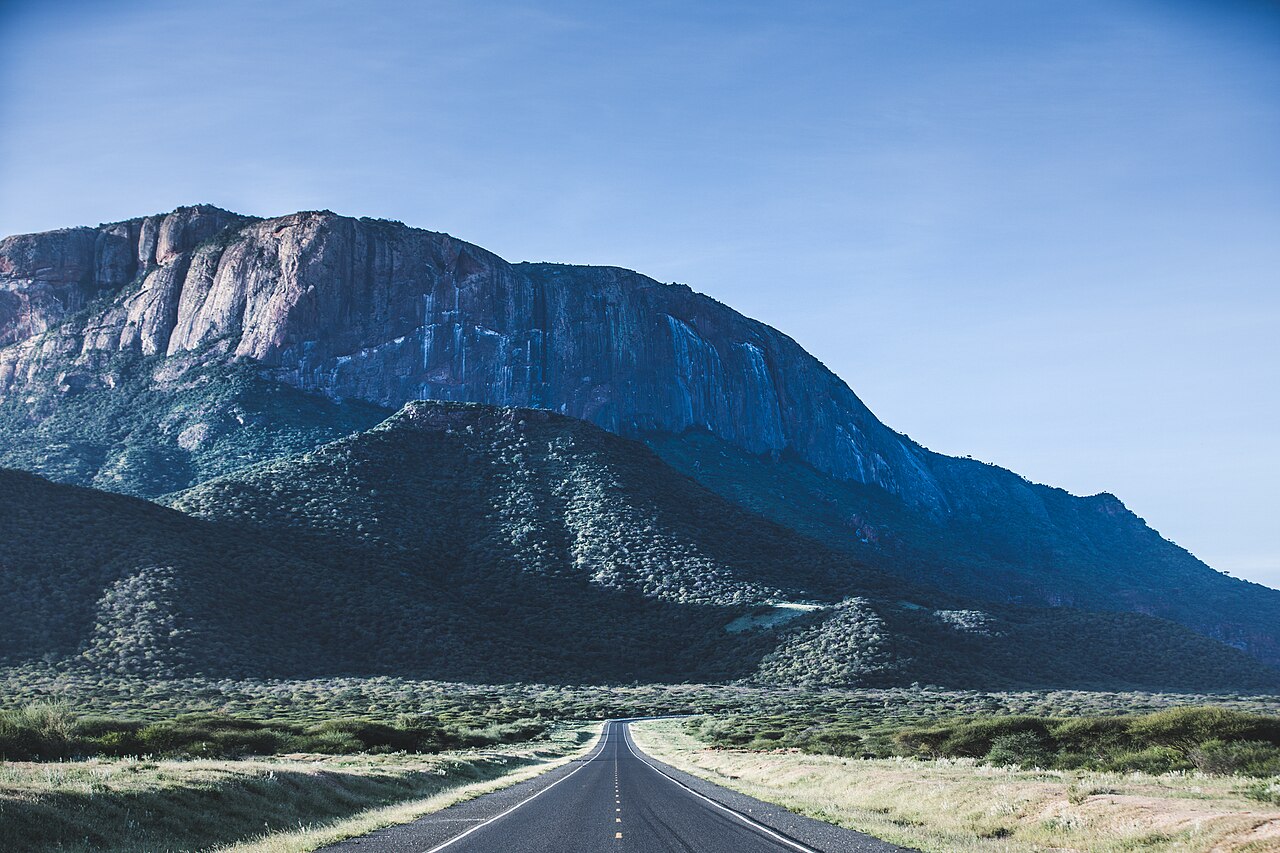
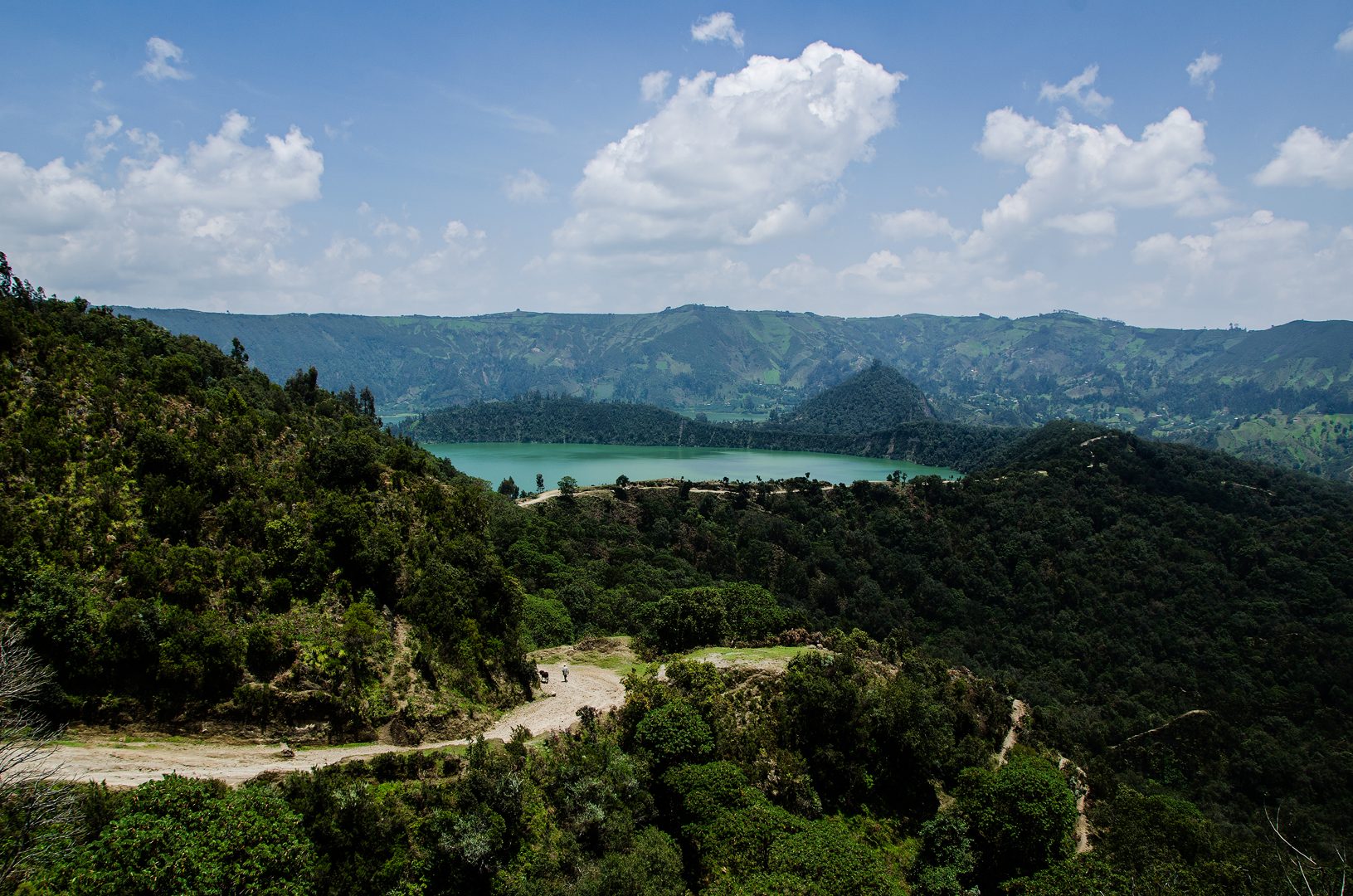
Trekking Mount Gelai offers a varied and engaging hiking experience that challenges and rewards adventurers. The trail begins in Gelai village, ascending through a mix of terrain types that showcase the volcano’s geological diversity. Early sections pass through highland rainforest, where hikers navigate narrow paths lined with dense vegetation and occasional wildlife sightings such as bushbuck and birds. As elevation increases, the forest gives way to open grasslands and rocky outcrops, with the terrain becoming steeper and more rugged.
The volcanic slopes present a mix of loose volcanic ash, compacted soil, and scattered lava rocks, requiring careful footing and moderate scrambling in places. The ascent involves steady altitude gain, approximately 1,600 meters over several kilometers, which can challenge endurance and acclimatization. Weather conditions vary, with cool mornings often shrouded in mist and warmer, sunny afternoons. Wind exposure increases near the summit, adding to the physical demands.
Hikers should be prepared for shifting temperatures and variable trail conditions, including slippery ash slopes after rain. The trail’s moderate difficulty level makes it accessible to fit trekkers with some hiking experience, though good physical preparation is recommended. The route’s remoteness and limited infrastructure mean that trekkers rely on local guides for navigation and support, enhancing safety and cultural engagement.
Overall, the Gelai trek combines the thrill of volcanic terrain with the serenity of less-traveled paths, offering a unique perspective on Tanzania’s volcanic landscapes. The journey culminates in breathtaking summit views that reward the effort and provide a profound sense of accomplishment.
What Makes This Volcano Trek Unique
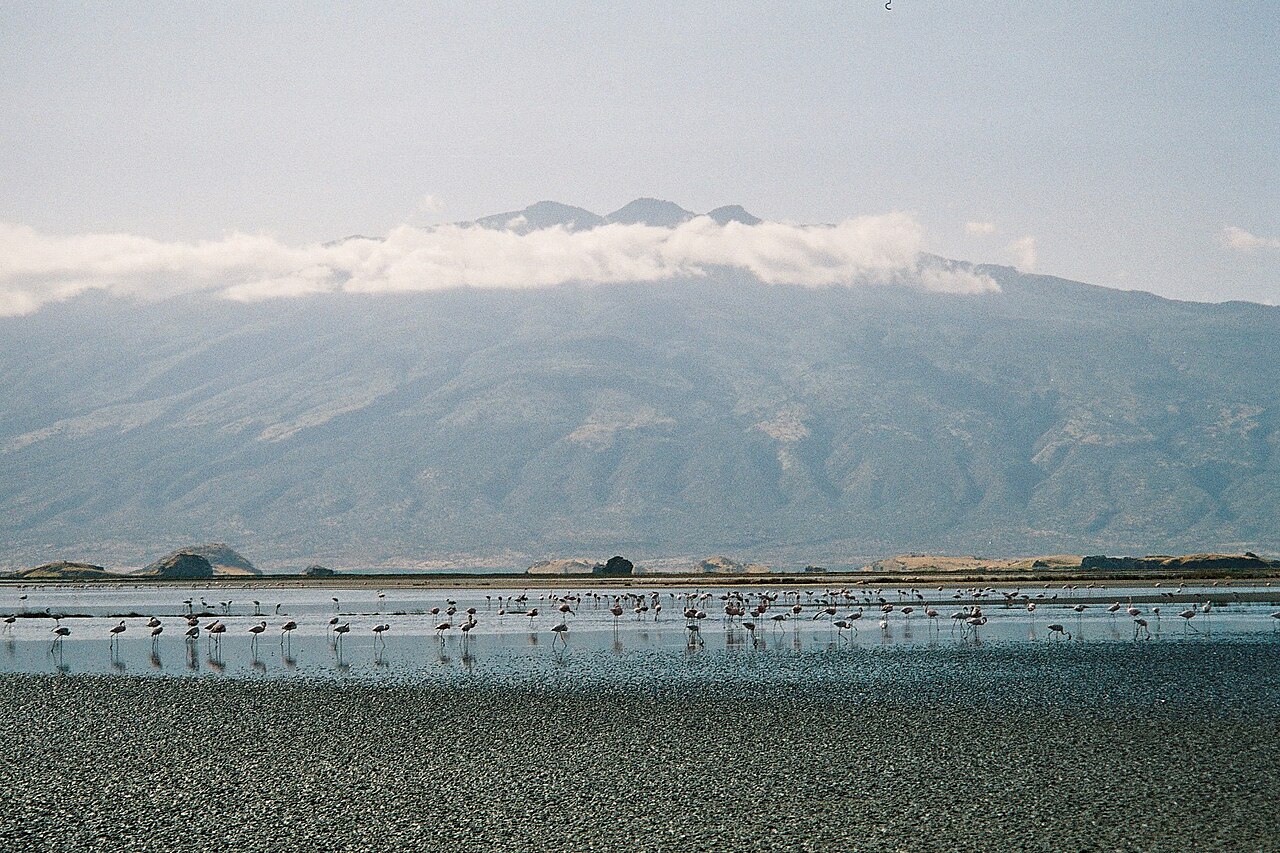
Mount Gelai stands out for its relative solitude compared to more frequented Tanzanian volcanoes, offering trekkers an intimate and unspoiled experience. The route provides unparalleled panoramic views of Lake Natron’s vast soda flats and the striking silhouette of Ol Doinyo Lengai, Africa’s only active natrocarbonatite volcano. The trek’s blend of highland rainforest, volcanic ash slopes, and rocky ridges creates a diverse hiking environment rarely found in the region.
Culturally, Gelai is situated near Maasai communities, allowing visitors to connect with local traditions and gain insight into the spiritual significance of the volcanic landscape. The combination of geological wonder, ecological diversity, and cultural richness makes the Gelai trek a distinctive adventure for volcano enthusiasts seeking both challenge and discovery.
The Summit and Crater Experience
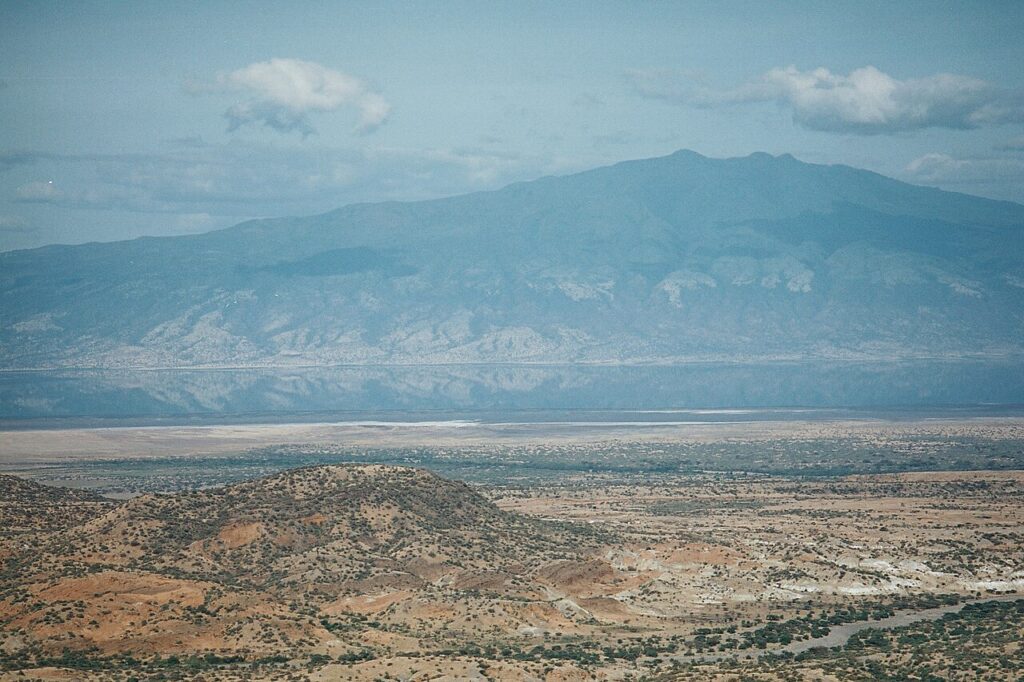
Reaching the summit of Mount Gelai is a moment of awe and reflection. From the peak, hikers are rewarded with sweeping 360-degree views encompassing the shimmering expanse of Lake Natron to the north and the dramatic cone of Ol Doinyo Lengai to the east. The crater itself, though dormant, reveals rugged volcanic formations and the scars of past eruptions.
The air at the summit is crisp and cool, often accompanied by brisk winds that heighten the sense of isolation and grandeur. The silence is profound, broken only by the occasional call of distant wildlife or the whisper of the wind across the volcanic rocks. This vantage point offers a rare opportunity to witness the raw power of the East African Rift’s volcanic forces and to appreciate the dynamic landscape shaped over millennia.
Best Time to Trek Mount Gelai
The optimal trekking season for Mount Gelai is during Tanzania’s dry months, from June to October. During this period, trails are more stable, and weather conditions are generally clear and favorable for hiking. The dry season reduces the risk of slippery volcanic ash slopes and enhances visibility for panoramic summit views.
Avoiding the rainy season, typically from March to May, is advisable as heavy rains can make the terrain treacherous and increase the difficulty of the ascent. Early morning starts are recommended to take advantage of cooler temperatures and to avoid afternoon heat. Trekking during the dry season also aligns with better wildlife viewing opportunities in the surrounding areas.
Trekking Routes and Trail Options
The primary route to Mount Gelai’s summit begins in Gelai village, a small community that serves as the gateway to this less-traveled volcano. This trail ascends through diverse ecosystems, starting with highland rainforest and progressing to open volcanic slopes. The route is moderately challenging, with an elevation gain of approximately 1,600 meters over several kilometers.
An adventurous alternative is the Gelai Volcano Route, which integrates a multi-day trek combining the ascent of Gelai Volcano with a descent into the saddle between Gelai and the neighboring Ol Doinyo Lengai volcano. This extended route offers a unique experience, allowing trekkers to summit two volcanoes and explore varied volcanic landscapes. The journey typically spans 5 to 7 days, including camping or lodge stays in Gelai village and surrounding areas.
Both routes require local guides for navigation and safety, as trail markings can be sparse and terrain variable. Guided tours often include cultural visits to Maasai villages, enhancing the trekking experience with local insights. Self-guided trekking is not recommended due to the remote nature of the area and the need for logistical support.
Tour operators such as Ncamo Safari Adventures specialize in organizing Gelai Volcano Route treks, providing comprehensive packages that cover permits, accommodations, and transport. This ensures a well-supported and immersive trekking adventure.
Difficulty Assessment
Mount Gelai’s trek is classified as a moderate volcano trek. The ascent involves steady elevation gain with some steep sections over loose volcanic ash and rocky terrain. While technical climbing skills are not required, hikers should be prepared for physically demanding conditions, including altitude effects and variable weather.
The trail’s remoteness and limited infrastructure add to the challenge, necessitating good fitness, proper gear, and reliance on experienced local guides. The moderate difficulty makes the trek accessible to hikers with prior trekking experience and a reasonable level of endurance, but beginners should prepare adequately before attempting the climb.
Essential Volcano Trekking Gear
For trekking Mount Gelai, essential gear includes sturdy hiking boots with good grip to handle loose volcanic ash and rocky paths. Trekking poles are highly recommended to aid balance and reduce strain on steep sections. Layered clothing is necessary to adapt to temperature changes, with a windproof jacket for summit winds and cooler nights.
Sun protection is crucial due to limited shade on the upper slopes; bring a wide-brimmed hat, sunglasses, and high-SPF sunscreen. A hydration system or water bottles are essential to stay well-hydrated during the climb. A headlamp is useful for early morning or late evening trekking. Additionally, a basic first aid kit, insect repellent, and a camera to capture the stunning landscapes are recommended.
Safety and Volcanic Hazards
While Mount Gelai is dormant, trekkers should remain vigilant to typical volcanic terrain hazards such as loose scree, unstable rocks, and steep ash slopes that can cause slips and falls. Weather conditions can change rapidly, with mist and rain increasing trail slipperiness.
Altitude sickness is a potential risk due to the elevation gain; proper acclimatization and pacing are important. There are no active fumaroles or volcanic gas emissions currently, but hikers should stay informed through local guides about any changes in volcanic activity.
Safety is enhanced by trekking with experienced local guides familiar with the terrain and emergency procedures. Carrying a communication device and informing others of trekking plans is advisable. Tour operators like Ncamo Safari Adventures provide trained guides and support to ensure a safe trekking experience.
Permits, Guides, and Logistics
Trekking Mount Gelai requires obtaining permits issued by local authorities, typically arranged through registered tour operators. Ncamo Safari Adventures is a prominent operator offering guided Gelai Volcano Route treks, handling all permit applications, park fees, and logistical arrangements. Permits ensure regulated access to protect the environment and support local communities.
Guides are mandatory for safety, navigation, and cultural interpretation. Local guides possess intimate knowledge of the terrain, weather patterns, and wildlife, enhancing the trekking experience. They also facilitate communication with Maasai communities and manage campsite logistics.
Logistically, the trek begins in Gelai village, accessible by road from Arusha, the regional hub. Transfers from Arusha to Gelai village are typically included in tour packages. Accommodation options in Gelai village range from simple lodges to campsites, with meals provided by operators.
Tour operators such as Altezza Travel and Blessing Safaris also offer combined packages including transport, guiding services, accommodation, and additional excursions like visits to Lake Natron or Maasai cultural tours. Costs vary depending on group size, duration, and service level but generally include permit fees, guide salaries, meals, and camping or lodge accommodation.
Booking through reputable operators ensures compliance with regulations, safety standards, and a seamless trekking experience. Independent trekking is discouraged due to the remote location and limited infrastructure.
Where to Stay Near Mount Gelai
Accommodation options near Mount Gelai are centered around Gelai village and the surrounding highlands. Gelai Mountain Camp is a notable lodge offering all-inclusive stays with meals, beverages, and guided game walks. Situated high in the highlands, it provides spectacular views of Lake Natron and Ol Doinyo Lengai, making it an ideal base for acclimatization and preparation.
The camp features comfortable lodging with amenities suited for trekkers seeking a blend of adventure and comfort. Its location above the clouds offers a serene environment with diverse bushland habitats, including highland rainforest and open grasslands.
Additional lodging options in the broader region include guesthouses and small lodges in nearby villages such as Meirugoi and Tingatinga. These accommodations provide basic facilities and a chance to experience local hospitality.
For travelers preferring urban comforts before or after the trek, Arusha city offers a wide range of hotels, hostels, and guesthouses. Popular choices include Wakawaka House, Outpost Lodge, and Kibo Palace, which provide amenities such as Wi-Fi, restaurants, and easy access to tour operators. Arusha serves as the main logistical hub with transport connections to Gelai village.
Booking accommodations through tour operators ensures coordinated transfers and support. Early reservations are recommended during peak trekking seasons to secure preferred lodging.