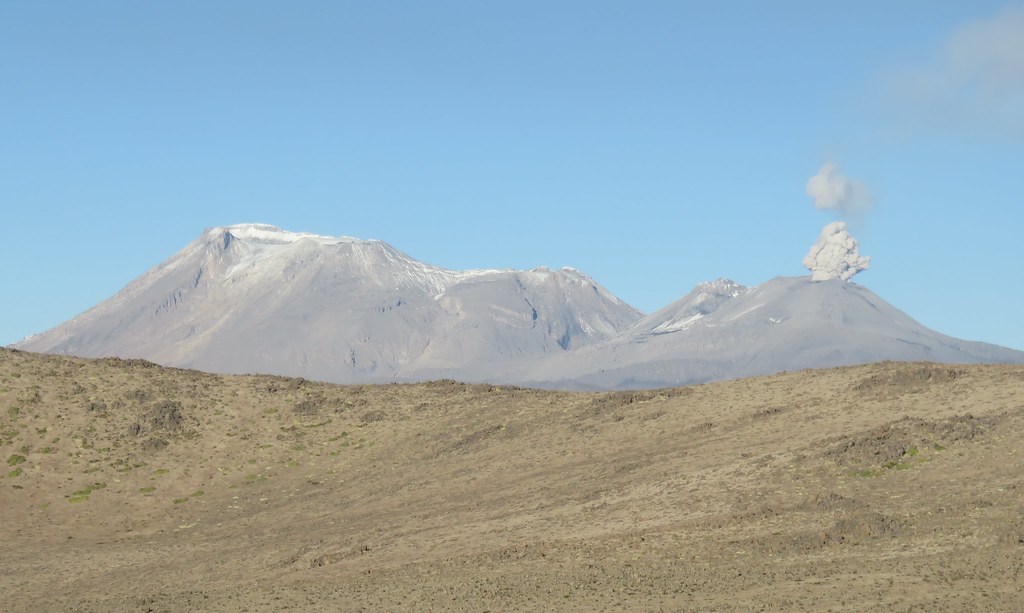

Trekking El Reventador Volcano: Ecuador’s Fiercely Active Stratovolcano Adventure
El Reventador is one of Ecuador’s most active stratovolcanoes, offering a demanding and thrilling trekking experience through dense Amazonian forests to a spectacular volcanic cone within a vast caldera. This guide covers geology, terrain, routes, safety, permits, and accommodations for adventurers seeking to explore this explosive giant.
Quick Volcano Snapshot
| Attribute | Value |
|---|---|
| Volcano type | Stratovolcano |
| Elevation | 3562 m (11,686 ft) |
| Location | Eastern Andes, Ecuador |
| Activity status | Active |
| Trekking difficulty | Demanding |
| Typical trek duration | 3+ days for summit expedition; day hikes possible |
| Altitude gain | Approx. 1300 m from caldera floor to summit |
| Terrain type | Dense rainforest, volcanic ash slopes, lava fields, rugged volcanic rock |
| Best season | Dry season (June to September) |
| Temperature range | 10°C to 20°C (50°F to 68°F) |
| Permit requirement | Required; guided tours recommended |
The Experience of Hiking El Reventador Volcano
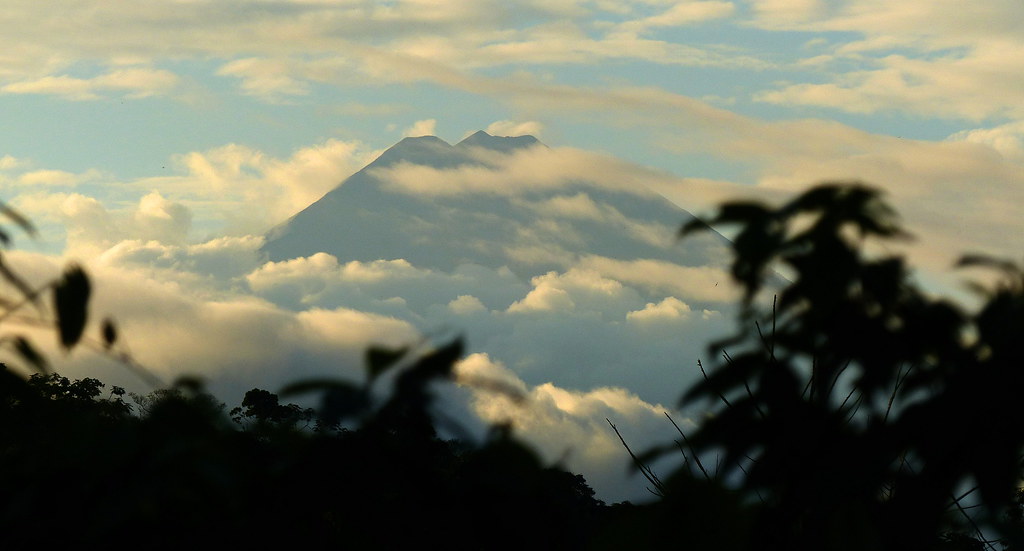
Approaching El Reventador is like stepping into a realm where raw geological forces shape the landscape. The trek begins through dense, humid Amazonian rainforest, alive with vibrant flora and fauna, contrasting starkly with the barren volcanic cone looming ahead. As you ascend, the forest gives way to rugged volcanic terrain marked by fresh lava flows and ash deposits. The air carries the faint scent of sulfur, and the distant rumble of the volcano’s persistent activity adds a thrilling soundtrack to the climb. Reaching the crater rim, hikers are rewarded with panoramic views of the vast caldera and the glowing incandescent lava flows that characterize this explosively active giant. The experience is a profound encounter with Earth’s fiery power, demanding both physical endurance and respect for nature’s unpredictability.
Geological Background of El Reventador
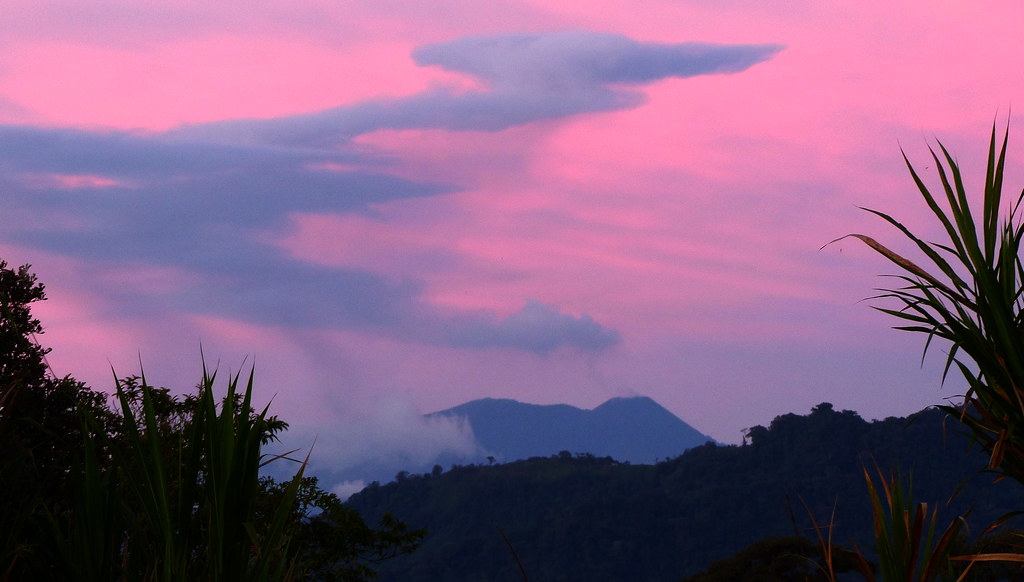
El Reventador is a stratovolcano located in the eastern Andes of Ecuador, rising to 3562 meters above sea level. It is part of a volcanic chain in the Cordillera Real, positioned east of the main volcanic axis. The volcano sits within a large 4-kilometer-wide caldera formed by a massive sector collapse approximately 30,000 years ago. Inside this caldera, a younger stratovolcano has grown about 1300 meters high, which is the current active cone. The volcano’s andesitic lava flows and explosive eruptions have been recorded since 1541, with over 25 eruptions documented. The 2002 eruption was particularly significant, producing a 17-kilometer-high ash plume and pyroclastic flows extending up to 8 kilometers. The volcano’s activity is characterized by frequent Vulcanian explosions, lava flows, and incandescent block avalanches. Its persistent activity and geological complexity make El Reventador a fascinating subject for volcanologists and adventurous trekkers alike.
The Volcano Trek: Terrain and Hiking Experience
Trekking El Reventador is a challenging adventure that demands physical fitness and careful preparation. The journey begins in the lush Amazonian rainforest, where dense vegetation and humid conditions prevail. Trails wind through thick jungle, often muddy and slippery, requiring sturdy boots and trekking poles for stability. As you gain elevation, the terrain transitions sharply to volcanic ash slopes and rugged lava fields. The volcanic ash is loose and powdery, making footing unstable and requiring deliberate, steady steps to avoid slipping. Lava rock formations present jagged, uneven surfaces that test balance and agility. The ascent involves navigating steep inclines, sometimes exceeding 30 degrees, with sections of loose scree and volcanic debris. Weather conditions can change rapidly, with sudden rain showers turning trails slick and increasing the risk of mudslides. Wind near the summit intensifies, and temperatures drop noticeably, demanding layered clothing. Altitude effects may be felt above 3000 meters, including shortness of breath and fatigue, so acclimatization is essential. The trail to the summit is typically completed over multiple days, with camping required inside or near the caldera. The volcanic activity adds an element of unpredictability; hikers must be alert to ash emissions, gas clouds, and occasional rockfalls. Despite these challenges, the trek rewards adventurers with dramatic landscapes, from dense jungle to barren volcanic desert, and the awe-inspiring spectacle of an active volcano’s crater glowing with molten lava. The combination of diverse terrain, ecological richness, and volcanic dynamism makes hiking El Reventador a unique and unforgettable experience.
What Makes This Volcano Trek Unique
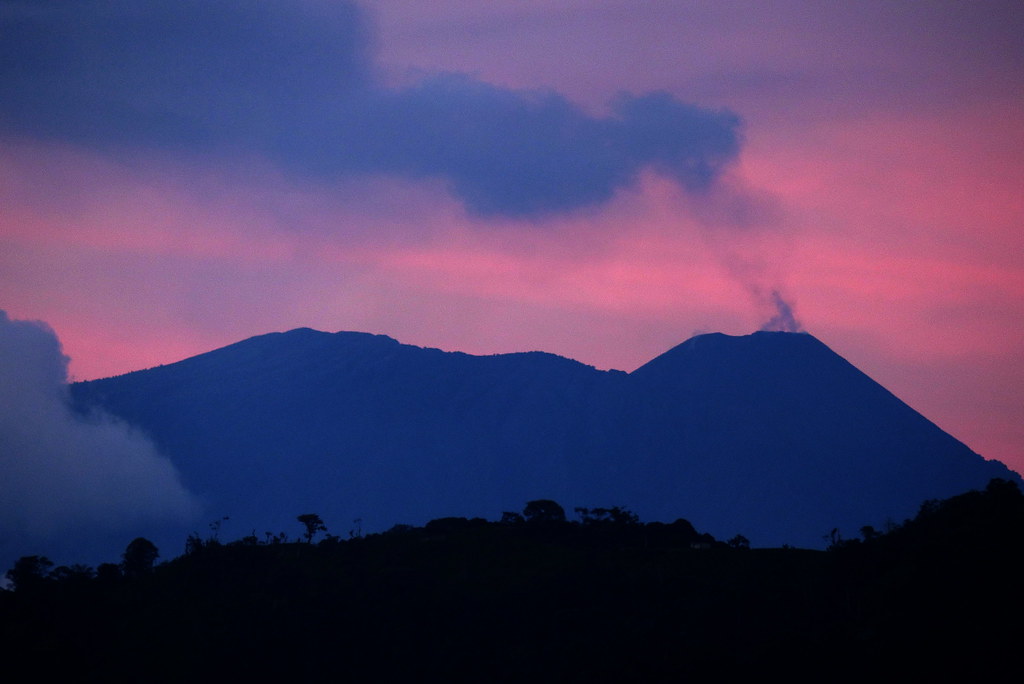
El Reventador stands out among Ecuador’s volcanoes due to its relentless activity and remote location. Unlike more accessible peaks, it offers a rare chance to witness near-continuous volcanic eruptions, including glowing lava flows and incandescent avalanches visible at night. The volcano’s position within a vast caldera adds geological intrigue, with the younger cone rising dramatically from the caldera floor. The surrounding landscape is a striking contrast between dense Amazonian rainforest and stark volcanic terrain, providing rich biodiversity alongside raw volcanic power. The frequent ash plumes and volcanic lightning during eruptions create spectacular natural displays. This trek is not only a physical challenge but also an immersive journey into one of the most dynamic volcanic environments in South America.
The Summit and Crater Experience
Reaching the summit of El Reventador is a moment of profound awe. The crater rim offers expansive views into the active heart of the volcano, where glowing lava flows and fumaroles emit sulfurous steam. The air is tinged with the sharp scent of sulfur, and the ground beneath your feet radiates residual heat. The constant rumble and occasional explosive bursts remind you of the volcano’s volatile nature. From this vantage point, the vast caldera stretches out below, framed by dense jungle beyond. The interplay of light and shadow from incandescent lava against the dark volcanic rock creates a surreal, almost otherworldly atmosphere. It is a sensory experience that combines sight, sound, and smell, leaving a lasting impression of nature’s raw power.
Best Time to Trek El Reventador
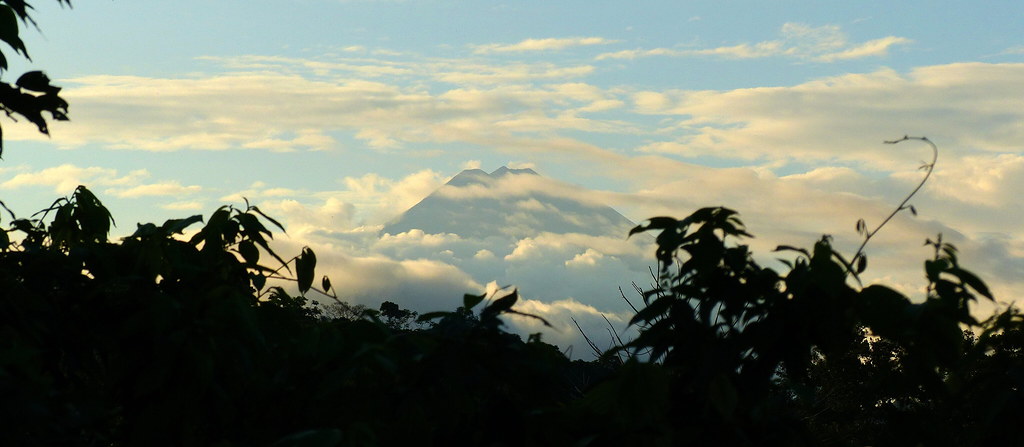
The optimal period for trekking El Reventador is during Ecuador’s dry season, from June to September. During these months, rainfall is reduced, making trails less slippery and river crossings safer. Clearer skies improve visibility of the volcanic activity and surrounding landscapes. However, even in the dry season, weather can be unpredictable with sudden showers and temperature fluctuations, especially at higher elevations. Trekking outside this window increases the risk of heavy rain, muddy trails, and reduced safety due to potential lahars and unstable terrain. Additionally, volcanic activity is monitored year-round, and access may be restricted during heightened eruptive phases. It is essential to check current volcanic alerts and coordinate with local guides to plan a safe and successful expedition.
Trekking Routes and Trail Options
The primary route to El Reventador’s summit begins at the park entrance near the town of El Reventador, accessible by road from Quito. The initial approach involves trekking through dense rainforest, following well-marked trails that gradually ascend towards the caldera rim. Day hikes to the lava flows on the volcano’s flanks can be completed in 4 to 5 hours, offering a taste of the volcanic landscape without the full summit challenge. For the summit ascent, a multi-day expedition of at least three days is recommended due to the demanding terrain and need for acclimatization. The route from the caldera floor to the summit involves steep climbs over loose volcanic ash and rugged lava rock. Camping is typically arranged inside or near the caldera to allow early summit attempts and to observe volcanic activity safely. Guided tours are strongly advised due to the volcano’s active status and remote location. Some operators offer extended expeditions that include night observations of eruptive activity and photography opportunities. Alternative routes are limited due to the dense forest and volcanic hazards, making the main trail the safest and most practical option for trekkers.
Difficulty Assessment
El Reventador is classified as a demanding volcano trek. The combination of dense jungle, steep volcanic slopes, loose ash, and rugged lava terrain requires good physical fitness, sure-footedness, and experience with challenging hikes. Altitude gain of approximately 1300 meters from the caldera floor to the summit adds to the physical strain, and altitude sickness is a potential risk. The trek is not technical mountaineering but involves strenuous hiking over unstable surfaces and exposure to volcanic hazards. Proper acclimatization, preparation, and a cautious approach are essential. This trek is best suited for experienced hikers comfortable with remote wilderness and active volcanic environments.
Essential Volcano Trekking Gear
Key gear for El Reventador includes sturdy hiking boots with excellent grip for slippery ash and rocky terrain, trekking poles to aid balance on loose slopes, and gaiters to protect against volcanic ash. Layered clothing is necessary to adapt to temperature changes, including a waterproof jacket for sudden rain. A gas mask or respirator is recommended to protect against volcanic gases and ash inhalation. Headlamps are essential for early morning or night trekking, especially during summit attempts or volcanic activity observations. Hydration systems and sun protection, including hats and sunscreen, are critical due to limited shade on volcanic slopes. Additionally, carrying a first aid kit, emergency shelter, and communication devices is advised given the remote and potentially hazardous environment.
Safety and Volcanic Hazards
Trekking El Reventador involves inherent risks due to its active volcanic status. Volcanic gases such as sulfur dioxide can cause respiratory irritation; wearing a gas mask is recommended during ash emissions. The crater edges can be unstable, with loose rocks and sudden collapses posing fall hazards. Pyroclastic flows, lava avalanches, and ashfall are unpredictable dangers requiring adherence to local volcanic activity updates and guidance from experienced guides. Sudden weather changes can lead to poor visibility and slippery trails, increasing accident risks. It is crucial to monitor alerts from Ecuador’s volcanic monitoring agencies and respect park regulations. Emergency evacuation plans and communication means should be established before the trek. Overall, safety depends on preparation, vigilance, and following expert advice.
Permits, Guides, and Logistics
Access to El Reventador Volcano requires permits issued by Ecuador’s environmental authorities, as it lies within a protected national park. Permits regulate visitor numbers to minimize environmental impact and ensure safety due to the volcano’s active status. It is mandatory to hire certified local guides who are knowledgeable about current volcanic conditions and terrain challenges. Several reputable tour operators specialize in El Reventador expeditions, including EcuaTouring, VolcanoDiscovery, and Mountain Gurus. These companies offer tailored packages ranging from day hikes to multi-day summit expeditions, providing logistical support such as transportation from Quito, accommodation arrangements, equipment rental, and safety briefings. Permit costs vary but typically include park entry fees and guide services, with total expedition prices ranging from approximately $500 to $1700 depending on duration and services. Due to the remote location, transportation involves a 3.5 to 4-hour drive on paved and unpaved roads from Quito to the park entrance. Accommodation options near the volcano include lodges such as Hosteria El Reventador, which offers comfortable rooms, meals, and proximity to trailheads. For summit attempts, camping inside the caldera is necessary, requiring carrying camping gear and provisions. Planning well in advance is essential, especially during the dry season when demand is highest. Coordination with tour operators ensures compliance with safety protocols and maximizes the chances of a successful and rewarding trek.
Where to Stay Near El Reventador Volcano
Accommodation options near El Reventador are limited due to its remote location but include several comfortable lodges and inns that cater to trekkers and nature enthusiasts. Hosteria El Reventador is a popular choice, located approximately 10 kilometers from the volcano, offering clean rooms with private bathrooms, hot water, satellite TV, and on-site restaurant services. The lodge provides a convenient base for day hikes and multi-day expeditions, with staff experienced in arranging guided tours and transportation. Another option is Hostería Libertad, situated along the Quito-Lago Agrio route, featuring shared and private rooms, Wi-Fi, parking, and traditional Ecuadorian cuisine. These accommodations provide essential amenities such as secure parking, dining facilities, and comfortable rest areas to recover after demanding treks. For summit expeditions, camping inside or near the caldera is necessary, requiring self-sufficiency or support from tour operators who supply tents and meals. Nearby towns like San Pablo and Cascales offer additional lodging and local hospitality but are farther from trailheads. Due to the volcano’s active nature and challenging access, staying at lodges close to the park entrance is recommended to optimize trekking schedules and safety. Early booking is advised, especially during the dry season, to secure accommodations and guide services.