

Trekking Sangay Volcano: Ecuador’s Most Active Stratovolcano Adventure
Sangay Volcano, located in Ecuador’s Eastern Andes, is one of the world’s most active stratovolcanoes. This demanding trek offers adventurers a raw encounter with volcanic power amid the rich biodiversity of Sangay National Park, a UNESCO World Heritage Site. Explore rugged terrain, volcanic ash slopes, and remote wilderness on a multi-day guided expedition with mule support, culminating in awe-inspiring views of the erupting crater.
Quick Volcano Snapshot
| Attribute | Value |
|---|---|
| Volcano type | Stratovolcano |
| Elevation | 5,230 m (17,159 ft) |
| Location | Eastern Andes, Ecuador |
| Activity status | Active |
| Trekking difficulty | Demanding |
| Typical trek duration | 6-7 days |
| Altitude gain | Approx. 1,500 m |
| Terrain type | Volcanic ash slopes, rocky scree, paramo grasslands, cloud forest |
| Best season | June to September (dry season) |
| Temperature range | 5°C to 18°C (41°F to 64°F) |
| Permit requirement | Park entry permit required ($10-$15 USD), guided tours recommended |
The Experience of Hiking Sangay Volcano
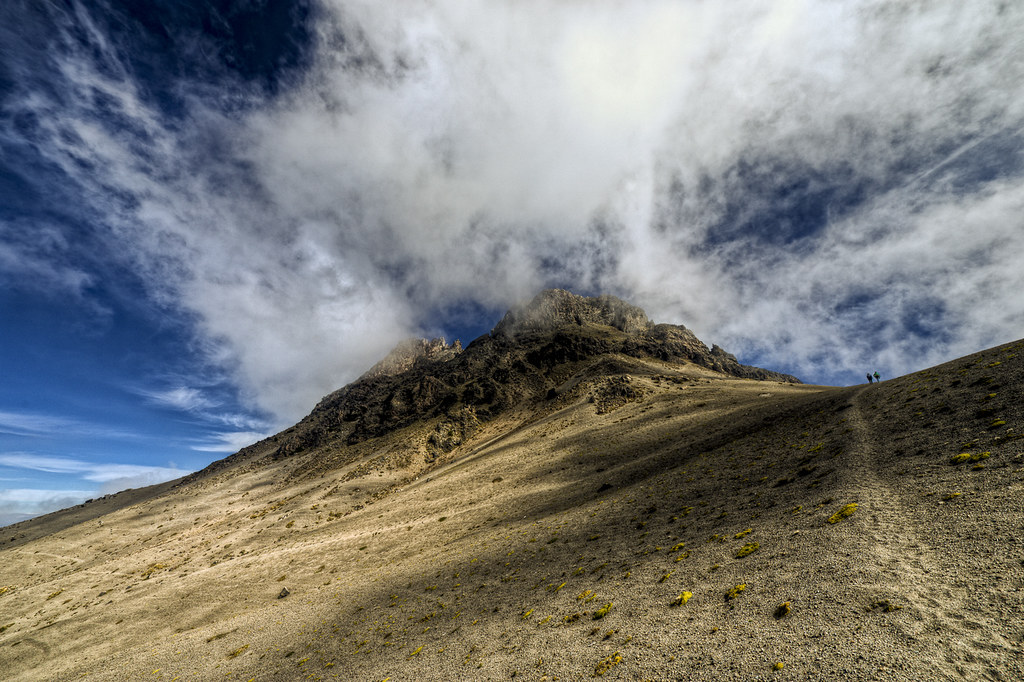
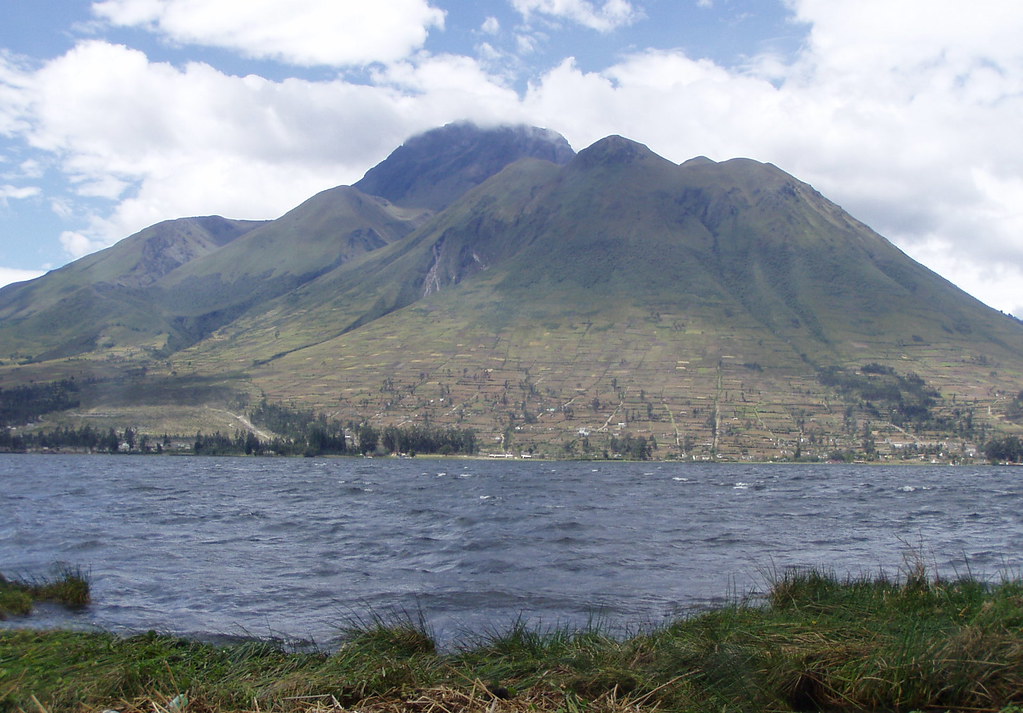
Approaching Sangay Volcano, the landscape shifts dramatically from lush Andean forests to stark volcanic ash and rock. The symmetrical cone rises sharply, a constant reminder of the earth’s restless power. Trekking here immerses you in a world where raw geological forces shape the terrain, and the air vibrates with the distant rumble of eruptions. The contrast between the barren volcanic slopes and the vibrant biodiversity of Sangay National Park creates a surreal atmosphere. Reaching the crater rim, hikers are rewarded with panoramic views of the active vent, where plumes of smoke and ash punctuate the sky, evoking a profound sense of awe and respect for nature’s might.

Geological Background of Sangay Volcano
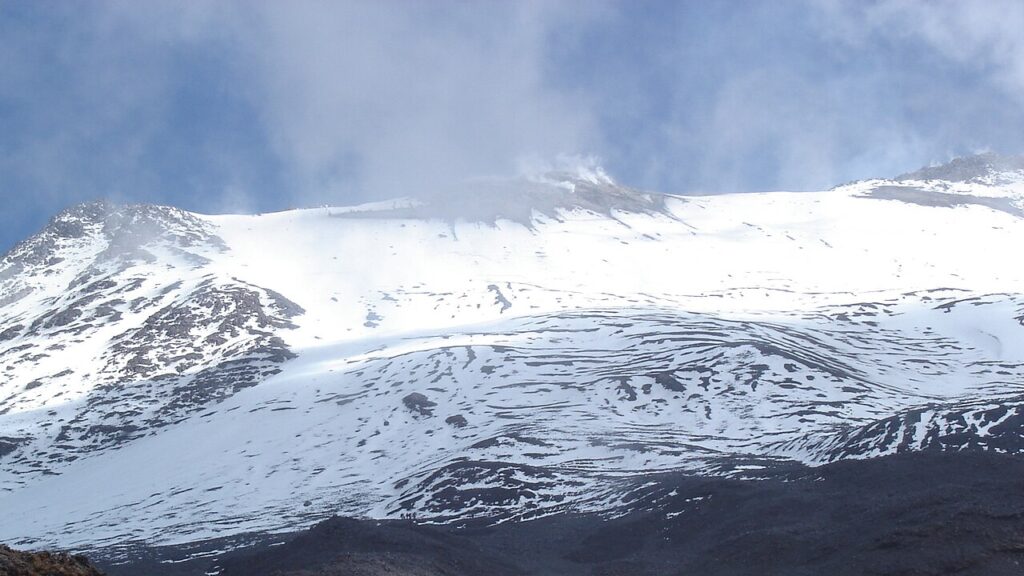
Sangay is a towering stratovolcano located in Ecuador’s Eastern Andes and is one of the most active volcanoes in the world, erupting almost continuously since 1934. It formed at the intersection of two tectonic plates, which fuels its persistent volcanic activity. The volcano’s perfect conical shape is a classic stratovolcano feature, built from layers of hardened lava, ash, and volcanic debris. Its summit rises to 5,230 meters, with a crater that frequently emits ash plumes and pyroclastic flows. The volcano lacks glaciers, but its slopes are covered with volcanic minerals and fumaroles that release sulfurous gases. Sangay’s eruptions have shaped the surrounding landscape, creating extensive lava fields and ash deposits that continue to evolve with each eruption cycle.
Terrain and Hiking Experience on Sangay Volcano
Trekking Sangay Volcano is a challenging adventure that demands physical endurance and mental resilience. The trail begins in the lush, biodiverse forests of Sangay National Park, gradually ascending through cloud forests and paramo grasslands. As you gain altitude, the terrain becomes increasingly volcanic, with steep ash slopes and loose pumice that require careful footing. The volcanic ash is fine and powdery, often making the ascent slippery and slow, while rocky scree fields demand steady balance and trekking poles for stability. The trail is rugged and remote, with mule support commonly used to carry equipment and supplies up to base camps such as Plazapamba and La Playa. Weather conditions can vary dramatically, with cold winds near the summit and sudden temperature drops after sunset. Altitude sickness is a risk above 4,000 meters, so acclimatization days are essential. The hike involves traversing ridges exposed to strong winds and occasional volcanic ash fall, requiring protective gear and vigilance. Despite the demanding conditions, the trek rewards hikers with spectacular views of the surrounding Andes, diverse ecosystems, and the active crater’s dynamic activity. The path is rarely crowded, offering a solitary wilderness experience. Camp sites are basic but strategically located to allow rest and acclimatization. The combination of steep volcanic slopes, unpredictable weather, and active volcanic hazards makes this trek suitable only for experienced hikers prepared for a demanding expedition.
What Makes the Sangay Volcano Trek Unique
Sangay Volcano stands out for its relentless volcanic activity, making it one of the few volcanoes worldwide with near-continuous eruptions. This dynamic activity creates an ever-changing landscape, where hikers witness the raw power of nature up close. The trek traverses diverse ecosystems within Sangay National Park, a UNESCO World Heritage Site, ranging from tropical rainforests to alpine paramos. The presence of rare wildlife such as the Andean condor and spectacled bear adds to the uniqueness. Unlike many volcano treks, Sangay does not require roping or technical climbing, but the rugged terrain and volcanic hazards demand respect and preparation. The mule-supported multi-day expedition through remote wilderness, combined with the opportunity to observe active volcanic phenomena safely from a distance, offers an unparalleled adventure for volcano enthusiasts.
Summit and Crater Experience on Sangay Volcano
Reaching the summit area of Sangay Volcano is a moment of intense emotion and awe. The crater rim offers a dramatic vantage point to observe the volcano’s persistent activity — plumes of ash and smoke rise continuously, accompanied by the occasional rumble of eruptions. The sulfurous scent of volcanic gases fills the air, and the heat from fumaroles can be felt through the rocky ground. The landscape around the crater is stark and raw, with fresh lava flows and ash deposits marking recent eruptions. From this vantage, panoramic views stretch across the Eastern Andes, revealing deep valleys, other volcanic peaks, and the vast expanse of Sangay National Park. The experience is both humbling and exhilarating, a direct encounter with the earth’s fiery heart.
Best Time to Trek Sangay Volcano
The optimal trekking season for Sangay Volcano is during Ecuador’s dry months, from June to September. During this period, trails are less muddy, and weather conditions are more stable, offering clearer views of the volcano and surrounding landscapes. The wet season, from October to May, brings heavy rains that can make trails slippery and increase the risk of landslides and mud. Volcanic activity is monitored continuously, and trekkers should stay updated on alert levels issued by the Instituto Geofísico-Escuela Politécnica Nacional (IG-EPN). Climbing during periods of heightened volcanic activity or ash emissions is not recommended for safety reasons. Early morning starts are advised to avoid afternoon weather changes and to experience the spectacular sunrise over the Andes.
Trekking Routes and Trail Options on Sangay Volcano
The most established trekking route to Sangay Volcano begins at the Guarguallá Chico community, located approximately two hours from Riobamba. From here, trekkers embark on a multi-day journey through Sangay National Park, passing through campsites at Rincón de Escaleras, Plazapamba, and Playas. The trail covers diverse terrain, including paramo grasslands, volcanic ash slopes, and rocky ridges. Mules and muleteers accompany the group to carry heavy equipment up to base camps, easing the physical burden on hikers. The ascent to the summit does not require technical climbing gear, but crampons and an ice axe are recommended in case of snow patches. Guided tours are highly recommended due to the remote location, challenging terrain, and active volcanic hazards. Alternative routes within the park focus on exploring the broader biodiversity and volcanic landscapes but do not typically lead to the summit. The trek is generally completed in 6 to 7 days, with daily hikes ranging from 6 to 7 hours. Self-guided trekking is possible but not advised without prior experience and local knowledge.
Difficulty Assessment of Sangay Volcano Trek
Sangay Volcano presents a demanding trekking challenge suitable for experienced hikers with high fitness levels. The terrain includes steep volcanic ash slopes, loose scree, and uneven rocky paths that require surefootedness and stamina. Altitude gain of approximately 1,500 meters and elevations above 5,000 meters expose trekkers to potential altitude sickness. The trek does not involve technical mountaineering or glacier travel, but the active volcanic environment adds complexity and risk. Weather conditions can be harsh, with cold temperatures, strong winds, and sudden changes. The remote location means limited rescue options, so self-sufficiency and preparation are critical. Overall, Sangay is classified as a demanding volcano ascent, best undertaken with a certified guide and proper acclimatization.
Essential Volcano Trekking Gear for Sangay
Key gear for trekking Sangay includes sturdy hiking boots with excellent grip for volcanic ash and rocky terrain, trekking poles to aid balance on loose slopes, and gaiters to protect against ash and mud. Layered clothing is essential to adapt to temperature fluctuations, including a windproof and waterproof jacket. A headlamp is recommended for early starts and camp use. Due to volcanic gases, a lightweight respirator or gas mask may be necessary during periods of ash emission. Hydration systems and high-energy snacks support endurance on long hiking days. Sun protection, including a wide-brimmed hat, sunglasses, and sunscreen, is critical as the high-altitude sun is intense. Additionally, crampons and an ice axe are advisable for potential snow patches near the summit. A first aid kit, map, and GPS device enhance safety in this remote environment.
Safety and Volcanic Hazards on Sangay Volcano
Sangay Volcano’s continuous activity poses specific risks to trekkers. Volcanic gases such as sulfur dioxide can cause respiratory irritation; hikers should monitor air quality and carry gas masks if advised. The unstable crater rim and loose volcanic rock increase the risk of falls and rockslides. Sudden eruptions or ash emissions can occur with little warning, so it is vital to follow updates from the Instituto Geofísico-Escuela Politécnica Nacional (IG-EPN) and adhere to park regulations. Weather changes can be abrupt, with cold temperatures and strong winds near the summit. Trekkers must be prepared for altitude sickness and have contingency plans for evacuation. Guides experienced in volcanic terrain and emergency protocols are strongly recommended. Safety briefings and proper equipment checks are essential before attempting the ascent.
Permits, Guides, and Logistics for Trekking Sangay Volcano
Access to Sangay Volcano requires entry into Sangay National Park, which mandates a permit costing between $10 and $15 USD for foreign visitors. Permits are obtained at the INEFAN office at the park’s main entrance in Alao village or at the Ministerio de Ambiente headquarters in Quito. Due to the volcano’s active status and challenging terrain, guided tours are strongly recommended for safety and navigation. Reputable local operators include Condor Trekk Expeditions, Julio Verne Travel, Marco Cruz Expeditions, Explore Share, and Go Andes Trek, all offering multi-day guided treks with mule support for equipment transport. Guided tours typically range from $50 to $150 USD per day, often including transportation, meals, and accommodation in camps or huts. Logistics involve traveling from Quito or Riobamba to trailheads, with bus fares between $10 and $30 USD or private transfers starting around $100 USD. Accommodation options near the park are limited, so most expeditions camp in designated areas. Visitors should plan well in advance, especially during peak trekking season, and prepare for variable weather and volcanic activity updates. Park regulations emphasize environmental protection and safety, requiring registration and adherence to guidelines during the trek.
Where to Stay and Nearby Bases for Sangay Volcano Trek
Accommodations near Sangay Volcano are primarily located in towns such as Riobamba and Baños, which serve as logistical hubs for expeditions. In Baños, the Sangay Spa Hotel offers modern comfort with amenities including spa services, an outdoor pool, fitness center, and multiple dining options. The hotel is situated close to natural attractions and provides a restful base before or after the trek. In Riobamba, travelers can find hostels and lodges catering to trekkers, with options ranging from budget to mid-range. The small community of Guarguallá Chico serves as the starting point for the main Sangay trek, where basic camping facilities and muleteer services are organized. Campsites along the route, such as Plazapamba and La Playa, provide rustic shelter and cooking areas but require self-sufficiency. Due to the park’s remote nature, advance booking of accommodations and guided tours is essential. Staying in nearby towns allows access to local markets, gear rental, and transportation services, facilitating a smooth trekking experience.