
Trekking Cerro Tromen: A Complete Guide to Patagonia’s Majestic Stratovolcano
Cerro Tromen is the second highest mountain in Argentine Patagonia, offering a moderate but rewarding volcano trek through diverse volcanic terrain and stunning panoramic views. This guide covers geology, trekking routes, safety, permits, accommodations, and local tour operators to help adventurers plan their ascent.
Quick Volcano Snapshot
| Attribute | Value |
|---|---|
| Volcano type | Stratovolcano |
| Elevation | 4114 m |
| Location | Neuquén Province, Patagonia, Argentina |
| Activity status | Dormant |
| Trekking difficulty | Moderate |
| Typical trek duration | 2-3 days |
| Altitude gain | Approx. 1200 m |
| Terrain type | Volcanic cone, lava flows, ash slopes, rocky terrain |
| Best season | Summer (December to March) |
| Temperature range | 0°C to 15°C (varies with altitude and season) |
| Permit requirement | Required – Provincial Park entry and guided permits recommended |
Introduction: The Experience of Hiking Cerro Tromen
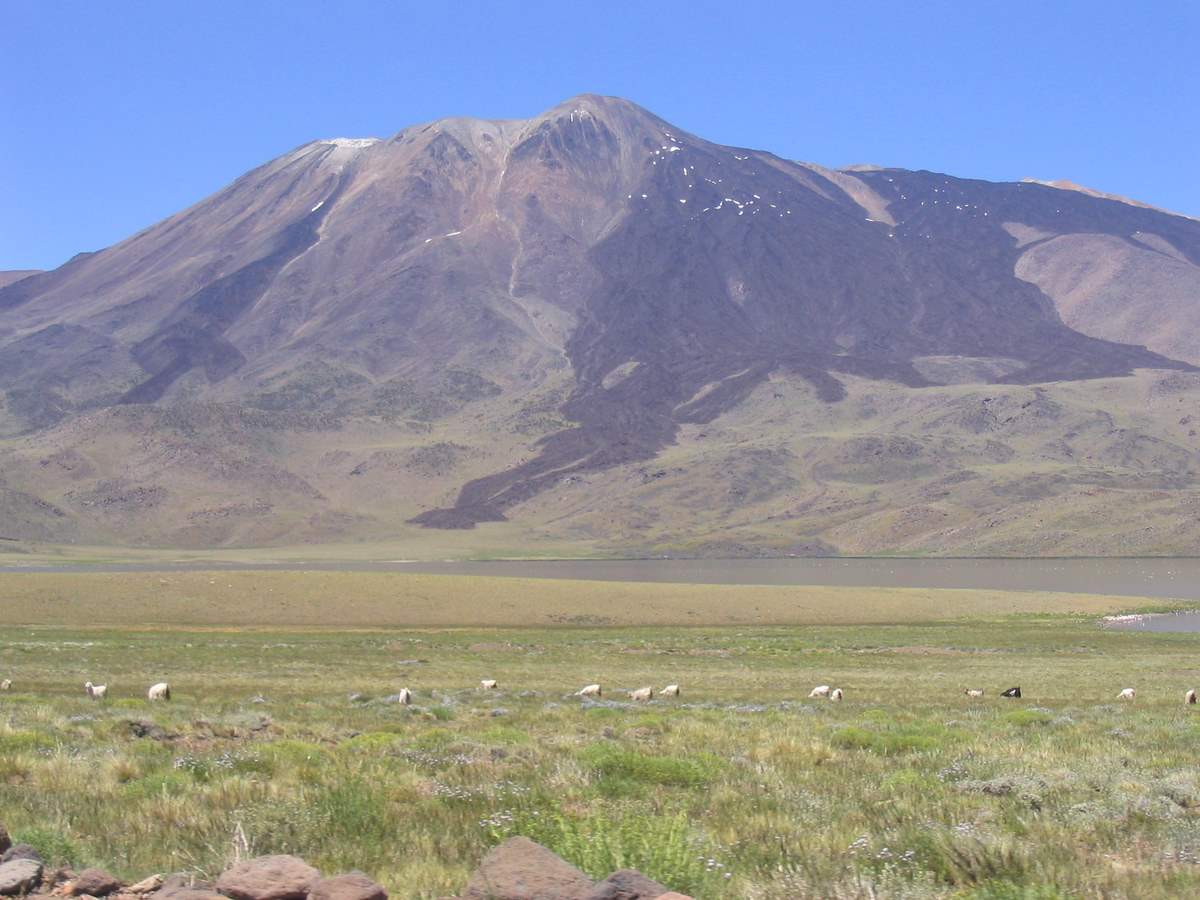
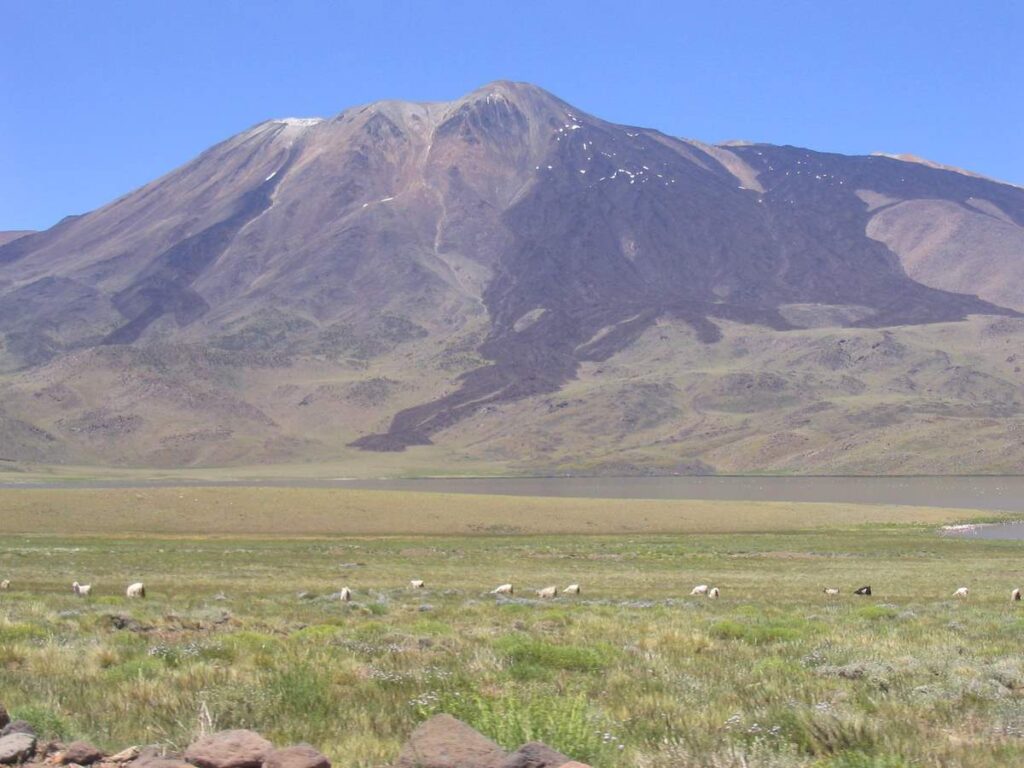
Approaching Cerro Tromen, the vast Patagonian steppe stretches endlessly, framed by the towering Andes. The volcano rises sharply, its volcanic cone sculpted by ancient lava flows and ash deposits. The trek immerses hikers in a raw geological landscape where the silence is punctuated only by the wind and distant bird calls. As you ascend, the barren volcanic terrain contrasts with the vibrant Laguna Tromen below, alive with native birdlife. Reaching the summit, the panorama unfolds in every direction — a breathtaking vista of rugged peaks, shimmering lakes, and the expansive steppe. The emotional impact of standing atop this dormant giant is profound, a moment to connect deeply with the Earth’s volcanic power and Patagonia’s wild beauty.
The Volcano Itself: Geological Background
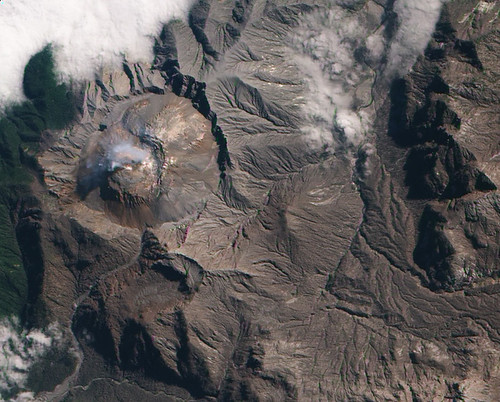
Cerro Tromen is a Holocene stratovolcano located in northeast Neuquén Province, Argentina. It is the second highest mountain in Patagonia after Volcán Domuyo. The volcano’s summit is marked by two overlapping calderas approximately 3.5 km in diameter. Nearby lies the older Volcán Negro del Tromen, with a 5 km wide caldera whose lava flows partially cover the northern rim of Tromen’s caldera. The volcano has produced both effusive lava domes and explosive ignimbrite deposits, with compositions ranging from mafic to silicic. Historical records suggest five eruptions in the early 19th century, although these are not confirmed by radiometric dating. The youngest lava flows, estimated to be about 1500 years old, remain well preserved, giving the volcano its distinctive rugged profile. The area also features fumaroles, steam vents, and sulfur deposits, highlighting its volcanic vitality despite dormancy.
The Volcano Trek: Terrain and Hiking Experience
The trek to Cerro Tromen offers a diverse and engaging hiking experience through volcanic landscapes shaped by recent geological activity. The trail begins near Laguna Tromen, a serene lake that provides a lush contrast to the volcanic terrain and is a hotspot for birdwatching, including species such as black-necked swans and flamingos. From the base, hikers encounter a mix of terrain types: gentle slopes covered with volcanic ash and pumice, rugged lava rock fields, and occasional patches of scree. The ascent involves steady elevation gain of approximately 1200 meters over two to three days, with the option to camp at a base camp near the volcano’s flanks. The southern route is longer and more gradual, while the northern route is steeper and more direct, offering different challenges and scenic perspectives. Weather in Patagonia is notoriously variable, with strong winds and sudden temperature drops common, requiring hikers to be well-prepared for changing conditions. The volcanic soil can be loose and slippery, especially on ash slopes, demanding careful footing and the use of trekking poles. Near the summit, the terrain becomes rockier with exposed ridges that provide spectacular views but require cautious navigation. Altitude effects are moderate but noticeable, and hikers should acclimatize accordingly. The trail is well-marked but remote, emphasizing the importance of guided tours or thorough preparation for self-guided trekkers. Overall, the hike combines physical challenge with rich natural and geological diversity, rewarding adventurers with unparalleled views and a deep connection to Patagonia’s volcanic heritage.
What Makes This Volcano Trek Unique
Cerro Tromen stands out for its combination of geological youth and Patagonian wilderness. Its volcanic cone is relatively young, with lava flows dating back only about 1500 years, creating a striking landscape of fresh volcanic rock and ash. The proximity to Laguna Tromen adds a unique ecological dimension, where trekkers can observe protected bird species in a pristine environment. Unlike many volcanoes, Tromen’s summit offers sweeping panoramic views not only of the Andes but also of the vast Patagonian steppe, a rare juxtaposition of mountain and plains. The volcano’s dormancy allows for safe exploration of its rugged lava flows and caldera structures without the immediate threat of eruption. The cultural significance of the surrounding El Tromen Provincial Park, combined with the remote and tranquil setting, makes this trek a distinctive adventure for those seeking both geological insight and wilderness solitude.
The Summit and Crater Experience
Reaching the summit of Cerro Tromen is a moment of awe and reflection. The crater rim reveals the layered history of volcanic activity, with visible lava domes and ash deposits telling the story of past eruptions. The air is crisp and thin, carrying the faint scent of mineral-rich earth. From the top, hikers are rewarded with a 360-degree panorama that stretches from the rugged Andes peaks to the rolling Patagonian steppe. The silence at the summit is profound, broken only by the wind sweeping across the volcanic cone. Though the volcano is dormant, the landscape’s raw volcanic features—jagged lava flows, caldera edges, and fumarolic remnants—evoke the immense power that shaped this land. The experience is both humbling and exhilarating, a rare chance to stand atop one of Patagonia’s most impressive geological monuments.
Best Time to Trek Cerro Tromen
The optimal trekking season for Cerro Tromen is during the Patagonian summer months, from December to March. During this period, weather conditions are generally milder, with warmer temperatures ranging from 0°C to 15°C and longer daylight hours. However, Patagonia’s weather remains unpredictable, with strong winds and sudden storms possible even in summer. Trekking outside this window risks encountering snow, colder temperatures, and more challenging trail conditions. It is advisable to plan ascents early in the day to avoid afternoon winds and to monitor local weather forecasts closely. The provincial park may impose seasonal restrictions or require permits during certain periods to protect the environment and ensure safety. Sunrise climbs are popular for their spectacular light on the volcanic landscape but require headlamps and preparation for cold pre-dawn temperatures.
Trekking Routes and Trail Options
There are two primary routes to ascend Cerro Tromen, each offering distinct experiences. The southern route is longer and more gradual, typically completed over two to three days. It starts near the Laguna Tromen area, passing through the provincial park’s protected zones. This route allows hikers to acclimatize gradually and enjoy birdwatching opportunities around the lagoon. The trail leads to a base camp approximately four hours from the trailhead, where trekkers can rest before the summit push. The summit ascent from the base camp takes about five hours, involving steady climbing over volcanic ash and rocky terrain. The northern route is steeper and more direct, favored by experienced hikers seeking a faster ascent. It involves more challenging terrain with sharper elevation gain and requires good physical fitness and surefootedness. Both routes are best undertaken with a local guide familiar with the volcanic terrain and weather patterns. Guided tours often include transport from nearby towns, equipment support, and safety briefings. Self-guided trekkers should prepare with detailed maps and GPS tracks, such as those available on Wikiloc and Andeshandbook. Trail conditions can vary seasonally, with loose scree and ash slopes requiring caution. The park’s regulations mandate permits and adherence to conservation rules, ensuring the preservation of this unique volcanic environment.
Difficulty Assessment
Cerro Tromen is classified as a moderate volcano trek. The terrain includes volcanic ash slopes, loose pumice, and rocky lava fields that require good balance and endurance. The altitude of 4114 meters introduces mild altitude effects, so acclimatization is recommended. The trek does not require technical climbing skills or specialized mountaineering equipment, but physical fitness and experience with mountain hiking are important. Weather variability and strong Patagonian winds can increase the challenge. The ascent involves sustained elevation gain over uneven terrain, making trekking poles and sturdy boots essential. Overall, it is suitable for hikers with moderate experience seeking a rewarding volcano summit without technical difficulties.
Essential Volcano Trekking Gear
Key gear for trekking Cerro Tromen includes sturdy hiking boots with good grip for volcanic rock and ash, trekking poles to aid balance on loose terrain, and layered clothing to adapt to variable Patagonian weather. A windproof and waterproof jacket is essential due to frequent strong winds and sudden rain. Sun protection such as a wide-brimmed hat, sunglasses, and high-SPF sunscreen is critical because of the high altitude and lack of shade. A headlamp is recommended for early morning starts or summit climbs at dawn. Hydration systems and high-energy snacks are necessary for sustained energy. While the volcano is dormant, carrying a basic first aid kit and a map or GPS device is advised. For those sensitive to dust, a lightweight face mask can help with volcanic ash. Camping gear is required if staying overnight at base camp, including a warm sleeping bag and tent suitable for mountain conditions.
Safety and Volcanic Hazards
Though Cerro Tromen is classified as dormant, safety precautions remain paramount. The volcanic terrain includes unstable ash slopes and loose scree that can cause slips and falls. Crater edges may be fragile and require caution to avoid collapse. Sudden weather changes, including strong winds and cold temperatures, pose risks of hypothermia and exposure. While there is no current volcanic activity, hikers should stay informed through local monitoring agencies such as the Observatorio Argentino de Vigilancia Volcánica. Guides are trained to respond to emergencies and provide safety briefings. Carrying communication devices like radios or mobile phones with coverage in the area is recommended. Avoid hiking alone and always inform local authorities or park rangers of your plans. Awareness of wildlife and respect for protected areas further ensures a safe and responsible trekking experience.
Permits, Guides, and Logistics
Trekking Cerro Tromen requires obtaining permits from El Tromen Provincial Park authorities to protect the fragile volcanic environment and ensure visitor safety. Entry permits are mandatory and can be arranged through local park offices or with tour operators. Guided expeditions are highly recommended due to the remote location, variable weather, and complex terrain. Notable operators include Andes Expediciones, Guías del Volcán, Al Monte! Actividades de Montaña, and Turismo Rumbo Norte, all offering multi-day guided treks with full logistical support. These services typically include transportation from Chos Malal, equipment preparation, base camp setup, meals, and safety gear such as helmets and radios. Permit costs vary but generally include park entry fees and guide charges, with packages ranging from moderate to premium depending on services. Self-guided trekking is possible but requires thorough preparation, GPS navigation skills, and prior experience in mountain environments. The nearest town, Chos Malal, serves as the main logistical hub, providing access to supplies and transport. Visitors should plan for variable weather and carry appropriate gear. Booking in advance is advised, especially during the peak summer season, to secure permits and guide availability.
Where to Stay Near Cerro Tromen
Accommodation options near Cerro Tromen are limited but comfortable, focusing on mountain refuges and lodges that cater to trekkers and nature enthusiasts. The primary base for expeditions is the Refugio del Cerro Wayle, located near Laguna Tromen. This refuge is staffed by park rangers Coco and Rodi and offers basic amenities including hot showers, heating, kitchen facilities, and communal sleeping areas with mattresses on the floor. It provides a welcoming mountain atmosphere with stunning views of the lagoon and volcano, ideal for acclimatization and rest before summit attempts. In the nearby town of Chos Malal, approximately 48 km from the refuge, visitors can find small hotels and guesthouses offering more conventional lodging and dining options. For those seeking a more upscale stay, San Martín de los Andes, about 150 km away, features accommodations such as Cabañas Tromen—a cozy chalet with amenities like WiFi, private bathrooms, fully equipped kitchens, terraces, and gardens. This location is well suited for travelers combining volcano trekking with exploration of the wider Patagonian region. When planning overnight stays, it is important to book in advance during the high season. The combination of rustic refuges near the volcano and comfortable lodgings in nearby towns provides a range of options to suit different preferences and budgets.