
Trekking Peteroa Volcano: A Demanding Adventure on Argentina’s Active Complex Volcano
Explore the challenging trek to Peteroa Volcano, an active complex volcano in Mendoza Province, Argentina. Discover its unique fumarolic activity, crater lake, and demanding terrain. This guide covers geology, routes, safety, permits, accommodations, and expert tips for adventurers seeking a thrilling volcanic experience.
Quick Volcano Snapshot
| Attribute | Value |
|---|---|
| Volcano type | Complex volcano |
| Elevation | 3,496 m |
| Location | Mendoza Province, Argentina |
| Activity status | Active |
| Trekking difficulty | Demanding |
| Typical trek duration | 6 hours |
| Altitude gain | 1,128 m |
| Terrain type | Volcanic ash slopes, lava rock, sulfuric acid crater lake |
| Best season | January to April |
| Temperature range | 5°C to 20°C |
| Permit requirement | Required; permits and guided tours recommended |
The Experience of Hiking Peteroa Volcano
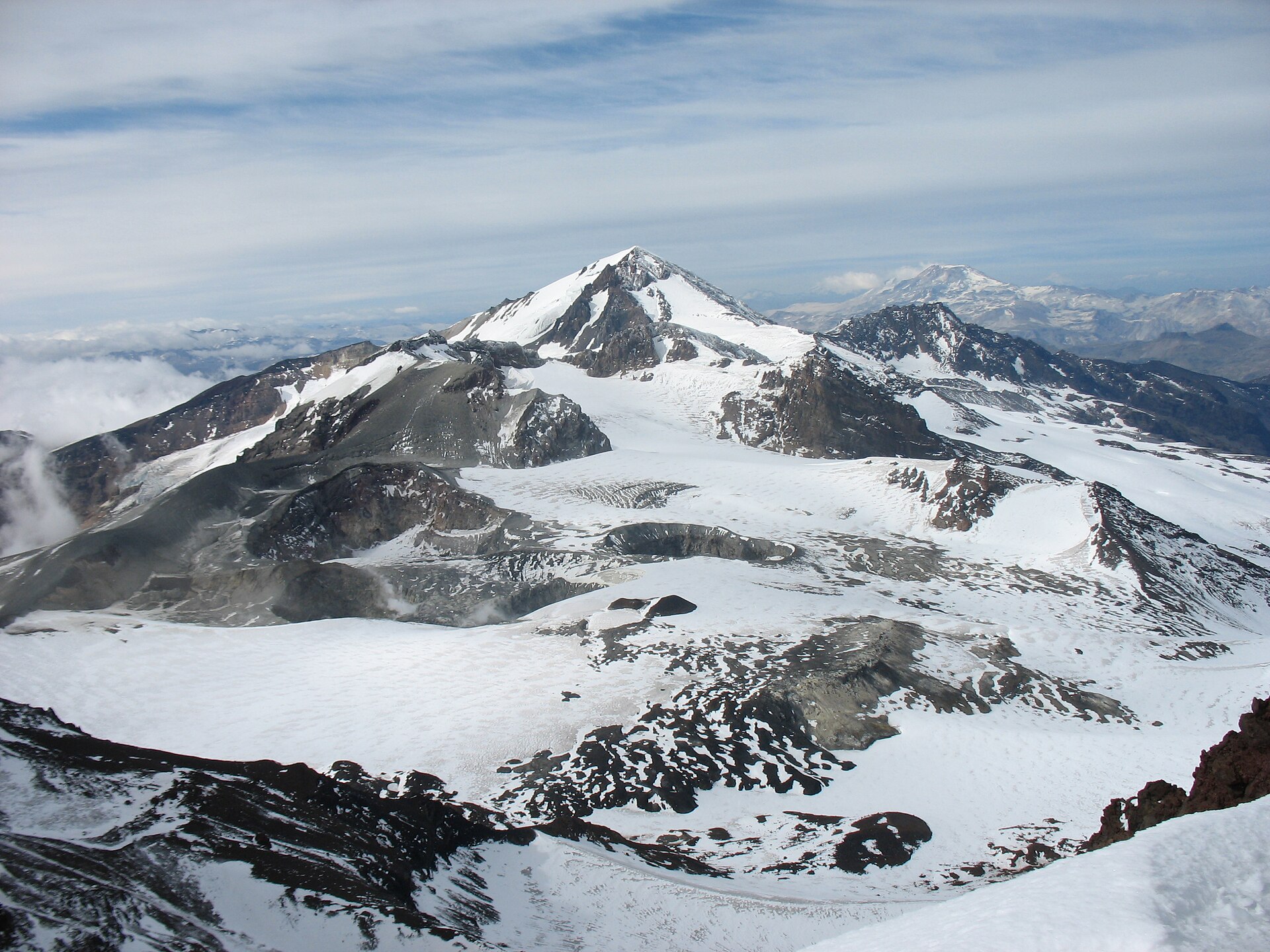
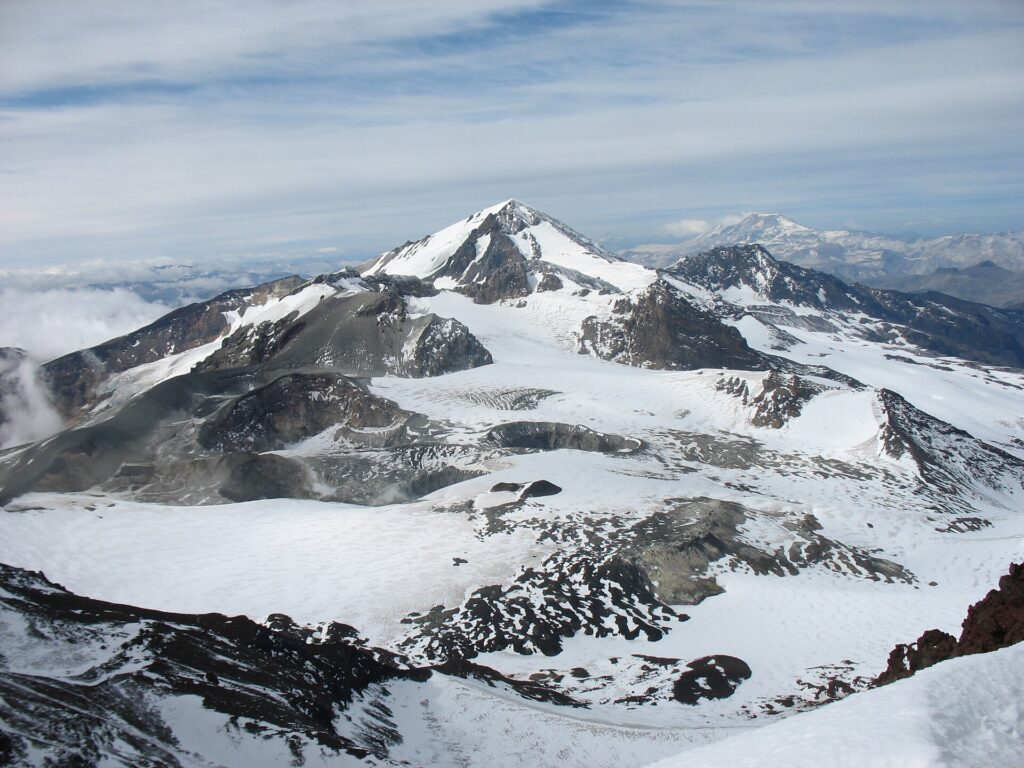
Approaching Peteroa Volcano, hikers are greeted by a dramatic volcanic landscape marked by steaming fumaroles and a striking crater lake. The terrain shifts from rugged volcanic rock to ash-covered slopes, evoking a raw sense of Earth’s power. The ascent challenges trekkers with demanding elevation gain and sulfurous steam vents, contrasting with the serene mountain panoramas surrounding the volcano. Reaching the crater rim offers an emotional climax, where the active volcanic forces are palpable, and the panoramic views of the Andes inspire awe and respect for this dynamic natural giant.
Geological Background of Peteroa Volcano
Peteroa Volcano is part of the Planchón-Peteroa complex, a series of overlapping calderas along the Argentina-Chile border. This complex volcano formed less than 550,000 years ago through multiple eruptive phases involving three main volcanic centers: Azufre, Planchón, and Peteroa itself. Peteroa is the youngest and most active of the group, characterized by mixed andesitic and dacitic magmas. Its geological history includes explosive eruptions and lava flows, with a notable partial collapse about 11,500 years ago that produced a massive debris avalanche. The volcano features a small crater lake and persistent fumarolic activity, with sulfur deposits and steaming vents marking its active state. These geological features create a unique and dynamic landscape that continues to evolve with ongoing volcanic activity.
Terrain and Hiking Experience on Peteroa Volcano
The trek to Peteroa Volcano is a demanding adventure that tests both physical endurance and technical hiking skills. The trail begins at approximately 2,446 meters elevation near Los Queñes, progressing through varied volcanic terrain. Early sections feature rugged paths with loose volcanic rocks and patches of dense vegetation, gradually transitioning to steeper ash slopes as the altitude increases. Trekkers encounter sharp elevation gains of over 1,100 meters, requiring strong cardiovascular fitness and steady pacing. The volcanic ash and pumice can be loose and slippery, demanding careful foot placement and often the use of trekking poles for balance. Approaching 3,000 meters, hikers begin to notice the distinctive sulfurous smell and visible steam vents, signaling proximity to the active crater. The terrain becomes more exposed and winds intensify near the summit, with temperatures dropping and weather conditions shifting rapidly. The final ascent involves navigating rocky ridges and volcanic scree, culminating at the caldera rim around 3,496 meters. Here, the ground is unstable in places due to fumarolic activity, and caution is essential. The crater floor includes two large craters, one filled with a sulfuric acid lake, surrounded by steaming vents and boiling earth. The hike down takes approximately 2.5 hours, often involving controlled descents on loose scree slopes. Overall, the terrain demands respect for volcanic hazards and preparedness for variable mountain conditions, making this trek suitable for experienced hikers seeking a challenging and rewarding volcanic experience.
What Makes the Peteroa Volcano Trek Unique
Peteroa Volcano stands out for its active fumarolic fields and the presence of a sulfuric acid crater lake within its caldera. Unlike many dormant volcanoes, Peteroa offers trekkers the rare opportunity to witness ongoing volcanic activity up close, including steaming vents and boiling earth. The complex volcanic landscape features multiple overlapping calderas, creating a dramatic terrain that combines rugged volcanic rock with vibrant sulfur deposits. The panoramic views from the summit reveal a mountain panorama reminiscent of the Himalayas, with nearby glaciers on Cerro Azufre adding to the spectacle. The trek’s location on the Argentina-Chile border adds a cross-cultural dimension, with access routes from both countries. This combination of active geology, challenging terrain, and breathtaking vistas makes the Peteroa trek a distinctive adventure for volcano enthusiasts and experienced hikers alike.
Summit and Crater Experience at Peteroa Volcano
Reaching the summit of Peteroa Volcano is a moment of profound connection with the Earth’s fiery heart. The crater rim, situated at nearly 3,500 meters, offers expansive views of the Andes and the surrounding volcanic complex. At the edge, hikers encounter intense fumarolic activity, with steam and volcanic gases escaping from fissures in the ground. The air carries a strong sulfur scent, and the heat radiating from the vents is tangible, creating a sensory experience that is both thrilling and humbling. The crater lake’s acidic waters shimmer with a surreal yellow-green hue, contrasting starkly with the dark volcanic rock. The soundscape includes the subtle hiss of escaping gases and the occasional rumble from deeper volcanic processes. This dynamic environment underscores the volcano’s active nature and leaves a lasting impression of the planet’s raw geological forces.
Best Time to Trek Peteroa Volcano
The optimal trekking season for Peteroa Volcano spans from January to April, coinciding with the Southern Hemisphere’s summer and early autumn. During these months, weather conditions are generally more stable, with milder temperatures ranging from 5°C to 20°C and reduced precipitation. Trekking outside this window increases the risk of encountering snow, heavy rains, and volatile weather patterns that can complicate the ascent. Volcanic activity is monitored continuously, and climbers should stay informed of any alerts or restrictions issued by local authorities. Early morning starts are recommended to avoid afternoon winds and to maximize daylight hours. Seasonal hazards include sudden temperature drops near the summit and the presence of volcanic gases, which can fluctuate with activity levels. Planning your trek within the recommended season enhances safety and the overall hiking experience.
Trekking Routes and Trail Options on Peteroa Volcano
The primary route to Peteroa Volcano begins from Los Queñes in Argentina, accessible via the Vergara International Pass from Chile. This trail covers approximately 15.9 kilometers round-trip, with an elevation gain of about 1,128 meters, typically completed in six hours. The path is well-marked and follows a gradual ascent through volcanic terrain, passing glaciers visible on nearby Cerro Azufre. Trekkers first navigate through mixed volcanic rock and ash slopes before reaching the caldera rim. From there, the trail descends into the crater floor, where hikers can observe the sulfuric acid lake and fumarolic activity. Alternative routes exist on the Chilean side, but access is more challenging and less frequented. Guided tours, such as those offered by Costa y Cumbre Tours and Trekking Chile – Tourismo El Chaminate, provide logistical support, safety guidance, and local knowledge, enhancing the trekking experience. Self-guided options require careful preparation and awareness of volcanic hazards. Overall, the route combines moderate technical difficulty with demanding physical exertion, rewarding trekkers with unique geological sights.
Difficulty Assessment of the Peteroa Volcano Trek
Peteroa Volcano presents a demanding volcano trek that requires a high level of fitness and experience with mountainous terrain. The ascent involves steep volcanic ash slopes, loose scree, and rocky ridges, which challenge balance and endurance. Altitude plays a significant role, with the summit reaching nearly 3,500 meters, where thinner air can affect breathing and stamina. The terrain is uneven and can be slippery, especially near fumarolic areas where steam vents create unstable ground. Technical climbing skills are not mandatory, but hikers should be comfortable with moderate scrambling and navigating exposed sections. Weather conditions can change rapidly, adding to the challenge. This trek is best suited for experienced hikers familiar with high-altitude and volcanic environments, classified as a demanding volcano ascent rather than a beginner or moderate trek.
Essential Gear for Trekking Peteroa Volcano
Proper gear is crucial for a safe and comfortable trek on Peteroa Volcano. Recommended equipment includes sturdy hiking boots with excellent grip to handle loose volcanic ash and rocky terrain. Trekking poles are highly advised to aid balance and reduce strain on knees during steep ascents and descents. Due to fumarolic gases, carrying a lightweight gas mask or respirator can protect against sulfur dioxide exposure. Layered clothing is essential to adapt to temperature fluctuations, including a windproof and waterproof jacket. A headlamp is useful for early starts or late finishes. Hydration systems are necessary to maintain fluid intake at altitude, and sun protection such as high-SPF sunscreen, sunglasses, and a wide-brimmed hat is vital given the lack of shade. Additionally, a first aid kit, map, GPS device, and emergency communication tools enhance safety in this remote volcanic environment.
Safety and Volcanic Hazards on Peteroa Volcano
Trekking Peteroa Volcano involves inherent risks associated with active volcanic environments. Volcanic gases, primarily sulfur dioxide, can cause respiratory irritation and require monitoring; hikers should be prepared to use protective masks if necessary. The crater edges and fumarolic areas are unstable, with hot steam vents posing burn hazards. Loose volcanic ash and scree increase the risk of slips and falls, especially on steep slopes. Sudden eruptions, although rare, remain a possibility, underscoring the importance of checking current volcanic activity reports from monitoring agencies such as SERNAGEOMIN and local civil defense authorities. Weather can change rapidly, bringing strong winds and temperature drops. It is essential to follow official safety guidelines, stay on marked trails, and consider hiring experienced guides familiar with the volcano’s conditions to mitigate risks.
Permits, Guides, and Logistics for Trekking Peteroa Volcano
Trekking Peteroa Volcano requires obtaining permits from Argentine authorities, as the area is monitored due to its active volcanic status. Permits regulate access to ensure safety and environmental protection. It is strongly recommended to arrange guided tours through reputable operators such as Costa y Cumbre Tours based in Talca, Chile, and Trekking Chile – Tourismo El Chaminate, which offer comprehensive packages including permits, transport, and expert guidance. These operators provide essential safety briefings, equipment rental options, and logistical support for border crossings via the Vergara International Pass. The permit process involves submitting identification and paying fees, which vary depending on the tour package and duration. Access roads from Los Queñes to the trailhead are rough and may require 4WD vehicles. Food and supplies can be purchased in Los Queñes, the last accommodation point before the ascent. Visitors should note that bringing food back across the border is prohibited. Due to the volcano’s active nature, authorities may impose temporary closures or restrictions; staying informed through local civil defense and volcanic monitoring agencies is crucial. Planning well in advance and using guided services enhances safety and ensures compliance with regulations.
Where to Stay Near Peteroa Volcano
The primary base for trekking Peteroa Volcano is the small town of Los Queñes in Mendoza Province, Argentina. Los Queñes offers limited but comfortable accommodation options, including hosterías and guesthouses such as Hostería Los Queñes, which provides basic amenities, meals, and a friendly atmosphere ideal for acclimatization before the trek. The town serves as the last supply point for food and gear. For travelers approaching from Chile, the nearby town of Curicó offers more extensive lodging and services, with easy access to the Vergara International Pass leading to the Argentine side. Accommodations in Curicó range from budget hostels to mid-range hotels, providing a convenient staging area. Due to the remote location and rough access roads, staying close to the trailhead in Los Queñes is advisable for early starts. While luxury lodges are not available near Peteroa, the surrounding Mendoza region offers a variety of lodging experiences, including vineyard guesthouses and mountain lodges, for those extending their trip. Booking accommodations in advance is recommended, especially during the peak trekking season from January to April.