
Hiking The Volcano at Neys Provincial Park: Exploring Ontario’s Ancient Volcanic Landscape
Discover the unique hiking experience of The Volcano at Neys Provincial Park, Ontario. Explore ancient volcanic geology, glacial features, and rugged Lake Superior coastlines on the Under the Volcano Trail. This guide covers geology, terrain, routes, safety, permits, and accommodation for an unforgettable volcano trek.
Quick Volcano Snapshot
| Attribute | Value |
|---|---|
| Volcano type | Extinct volcanic feature |
| Elevation | Not applicable (extinct, eroded feature) |
| Location | Neys Provincial Park, Ontario, Canada |
| Activity status | Extinct |
| Trekking difficulty | Easy |
| Typical trek duration | Approximately 2 hours for Under the Volcano Trail |
| Altitude gain | Minimal |
| Terrain type | Rocky coastline, cooled magma rocks, glacially polished bedrock |
| Best season | Late June to mid-September |
| Temperature range | Mild summer temperatures; cooler spring and fall with possible fog |
| Permit requirement | Park entry permit required; reservations recommended for camping |
The Experience of Hiking The Volcano at Neys Provincial Park
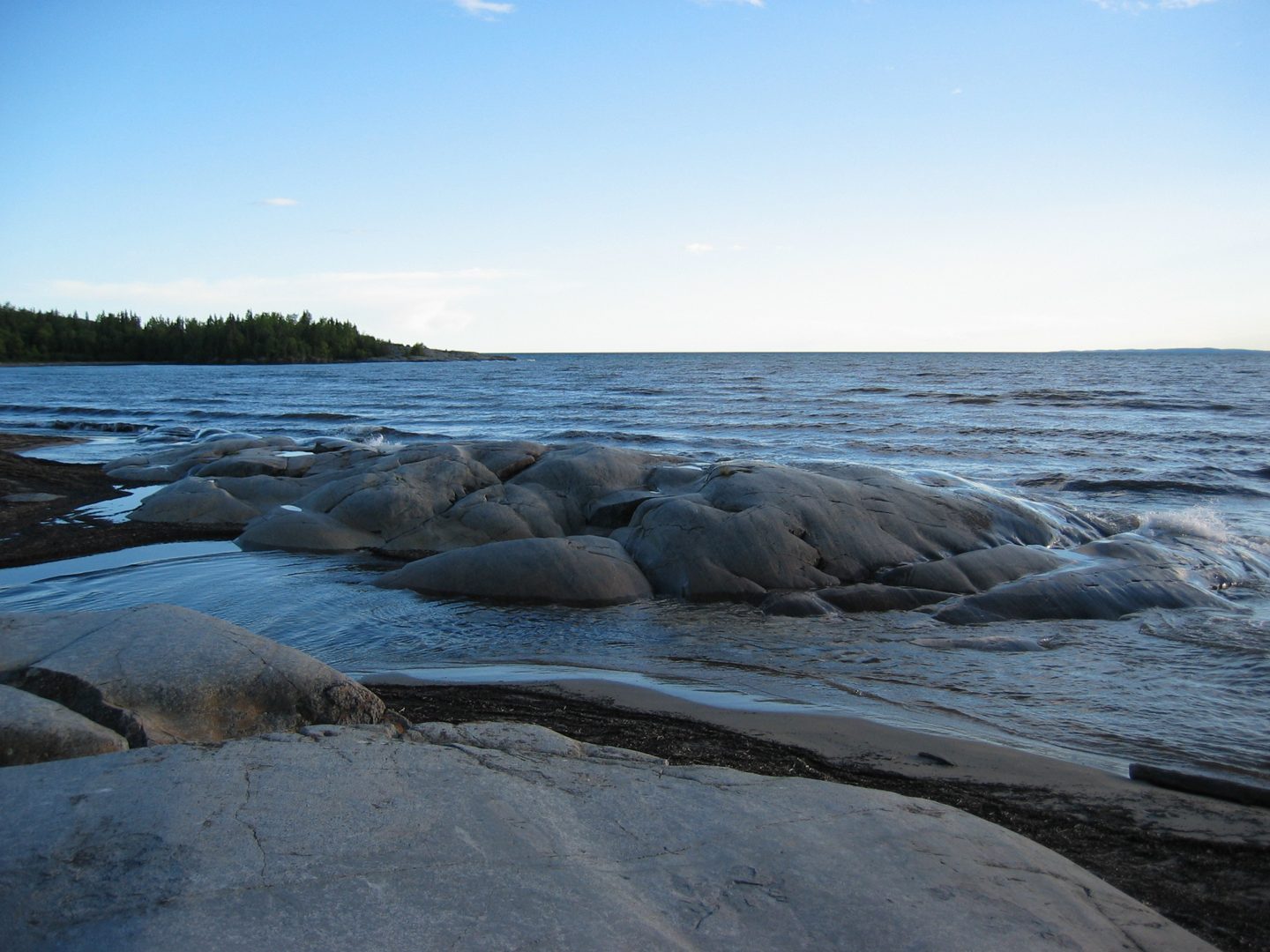
Approaching The Volcano at Neys Provincial Park, hikers are greeted by a dramatic landscape where ancient volcanic forces shaped the rugged coastline of Lake Superior. The trail winds along smooth, cooled magma rocks and glacially polished bedrock, offering a tactile connection to Earth’s deep past. The contrast between the barren volcanic rock and the vibrant boreal forest creates a striking visual and emotional experience. As you traverse the Under the Volcano Trail, the sense of geological power is palpable, culminating in panoramic views of the lake and the preserved remnants of an extinct volcano. This hike invites reflection on the immense timescales and natural forces that sculpted this unique environment.
Geological Background of The Volcano at Neys
The Volcano at Neys Provincial Park is an extinct volcanic feature formed over 2.6 billion years ago during the early Precambrian era. This region is part of the Canadian Shield, one of the Earth’s oldest continental rock formations. Around one billion years ago, the Midcontinent Rift caused the ancient Archean rocks to fracture, allowing magma to rise and accumulate in a large magma chamber near the surface. This magma chamber fed an active volcano that has since been eroded away by millions of years of geological processes. The remaining coarse-grained igneous rocks, formed from slowly cooled magma, dominate the park’s landscape today. Additionally, glacial activity about 10,000 years ago sculpted the terrain, leaving striations and chatter marks on the volcanic rocks, which serve as visible evidence of the glaciers’ passage. These combined volcanic and glacial features make Neys a fascinating geological site for hikers and scientists alike.
The Volcano Trek: Terrain and Hiking Experience
The Under the Volcano Trail offers a unique hiking experience characterized by a variety of terrain types shaped by volcanic and glacial forces. The trail stretches approximately 2.5 kilometers along the rocky coastline of Lake Superior, with a round trip totaling about 5 kilometers. Hikers will navigate smooth, cooled magma rocks that form the bedrock of the trail, which can become quite slippery when wet, requiring careful footing and appropriate footwear with good grip. The terrain is generally easy with minimal elevation gain, making it accessible for most fitness levels, but the rocky surface demands attention to balance and stability. Along the route, hikers encounter glacial striations and chatter marks—crescent-shaped scratches and gouges etched into the rock by ancient glaciers—adding a tactile and visual dimension to the hike. The trail also passes through boreal forest patches and coastal wetlands, offering a diverse natural setting. Wind conditions near the lake can be brisk, and temperatures may vary, especially in spring and fall when fog and cooler air are common. The trail’s proximity to Lake Superior provides stunning vistas of the water and surrounding landscape, enhancing the hiking experience. Overall, the terrain challenges are moderate, with the primary difficulty stemming from the rocky, sometimes slippery surfaces rather than steep climbs. This makes the trek both engaging and rewarding for geology enthusiasts and casual hikers alike.
What Makes The Volcano Trek Unique
The Volcano trek at Neys Provincial Park stands out for its combination of ancient volcanic geology and glacial history, set against the backdrop of Lake Superior’s rugged coastline. Unlike active volcanoes, this extinct volcanic feature offers a rare glimpse into Earth’s deep past through exposed magma chamber rocks and preserved volcanic blocks known as xenoliths. The trail’s proximity to the lake allows hikers to experience the interplay of geological forces and natural beauty, with sweeping water views contrasting the stark volcanic rock. Additionally, the presence of glacial striations and chatter marks on the trail’s rocks provides tangible evidence of the glaciers that shaped the landscape thousands of years ago. The trail’s integration of geological history with diverse ecosystems, including boreal forests and coastal wetlands, enriches the hiking experience. The Volcano trek also benefits from its location within a provincial park that balances wilderness solitude with accessibility, making it a distinctive destination for those interested in geology, natural history, and scenic hiking.
The Summit and Crater Experience
As The Volcano at Neys Provincial Park is an extinct and heavily eroded volcanic feature, there is no traditional summit or active crater to reach. Instead, the hiking experience culminates in panoramic views along the rocky coastline and across Lake Superior. The trail offers vantage points where hikers can observe the ancient volcanic rocks and glacial markings up close, fostering a deep appreciation for the geological forces that shaped the region. The absence of volcanic activity allows for a peaceful and contemplative atmosphere, where the silence is punctuated only by the sounds of waves and wind. The tactile sensation of walking on cooled magma and the sight of preserved volcanic blocks provide a unique connection to the Earth’s volcanic past. While there is no steaming crater or lava lake, the geological story told by the landscape is equally compelling and awe-inspiring.
Best Time to Trek The Volcano at Neys Provincial Park
The optimal time to hike The Volcano at Neys Provincial Park is from late June to mid-September when temperatures are mild and the days are long. During this period, the weather is generally stable, and the risk of slippery rocks due to rain or ice is reduced. Spring and fall offer beautiful seasonal changes, such as vibrant fall foliage and fresh spring greenery, but hikers should be prepared for cooler temperatures, fog, and potentially wet conditions that can make the rocky trail more challenging. The park is open from mid-May to mid-October, with the access road closing during winter months. Early morning hikes can provide serene experiences with fewer visitors and softer light for photography, while daytime treks offer warmer conditions. It is advisable to check local weather forecasts and park advisories before planning a visit to ensure safe and enjoyable trekking conditions.
Trekking Routes and Trail Options at Neys Provincial Park
The primary route for exploring The Volcano is the Under the Volcano Trail, a 2.5-kilometer point-to-point hike along Lake Superior’s rocky coastline. This trail begins where the Point Trail ends near Prisoner’s Cove and takes approximately two hours to complete round trip. The trail features a mix of rocky terrain and boreal forest, with interpretive signage highlighting the volcanic and glacial history. Hikers can choose to return the same way or extend their journey by connecting to the Kopa Cove Trail, which offers additional coastal views and natural features. Other notable trails in Neys Provincial Park include the Dune Trail, which showcases sand dunes and coastal ecosystems; the Pic Island Overlook Trail, a more challenging route rewarding hikers with panoramic views of Lake Superior and Pic Island; and the Lookout Trail, a shorter 1.6-kilometer hike providing scenic vistas of Ashburton Bay. These trails vary in difficulty and length, catering to a range of hiking preferences. Together, they offer a comprehensive exploration of the park’s diverse landscapes, from volcanic formations to forested areas and sandy beaches.
Difficulty Assessment of The Volcano Trek
The Volcano trek at Neys Provincial Park is classified as an easy volcano hike, suitable for hikers of most fitness levels. The trail’s elevation gain is minimal, and the overall distance is moderate, making it accessible for families and casual hikers. The primary challenge lies in navigating the rocky terrain, which can be slippery when wet due to smooth, cooled magma surfaces and glacially polished bedrock. Hikers should be prepared for uneven footing and occasional rock scrambling, but no technical climbing skills are required. The trail’s exposure to wind and variable weather conditions near Lake Superior may add to the perceived difficulty. Proper footwear with good traction is essential to ensure safety. Overall, the trek offers a rewarding experience without demanding strenuous physical effort or technical mountaineering expertise.
Essential Volcano Trekking Gear for Neys Provincial Park
For hiking The Volcano at Neys Provincial Park, essential gear includes sturdy hiking boots with excellent grip to handle slippery and uneven volcanic rocks. Trekking poles can provide additional stability on rocky sections. Weather-appropriate clothing is important, including a windproof jacket to protect against lake breezes and layered clothing to adjust to temperature changes. A hat and sunscreen are recommended due to limited shade along the trail. Carry sufficient water and snacks for the approximately two-hour hike. A small first aid kit and a map or GPS device are advisable for safety. Since the trail can be slippery when wet, gaiters or waterproof footwear may be beneficial during damp conditions. A camera or smartphone is recommended to capture the unique geological features and scenic vistas. Finally, adherence to Leave No Trace principles and park regulations ensures preservation of this special environment.
Safety and Volcanic Hazards at The Volcano
As The Volcano at Neys Provincial Park is an extinct volcanic feature, there are no active volcanic hazards such as eruptions, lava flows, or toxic gases. However, hikers should exercise caution due to the rocky terrain, which can be slippery, especially when wet. The smooth, cooled magma rocks and glacially polished surfaces require careful footing to prevent slips and falls. Weather conditions near Lake Superior can change rapidly, with strong winds and fog reducing visibility and increasing exposure risks. It is important to stay on marked trails to avoid damaging sensitive geological and ecological features and to prevent accidents near unstable rock edges. The park is managed by Ontario Parks, which enforces safety regulations and provides visitor information. Hikers should check weather forecasts and park advisories before their trip and carry appropriate gear for changing conditions. Wildlife encounters, while generally low risk, should be respected by maintaining distance and not feeding animals.
Permits, Guides, and Logistics for Hiking The Volcano
Neys Provincial Park requires visitors to obtain a park entry permit, which can be purchased online or at the park entrance. Reservations are strongly recommended, especially for camping, as the park offers nearly 150 vehicle-accessible campsites, many with electrical hookups. The park is open from mid-May to mid-October, with the access road closing during winter. There are no specific permits required for hiking the Under the Volcano Trail itself beyond park entry. Guided tours specifically for The Volcano are not commonly offered, and the trail is primarily self-guided, with interpretive signage along the route providing geological and historical context. Visitors should prepare by reviewing trail maps available at the park office or online. The nearest town with amenities is Marathon, approximately 20 minutes east by car, where supplies and last-minute gear can be obtained. Access to Neys Provincial Park is via Highway 17, about a three-hour drive east of Thunder Bay. While no dedicated tour operators specialize in The Volcano trek, local outfitters in Marathon may offer general hiking or outdoor adventure packages in the region. Visitors are advised to plan logistics carefully, including transportation, accommodation, and weather considerations, to ensure a safe and enjoyable visit.
Where to Stay Near The Volcano at Neys Provincial Park
Accommodation options near The Volcano at Neys Provincial Park primarily consist of camping facilities within the park and nearby lodging in the town of Marathon. Neys Provincial Park features a well-equipped campground with nearly 150 vehicle-accessible campsites, approximately half offering electrical hookups. The campground is divided into areas with pull-through sites suitable for larger vehicles and more secluded spots offering privacy. Facilities include clean washrooms and potable water. Reservations for campsites can be made online through the Ontario Parks reservation system and are highly recommended during peak season from late June to mid-September. For visitors seeking indoor accommodations, the town of Marathon, located about 20 minutes east of the park, offers several hotels, motels, and bed-and-breakfast establishments with amenities such as dining, grocery stores, and fuel stations. Marathon serves as a convenient base for exploring Neys and the surrounding Lake Superior region. Additionally, some remote cabins and lodges are available in the broader area, catering to anglers and outdoor enthusiasts. Staying within Neys Provincial Park allows early access to trails and the tranquility of the natural setting, while Marathon provides more comfort and services for travelers.