
Trekking Copahue Volcano: A Complete Guide to Argentina’s Active Acidic Crater Hike
Copahue Volcano, an active stratovolcano on the Argentina-Chile border, offers a thrilling moderate trek to its acidic crater lake surrounded by sulfur fumaroles. This guide covers geology, terrain, routes, permits, safety, and accommodation for an unforgettable volcanic adventure.
Quick Volcano Snapshot
| Attribute | Value |
|---|---|
| Volcano type | Stratovolcano |
| Elevation | 2980 meters |
| Location | Neuquén Province, Andes, Argentina |
| Activity status | Active |
| Trekking difficulty | Moderate |
| Typical trek duration | 6-8 hours |
| Altitude gain | 550-800 meters |
| Terrain type | Volcanic ash slopes, loose pumice, rocky terrain |
| Best season | Summer (December to March) |
| Temperature range | 5°C to 20°C |
| Permit requirement | Mandatory permit and guided ascent |
The Experience of Hiking Copahue Volcano
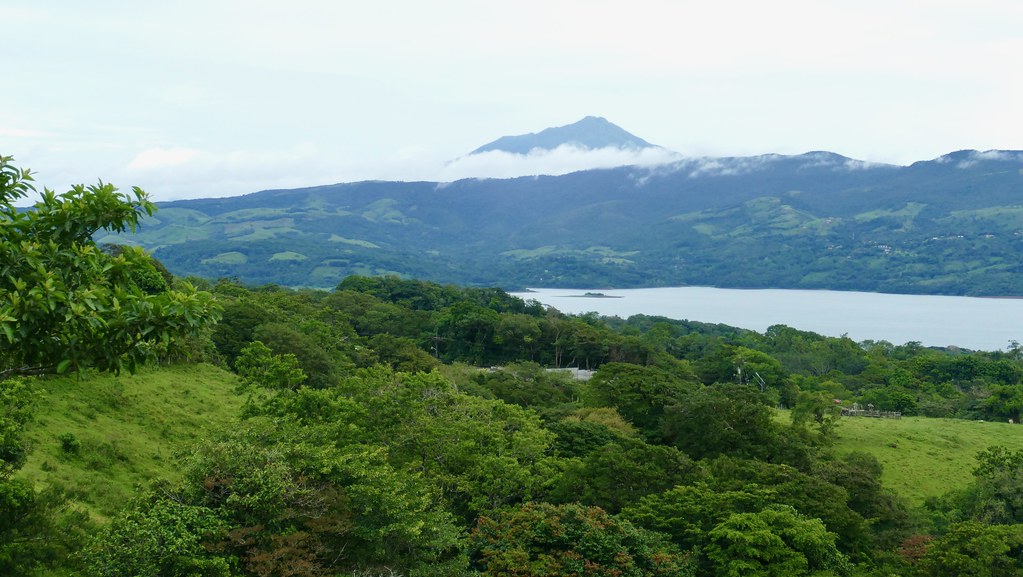
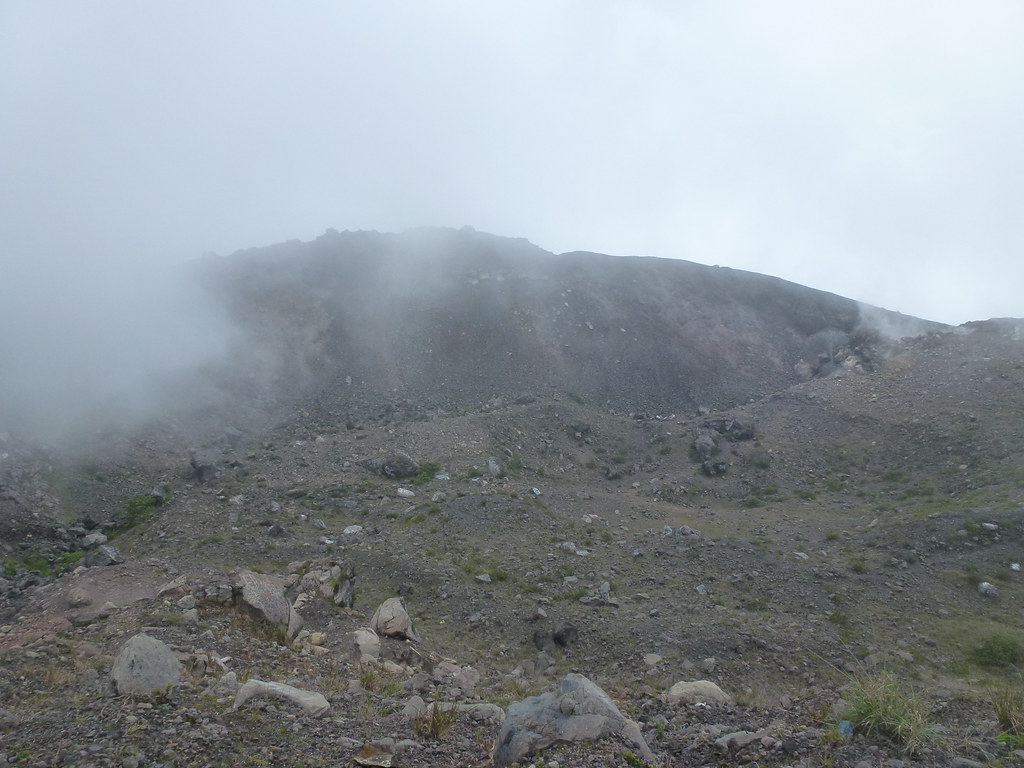
Approaching Copahue Volcano, the landscape transforms into a raw volcanic wilderness where the earth’s power is palpable. The barren slopes of ash and pumice contrast starkly with the lush forests and thermal springs below. As you ascend, the sulfurous smell intensifies, and steam vents punctuate the terrain, signaling the volcano’s restless heart. Reaching the crater, you stand at the edge of a steaming acidic lake, its vivid colors and bubbling fumaroles a vivid reminder of the planet’s fiery core. The panoramic views of the Andes and neighboring volcanoes complete an unforgettable encounter with nature’s elemental forces.
Geological Background of Copahue Volcano
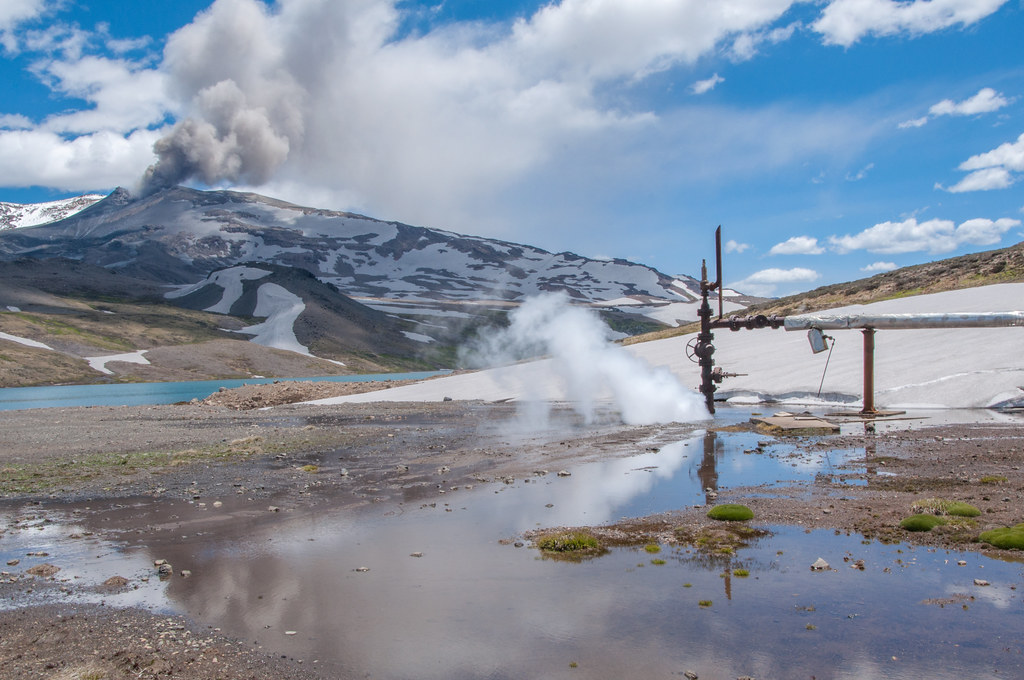
Copahue is an active stratovolcano located on the border between Argentina and Chile, part of the Andes volcanic belt. It formed through successive eruptions of andesitic lava and pyroclastic deposits, building a complex volcanic edifice with multiple craters aligned along a northeast-southwest trend. The volcano’s most prominent feature is its acidic crater lake, known as El Agrio, which measures approximately 300 meters wide and exhibits intense hydrothermal activity. Over the past 260 years, Copahue has experienced at least 13 eruptive events, mostly phreatic and phreatomagmatic in nature, characterized by steam explosions and ash emissions. These eruptions have shaped the surrounding landscape, depositing sulfur minerals and creating fumarolic fields that continue to emit gases and steam. The volcano’s activity is closely monitored due to its proximity to local communities and the potential hazards posed by mudflows and ashfall.
Terrain and Hiking Experience on Copahue Volcano
The trek up Copahue Volcano is a demanding yet rewarding journey through diverse volcanic terrain. Starting typically from around 2200 meters altitude, hikers first traverse gentle slopes covered in volcanic ash and pumice, which can be loose and slippery underfoot. The initial sections often pass through patches of native forest and monkey puzzle trees, offering a brief respite from the stark volcanic landscape. As the ascent progresses, the trail steepens significantly, especially in the final 40 minutes where the incline reaches approximately 35 degrees. This section consists of loose volcanic sand and ash, requiring careful footing and good physical conditioning. The terrain is rugged but does not demand technical climbing skills, making it accessible to moderately experienced trekkers with proper preparation. Along the way, hikers encounter fumaroles emitting sulfurous steam, and the air carries a distinct smell of sulfur that intensifies near the crater. Weather conditions can vary rapidly, with strong winds common near the summit and temperature drops that require layered clothing. The volcanic soil and ash can be abrasive, so sturdy hiking boots with good grip and gaiters are recommended. The trail offers panoramic views of the surrounding Andes peaks, the Caviahue lake, and the thermal village of Copahue. The final approach to the crater rim involves navigating rocky outcrops and volcanic debris, culminating in a dramatic arrival at the acidic crater lake. Here, hikers can observe bubbling hydrothermal activity and vibrant mineral deposits. The descent retraces the ascent route, often allowing for faster progress but requiring caution on the loose scree. Overall, the trek combines physical challenge with unique geological features, providing an immersive experience into an active volcanic environment.
What Makes the Copahue Volcano Trek Unique
Copahue Volcano stands out for its active acidic crater lake and persistent sulfur fumaroles, creating a dynamic and visually striking environment rarely found on other volcano treks. The crater lake’s acidic waters, heated by volcanic gases, emit steam and bubbles that reveal the volcano’s ongoing subterranean activity. This hydrothermal activity supports a unique ecosystem and paints the crater with vivid yellows and greens from sulfur and mineral deposits. The trek also offers the rare opportunity to witness an active volcano’s fumarolic fields up close, with the unmistakable scent of sulfur permeating the air. Additionally, the surrounding landscape features thermal springs and mud baths, linking volcanic activity with wellness tourism. The panoramic views from the summit encompass multiple Andean volcanoes and the picturesque Caviahue lake, enhancing the sense of remoteness and grandeur. The cultural connection to the nearby thermal villages and the integration of scientific research add further depth to the experience.
Summit and Crater Experience at Copahue Volcano
Reaching the summit of Copahue Volcano is a moment of awe and sensory immersion. At nearly 3,000 meters elevation, the panoramic vistas stretch across the Andes, revealing neighboring volcanoes such as Domuyo, Tromen, and Chilean peaks. The crater itself is a steaming cauldron, with the acidic lake bubbling and emitting plumes of sulfurous gas. The air is thick with the sharp scent of sulfur, and the heat from fumaroles can be felt on the skin. The crater rim offers a precarious yet safe vantage point to observe the volcanic activity, with the sound of escaping gases adding to the primal atmosphere. The contrast between the vibrant mineral colors of the crater and the stark volcanic terrain around it creates a surreal landscape. Hikers often spend time here resting, photographing, and reflecting on the raw power beneath their feet before beginning the descent.
Best Time to Trek Copahue Volcano
The optimal trekking season for Copahue Volcano is during the southern hemisphere summer months, from December to March. During this period, weather conditions are generally stable, with milder temperatures ranging from 5°C to 20°C and reduced risk of snow or heavy rain. The volcanic activity tends to be lower, making guided ascents safer and more predictable. Outside of summer, the trail can be covered in snow or ice, increasing difficulty and risk. It is essential to check volcanic activity reports and local advisories before planning a trek, as sudden changes in gas emissions or seismic activity can lead to temporary closures. Early morning starts are recommended to avoid afternoon winds and to maximize daylight hours for the ascent and descent.
Trekking Routes and Trail Options on Copahue Volcano
There are two primary trekking options for ascending Copahue Volcano. The classic route begins at Laguna Las Mellizas, situated at approximately 1950 meters altitude. This route covers around 11 kilometers round trip with an elevation gain close to 800 meters. It involves a steady ascent through volcanic ash slopes, native forest patches, and culminates in the steep final approach to the crater. This option is favored by hikers seeking a full trekking experience and typically takes 6 to 7 hours to complete. The second option combines a 4×4 vehicle ride with trekking. Vehicles transport hikers up to about 2300 meters, significantly reducing the hiking distance and altitude gain. From this point, trekkers follow the “El Caracol” trail, a challenging path with steep sections and loose volcanic sand leading to the crater rim. This hybrid route is ideal for those with limited time or who prefer a less strenuous approach. Both routes require a licensed guide due to the volcano’s active status and permit regulations. Guided tours often include transportation from Caviahue or Copahue villages, technical briefings, and safety equipment such as helmets for the final ascent.
Difficulty Assessment of Copahue Volcano Trek
The Copahue Volcano trek is classified as a moderate volcano ascent. While it does not require technical climbing skills, the trail’s steep inclines, loose volcanic ash, and altitude near 3,000 meters demand good physical fitness and stamina. The final 40-minute section involves a steep 35-degree slope on unstable volcanic sand, which can be physically taxing and requires careful footing. Altitude effects such as shortness of breath and fatigue may be experienced by some hikers. The terrain is rugged but well-marked, and no specialized mountaineering equipment is necessary beyond sturdy hiking boots and trekking poles. The presence of sulfur gases and fumaroles adds an environmental challenge, making a guide essential for safety and navigation. Overall, the trek suits adventurous hikers with moderate experience and a readiness for volcanic conditions.
Essential Volcano Trekking Gear for Copahue
Proper gear is crucial for a safe and comfortable ascent of Copahue Volcano. Recommended items include sturdy hiking boots with good grip to handle loose volcanic ash and rocky terrain. Trekking poles help maintain balance on steep and unstable slopes. Layered clothing is essential to adapt to temperature changes and wind exposure near the summit; a windproof jacket and thermal base layers are advised. Due to sulfur gas emissions, carrying a lightweight gas mask or respirator can be beneficial, especially for sensitive individuals. Sun protection is important as the trail offers little shade—bring sunscreen, sunglasses, and a wide-brimmed hat. A headlamp is useful for early starts or late finishes. Carry at least 2 liters of water and high-energy snacks to maintain hydration and energy. A small first aid kit, map, and communication device complete the essentials.
Safety and Volcanic Hazards on Copahue Volcano
Trekking Copahue Volcano involves inherent risks due to its active volcanic status. The primary hazards include exposure to volcanic gases such as sulfur dioxide, which can irritate the respiratory system and eyes. The acidic crater lake and fumaroles emit toxic gases and heat, so hikers must maintain a safe distance and follow guide instructions. The terrain features loose volcanic ash and scree, increasing the risk of slips and falls, particularly on steep slopes. Crater edges can be unstable, requiring caution near the rim. Sudden changes in volcanic activity or weather conditions can occur, so monitoring by local authorities and adherence to alerts is mandatory. The Argentine and Chilean geological services continuously monitor Copahue, and access is regulated through permits and guided tours to ensure safety. Emergency protocols and communication plans are in place, but hikers should be prepared for rapid evacuation if necessary.
Permits, Guides, and Logistics for Copahue Volcano Trek
Access to Copahue Volcano is strictly regulated due to its active status and associated hazards. A mandatory permit is required for all ascents, issued by the Neuquén Provincial Natural Protected Areas authority. Permits are typically obtained through authorized tour operators or local park offices, with advance booking strongly recommended, especially during peak season. The permit process includes safety briefings and compliance with regulations designed to protect both visitors and the environment. Guided ascents are compulsory; only licensed guides affiliated with recognized companies can lead groups to the crater. This ensures adherence to safety protocols and provides valuable geological and cultural insights during the trek. Notable tour operators offering guided Copahue Volcano hikes include Caviahue Aventura, Descolgados del Sur, Civitatis, and Aventura Patagónica. These operators provide comprehensive packages including transportation from Caviahue or Copahue villages, 4×4 transfers to trailheads, equipment rental, and technical briefings. Costs for guided tours range approximately from 3,500 Argentine pesos per person, with group discounts available. Logistics involve early morning departures, typically around 7:00 AM, with total excursion durations of 6 to 8 hours. Visitors should prepare for variable weather and volcanic conditions, and operators monitor activity levels closely to adjust or cancel trips if necessary. The region’s infrastructure supports trekking tourism with accommodations, transport, and emergency services centered in Caviahue and Copahue villages.
Where to Stay and Nearby Bases for Copahue Volcano Trek
The primary base for trekking Copahue Volcano is the village of Caviahue, located approximately 20 kilometers from the volcano’s trailheads. Caviahue offers a range of accommodations from rustic hostels to comfortable lodges, making it an ideal staging point for the ascent. Notable lodging options include the Copahue Hotel, a traditional mountain hotel with cozy rooms, digital TV, Wi-Fi, and an on-site restaurant serving regional cuisine. It is conveniently located near the thermal complex and provides easy access to tour operators. Another excellent choice is Aguas Verdes Copahue Apart Hotel in the Thermal Village of Copahue, offering fully equipped apartments with kitchenettes, Wi-Fi, and proximity to the thermal baths, perfect for travelers seeking wellness and relaxation after the trek. Both villages feature amenities such as restaurants, grocery stores, and equipment rental shops. For those preferring self-catering, cabins and vacation rentals are available in the area, many designed to withstand high mountain conditions. Transportation options include local shuttles and 4×4 vehicles arranged by tour operators to reach trailheads. Staying in Caviahue or Copahue allows trekkers to acclimatize, attend pre-trek briefings, and enjoy the region’s thermal springs, waterfalls, and natural parks. Early reservations are advised during the summer trekking season to secure preferred accommodations and guided tours.