
Trekking Ilopango Caldera: Exploring El Salvador’s Majestic Volcanic Crater Lake
Ilopango Caldera is a vast volcanic caldera in El Salvador, featuring the stunning Lake Ilopango. This easy trek around the caldera rim offers spectacular views, geological insights, and access to water-based adventures on the lake. Discover the volcanic history, hiking terrain, routes, and local accommodations for an unforgettable volcano trekking experience.
Quick Volcano Snapshot
| Attribute | Value |
|---|---|
| Volcano type | Caldera |
| Elevation | 440 m |
| Location | San Salvador Department, El Salvador |
| Activity status | Dormant |
| Trekking difficulty | Easy |
| Typical trek duration | 4-6 hours |
| Altitude gain | Moderate, approx. 100-300 m depending on route |
| Terrain type | Volcanic caldera rim, lake shore, volcanic rock, forest trails |
| Best season | November to April (dry season) |
| Temperature range | 20°C to 30°C |
| Permit requirement | No formal permits required; local fees may apply for some activities |
The Experience of Hiking Ilopango Caldera
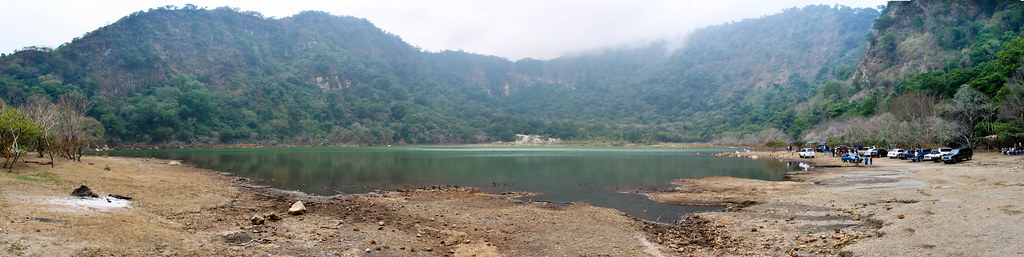
Approaching Ilopango Caldera, hikers are greeted by the vast expanse of Lake Ilopango, its turquoise waters nestled within towering volcanic cliffs. The landscape is a dramatic contrast of serene water and rugged volcanic terrain, evoking the immense geological forces that shaped this natural wonder. Trekking the caldera rim offers a unique perspective on the volcanic past, with sweeping views of the lake, surrounding hills, and distant volcanoes. The emotional crescendo of standing on the caldera’s edge, overlooking one of Central America’s largest crater lakes, is a humbling reminder of Earth’s power and beauty.
Geological Background of Ilopango Caldera
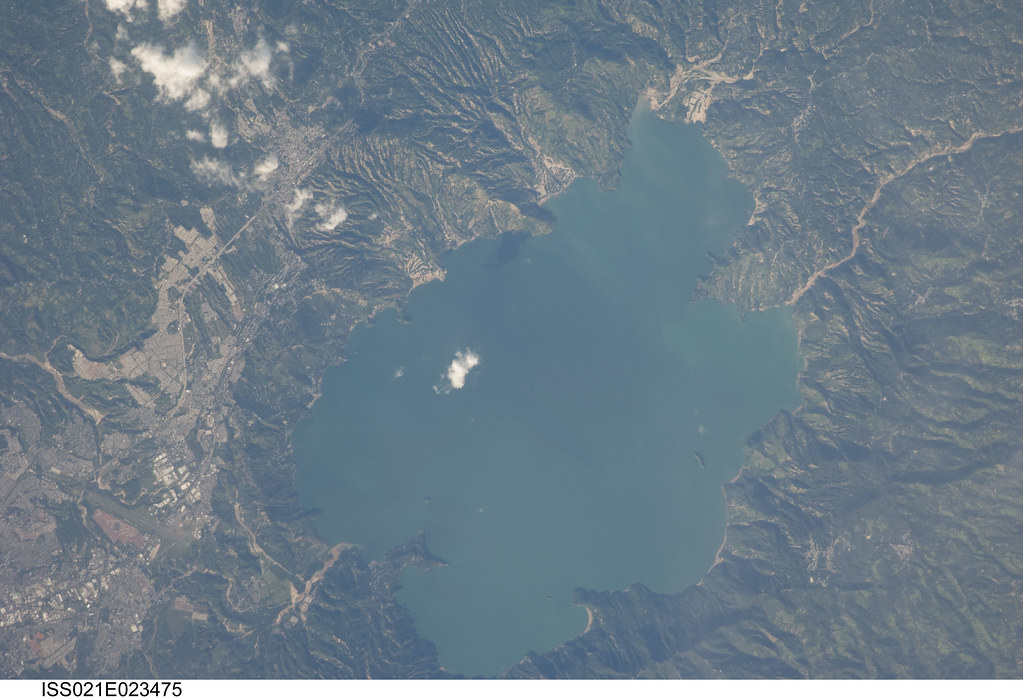
Ilopango Caldera is a large volcanic depression formed by a series of massive explosive eruptions during the late Pleistocene and Holocene epochs. The most significant eruption occurred around 431 CE, classified as a VEI 6 event, ejecting between 37 and 82 cubic kilometers of volcanic material. This eruption devastated the surrounding region, burying ancient Mayan cities under thick layers of ash and pumice. The caldera collapsed as the magma chamber emptied, creating the basin that now holds Lake Ilopango. Subsequent volcanic activity formed lava domes within the lake, including the Islas Quemadas, or ‘burnt islands,’ which emerged during the 1879-80 eruption. Today, the volcano is dormant but geothermally active, with bubbling vents beneath the lake surface indicating ongoing subterranean activity.
Terrain and Hiking Experience Around Ilopango Caldera
Hiking around Ilopango Caldera offers a diverse and accessible trekking experience suitable for most fitness levels. The trails generally follow the caldera rim, which rises between 100 and 500 meters above the lake, providing panoramic views of the water and surrounding volcanic landscape. The terrain varies from gentle forested paths to sections of volcanic rock and loose gravel, requiring sturdy footwear with good grip. Trekkers will encounter volcanic ash deposits, eroded lava domes, and patches of tropical vegetation that thrive in the caldera’s microclimate. The elevation gain is moderate, with some steep sections near the rim edges, but overall the hike is considered easy to moderate in difficulty. Weather conditions can shift rapidly, with warm temperatures during the day and cooler breezes near the rim. Winds can be strong and persistent, especially at higher elevations, so windproof clothing is recommended. The trail surfaces can be uneven and rocky in places, demanding careful footing, particularly after rain when volcanic soils become slippery. Along the route, hikers may spot fumaroles releasing steam and sulfurous gases, a reminder of the volcano’s dormant but restless nature. The proximity to the lake allows for refreshing breaks and opportunities to combine trekking with water activities such as kayaking or swimming. Overall, the hiking experience around Ilopango Caldera blends geological fascination with scenic tranquility, making it a rewarding adventure for volcano enthusiasts and casual trekkers alike.
What Makes the Ilopango Caldera Trek Unique
Ilopango Caldera stands out for its immense size and the presence of a deep crater lake that fills the volcanic basin. Unlike typical volcanic summits, this trek offers the rare opportunity to explore a caldera rim with direct access to a large freshwater lake formed by volcanic collapse. The lake’s warm waters and volcanic islands, such as the Islas Quemadas, add a distinctive aquatic dimension to the volcanic landscape. The area’s rich history, marked by one of Central America’s largest eruptions, adds cultural depth to the trek. The juxtaposition of serene lake vistas with the rugged volcanic rim creates a striking visual contrast. Additionally, the caldera’s proximity to San Salvador makes it an accessible yet less crowded alternative to more famous volcano hikes in the region.
The Summit and Crater Experience at Ilopango
While Ilopango is a caldera rather than a traditional volcanic summit, reaching the rim offers breathtaking views into the vast crater lake below. From the rim, hikers can observe the scalloped cliffs rising 100 to 500 meters above the water, with the lake’s deep blue surface reflecting the sky. The air carries faint sulfurous scents from underwater fumaroles, and occasional steam vents dot the shoreline. The soundscape is peaceful, punctuated by gentle waves lapping against volcanic rock and the calls of local birdlife. The expansive panorama includes views of nearby volcanoes and the San Salvador metropolitan area, blending natural grandeur with human presence. Standing on the rim, one senses the immense geological forces that shaped this landscape, evoking awe and respect for the Earth’s dynamic processes.
Best Time to Trek Ilopango Caldera
The ideal time to visit Ilopango Caldera is during El Salvador’s dry season, from November to April. During these months, trails are generally dry and more stable, reducing the risk of slippery volcanic soils. Temperatures range from 20°C to 30°C, offering comfortable conditions for hiking and water activities. The wet season, from May to October, brings heavy rains that can make trails muddy and increase the risk of landslides or unstable footing. Additionally, volcanic gas emissions are typically low year-round, but hikers should stay informed of any advisories from local monitoring agencies. Early morning treks are recommended to avoid midday heat and to enjoy clearer views before afternoon clouds or showers develop.
Trekking Routes and Trail Options at Ilopango Caldera
Several trekking routes circle or ascend portions of the Ilopango Caldera rim, offering options for different interests and fitness levels. The most popular route is a loop trail starting near the Apulo Tourist Center on the western shore, which follows forested paths and volcanic ridges around the caldera rim. This route typically takes 4 to 6 hours to complete and includes moderate elevation changes of up to 300 meters. Hikers can choose shorter segments for half-day excursions or combine trekking with boat tours on the lake. Another option is to explore trails leading to the Islas Quemadas, the volcanic islands formed by lava domes within the lake, accessible by boat from various points. Guided tours are available through local operators such as Lago Aventura Kayak Club and Adventure Travel El Salvador, who provide combined hiking and water activity packages. Self-guided hikers should prepare with maps and local advice, as some trails are less marked. The terrain varies from volcanic rock to forested sections, with occasional steep climbs near the rim edges. Overall, the trail network offers flexibility for casual walkers and more adventurous trekkers seeking geological exploration.
Difficulty Assessment of Ilopango Caldera Trek
Ilopango Caldera’s trekking routes are generally classified as easy to moderate. The terrain is mostly well-defined with moderate elevation gains, making it accessible to hikers with basic fitness levels. The volcanic soil and rocky sections require good hiking shoes for stability. There are no technical climbing sections or the need for specialized mountaineering equipment. Altitude is low, around 440 meters above sea level, so altitude sickness is not a concern. Weather conditions can influence trail difficulty, with wet season rains increasing slipperiness. Overall, this trek is suitable for beginners and families, as well as geology enthusiasts seeking a comfortable yet rewarding volcano hiking experience.
Essential Gear for Trekking Ilopango Caldera
Key gear for hiking Ilopango Caldera includes sturdy hiking boots with good traction to navigate volcanic rock and loose soil. Trekking poles can assist with balance on uneven terrain. Lightweight, breathable clothing with layers is recommended to adapt to temperature changes and wind exposure near the rim. A windproof jacket is essential for cooler breezes. Sun protection such as a wide-brimmed hat, sunglasses, and sunscreen is important due to limited shade. Carry sufficient water and snacks for hydration and energy. A headlamp is useful if starting early or finishing late. For water activities on Lake Ilopango, bring swimwear and quick-dry towels. While volcanic gases are minimal, sensitive individuals may consider a lightweight mask. A camera or smartphone is recommended to capture the stunning landscapes.
Safety and Volcanic Hazards at Ilopango Caldera
Though currently dormant, Ilopango Caldera remains geothermally active, with underwater fumaroles releasing gases and occasional bubbling in the lake. Hikers should avoid venturing too close to steam vents or unstable shorelines. The caldera rim can have steep drop-offs and loose volcanic rock, requiring caution to prevent falls. Sudden weather changes, including strong winds and rain, can increase trail hazards. There is no recent eruptive activity, but local monitoring agencies keep watch for signs of unrest. Visitors should heed any official warnings and stay on marked trails. Wildlife encounters are generally low risk, but standard outdoor safety practices apply. Overall, Ilopango offers a safe trekking environment when basic precautions are observed.
Permits, Guides, and Logistics for Ilopango Caldera Trekking
Ilopango Caldera is accessible without formal permits for hiking, though some local areas or water activities may charge small entrance or usage fees, typically under $5 USD. Visitors can explore the caldera independently, but hiring a local guide is recommended to enhance the experience with geological insights and ensure navigation on less marked trails. Several reputable tour operators offer combined hiking and water adventure packages, including Lago Aventura Kayak Club, which specializes in kayaking tours on Lake Ilopango, and Apulo Tourist Center Tours, providing guided hikes and boat excursions. These operators facilitate logistics such as transportation from San Salvador, equipment rental, and safety briefings. Public transport options connect San Salvador to towns near the lake, including Ilopango and Apulo, with frequent buses and taxis available. Accommodation ranges from lakeside hostels to rental houses with amenities like pools and internet. Visitors should plan for early starts to maximize daylight and avoid midday heat. It is advisable to check weather forecasts and volcanic activity updates from El Salvador’s Ministry of Environment and Natural Resources (MARN) before trekking. Overall, Ilopango offers well-established infrastructure for tourists seeking a combined volcano trekking and lake adventure.
Where to Stay and Nearby Bases for Ilopango Caldera Trek
Accommodation options near Ilopango Caldera cater to a range of preferences, from budget hostels to comfortable rental homes with lake views. The town of Ilopango, located on the western shore of the lake, offers several guesthouses and small hotels such as Casa Contenta, known for its lakeside location, pool, and family-friendly atmosphere. These lodgings provide easy access to trailheads and water activity centers. The Apulo Tourist Center area is another popular base, featuring eco-lodges, cabins, and camping sites that immerse visitors in nature while offering amenities like guided tours and equipment rentals. Many accommodations include facilities such as outdoor bars, organic gardens, and Wi-Fi, enhancing the visitor experience. For travelers seeking more urban comforts, San Salvador is only 15 kilometers away, providing a wider selection of hotels and transport connections. Staying near the lake allows early access to hiking routes and water sports, making it ideal for multi-activity trips. Booking in advance is recommended during peak dry season months to secure preferred lodging.