
Arenal Volcano Trekking Guide: Exploring Costa Rica’s Iconic Active Stratovolcano
Discover the thrilling hiking trails around Arenal Volcano, Costa Rica’s most active stratovolcano. Explore lush rainforests, historic lava fields, and panoramic viewpoints while learning about the volcano’s geology, safety guidelines, and local logistics for an unforgettable volcanic adventure.
Quick Volcano Snapshot
| Attribute | Value |
|---|---|
| Volcano type | Stratovolcano |
| Elevation | 1,670 meters |
| Location | Costa Rica |
| Activity status | Resting since 2010 |
| Trekking difficulty | Moderate |
| Typical trek duration | 3 to 6 hours |
| Altitude gain | Up to 300 meters |
| Terrain type | Volcanic rock, rainforest trails, lava fields |
| Best season | Dry season (February to April) |
| Temperature range | 20°C to 30°C |
| Permit requirement | Park entrance fee required; no summit permits |
The Experience of Hiking Arenal Volcano
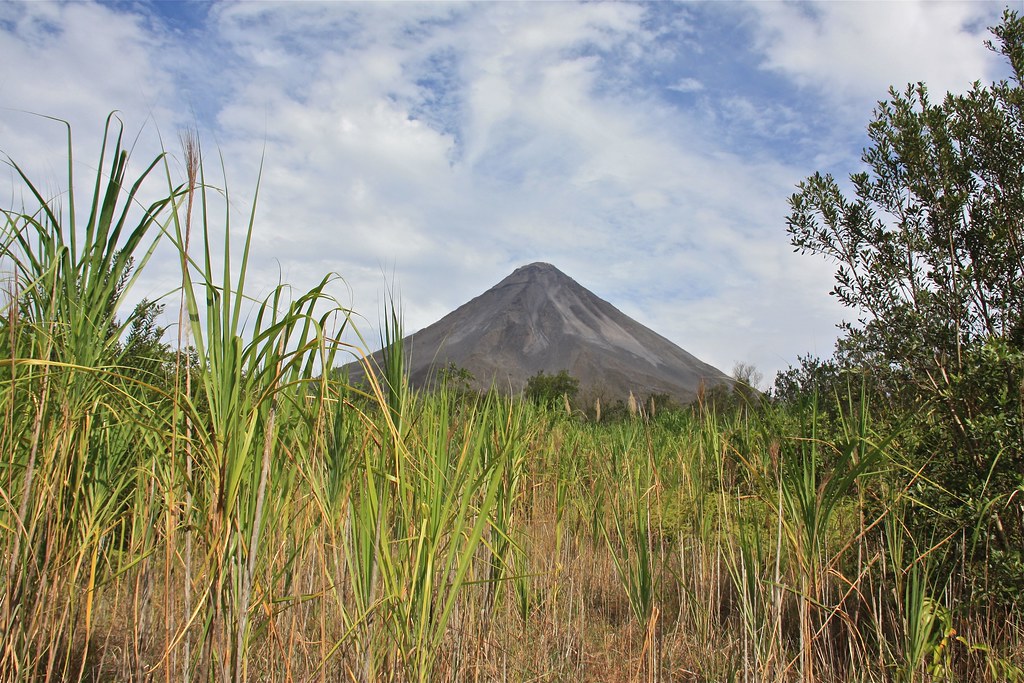
Approaching Arenal Volcano, the towering conical peak rises dramatically above the lush Costa Rican rainforest, a symbol of raw geological power. The landscape contrasts sharply between the dark, jagged lava fields and the vibrant green canopy surrounding the base. Hiking here immerses you in a dynamic environment shaped by fiery eruptions and rich biodiversity. The thrill of walking near one of Costa Rica’s most active volcanoes, feeling the earth’s energy beneath your feet, and witnessing panoramic views of the volcano and Lake Arenal creates an unforgettable emotional connection to nature’s forces.

Geological Background of Arenal Volcano
Arenal Volcano is a classic stratovolcano formed by layers of hardened lava, tephra, and volcanic ash. It emerged millions of years ago as part of the Pacific Ring of Fire, a region known for intense volcanic activity. The volcano’s most notable eruption began unexpectedly in 1968 after a long dormancy, producing extensive lava flows and pyroclastic material that reshaped the surrounding landscape. This eruption lasted for 15 days and devastated nearby towns, marking one of Costa Rica’s deadliest volcanic events. Since then, Arenal has remained active with intermittent eruptions until 2010, when it entered a resting phase. The volcano features fumaroles and steam vents, and its lava flows have created unique geological formations and fertile soils supporting rich ecosystems.
Terrain and Hiking Experience Around Arenal Volcano
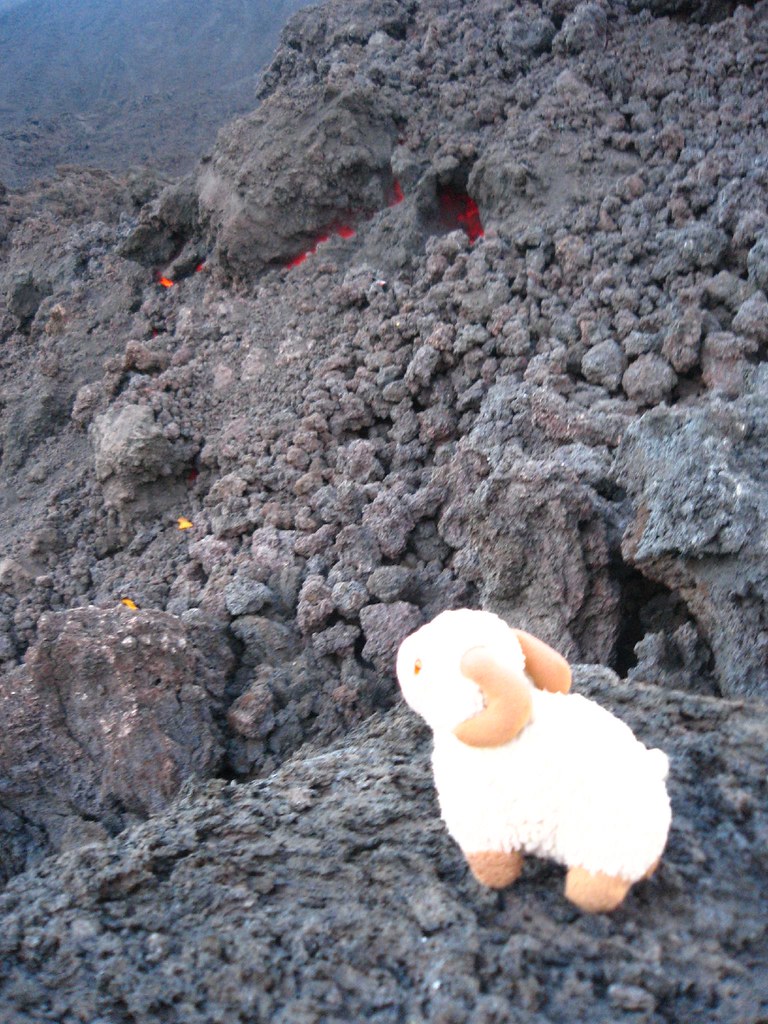
Hiking around Arenal Volcano offers a diverse and engaging experience shaped by volcanic geology and tropical rainforest. The trails navigate through historic lava fields, where the ground is covered in jagged, black volcanic rock formed during eruptions as recent as 1968 and 1992. Walking these lava flows requires careful footing due to uneven, sharp surfaces and occasional loose stones. The Las Coladas Trail is the signature route crossing these lava fields, providing a tangible connection to the volcano’s fiery past. Elevation gains are moderate, with some sections ascending gentle slopes that offer expansive views of the volcano and Lake Arenal.
Beyond the lava fields, trails wind through dense secondary rainforest, where hikers encounter thick vegetation, humid conditions, and abundant wildlife such as howler monkeys, toucans, and vibrant orchids. The El Ceibo Trail, for example, immerses trekkers in lush forest with shaded paths and diverse flora. The terrain here can be muddy and slippery, especially during the rainy season, requiring sturdy hiking boots and trekking poles for stability.
The hiking routes are generally well-marked and maintained, but the volcanic terrain demands attentiveness to footing and weather changes. Wind conditions near viewpoints can be brisk, and temperature shifts occur between shaded forest and exposed lava fields. Altitude effects are mild given the volcano’s moderate elevation, but hikers should still pace themselves and stay hydrated.
Overall, the hiking experience balances volcanic ruggedness with tropical biodiversity, offering varied landscapes and sensory contrasts. The combination of volcanic rock, rainforest trails, and panoramic vistas makes Arenal Volcano hikes both physically rewarding and visually spectacular, suitable for hikers with moderate fitness and some experience on uneven terrain.
What Makes the Arenal Volcano Trek Unique
Arenal Volcano’s trek is unique for its blend of active volcanic geology and vibrant rainforest ecosystems. Unlike many volcano hikes, summit access is prohibited due to safety concerns, but the surrounding trails provide intimate encounters with historic lava flows and lush tropical habitats. The volcano’s near-perfect conical shape dominates the skyline, creating iconic photographic opportunities. The presence of fumarolic activity and steam vents adds a dynamic element, reminding hikers of the volcano’s latent power. Additionally, the region’s rich biodiversity, including rare wildlife and endemic plants, enhances the trekking experience. Nearby natural hot springs heated by volcanic activity offer relaxing post-hike rejuvenation, making Arenal a comprehensive adventure destination.
The Summit and Crater Experience
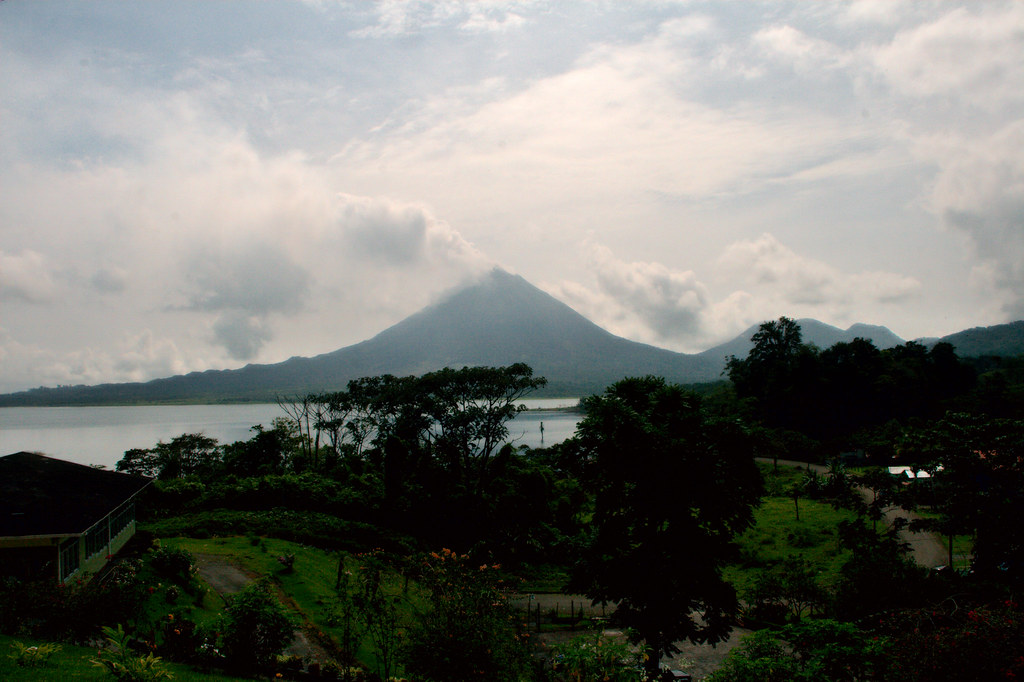
While climbing to Arenal’s summit is strictly prohibited for safety reasons, hikers can experience breathtaking views of the volcano’s crater from designated viewpoints along the trails. These vantage points reveal the volcano’s steep slopes, fumarolic vents emitting steam and gases, and the rugged lava fields below. The air carries a faint sulfur scent, and the ground occasionally vibrates with subtle volcanic activity. The panoramic landscapes include sweeping views of Lake Arenal and the surrounding rainforest, creating a dramatic and sensory-rich encounter with this active stratovolcano’s power and beauty.
Best Time to Trek Arenal Volcano
The ideal time to hike around Arenal Volcano is during the dry season, from February to April, when trails are less muddy and weather conditions are more stable. The rainy season, spanning May to January, brings heavy showers that can make volcanic terrain slippery and increase the risk of sudden weather changes. Early morning hikes are recommended to avoid afternoon rains and enjoy clearer views. Volcanic activity is continuously monitored, and trail access may be restricted during periods of increased risk. Visitors should check local advisories and park regulations before planning their trek.
Trekking Routes and Trail Options Around Arenal Volcano
Arenal Volcano National Park offers several well-maintained trails suitable for various fitness levels, all providing spectacular views and geological insights. The main sector features four primary trails:
Las Coladas Trail: Approximately 2 kilometers one-way, this moderate trail crosses historic lava flows from the 1968 eruption. It offers dramatic volcanic landscapes and multiple viewpoints.
El Ceibo Trail: A 3-kilometer loop through dense secondary rainforest, this trail showcases rich biodiversity and shaded paths, ideal for wildlife spotting.
Las Heliconias Trail: A short 600-meter connector trail linking the visitor center to Las Coladas, suitable for warming up.
Camino Vehicular (Vehicle Trail): A longer route accessible by 4×4 or on foot, leading to a viewpoint at the volcano’s base.
The Peninsula Sector, opened in 2017, includes:
Los Miradores Trail: A paved, accessible trail offering stunning views of Lake Arenal and the volcano, suitable for families and visitors with limited mobility.
El Tororoi Trail: A rainforest detour from Los Miradores, known for birdwatching opportunities.
Guided tours are widely available, providing expert naturalist insights and transportation from La Fortuna. Self-guided hikes are possible but require adherence to park rules and safety guidelines. Summit climbs are illegal and dangerous due to unstable terrain and volcanic hazards.

Difficulty Assessment of Arenal Volcano Hikes
Hiking around Arenal Volcano is classified as a moderate volcano trek. The terrain includes uneven volcanic rock, moderate elevation gains up to 300 meters, and rainforest trails that can be slippery during wet conditions. The altitude of 1,670 meters is not high enough to cause significant altitude sickness but may affect some hikers. No technical climbing skills or equipment are required, making the trails accessible to hikers with reasonable fitness and experience on uneven surfaces. Proper footwear and preparation for variable weather are essential to safely enjoy the hikes.
Essential Gear for Trekking Arenal Volcano
Key gear for hiking Arenal Volcano includes sturdy hiking boots with good grip to navigate volcanic rock and muddy rainforest trails. Trekking poles are recommended for stability on uneven terrain. Lightweight, breathable clothing with long sleeves and pants helps protect against insects and sun exposure. A rain jacket is essential during the rainy season. Sun protection such as a hat, sunglasses, and sunscreen is important due to limited shade on lava fields. Carry sufficient water and snacks for hydration and energy. Insect repellent is advised for rainforest sections. A headlamp may be useful for early morning or late afternoon hikes. Gas masks are not required as summit access is prohibited and volcanic gases are minimal at trail levels.
Safety and Volcanic Hazards at Arenal Volcano
Safety is paramount when hiking near an active volcano like Arenal. Summit access is permanently closed due to risks including unstable crater edges, rockfalls, toxic volcanic gases, and potential phreatic explosions. Visitors should stay on designated trails and heed park ranger warnings. Volcanic gases can accumulate near fumaroles but are generally not hazardous at trail elevations. Sudden weather changes, including heavy rain and wind, can increase trail slipperiness and risk of falls. Monitoring agencies continuously assess volcanic activity and may close trails if danger increases. Hikers should carry a first aid kit, inform others of their plans, and avoid hiking alone. Guided tours provide added safety through expert knowledge and real-time hazard awareness.
Permits, Guides, and Logistics for Hiking Arenal Volcano
Access to Arenal Volcano National Park requires an entrance fee, currently $15 USD plus tax for adult foreigners and $5 USD plus tax for children, payable by credit card at the park entrance. No special permits are needed beyond the park ticket. However, climbing to the summit is strictly prohibited for safety and conservation reasons.
Guided tours are highly recommended to enhance safety and enrich the hiking experience. Reputable local operators include Costa Rica Expeditions, Ecoterra Costa Rica, Arenal Volcano Costa Rica Tours, Costa Rica Jade Tours, JD Arenal Tours, and Happy to Visit. These companies offer comprehensive packages including transportation from La Fortuna, certified naturalist guides, and access to multiple trails around the volcano’s base and lava fields.
Tours typically range from 3 to 6 hours and cost approximately $70 to $120 USD per person, depending on inclusions such as meals, hot springs visits, or additional activities. Booking in advance is advised, especially during peak seasons.
Logistically, the park is about a 30-minute drive from La Fortuna, the main tourist hub with abundant accommodation and dining options. Public transport is limited; most visitors use private vehicles or tour transfers. The park has two main sectors: the Volcano Sector with lava flow trails and the Peninsula Sector with accessible paved trails and lake views. Both sectors require separate visits on the same day or separate days with additional entrance fees.
Visitors should arrive early to maximize daylight and avoid crowds. Facilities include a visitor center, restrooms, and a café at the Volcano Sector. Parking is free with park entry. Hiking independently is allowed on marked trails, but guided tours provide valuable geological and ecological insights and ensure compliance with safety regulations.
Overall, the combination of straightforward permit processes, expert local guides, and accessible logistics makes Arenal Volcano a well-supported destination for volcano trekking enthusiasts.
Where to Stay Near Arenal Volcano
La Fortuna is the primary base for exploring Arenal Volcano, offering a wide range of accommodations from budget hostels to luxury resorts. Its proximity—approximately 30 minutes by car to the national park entrance—makes it convenient for early starts and after-hike relaxation.
For luxury stays with spectacular volcano views, Nayara Springs and Nayara Gardens are top choices. Nayara Springs is an adults-only resort featuring private casitas with plunge pools fed by natural thermal springs, exquisite dining, and spa services. Nayara Gardens welcomes families and offers lush tropical gardens and comfortable amenities.
Arenal Observatory Lodge & Trails provides a unique experience closer to the volcano, surrounded by rainforest with on-site trails and wildlife viewing opportunities. The lodge features spacious rooms with volcano views, a swimming pool, and a restaurant serving local cuisine.
Volcano Lodge, Hotel & Thermal Experience is another excellent option near the volcano’s base, combining rustic charm with modern comforts, botanical gardens, and thermal pools heated by volcanic activity.
For mid-range and budget travelers, La Fortuna hosts numerous hotels, guesthouses, and eco-lodges such as Hotel Arenal Kioro, which offers private thermal springs and scenic grounds. Many accommodations provide shuttle services to the park and local attractions.
Amenities across these options typically include Wi-Fi, guided tour bookings, on-site dining, and wellness facilities. Staying in La Fortuna also grants easy access to other regional activities like hot springs, waterfalls, canopy tours, and wildlife excursions, making it an ideal hub for a comprehensive volcanic adventure.