
Sierra Negra Volcano Trekking Guide: Exploring Ecuador’s Massive Galápagos Shield Volcano
Discover the thrill of hiking Sierra Negra Volcano on Isabela Island, Ecuador. Explore one of the world’s largest volcanic craters, traverse recent lava flows, and witness unique Galápagos wildlife on this moderate 17 km guided trek.
Quick Volcano Snapshot
| Attribute | Value |
|---|---|
| Volcano type | Shield volcano |
| Elevation | 1124 meters |
| Location | Isabela Island, Galápagos Islands, Ecuador |
| Activity status | Active |
| Trekking difficulty | Moderate |
| Typical trek duration | 5-6 hours |
| Altitude gain | Approximately 200-300 meters |
| Terrain type | Lava fields, volcanic ash slopes, rocky paths, grassy and fern-covered vegetation |
| Best season | January to May (warmer and calmer seas), June to December (cooler with more marine life) |
| Temperature range | 15°C to 28°C (59°F to 82°F) |
| Permit requirement | Mandatory guided tour with certified Galápagos National Park guide |
The Experience of Hiking Sierra Negra Volcano
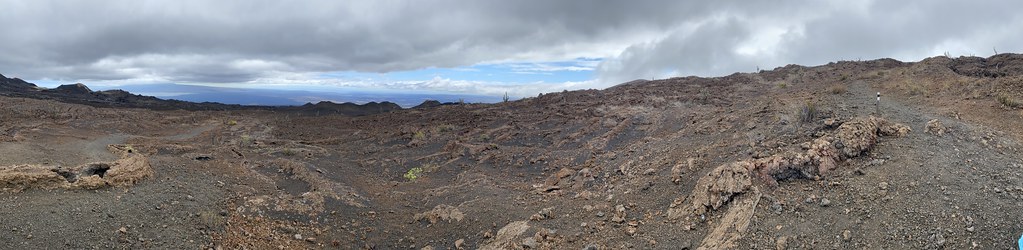
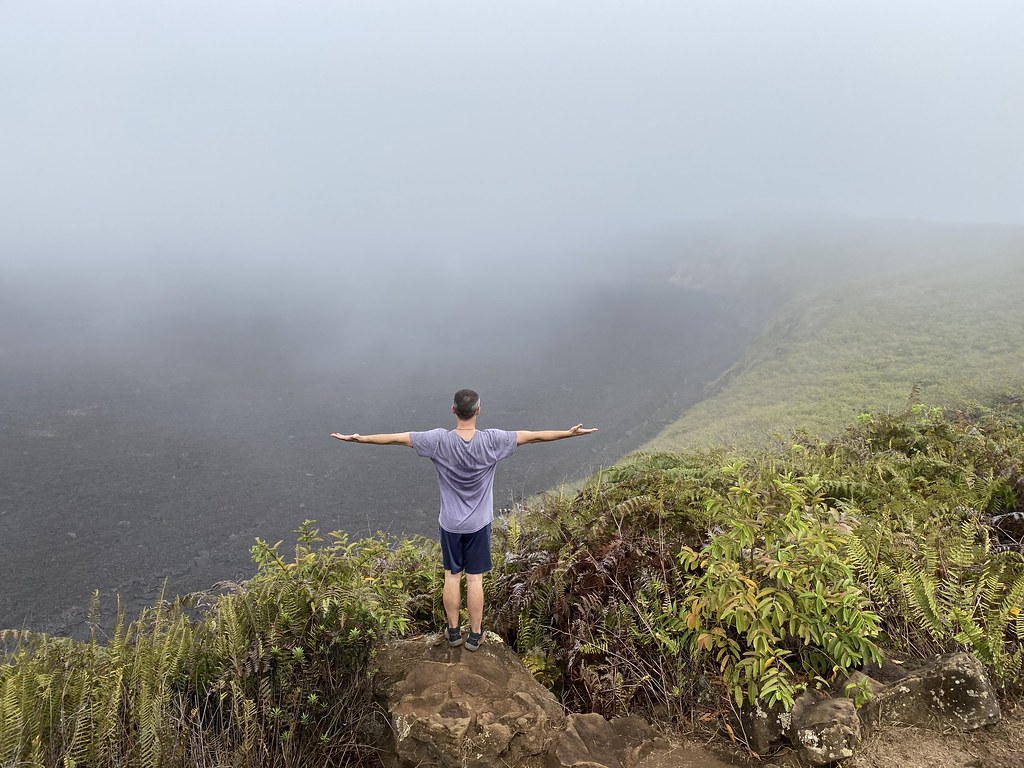
Approaching Sierra Negra Volcano, the landscape transforms into a surreal lunar-like terrain, where vast black lava fields stretch beneath a sky often veiled in mist. The immense caldera, one of the largest on Earth, dominates the horizon, inviting trekkers to explore its rugged rim. The contrast between the lush highland vegetation at the trail’s start and the stark volcanic desert near the summit creates a dynamic journey through time and nature. Reaching the crater’s edge, hikers are enveloped by the raw power of geological forces, with steaming fumaroles and fresh lava flows telling stories of recent eruptions. The emotional impact of standing on this active shield volcano is profound, offering a rare glimpse into the Earth’s fiery heart.
Geological Background of Sierra Negra Volcano
Sierra Negra is a massive shield volcano located on Isabela Island, the largest in the Galápagos archipelago. Formed by successive basaltic lava flows, its broad, gently sloping profile contrasts with the steeper stratovolcanoes found elsewhere. The volcano’s defining feature is its enormous caldera, approximately 10 kilometers wide and up to 300 feet deep, making it the second-largest volcanic crater globally. Sierra Negra has a history of frequent eruptions, with notable activity recorded in 2005 and as recently as 2018. These eruptions have shaped the landscape, creating fresh lava fields and volcanic formations such as pahoehoe and ‘a’a lava types. The caldera floor hosts active fumaroles and sulfur deposits, evidencing ongoing geothermal activity. This dynamic geology provides a living laboratory for understanding shield volcano processes and island formation in the Pacific.
Terrain and Hiking Experience on Sierra Negra Volcano
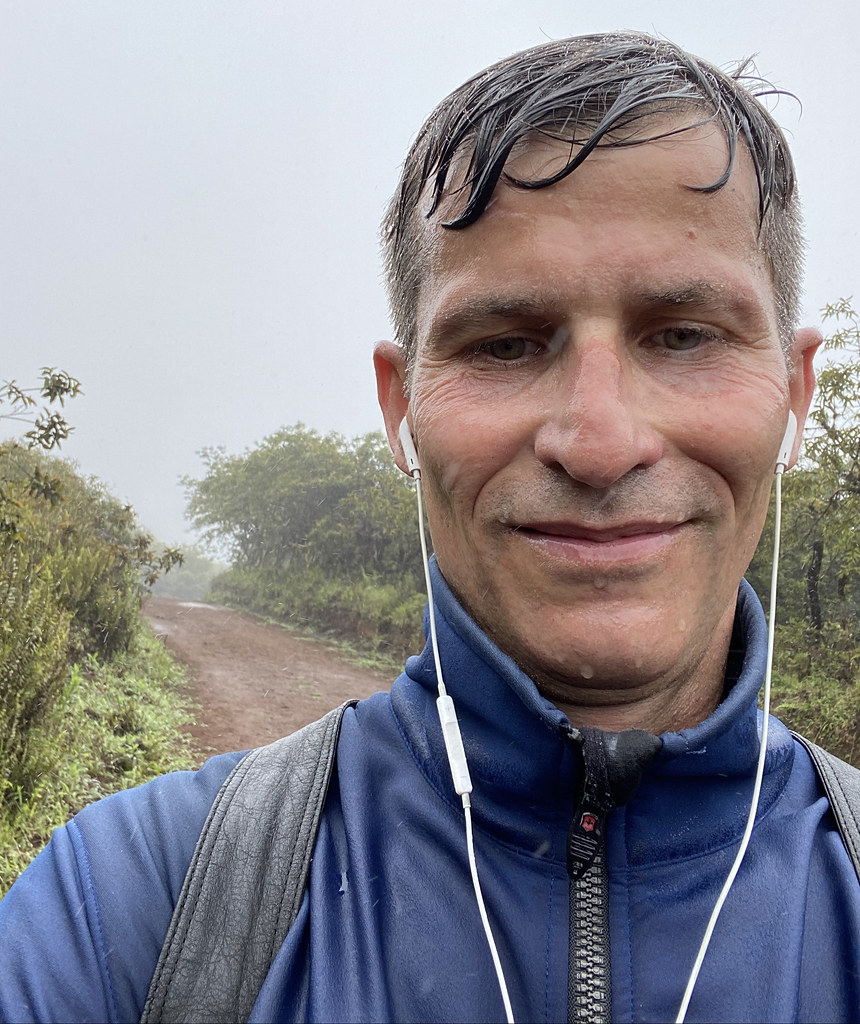
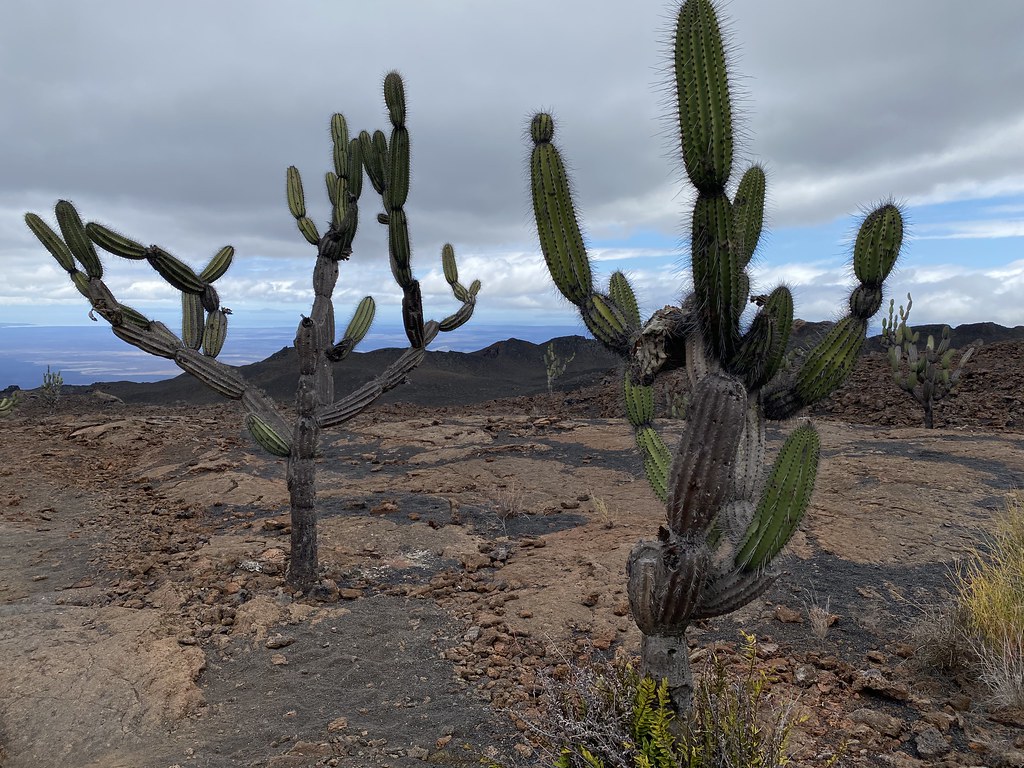
The Sierra Negra hike is a moderately challenging trek spanning approximately 17 kilometers round trip, typically completed within 5 to 6 hours. The trail begins at the park entrance near El Cura, accessible by a 30 to 45-minute drive from Puerto Villamil. Initially, hikers traverse lush highland forests rich with endemic flora such as ferns and Scalesia trees, and fauna including Darwin’s finches and Galápagos hawks. The terrain here is often muddy and uneven, requiring sturdy footwear and careful footing. As the trail ascends, the vegetation thins, giving way to open grassy slopes and volcanic scrub. The incline remains gradual but steady, with occasional steeper sections that test endurance. Approaching the caldera rim, the landscape shifts dramatically to barren lava fields and rocky outcrops formed by recent eruptions. The volcanic terrain includes rough ‘a’a lava, smooth pahoehoe flows, and loose volcanic ash, demanding attention to balance and pace. Wind exposure increases near the summit, and temperatures can fluctuate rapidly, making layered clothing essential. The trail offers panoramic views of the vast caldera, neighboring volcanoes, and the surrounding ocean. Along the rim, hikers encounter fumaroles emitting sulfurous steam and can observe geological features such as lava molds and fresh scoria deposits. The final segment often includes a visit to Volcán Chico, a cluster of smaller craters with active fumaroles and striking volcanic formations. The descent retraces the route, allowing hikers to appreciate the changing light and renewed perspectives on the volcanic landscape. Overall, the hike combines diverse ecosystems, challenging volcanic terrain, and spectacular vistas, providing a comprehensive and immersive trekking experience.
What Makes the Sierra Negra Volcano Trek Unique
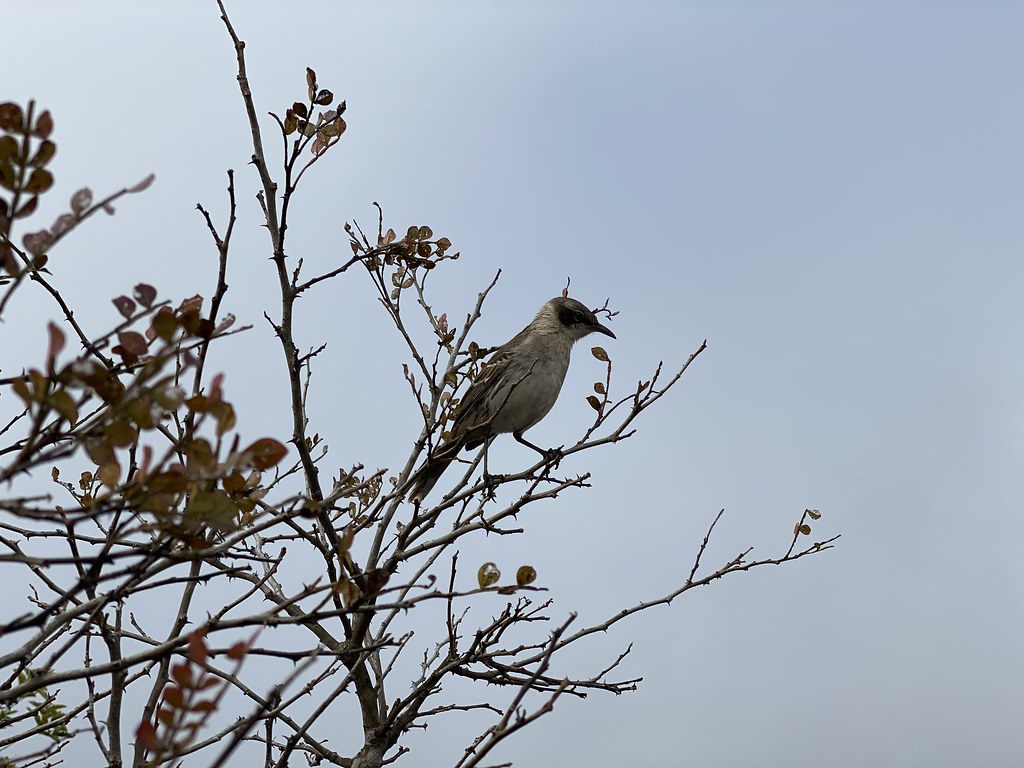
Sierra Negra stands out for its colossal caldera, one of the largest and deepest in the world, offering an unparalleled scale rarely seen in volcanic treks. The volcano’s recent activity, including the 2018 eruption, means hikers can witness fresh lava fields and active fumaroles, providing a vivid connection to ongoing geological processes. Unlike many volcanoes, Sierra Negra’s shield structure creates a broad, accessible summit area with diverse terrain ranging from lush forests to stark volcanic deserts. The Galápagos setting adds ecological uniqueness, with endemic wildlife such as giant tortoises, Galápagos hawks, and Darwin’s finches inhabiting the trail environment. The opportunity to explore Volcán Chico’s smaller craters and geothermal features further enriches the experience. Additionally, the requirement to hike with certified guides ensures safety and educational value, as guides share insights into the volcano’s geology, ecology, and cultural significance. This combination of geological grandeur, active volcanic phenomena, and rich biodiversity makes the Sierra Negra trek a singular adventure.
Summit and Crater Experience at Sierra Negra
Reaching the rim of Sierra Negra’s massive caldera is a moment of awe and reflection. The vast crater stretches nearly 10 kilometers across, its floor a patchwork of dark lava flows, steaming fumaroles, and sulfur deposits. The air carries a faint scent of sulfur, and the ground beneath occasionally radiates palpable geothermal heat. From the summit, panoramic views extend over Isabela Island’s volcanic peaks, the Pacific Ocean, and the surrounding Galápagos landscape. The crater’s scale and raw volcanic features evoke a sense of standing on a living planet, where the Earth’s internal forces are visible and tangible. Nearby, Volcán Chico’s smaller craters add geological intrigue, with their colorful mineral deposits and active vents. The summit area is often windy and cooler than lower elevations, inviting hikers to pause and absorb the powerful natural spectacle before beginning the descent.
Best Time to Trek Sierra Negra Volcano
The Galápagos Islands offer year-round trekking opportunities, but the best time to hike Sierra Negra depends on weather and wildlife considerations. The warmer, wetter season from January to May features calmer seas and lush vegetation, enhancing the highland forest sections of the trail. However, afternoon showers can make the trail muddy and slippery. The cooler, drier season from June to December brings more stable weather, cooler temperatures, and increased marine life activity, though the highlands may be drier and less verdant. Early morning hikes are recommended to avoid midday heat and to enjoy clearer views before clouds roll in. Volcanic activity is closely monitored by park authorities, and hikes are only permitted when conditions are safe. Visitors should check with local guides and park officials for current volcanic activity updates and any seasonal restrictions.
Trekking Routes and Trail Options on Sierra Negra
The primary route to Sierra Negra’s crater begins at the park entrance near El Cura, accessible by vehicle from Puerto Villamil. This trail covers approximately 17 kilometers round trip, with a moderate elevation gain of about 200 to 300 meters. The path is well-marked and maintained, suitable for hikers with moderate fitness levels. Guided tours typically include a stop at Volcán Chico, a cluster of smaller craters formed during eruptions in the 1970s, offering additional geological interest. Some tours offer horseback riding options for the initial ascent to reduce hiking distance. The trail traverses diverse ecosystems, starting in humid highland forest and progressing to open volcanic terrain. Alternative shorter routes may be available for visitors on cruise ships or with limited time, often involving transport partway up the volcano. All hikes require a certified Galápagos National Park guide, ensuring safety and enriching the experience with expert commentary. Group sizes are generally limited to 15 participants to maintain a personalized and environmentally responsible approach.
Difficulty Assessment of the Sierra Negra Trek
Sierra Negra is classified as a moderate volcano trek. The trail’s gradual incline and well-maintained path make it accessible to hikers with a reasonable level of fitness. The total distance of approximately 17 kilometers and the duration of 5 to 6 hours require endurance and preparation. Terrain challenges include uneven volcanic rock, loose ash, and occasional muddy sections in the highlands. Altitude is moderate at 1124 meters, posing minimal risk of altitude sickness but potentially affecting those sensitive to elevation changes. The hike does not require technical climbing skills or specialized equipment, but sturdy hiking boots and trekking poles are recommended for stability. Weather conditions, including strong equatorial sun and wind exposure near the summit, add to the physical demands. Overall, the trek is suitable for adventurous travelers comfortable with moderate physical activity and prepared for variable volcanic terrain.
Essential Gear for Hiking Sierra Negra Volcano
Proper preparation is key for a safe and enjoyable Sierra Negra hike. Essential gear includes sturdy, broken-in hiking boots with good grip to navigate rocky and uneven volcanic terrain. Trekking poles can provide additional stability on loose ash and steep sections. Lightweight, breathable clothing with moisture-wicking properties helps manage sweat and heat. A wide-brimmed hat, sunglasses, and high-SPF sunscreen are vital to protect against intense equatorial sun exposure, as shade is limited on upper slopes. Layered clothing, including a windproof jacket or rain poncho, prepares hikers for sudden weather changes and cooler temperatures near the summit. Carrying at least 2 liters of water is critical to stay hydrated during the 5 to 6-hour trek. A packed lunch or snacks provide energy for the long hike. A small first aid kit, insect repellent, and a camera to capture the stunning landscapes are also recommended. Finally, hikers must be accompanied by a certified guide, who provides safety equipment and expert knowledge.
Safety and Volcanic Hazards on Sierra Negra Volcano
While Sierra Negra is an active volcano, safety is a top priority for visitors. The Galápagos National Park closely monitors volcanic activity, and hiking is only permitted when conditions are deemed safe. Certified guides maintain communication with park authorities and are trained to respond to emergencies. Potential hazards include exposure to volcanic gases such as sulfur dioxide near fumaroles, which can irritate the respiratory system; hikers with asthma or respiratory conditions should take precautions. The terrain includes unstable crater edges, loose volcanic rocks, and uneven lava fields, requiring careful footing and attention. Sudden weather changes, including strong winds and rain, can increase risks of slips and hypothermia. Visitors should follow all park regulations, stay on marked trails, and heed guide instructions. Emergency protocols are in place, but hikers should carry basic first aid supplies and inform guides of any medical conditions. Overall, the combination of vigilant monitoring and guided tours ensures a safe trekking experience.
Permits, Guides, and Logistics for Sierra Negra Volcano Trek
Hiking Sierra Negra Volcano requires adherence to strict regulations to protect the environment and ensure visitor safety. Access is only allowed with a certified Galápagos National Park guide, who manages group sizes (typically limited to 15) and provides expert knowledge on geology and ecology. Permits are included as part of guided tour packages; independent hiking without a guide is prohibited. Visitors must pay the Galápagos National Park entrance fee (currently US$100) and an additional Isabela port fee (US$10), payable upon arrival in cash. Several reputable tour operators offer comprehensive Sierra Negra hiking experiences departing from Puerto Villamil, including Ecuador Trails, GISlands Tours, The Abroad Guide, Power Traveller, and Happy to Visit. These tours typically include hotel pickup, transportation to the trailhead, certified naturalist guides fluent in English and Spanish, box lunches, and necessary park fees. The hike covers approximately 17 km round trip with moderate difficulty, requiring a good fitness level. Booking in advance is recommended, especially during peak seasons (June-August and December-January). Safety protocols are strictly enforced, and tours are canceled or rescheduled if volcanic activity or weather conditions pose risks. Visitors should prepare with appropriate gear and inform operators of any health concerns. Overall, the guided permit system ensures a safe, educational, and environmentally responsible trekking experience.
Where to Stay Near Sierra Negra Volcano
Puerto Villamil, the main town on Isabela Island, serves as the primary base for hiking Sierra Negra Volcano. Accommodation options range from budget hostels to mid-range hotels, providing convenient access to the trailhead and local amenities. Hotel Sierra Negra is a popular choice, located just 0.2 km from the town center and close to the beach. This 3-star hotel offers comfortable rooms with ocean views, complimentary WiFi, air conditioning, and a tour desk to assist with booking Sierra Negra hikes and other island excursions. Guests appreciate its tranquil beachfront setting and proximity to restaurants and shops. Other lodging options include Scalesia Lodge, which offers upscale accommodations with eco-friendly programs and personalized land-based tours. Many hotels provide pickup services for hiking tours, simplifying logistics. Staying in Puerto Villamil allows visitors to explore additional attractions such as the Concha de Perla Nature Park and local wildlife reserves. Given the island’s limited infrastructure, early booking is advised, especially during peak travel seasons. Overall, Puerto Villamil offers a welcoming and convenient base for adventurers seeking to explore Sierra Negra and the Galápagos’ volcanic wonders.