
Mount Kerevat Volcano Trekking Guide: Exploring Papua New Guinea’s Active Stratovolcano
Mount Kerevat, an active stratovolcano in New Britain, Papua New Guinea, offers adventurous trekkers a unique journey through volcanic landscapes marked by fumaroles and hot springs. This guide covers the geological background, trekking terrain, routes, safety, permits, accommodations, and more for an unforgettable volcano hiking experience.
Quick Volcano Snapshot
| Attribute | Value |
|---|---|
| Volcano type | Stratovolcano |
| Elevation | Approximately 900 meters |
| Location | New Britain, Papua New Guinea |
| Activity status | Active |
| Trekking difficulty | Moderate |
| Typical trek duration | 1-3 days |
| Altitude gain | Moderate |
| Terrain type | Volcanic rock, ash slopes, forest trails |
| Best season | May to October (dry season) |
| Temperature range | 15°C to 28°C |
| Permit requirement | Required; permits obtained through local authorities or tour operators |
Introduction: The Experience of Hiking Mount Kerevat
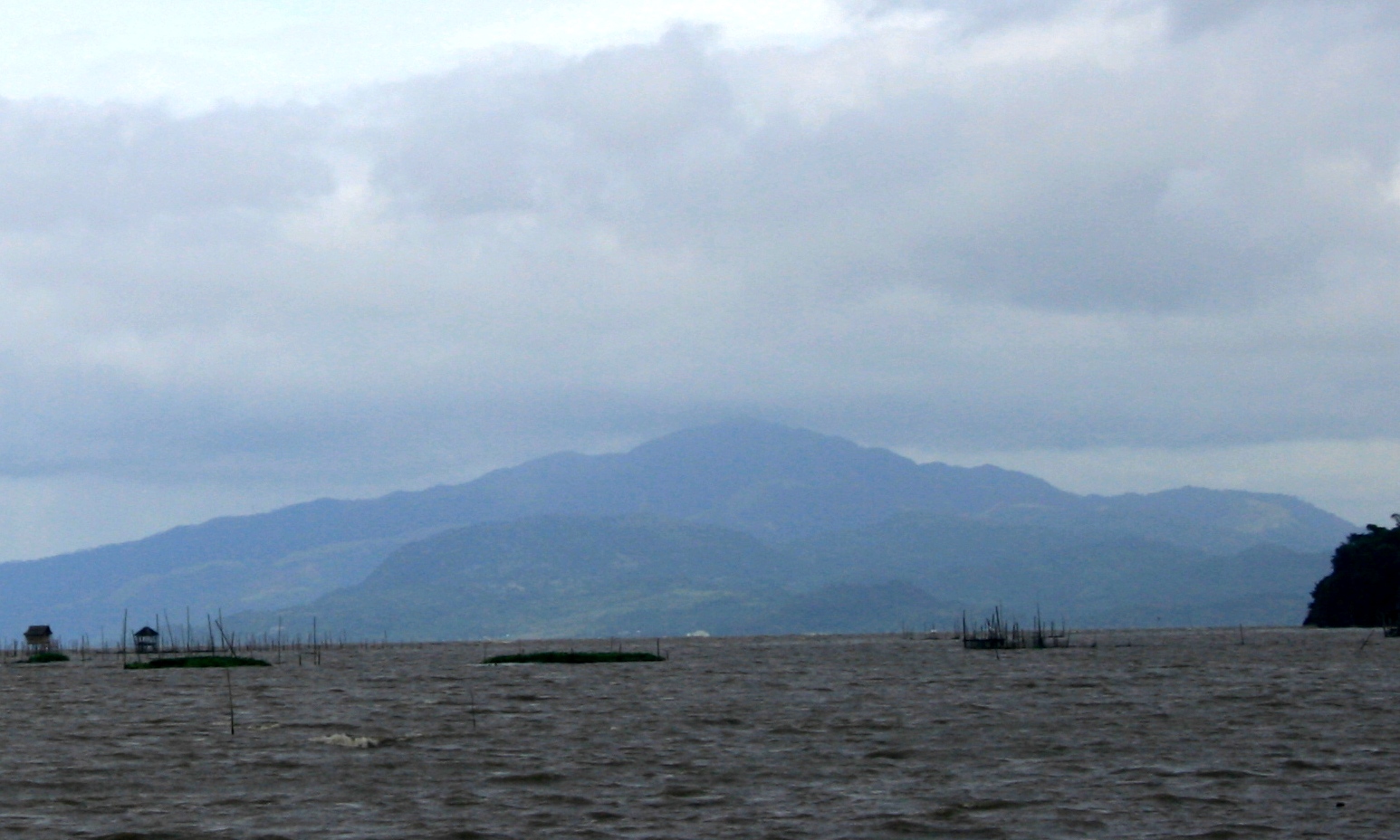
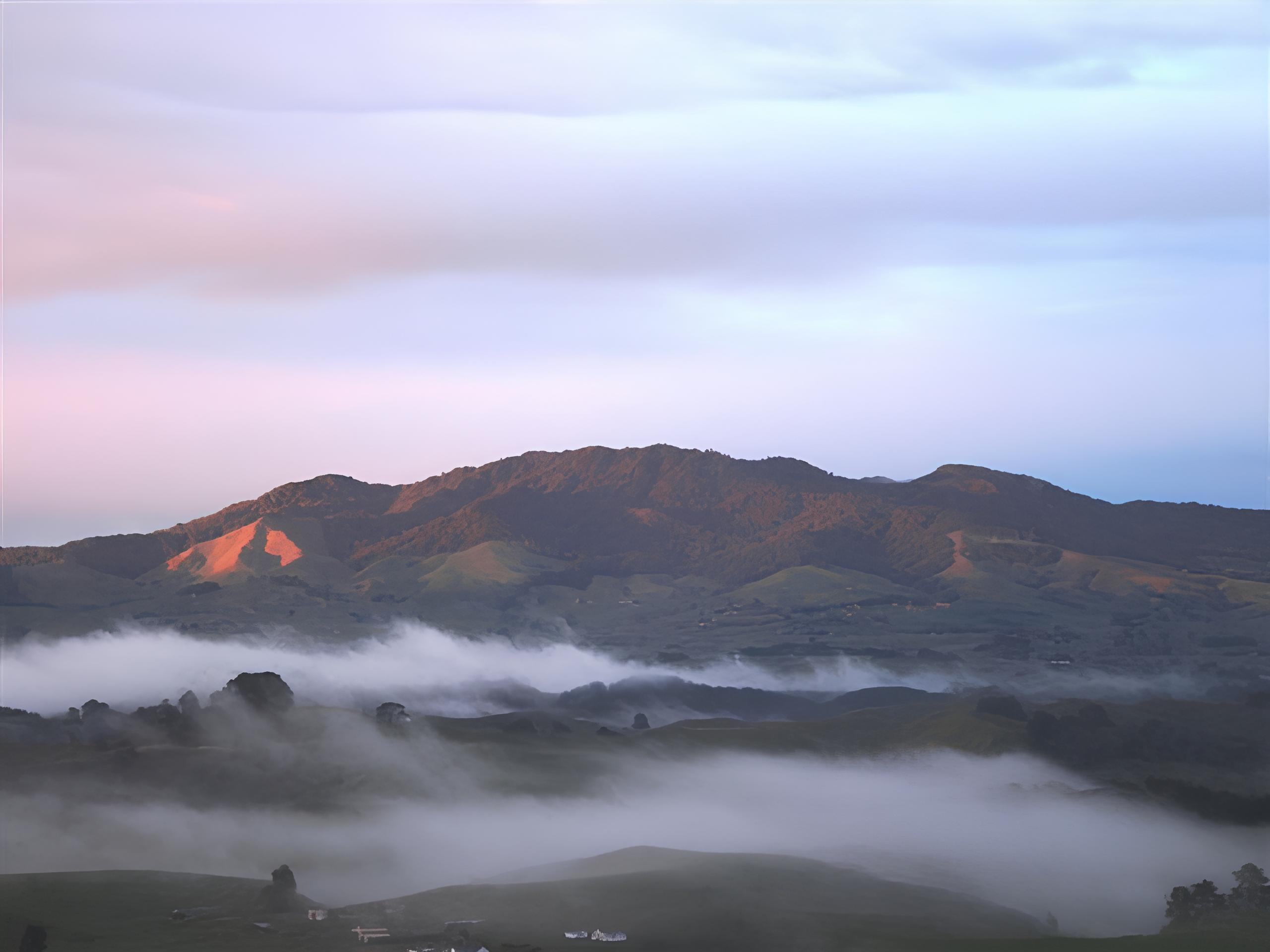
Approaching Mount Kerevat, trekkers are immediately struck by the dramatic contrast between the lush tropical forests of New Britain and the stark, rugged volcanic slopes. The air carries a faint sulfurous scent, hinting at the active fumaroles and hot springs that mark this stratovolcano’s restless nature. Hiking here is an immersive encounter with the raw power of the Earth, where every step reveals layers of geological history etched in volcanic rock and ash. Reaching the summit rewards adventurers with sweeping panoramic views of the surrounding valleys and distant peaks, a humbling reminder of nature’s grandeur and volatility.
Geological Background of Mount Kerevat
Mount Kerevat is a stratovolcano located on the island of New Britain in Papua New Guinea, part of the geologically active Pacific Ring of Fire. Stratovolcanoes like Kerevat are characterized by steep, conical shapes formed from layers of hardened lava, tephra, and volcanic ash. This volcano has a history of eruptions that have shaped the surrounding landscape, leaving behind lava flows and ash deposits. Active fumaroles and hot springs near the summit indicate ongoing subterranean volcanic activity, releasing gases such as sulfur dioxide. The volcano’s geology includes unique mineral deposits and fumarolic formations, offering a fascinating study site for volcanologists and adventurous trekkers alike. Its activity status remains active, with monitoring essential for safety.
The Volcano Trek: Terrain and Hiking Experience
Trekking Mount Kerevat presents a moderately challenging adventure through diverse volcanic terrain. The trail begins in dense tropical forest, where humidity and thick vegetation create a lush environment contrasting sharply with the barren volcanic slopes above. As hikers ascend, the path transitions to loose volcanic ash and pumice, demanding careful footing to navigate the slippery, unstable ground. Steep ash slopes require endurance and steady balance, while sections of rugged lava rock call for scrambling skills. The terrain’s volcanic nature means hikers encounter sharp rocks and uneven surfaces, making sturdy hiking boots essential. Altitude gain is moderate but noticeable, with temperatures cooling as elevation increases. Wind conditions near the summit can be brisk, adding to the challenge. The trail offers occasional exposure along ridges, providing dramatic views but requiring caution. The presence of fumaroles and hot springs adds a sensory dimension, with the smell of sulfur and occasional steam vents punctuating the hike. Overall, the trek combines physical challenge with rich geological and sensory experiences, rewarding hikers with solitude and spectacular vistas rarely found on more frequented paths.
What Makes the Mount Kerevat Trek Unique
Mount Kerevat stands out for its active volcanic features nestled within the remote landscapes of Papua New Guinea’s New Britain. Unlike many volcano treks, Kerevat offers direct encounters with fumaroles and natural hot springs, providing a vivid glimpse into the volcano’s ongoing activity. The trail’s solitude and limited tourist traffic allow trekkers to experience an unspoiled environment, rich in both natural beauty and cultural significance. The combination of tropical rainforest at the base and stark volcanic terrain near the summit creates a striking ecological transition. Additionally, the panoramic views from the summit encompass surrounding volcanic peaks and lush valleys, offering a unique perspective on this geologically dynamic region. The trek’s cultural context, with nearby indigenous communities and traditional lifestyles, adds depth to the adventure.
The Summit and Crater Experience
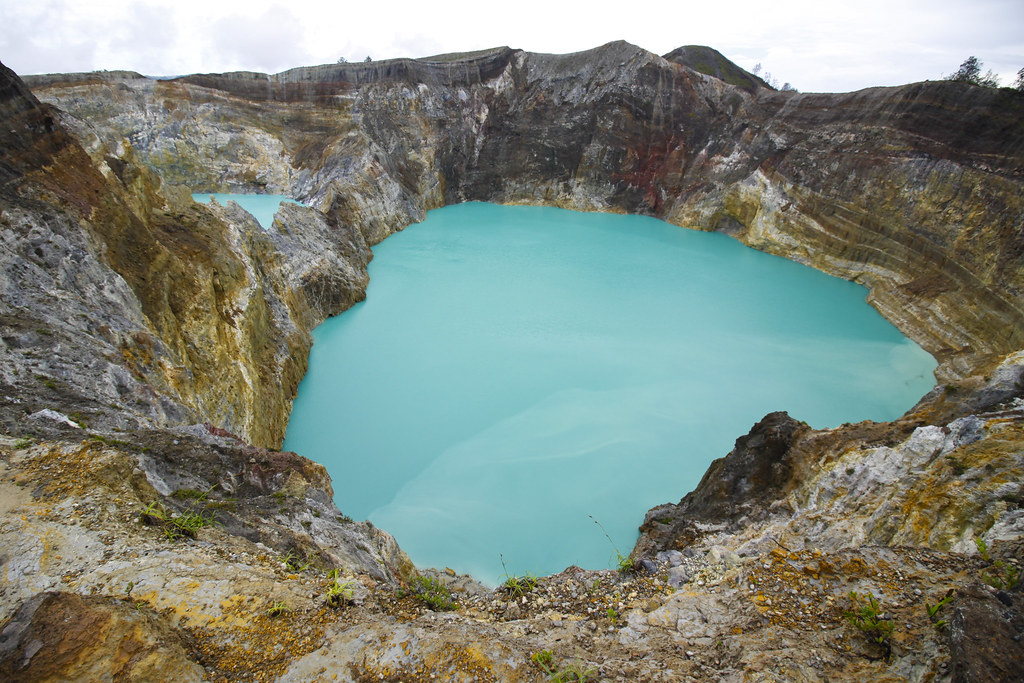
Reaching Mount Kerevat’s summit is a moment of profound awe. The crater area reveals steaming fumaroles emitting sulfurous gases, their hissing sounds and warm breath a reminder of the volcano’s restless heart. The air carries a distinctive sulfur scent, mingling with the fresh mountain breeze. From the crater rim, trekkers can gaze across a rugged volcanic landscape, with jagged lava flows and distant peaks stretching to the horizon. The panoramic views include verdant valleys below and the vast expanse of New Britain’s mountainous terrain. The summit’s exposed position invites strong winds, heightening the sense of isolation and raw natural power. This sensory experience—combining sight, sound, and smell—immerses hikers in the living geology of Mount Kerevat.
Best Time to Trek Mount Kerevat
The ideal time to trek Mount Kerevat is during Papua New Guinea’s dry season, from May to October. During these months, rainfall is minimal, trails are more stable, and visibility is generally clearer, enhancing summit views. The dry season also reduces the risk of slippery ash slopes and muddy forest paths. Trekking outside this window, especially during the monsoon months from November to April, can expose hikers to heavy rains, increased landslide risk, and challenging trail conditions. Additionally, volcanic activity is monitored year-round, and trekkers should check for any advisories or temporary closures. Early morning starts are recommended to avoid afternoon heat and potential weather changes, while also allowing for safer descent in daylight.
Trekking Routes and Trail Options on Mount Kerevat
Mount Kerevat offers a primary trekking route starting from the base village accessible via local roads from Rabaul or Kokopo. The trailhead begins in tropical forest, gradually ascending through mixed terrain to the volcanic slopes. The standard route is a moderately paced 1-3 day trek, depending on the itinerary and fitness level. Trekkers can choose a day hike to the summit or extend the journey with overnight camping near the crater or at designated base camps. Guided tours often include cultural visits to nearby indigenous villages, enriching the experience. The trail is well-defined but rugged, with no alternative major routes due to the volcano’s terrain and vegetation. Self-guided trekking is possible but not recommended without local knowledge or guides due to navigation challenges and safety considerations. Tour operators provide logistical support, including porters and camping equipment, facilitating a safer and more comfortable trek.
Difficulty Assessment of Mount Kerevat Trek
Mount Kerevat is classified as a moderate volcano trek. The terrain includes steep ash slopes and rocky sections requiring good physical fitness and sure-footedness. Altitude is moderate, reducing risks of severe altitude sickness, but the tropical climate and volcanic terrain add to the challenge. No technical climbing skills or equipment are necessary, but hikers should be prepared for uneven, loose surfaces and variable weather. The trek suits experienced hikers comfortable with moderate elevation gain and volcanic landscapes. Beginners with good fitness may attempt the trek with a guide. Overall, the trek demands endurance, balance, and awareness of volcanic hazards.
Essential Volcano Trekking Gear for Mount Kerevat
Key gear for trekking Mount Kerevat includes sturdy hiking boots with strong grip to handle loose volcanic ash and rocky terrain. Trekking poles are recommended for stability on steep slopes. Lightweight, breathable clothing suitable for tropical climates is essential, along with a windproof jacket for summit winds. A headlamp is useful for early starts or late finishes. Due to active fumaroles, carrying a gas mask or respirator can protect against sulfur gases if concentrations increase. Sun protection—hat, sunglasses, and sunscreen—is critical as shade is limited on volcanic slopes. Hydration systems and water purification methods are necessary for remote trekking. A first aid kit, insect repellent, and emergency communication device enhance safety.
Safety and Volcanic Hazards on Mount Kerevat
Trekking Mount Kerevat involves inherent volcanic risks. Active fumaroles emit sulfur dioxide and other gases that can irritate eyes and lungs; hikers should monitor gas levels and avoid vent areas if concentrations rise. The terrain includes unstable ash slopes and loose volcanic rock, increasing the risk of slips and falls. Crater edges may be fragile and unstable, requiring caution near rims. Sudden weather changes can reduce visibility and trail safety. Although eruptions are infrequent, monitoring by local volcanic observatories is essential, and trekkers should heed official warnings and avoid the volcano during heightened activity. Guides and tour operators maintain communication with authorities to ensure timely updates. Emergency evacuation plans should be in place. Overall, awareness, preparation, and adherence to safety protocols are vital for a secure trekking experience.
Permits, Guides, and Logistics for Mount Kerevat Trekking
Trekking Mount Kerevat requires obtaining permits from local authorities, typically facilitated by tour operators. Permits help regulate access and ensure safety compliance. Costs vary but generally include park entry and guide fees. Several reputable operators specialize in Papua New Guinea volcano treks, including New Guinea Natural Tours, STS Tour Manager, Intrepid Travel, No Roads Expeditions, Flynn’s Tours, and Young Pioneer Tours. These companies provide comprehensive packages covering permits, local guides, porters, camping equipment, and cultural experiences. Guides are highly recommended due to the remote location, challenging terrain, and need for navigation expertise. Logistics involve travel to New Britain via Rabaul or Kokopo, with local transport arranged to trailheads. Accommodation before and after the trek is available in nearby towns. Communication with operators well in advance is advised to secure permits and plan itineraries. Safety briefings and volcanic activity updates are integral parts of guided tours, ensuring a well-organized and secure adventure.
Where to Stay and Nearby Bases for Mount Kerevat Trek
Accommodation options near Mount Kerevat are primarily centered around the town of Rabaul and the nearby city of Kokopo on New Britain Island. The iconic Rabaul Hotel offers modern air-conditioned rooms, an international restaurant, and amenities such as a swimming pool, making it a comfortable base for trekkers. Located within walking distance of Simpson Harbour, it provides convenient access to local transport and tour operators. In Kokopo, several guesthouses and lodges cater to travelers seeking proximity to the volcano trailheads. While there are no lodges directly on the volcano, local villages near the trailhead offer basic homestay experiences for cultural immersion. Camping near the volcano is common during multi-day treks, with guides providing necessary equipment. For those seeking more comfort, accommodations in Rabaul and Kokopo include restaurants, secure parking, and tour booking services. Early booking is recommended due to limited availability. These bases serve as logistical hubs for arranging transport, permits, and guided treks to Mount Kerevat.