
Mount Usu Volcano Trekking Guide: Exploring Hokkaido’s Active Stratovolcano
Mount Usu, an active stratovolcano in Hokkaido, Japan, offers a compelling trekking experience with panoramic views of Lake Toya and volcanic craters. This guide covers geological insights, hiking terrain, routes, safety, permits, and nearby accommodations for adventurers seeking to explore one of Japan’s most dynamic volcanoes.
Quick Volcano Snapshot
| Attribute | Value |
|---|---|
| Volcano type | Stratovolcano |
| Elevation | 732 meters |
| Location | Hokkaido, Japan |
| Activity status | Active |
| Trekking difficulty | Moderate |
| Typical trek duration | 3-5 hours |
| Altitude gain | Approximately 400 meters |
| Terrain type | Lava domes, ash slopes, volcanic rock, forest trails |
| Best season | Late April to mid-November |
| Temperature range | 0°C to 20°C depending on season |
| Permit requirement | No special permit required; ropeway ticket and park fees apply |
The Experience of Hiking Mount Usu
Approaching Mount Usu, the landscape unfolds with raw volcanic power and serene natural beauty. The contrast between the rugged, steaming crater and the tranquil blue waters of Lake Toya creates a dramatic scene. Hiking here immerses you in a world shaped by fiery eruptions, where the earth’s energy is palpable. The ascent rewards trekkers with sweeping views of volcanic domes, smoke rising from fumaroles, and the vast caldera lake below. The crisp mountain air, the scent of sulfur, and the sight of volcanic terrain evoke a profound connection to the planet’s dynamic forces.
Geological Background of Mount Usu
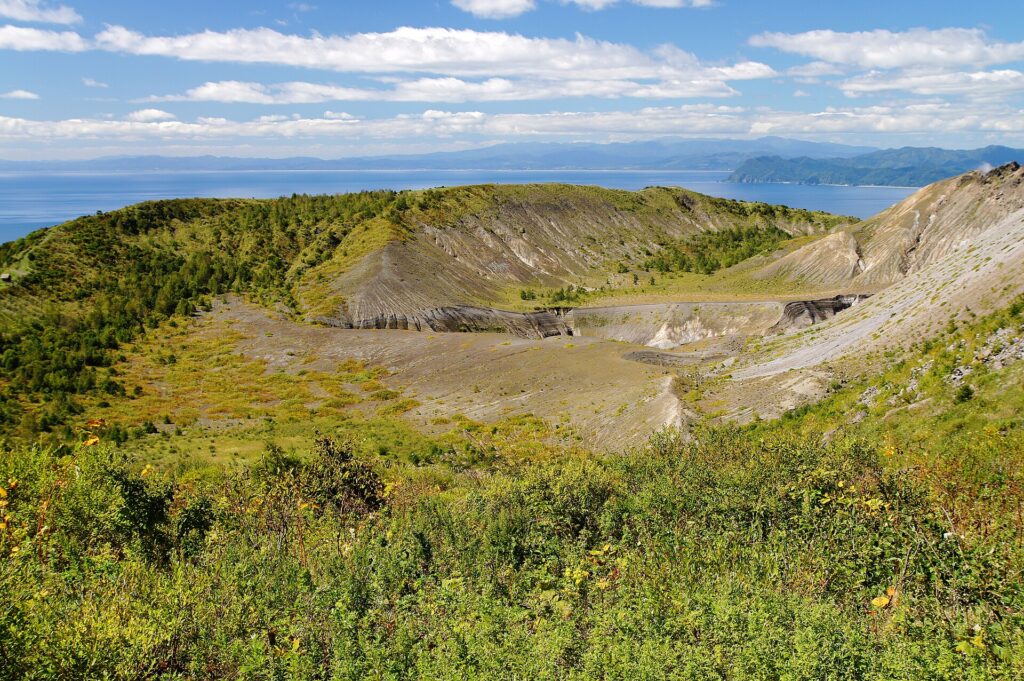
Mount Usu is a stratovolcano that has been active for approximately 20,000 years. It is part of the Toya Caldera and Usu Volcano UNESCO Global Geopark, recognized for its significant geological history. The volcano has erupted four times in the 20th century—in 1910, 1944-1945, 1977-1978, and most recently in 2000. These eruptions have shaped the landscape dramatically, creating new craters and lava domes such as the nearby Showa-Shinzan, which emerged in 1943. The volcano’s craters emit fumarolic gases and steam, and the terrain features reddish-brown volcanic rocks and ash deposits. The area is a vivid example of volcanic activity’s power to reshape the earth’s surface, with ongoing geothermal activity evident at the summit.
Terrain and Hiking Experience on Mount Usu
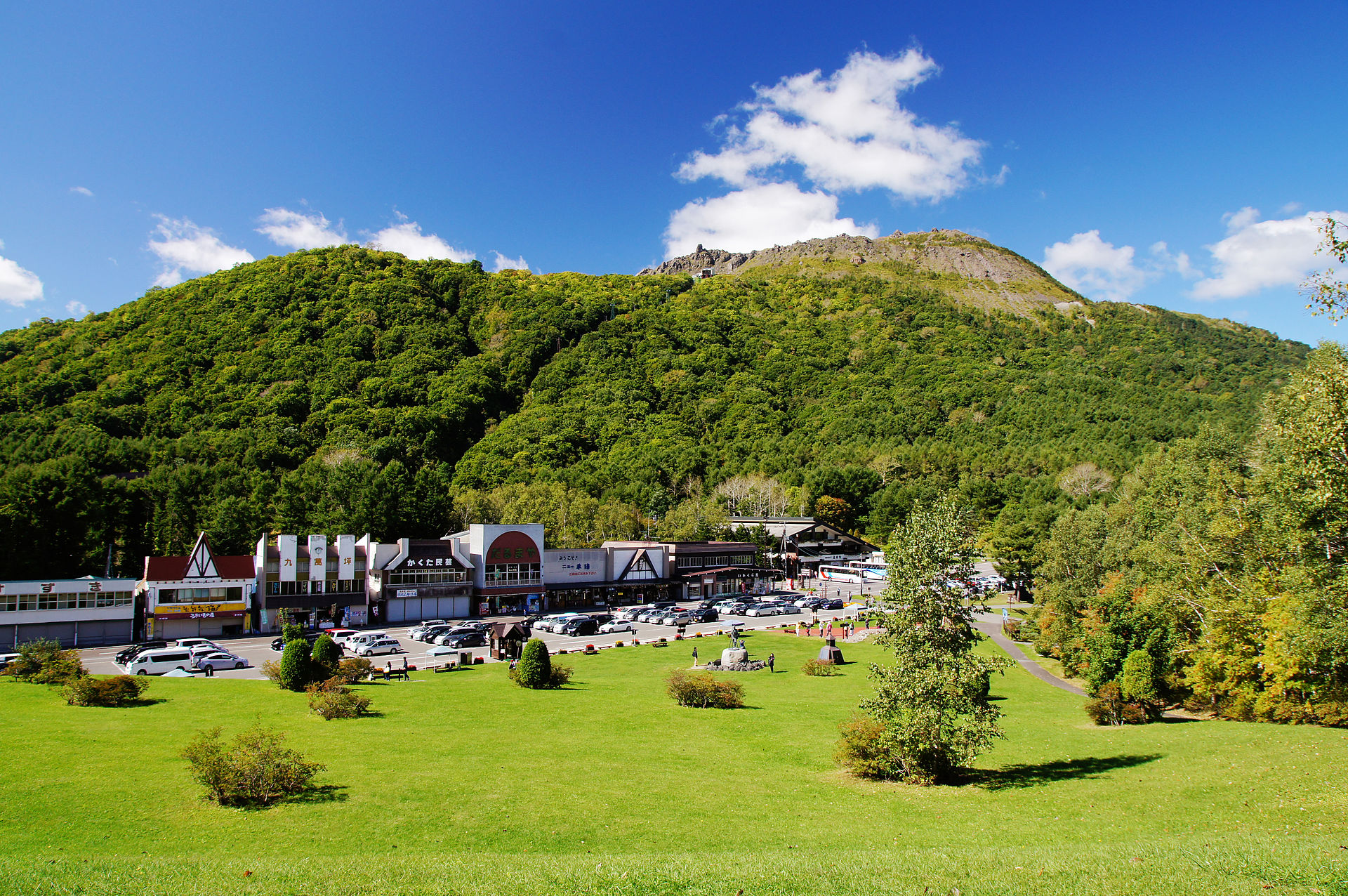
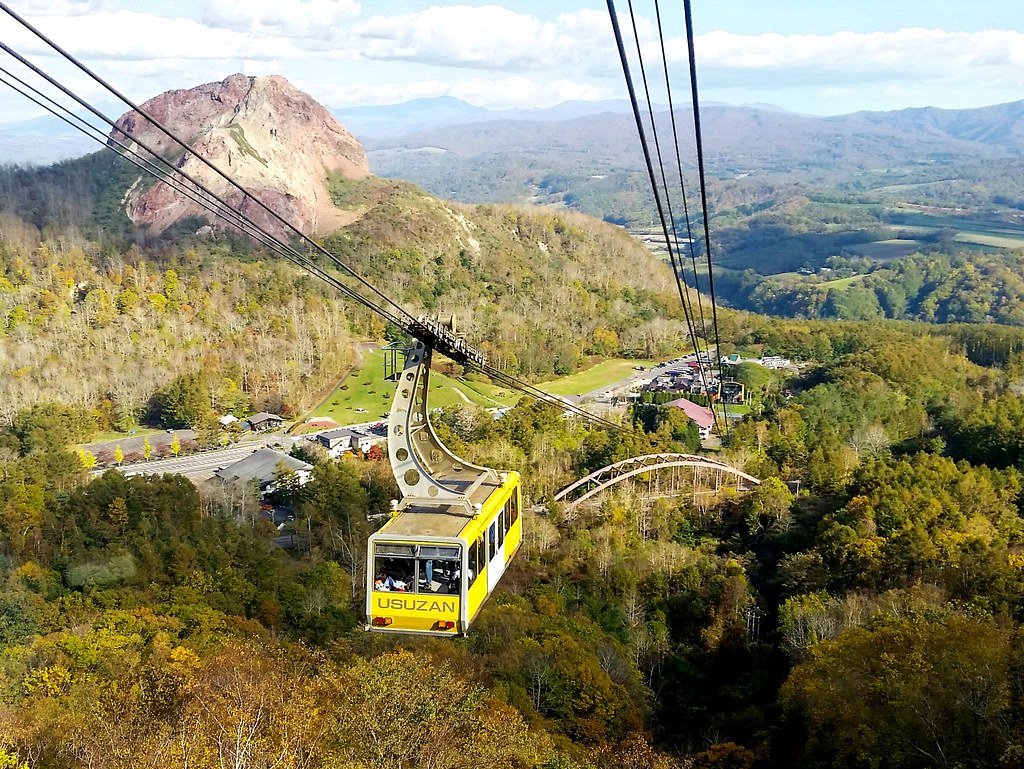
Hiking Mount Usu offers a varied terrain that challenges and delights trekkers. The journey typically begins at the Usuzan Ropeway summit station, which ascends 1,377 meters in about six minutes, providing immediate panoramic views of the crater and Lake Toya. From here, the trail follows the outer crater rim, featuring wooden boardwalks and stairs that navigate the rugged volcanic landscape. The terrain includes loose volcanic ash, hardened lava rock, and patches of forested paths, requiring steady footing and moderate fitness.
Trekkers encounter steep slopes composed of volcanic ash and pumice, which can be slippery and demand careful steps. The trail also passes through areas with exposed volcanic rock formations and fumaroles emitting steam and sulfurous gases, adding to the sensory experience. Wind conditions near the summit can be brisk and chilly, especially outside summer months, so layered clothing is essential.
The hike offers a mix of gentle inclines and steeper sections, with an altitude gain of approximately 400 meters from the ropeway station to the crater rim. The path is well-marked and maintained, suitable for hikers with moderate experience. Along the way, hikers can observe the aftermath of past eruptions, including new craters formed in 2000 and erosion control structures.
The trail’s diversity—from forested areas to barren volcanic plains—provides a dynamic hiking experience. The volcanic terrain’s loose scree and ash require trekking poles for added stability, especially during descent. The hike’s moderate difficulty level makes it accessible to many, yet the volcanic environment offers a unique challenge and a chance to witness active geological processes up close.
What Makes the Mount Usu Trek Unique
Mount Usu stands out for its status as one of Japan’s most active volcanoes, with recent eruptions shaping its landscape dramatically. The proximity to Lake Toya, a caldera lake formed by a massive eruption 110,000 years ago, adds to the trek’s uniqueness. The presence of the Showa-Shinzan lava dome, which emerged during the 1940s, offers a rare opportunity to observe a relatively young volcanic formation.
The trek combines natural beauty with geological wonder, allowing hikers to witness steaming craters, fumaroles, and sulfur deposits firsthand. The ropeway access to the summit station provides spectacular aerial views of the volcanic terrain and surrounding Pacific Ocean. The ever-changing landscape, shaped by eruptions and erosion, ensures that each visit reveals new features.
Additionally, the area’s UNESCO Global Geopark status highlights its global geological significance. Visitors can engage with educational exhibits and interpretive centers that deepen understanding of volcanic processes. The blend of active volcanic phenomena, scenic vistas, and cultural appreciation makes Mount Usu a distinctive destination for volcano trekking enthusiasts.
Summit and Crater Experience at Mount Usu
Reaching the summit observation deck of Mount Usu is a moment of awe and sensory immersion. From this vantage point, hikers gaze over the expansive crater plain, where white steam rises continuously from fumaroles. The sulfurous scent permeates the air, mingling with the crisp mountain breeze. The ground beneath often radiates geothermal warmth, a tangible reminder of the volcano’s restless nature.
The panoramic views extend over the deep blue waters of Lake Toya and the distant Pacific Ocean, framed by the rugged volcanic landscape. The sight of the Showa-Shinzan lava dome, still steaming and glowing faintly in cooler months, adds dramatic contrast. The soundscape includes the subtle hiss of escaping gases and the rustle of wind, enhancing the feeling of standing on a living, breathing mountain.
Best Time to Trek Mount Usu
The optimal trekking season for Mount Usu spans from late April to mid-November, coinciding with the ropeway’s operational period. During these months, weather conditions are generally stable, with mild temperatures ranging from 0°C in early spring and late autumn to around 20°C in summer. Autumn is particularly favored for its vibrant foliage, which contrasts beautifully with the volcanic terrain.
Winter months bring heavy snow and cold temperatures, rendering trails and the ropeway inaccessible. Spring and autumn offer crisp air and clear skies, ideal for panoramic views. Summer provides warmer weather but can be accompanied by occasional rain and stronger winds near the summit.
Volcanic activity is continuously monitored, and access may be restricted temporarily during heightened alert levels. Visitors should check local advisories and park notifications before planning their trek. Sunrise climbs are possible but require preparation for cold temperatures and limited daylight. Overall, the late spring to early autumn window offers the safest and most rewarding trekking conditions.
Trekking Routes and Trail Options on Mount Usu
Mount Usu offers several trekking routes catering to different preferences and fitness levels. The most popular approach begins at the Usuzan Ropeway summit station, which ascends rapidly to 732 meters elevation. From the summit station, hikers follow the Outer Rim Trail, a well-maintained path featuring stairs and wooden boardwalks that circle the crater rim. This trail provides close-up views of fumaroles, volcanic rock formations, and panoramic vistas of Lake Toya and the Pacific Ocean. The loop typically takes 2 to 3 hours to complete.
For those seeking a longer hike, the Kompirayama Walking Trail starts at the Toyako Visitor Center in Toyako Onsen and leads to the Nishiyama parking lot. This 40-minute trail passes ruins of buildings destroyed in the 2000 eruption, erosion control dams, and two large craters. From Nishiyama parking lot, the Nishiyama Crater Walking Trail extends further to additional craters and volcanic features, offering a deeper exploration of the eruption’s impact.
Guided tours are available from local operators such as Nobo Tours and The Abroad Guide, which include transportation, expert commentary, and optional hiking poles. These tours often combine the hike with visits to Lake Toya viewpoints and volcanic exhibitions. Self-guided hikers can access detailed maps and information at the Toya-Usu UNESCO Global Geopark visitor centers.
The ropeway provides an accessible option for those preferring to avoid a strenuous ascent, while the walking trails offer immersive experiences for moderate-level trekkers. Seasonal closures and weather conditions may affect trail availability, so checking current status before visiting is recommended.
Difficulty Assessment of Mount Usu Trek
Mount Usu is classified as a moderate volcano trek. The terrain includes steep ash slopes, loose volcanic rock, and some stair sections, requiring a reasonable level of fitness and sure-footedness. The altitude is relatively low at 732 meters, so altitude sickness is generally not a concern.
The trail’s moderate difficulty is suitable for hikers with some experience in uneven terrain and volcanic environments. The use of trekking poles is recommended to navigate loose scree and maintain balance on slippery ash surfaces. Weather conditions, especially wind and temperature fluctuations near the summit, can add to the challenge.
Technical climbing skills are not required, and the trails are well-marked and maintained. However, hikers should be prepared for variable conditions and the physical demands of ascending and descending volcanic slopes. Overall, Mount Usu offers an accessible yet engaging trekking experience for adventure travelers seeking active volcanic landscapes.
Essential Gear for Trekking Mount Usu
Proper gear enhances safety and comfort when trekking Mount Usu. Essential items include sturdy hiking boots with good grip to handle loose volcanic ash and rocky terrain. Trekking poles are highly recommended to aid balance and reduce strain on knees during ascent and descent.
Layered clothing is important to adapt to temperature changes, especially wind chill near the summit. A windproof and waterproof jacket protects against sudden weather shifts. Gloves and a warm hat are advisable in cooler seasons.
Sun protection is crucial due to limited shade; bring sunscreen, sunglasses, and a wide-brimmed hat. Carry sufficient water and snacks to stay hydrated and energized. A headlamp is useful for early morning or late afternoon hikes.
Although volcanic gases are generally low risk during normal conditions, sensitive individuals may consider a lightweight respirator or mask. A small first aid kit, map, and mobile phone with emergency contacts complete the essential gear list for a safe and enjoyable trek.
Safety and Volcanic Hazards on Mount Usu
Mount Usu is an active volcano with a history of eruptions in the 20th and 21st centuries. While the volcano is closely monitored by Japanese authorities, hikers must remain vigilant and adhere to safety guidelines. Volcanic gases such as sulfur dioxide can be present near fumaroles and crater edges, posing respiratory risks to sensitive individuals.
Unstable crater edges and loose volcanic scree increase the risk of falls and injuries. Visitors should stay on marked trails and avoid restricted areas. Falling rocks and sudden weather changes, including strong winds and rain, can also present hazards.
In the event of increased volcanic activity, evacuation alarms and sirens are used to alert visitors and residents. It is essential to follow instructions from local authorities and park staff promptly. The Mount Usu Volcanic Hazard Map is distributed locally and provides detailed information on risk zones.
Japan’s comprehensive volcanic monitoring network ensures timely warnings, but hikers should check current conditions before their visit. Carrying a mobile phone and informing others of your itinerary enhances safety during the trek.
Permits, Guides, and Logistics for Mount Usu Trekking
Mount Usu does not require special permits for hiking; however, access to certain areas may be regulated during periods of volcanic activity. The Usuzan Ropeway operates from late April to mid-November, providing convenient access to the summit station for a round-trip ticket costing approximately 2,000 yen for adults and 1,000 yen for children.
Guided tours are offered by reputable local operators such as Nobo Tours and The Abroad Guide. These tours typically include transportation from nearby towns like Noboribetsu, an English/Japanese-speaking guide, hiking poles upon request, and lunch. Prices for guided day tours start around $135 USD per person, accommodating small groups for a personalized experience.
The Toya-Usu UNESCO Global Geopark visitor centers provide maps, safety information, and details on hiking routes. Visitors can also explore exhibitions on the volcano’s eruptions and geological features. Parking is available near trailheads, and access by car is recommended for flexibility, as public transport options are limited.
During heightened volcanic activity, some trails or areas may be temporarily closed for safety. It is advisable to check the latest volcanic activity reports and park advisories before planning your trek. The ropeway and observatory facilities may also have seasonal closures or maintenance periods.
Overall, the logistics for Mount Usu trekking are straightforward, with well-established infrastructure supporting both self-guided and guided visits. Combining the hike with visits to Lake Toya and nearby volcanic attractions enhances the overall experience.
Where to Stay Near Mount Usu
Accommodations near Mount Usu are primarily concentrated in the town of Sobetsu and the Lake Toya area, offering a range of options from luxury resorts to cozy guesthouses. The Lake Toya Tsuruga Resort Hikarinouta is a top-rated hotel located approximately 2.4 kilometers from Mount Usu. It features family-friendly amenities, comfortable rooms, and scenic views, making it ideal for travelers seeking relaxation after a day of trekking.
Hotel Sol at Lake Toya, situated about 2.9 kilometers from the volcano, provides modern accommodations with special children’s activities, ensuring a pleasant stay for families. Both hotels offer easy access to the Usuzan Ropeway base station and local transport links.
For visitors desiring a more traditional experience, several ryokans and guesthouses in the Toyako Onsen area provide hot spring baths, local cuisine, and authentic Japanese hospitality. These lodgings are typically within a 10 to 15-minute drive from the trailheads.
Camping is not common near Mount Usu due to volcanic activity and park regulations, but nearby national parks offer designated camping areas for those interested in extended outdoor stays.
Transportation options include rental cars, taxis, and limited bus services connecting Sobetsu, Noboribetsu, and Lake Toya. The proximity of New Chitose Airport (approximately 1.5 hours by car) and Sapporo city (about 2 hours) facilitates convenient access for international and domestic travelers.
Overall, the accommodation infrastructure supports a comfortable and convenient base for exploring Mount Usu and its surrounding volcanic landscapes.