
Hiking Mount Iō: Trekking Japan’s Sulfurous Stratovolcano on Hokkaido’s Shiretoko Peninsula
Mount Iō is an active stratovolcano on Hokkaido’s Shiretoko Peninsula, renowned for its dramatic sulfur fumaroles and steaming vents. This guide covers the geological background, hiking terrain, unique volcanic features, trekking routes, safety considerations, permits, and accommodation options for adventurers seeking to explore this captivating volcanic landscape.
Quick Volcano Snapshot
| Attribute | Value |
|---|---|
| Volcano type | Stratovolcano |
| Elevation | 508 m |
| Location | Shiretoko Peninsula, Hokkaido, Japan |
| Activity status | Active |
| Trekking difficulty | Easy to Moderate |
| Typical trek duration | 1 to 2 hours |
| Altitude gain | Approximately 34 m |
| Terrain type | Volcanic fumaroles, rocky slopes, sulfur deposits |
| Best season | Late spring to early autumn (May to October) |
| Temperature range | 5°C to 20°C (varies seasonally) |
| Permit requirement | No special permit required; guided tours recommended |
The Experience of Hiking Mount Iō
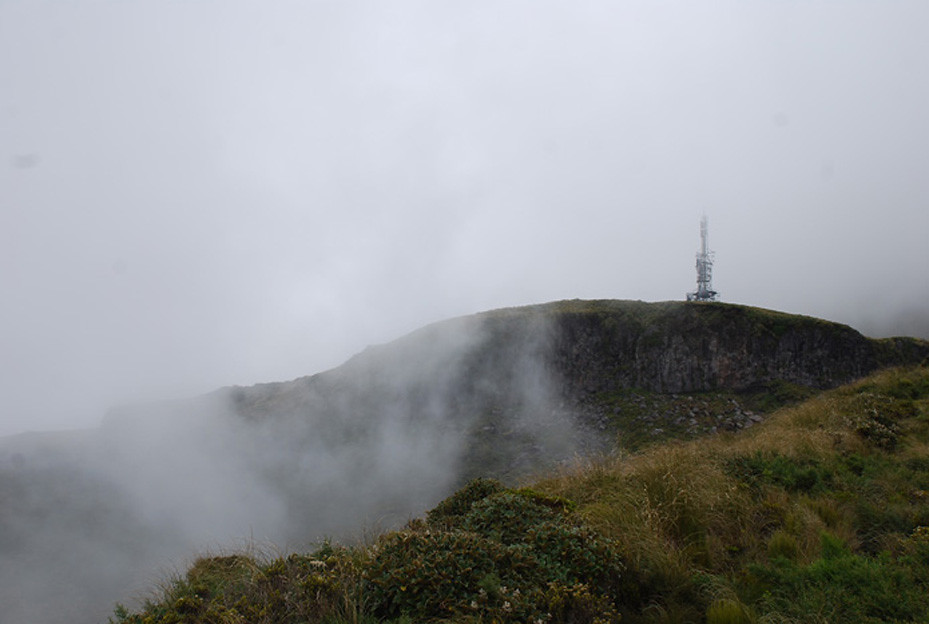
Approaching Mount Iō, the landscape shifts dramatically from lush greenery to a stark, barren volcanic terrain. The air is thick with the unmistakable scent of sulfur, and steam billows continuously from hundreds of fumaroles dotting the slopes. Hiking here is a sensory journey into the Earth’s restless power, where vibrant yellow sulfur crystals contrast sharply with the dark volcanic rock. The trail offers an intimate encounter with active volcanic phenomena, culminating in panoramic views of the Shiretoko Peninsula’s rugged wilderness. Reaching the summit, hikers feel a profound connection to the planet’s dynamic forces, surrounded by the symphony of hissing vents and the raw, elemental beauty of this sulfur mountain.

Geological Background of Mount Iō
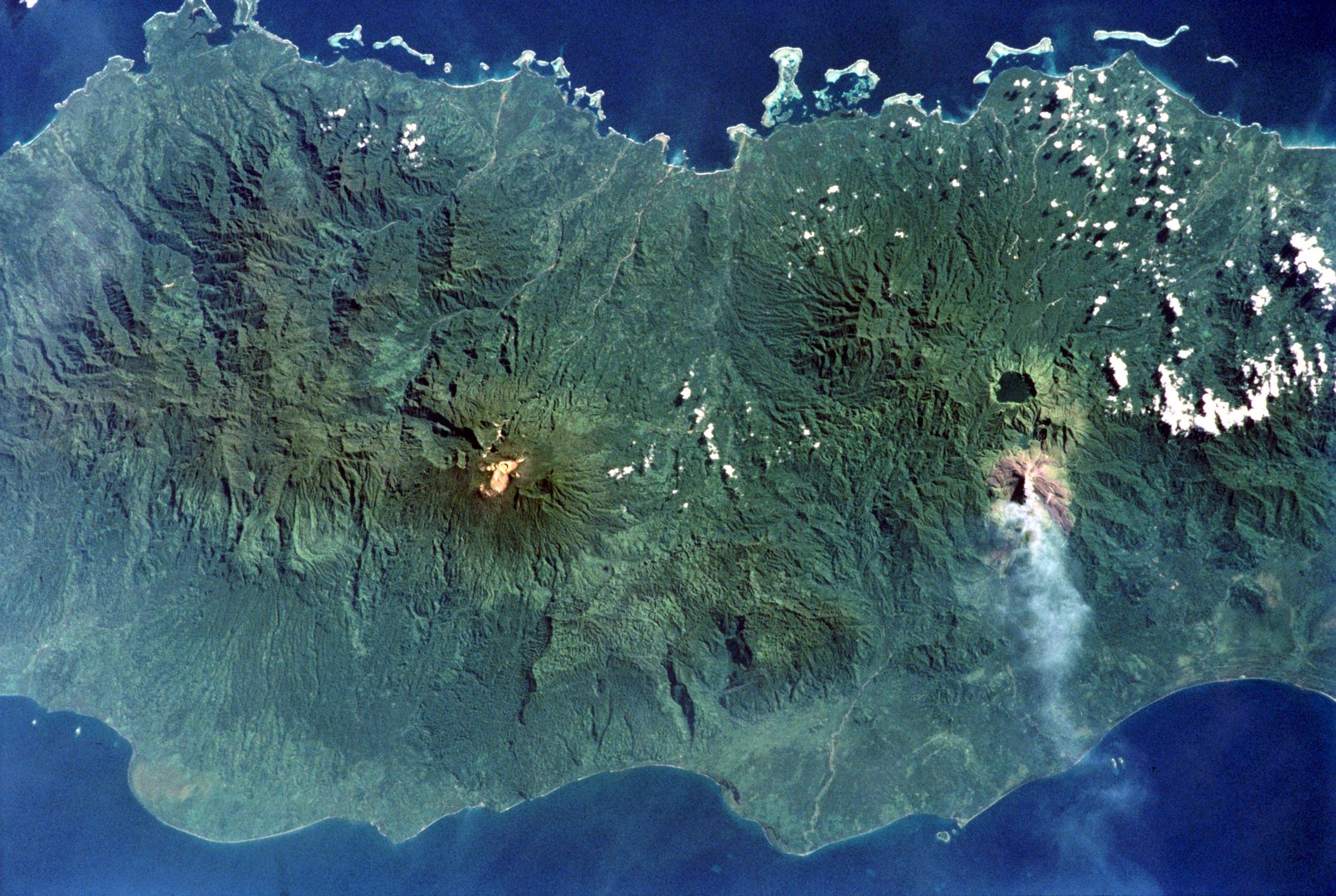
Mount Iō is an active andesitic stratovolcano located on the Shiretoko Peninsula of Hokkaido, Japan. Its volcanic activity dates back at least 240,000 years, with notable eruptions recorded in 850 AD (± 500 years), 1857–1858, 1889, and 1936. The volcano is characterized by two explosion craters and a lava dome at its summit. It is famous for erupting liquid sulfur during historical eruptions, which has contributed to its name meaning “sulfur mountain.” The volcanic landscape is dominated by extensive fumaroles emitting steam and sulfur gases, creating vivid yellow sulfur deposits around vent areas. The acidic volcanic soils support unique alpine vegetation, including plants that typically grow at much higher altitudes. Continuous monitoring with seismographs and tiltmeters ensures safety and provides insight into its ongoing activity.
The Volcano Trek: Terrain and Hiking Experience
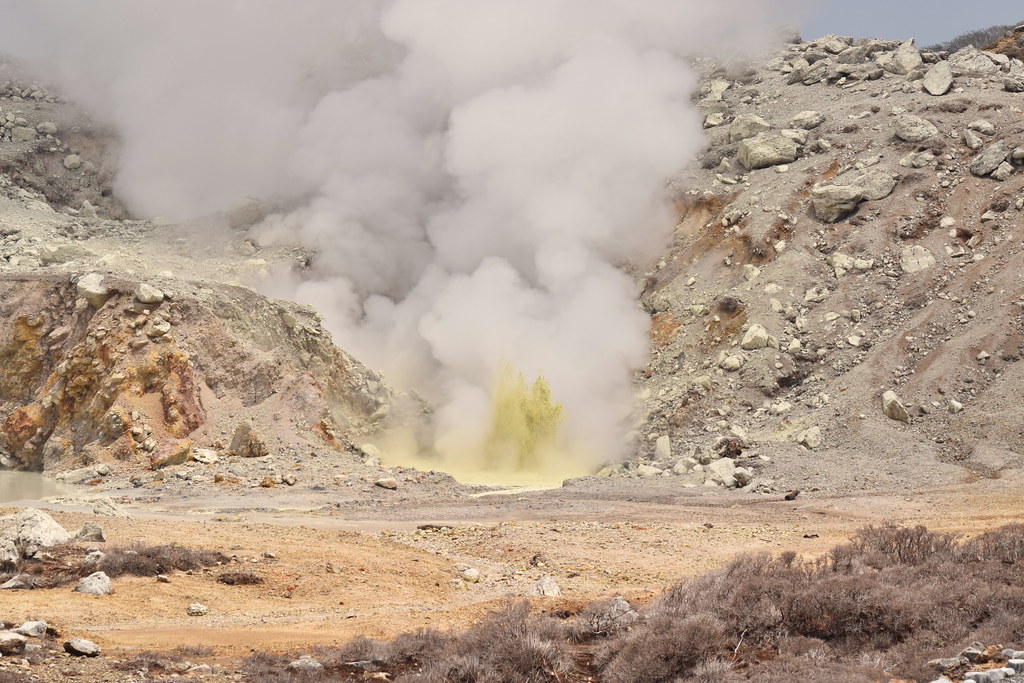
Hiking Mount Iō offers a relatively accessible yet fascinating volcanic trekking experience. The trail begins near the Mount Iō Rest House, located at the foot of the volcano, providing easy access to the volcanic terrain. The path is well-maintained and mostly gentle, with an altitude gain of approximately 34 meters, making it suitable for hikers of varying skill levels. The terrain is dominated by rocky volcanic slopes interspersed with numerous fumaroles emitting sulfurous steam. Hikers will encounter patches of electric-yellow sulfur crystals that color the ground around the vents, creating a surreal and otherworldly landscape. The volcanic soil is acidic and barren in places, contrasting with pockets of alpine vegetation that thrive despite the harsh conditions. The trail surface varies from compact volcanic ash to loose gravel and rocky outcrops, requiring sturdy footwear with good grip. Weather conditions can change rapidly, with cool temperatures and occasional strong winds near the summit. The sulfurous gases can be pungent and irritating; therefore, sensitive individuals should be prepared with masks or scarves. The hike typically takes between one to two hours round-trip, allowing ample time to explore the fumarole fields and take in panoramic views of the Shiretoko Peninsula and nearby lakes. The trail also connects to the Tsutsujigahara Nature Trail, offering an extended route through diverse plant zones and leading to the Kawayu Eco-museum Center. Overall, the trek combines geological intrigue with manageable physical demands, making Mount Iō a rewarding destination for volcano enthusiasts and casual hikers alike.
What Makes Mount Iō Trek Unique
Mount Iō stands out for its extraordinary display of active volcanic fumaroles and vivid sulfur deposits easily accessible to hikers. Unlike many volcanoes where volcanic activity is distant or restricted, Mount Iō’s steaming vents and sulfur crystals are visible up close, creating a dramatic and colorful landscape. The volcano’s relatively low elevation and gentle slopes make it approachable for a wide range of trekkers, while still offering a powerful encounter with volcanic forces. The surrounding Shiretoko Peninsula is a UNESCO World Heritage site, adding ecological and cultural significance to the trek. The contrast between the barren volcanic summit and the lush forests below highlights the dynamic interplay between fire and life. Seasonal changes bring unique experiences, from vibrant alpine flowers in late spring to steaming vents contrasting with snow in winter. This blend of accessibility, active geology, and natural beauty makes Mount Iō a singular volcano trekking destination.
The Summit and Crater Experience
Reaching the summit of Mount Iō, hikers are greeted by a landscape alive with geothermal activity. The summit area features two explosion craters and a lava dome, surrounded by hundreds of fumaroles emitting continuous plumes of steam and sulfurous gases. The air carries a strong scent of sulfur, and the ground is warm to the touch in places. The vivid yellow sulfur crystals around the vents shimmer in the sunlight, creating a striking visual contrast against the dark volcanic rock. The soundscape is dominated by the hiss and rumble of escaping gases, a constant reminder of the volcano’s restless energy. From the summit, panoramic views stretch across the Shiretoko Peninsula, with glimpses of nearby lakes and the Sea of Okhotsk. The summit experience is both humbling and exhilarating, offering a rare chance to witness active volcanic processes in a safe and accessible setting.
Best Time to Trek Mount Iō
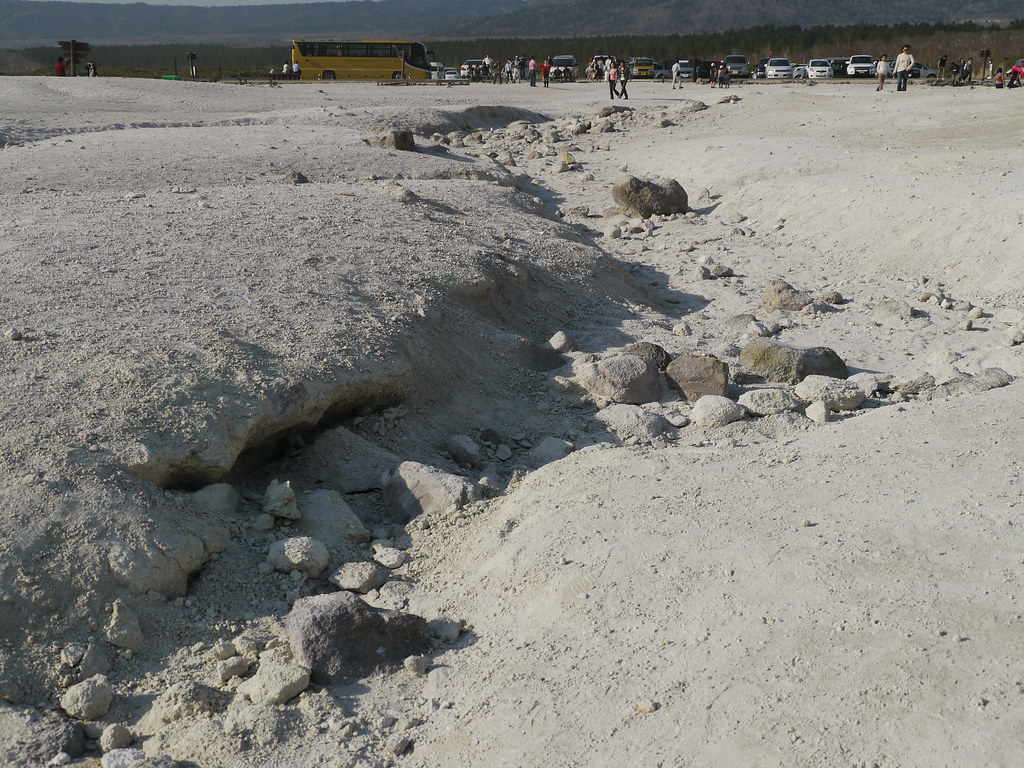
The optimal trekking season for Mount Iō spans from late spring through early autumn, typically May to October. During this period, weather conditions are milder, and the trails are free of snow, allowing safe and comfortable access to the volcanic terrain. Summer months bring alpine blooms along the connected nature trails, enhancing the hiking experience. Winter visits are possible but challenging due to heavy snow cover and icy conditions, which can obscure paths and increase risk. Additionally, volcanic steam rising against a snowy backdrop creates dramatic scenery but requires caution. Visitors should always check local volcanic activity reports and weather forecasts before planning their trek, as conditions can change rapidly. Guided tours often operate during the peak season, providing expert knowledge and enhanced safety.
Trekking Routes and Trail Options at Mount Iō
Mount Iō offers a primary hiking route starting from the Mount Iō Rest House, located near Kawayu Onsen town. This trail is approximately 2.5 kilometers long and takes about 1 to 1.5 hours to complete round-trip. It is classified as easy to moderate in difficulty, with an altitude gain of around 34 meters. The path leads hikers through volcanic fumarole fields, showcasing the mountain’s sulfur vents and vivid mineral deposits. For those seeking a longer trek, the trail connects to the Tsutsujigahara Nature Trail, a 5.2-kilometer walking path that extends to the Kawayu Eco-museum Center. This route passes through four distinct plant zones, offering a diverse botanical experience alongside volcanic features. Guided trekking tours are available, providing access to restricted areas closer to active fumaroles and detailed geological insights. These tours are typically operated by local companies such as JTB and Hike Master Japan, who tailor the experience to visitor preferences and seasonal conditions. Public transport options are limited; visitors often arrive by car or train to Kawayu Onsen Station, followed by a short walk or taxi ride to the trailhead. Parking is available at the Rest House for a small fee. Overall, Mount Iō’s trail system balances accessibility with opportunities for immersive volcanic exploration.
Difficulty Assessment of Mount Iō Trek
Mount Iō’s trek is classified as easy to moderate, making it accessible to most hikers with a reasonable level of fitness. The trail features gentle slopes and a short distance, with an altitude gain of approximately 34 meters. The terrain includes volcanic ash, loose gravel, and rocky sections near fumaroles, requiring sturdy footwear with good traction. The presence of sulfur gases may cause discomfort for sensitive individuals, but the physical demands are not strenuous. The hike does not require technical climbing skills or specialized equipment, making it suitable for families and casual hikers interested in volcanic landscapes. However, visitors should be prepared for variable weather conditions, including wind and sudden temperature changes near the summit. Overall, Mount Iō offers an approachable volcano trekking experience with unique geological features.
Essential Gear for Hiking Mount Iō
When hiking Mount Iō, appropriate gear enhances safety and comfort. Sturdy hiking boots with good grip are essential due to rocky and loose volcanic terrain. Lightweight, layered clothing is recommended to adapt to changing temperatures and wind near the summit. A windproof jacket and rain gear are advisable given Hokkaido’s variable weather. Due to sulfurous gases emitted by fumaroles, sensitive hikers should carry a gas mask or a scarf to cover the nose and mouth. Trekking poles can aid stability on uneven ground. A headlamp is useful if hiking early or late in the day. Carry ample water and high-energy snacks, as facilities on the trail are limited. Sun protection, including sunscreen, sunglasses, and a hat, is important since the volcanic landscape offers little shade. A basic first-aid kit and a fully charged mobile phone for emergencies complete the recommended gear list.
Safety and Volcanic Hazards on Mount Iō
Mount Iō is an active volcano with continuous fumarolic activity, emitting sulfurous gases that can be irritating or harmful in high concentrations. Visitors should avoid prolonged exposure near vents and be alert to any official warnings or trail closures. The terrain around fumaroles can be unstable, with loose rocks and acidic soils posing slip and fall risks. Sudden changes in volcanic activity, while rare, can occur, so hikers must check real-time updates from local monitoring agencies before and during their visit. Wearing protective gear such as gas masks or scarves is recommended for sensitive individuals. Weather conditions can change rapidly, with strong winds near the summit increasing the risk of falls. Staying on marked trails and following guidance from park authorities and guides ensures a safe experience. Emergency shelters and evacuation routes are mapped and should be familiar to trekkers. Respect for the volcano’s power and adherence to safety protocols are paramount when exploring Mount Iō.
Permits, Guides, and Logistics for Mount Iō Trekking
Mount Iō does not require special permits for hiking, making it accessible to independent travelers. However, guided tours are highly recommended to enhance safety and enrich the experience with expert knowledge of the volcano’s geology and ecology. Local tour operators such as JTB and Hike Master Japan offer customized trekking tours that include access to restricted fumarole areas, detailed explanations of volcanic features, and logistical support. These tours typically operate during the peak hiking season from late spring to early autumn. Visitors can reach Mount Iō via the town of Shari or Kawayu Onsen, with the nearest train station being Kawayu Onsen Station on the JR Senmou Line. From there, the trailhead is a 20 to 45-minute walk or a short taxi ride. Parking is available at the Mount Iō Rest House for a fee of approximately 500 yen. Public bus service is limited and seasonal, so private transport or guided transfers are advisable. The Rest House offers visitor information, parking, and a gift shop. Hikers should check volcanic activity updates from the Japan Meteorological Agency and local authorities before their trek. Carrying a map, GPS device, or using a guide ensures navigation safety. Overall, while permits are not mandatory, engaging a guide and planning logistics carefully maximizes safety and enjoyment on Mount Iō.
Where to Stay Near Mount Iō
Accommodation options near Mount Iō are centered around the town of Kawayu Onsen and Shari, providing convenient bases for exploring the volcano and the wider Shiretoko Peninsula. The Mount Iō Rest House, located at the trailhead, offers parking and visitor facilities but does not provide lodging. For overnight stays, the ANA Crowne Plaza Hotel Kushiro is a popular choice approximately 1.5 hours’ drive from Mount Iō, offering comfortable rooms, dining, and easy access to regional attractions. In Kawayu Onsen, several ryokans (traditional Japanese inns) and guesthouses provide authentic Japanese hospitality with hot spring baths, ideal for relaxing after a day of trekking. Examples include Kawayu Midoriya Ryokan and Kawayu Onsen Hotel, both within walking distance of the trailhead. These accommodations feature amenities such as onsen baths, local cuisine, and English-speaking staff. For budget travelers, guesthouses and small hostels in Shari town offer affordable lodging with basic facilities. Booking in advance is recommended during peak hiking seasons. Staying near Kawayu Onsen also allows easy access to the Tsutsujigahara Nature Trail and the Kawayu Eco-museum Center, enriching the overall volcanic trekking experience.