
Hiking Palia Kameni Volcano: Exploring Santorini’s Ancient Volcanic Island and Thermal Springs
Palia Kameni is a dormant complex volcano island located within the Santorini Caldera in Greece. This volcanic island offers a unique trekking experience with its rugged lava terrain, thermal hot springs, and rich geological history. Accessible mainly by boat tours from Santorini, Palia Kameni is a fascinating destination for volcano hiking enthusiasts seeking to explore volcanic landscapes and swim in mineral-rich thermal waters.
Quick Volcano Snapshot
| Attribute | Value |
|---|---|
| Volcano type | Complex volcano |
| Elevation | 98.5 meters |
| Location | Santorini Caldera, Greece |
| Activity status | Dormant |
| Trekking difficulty | Easy |
| Typical trek duration | 1-2 hours |
| Altitude gain | Approximately 100 meters |
| Terrain type | Lava fields, volcanic rock, pumice deposits |
| Best season | Spring to early autumn (April to October) |
| Temperature range | 15°C to 30°C |
| Permit requirement | No special permits required |
The Experience of Hiking Palia Kameni Volcano
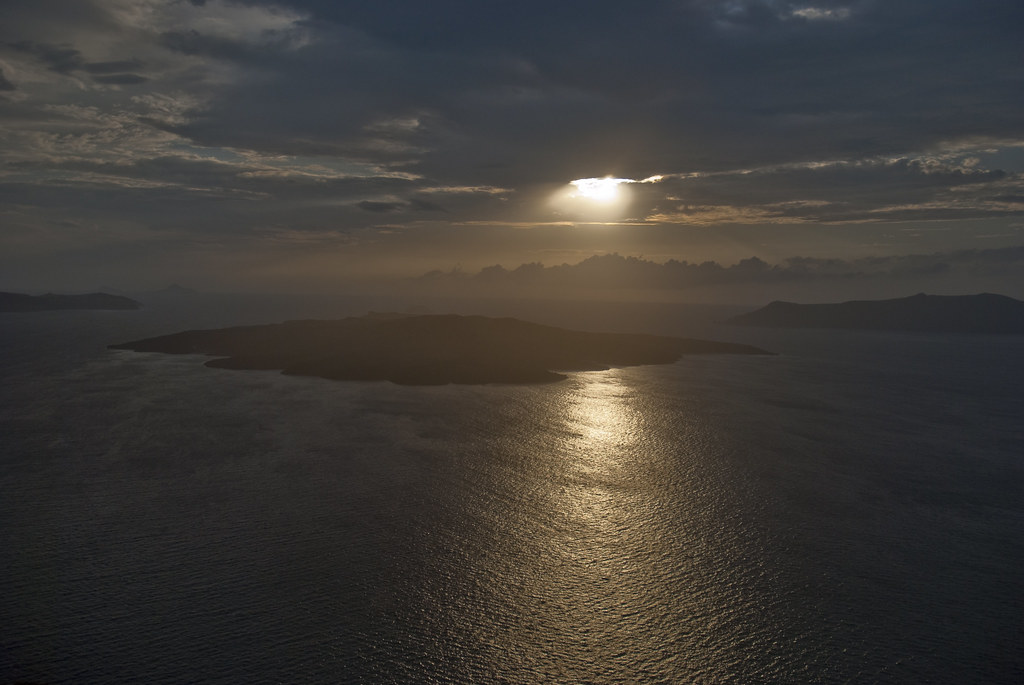
Approaching Palia Kameni by boat, the volcanic island emerges as a stark, rugged silhouette against the deep blue Aegean Sea. The landscape is a dramatic contrast of black volcanic rock and sparse succulent vegetation, telling the story of fiery eruptions that shaped this land. Hiking here is an intimate encounter with ancient volcanic forces, where every step on the hardened lava fields connects you to millennia of geological history. The air carries a faint scent of sulfur, hinting at the island’s thermal springs. Reaching the island’s highest points offers panoramic views of the Santorini Caldera, neighboring islands, and the shimmering sea beyond. The experience is both humbling and exhilarating, a rare chance to walk on a volcanic island that still breathes warmth beneath its surface.
Geological Background of Palia Kameni
Palia Kameni, meaning “Old Burnt Island,” is a complex volcanic island formed by a series of eruptions between 197 BCE and 47 CE. It is part of the Santorini volcanic complex, which includes the larger caldera formed by a massive Bronze Age eruption. The island was created through successive lava flows of pumice and dacite, building up layers of volcanic rock. Historical records from Roman historians describe the island’s sudden emergence from the sea, accompanied by flames and explosive activity. After periods of dormancy, the island experienced a significant submarine eruption in 726 AD, which deposited pumice and lava underwater. The volcanic activity ceased thereafter, leaving Palia Kameni dormant but geothermally active, with thermal springs indicating residual heat beneath the surface. Its rugged cliffs and black lava beaches are testament to its violent volcanic past, while fumarolic activity and sulfur deposits hint at the ongoing subterranean processes.
Terrain and Hiking Experience on Palia Kameni
Hiking on Palia Kameni offers a unique and accessible volcanic trekking experience suitable for most fitness levels. The terrain is predominantly composed of hardened lava flows, pumice deposits, and volcanic rock formations that create a rugged, uneven surface. Trekkers can expect to navigate black lava fields that are often jagged and porous, requiring sturdy footwear with good grip. The island’s highest elevation reaches just under 100 meters, making the altitude gain moderate and the trek relatively easy compared to more demanding volcanoes. The paths are informal and not heavily marked, as the island is largely uninhabited and lacks developed trails. Visitors typically approach Palia Kameni via boat tours from Santorini, disembarking by swimming or using small dinghies due to the absence of a proper harbor. Once ashore, hikers can explore the rocky coastline, volcanic cliffs, and the small church that stands as a solitary structure on the island. The volcanic terrain is interspersed with patches of succulent plants and fissures that provide shelter for local wildlife such as goats and rabbits. Weather conditions can vary, with strong Aegean winds and intense sun exposure common, so hikers should prepare accordingly. The thermal springs near the shore offer a warm, mineral-rich bathing experience, where the water temperature is several degrees higher than the surrounding sea. Swimming in these springs is a highlight, but visitors should be cautious of slippery rocks and the sulfurous smell. Overall, the hiking experience combines geological fascination with natural beauty, providing a peaceful yet adventurous exploration of a volcanic island that remains largely untouched by mass tourism.
What Makes the Palia Kameni Trek Unique
Palia Kameni stands out for its combination of geological history and natural thermal springs. Unlike many volcano treks that focus solely on summit ascents, this island offers the rare opportunity to swim in warm, sulfur-rich waters directly adjacent to volcanic rock formations. The island’s formation story, emerging dramatically from the sea in ancient times, adds a layer of mystique to the trek. Its relatively low elevation and easy terrain make it accessible to a wide range of visitors, while the stark black lava landscape contrasts vividly with the bright blue Aegean Sea. The presence of a small church and sparse vegetation amidst the volcanic terrain adds cultural and ecological interest. Additionally, Palia Kameni is often visited in conjunction with its younger sister island, Nea Kameni, providing a comprehensive volcanic experience within the Santorini Caldera.
The Summit and Crater Experience on Palia Kameni
Reaching the highest points of Palia Kameni, hikers are rewarded with sweeping views of the Santorini Caldera and the surrounding islands. The summit, though modest in height, offers a vantage point to observe the vast volcanic landscape and the deep blue waters encircling the island. Unlike active volcanoes, Palia Kameni’s crater is dormant and does not emit smoke or lava, but the terrain reveals the island’s fiery origins through its rugged lava formations and blackened cliffs. The air carries a subtle sulfur scent, especially near the thermal springs, enhancing the sensory connection to the volcano’s geothermal activity. The silence at the summit is profound, broken only by the sea breeze and the distant sounds of waves crashing against volcanic rocks. This moment of stillness atop an ancient volcanic island evokes a deep appreciation for the Earth’s dynamic forces.
Best Time to Trek Palia Kameni
The ideal time to visit and hike Palia Kameni is during the spring through early autumn months, from April to October, when weather conditions are generally warm and dry. Summer months can be hot, with temperatures reaching up to 30°C and intense sun exposure, so early morning or late afternoon visits are recommended to avoid midday heat. The Aegean winds can be strong, especially in spring and autumn, so hikers should prepare with windproof clothing. Winter months are cooler and wetter, making hiking less comfortable and boat access more challenging. Since the island is accessed primarily by boat tours, it is best to plan visits during the tourist season when services are available. There are no volcanic activity restrictions currently, but visitors should always check local advisories before planning their trip.
Trekking Routes and Trail Options on Palia Kameni
Palia Kameni does not have formalized or marked hiking trails due to its small size and private ownership status. Most visitors access the island as part of organized boat tours departing from Santorini’s ports, typically from Fira or Athinios. Upon arrival, hikers disembark by swimming or via small boats, as the island lacks a proper harbor. The typical route involves exploring the rocky coastline, walking across the hardened lava fields, and visiting the small church located on the island. The terrain is relatively flat with gentle inclines, making it suitable for casual walking and exploration. Many tours combine Palia Kameni with visits to Nea Kameni, where more extensive volcanic hiking is possible. Self-guided hiking is limited due to the island’s private status and lack of infrastructure, so joining a guided boat tour is the most practical option. These tours usually last between 1 to 3 hours on the island, allowing time to swim in the thermal springs and explore the volcanic landscape. Visitors should wear sturdy shoes and be prepared for uneven, rocky terrain.
Difficulty Assessment of Hiking Palia Kameni
Palia Kameni offers an easy volcanic trekking experience suitable for beginners and casual hikers. The island’s maximum elevation is under 100 meters, and the terrain, while rugged, does not require technical climbing skills. The main challenges include navigating uneven lava rock surfaces and managing exposure to sun and wind. There are no steep ascents or technical sections, making it accessible to most visitors with basic fitness. However, the lack of marked trails and infrastructure means hikers should exercise caution on slippery or sharp volcanic rocks. Proper footwear is essential to prevent injuries. The trek is not physically demanding but offers a rewarding encounter with volcanic geology and thermal springs.
Essential Gear for Trekking Palia Kameni
When hiking Palia Kameni, essential gear includes sturdy hiking shoes with good grip to navigate the uneven and rocky lava terrain safely. Sun protection is critical due to the island’s exposed volcanic landscape; bring a wide-brimmed hat, sunglasses, and high-SPF sunscreen. Lightweight, breathable clothing and a windproof jacket are recommended to cope with Aegean winds. Carry sufficient water to stay hydrated, as there are no facilities on the island. A swimsuit and towel are advisable for enjoying the thermal springs. Trekking poles can assist with balance on rough terrain but are optional. A small first aid kit and a camera to capture the unique volcanic scenery complete the gear list.
Safety and Volcanic Hazards on Palia Kameni
Palia Kameni is a dormant volcano with no recent eruptive activity, making it relatively safe for visitors. However, the volcanic terrain presents natural hazards such as sharp, uneven lava rocks that can cause cuts or falls. The absence of marked trails and safety barriers requires hikers to be vigilant and wear appropriate footwear. The thermal springs emit sulfurous gases, which are generally harmless in open air but may cause discomfort for sensitive individuals. Swimming near volcanic vents should be done cautiously to avoid hot spots or slippery rocks. There is no fumarolic activity visible on Palia Kameni, but visitors should stay informed of any volcanic monitoring updates from Greek geological authorities. Weather conditions, including strong winds and sun exposure, pose additional risks. Visitors should follow guidance from tour operators and avoid hiking alone or in poor weather.
Permits, Guides, and Logistics for Visiting Palia Kameni
Visiting Palia Kameni does not require special permits, as the island is accessible primarily through organized boat tours operating from Santorini. These tours often include combined visits to Nea Kameni and the island’s thermal springs. Leading tour operators offering excursions to Palia Kameni include Santorini Tours, Santorini Private Tours, GetYourGuide, Viator, and SantoriniTours.org. Tours typically depart from Fira’s old port or Athinios port and last between 3 to 5 hours, including boat transfers and time on the island. Due to the lack of a harbor on Palia Kameni, disembarkation is by swimming or small dinghies, so visitors should be comfortable with water access. It is advisable to book tours in advance during the high season to secure availability. Guides provide valuable insights into the island’s volcanic history, geology, and natural features, enhancing the visitor experience. Logistics include bringing adequate sun protection, water, and suitable footwear, as there are no facilities on the island. Private boat charters are also available for customized visits, often including hotel pickup and drop-off. Visitors should confirm weather conditions and tour schedules, as rough seas can affect access. Overall, the infrastructure for visiting Palia Kameni is limited, but well-organized tours ensure a safe and informative experience.
Where to Stay and Nearby Bases for Exploring Palia Kameni
While Palia Kameni itself is uninhabited and lacks accommodation, the nearby island of Santorini offers a wide range of lodging options suitable for visitors planning to explore the volcanic islands. The town of Fira, located approximately 5 kilometers from Palia Kameni, serves as the primary base for volcano tours and offers numerous hotels, guesthouses, and luxury suites. Notable accommodations include You and Me Suites, Kratiras View Luxury Suites, Galatia Villas, Dana Villas & Infinity Suites, and Santonearo Hotel, all providing stunning caldera views and modern amenities. Many hotels offer easy access to Fira’s old port, where most boat tours to Palia Kameni depart. For travelers seeking a more tranquil setting, villages such as Oia and Imerovigli provide boutique hotels and villas with panoramic views of the caldera and volcano. Amenities commonly include swimming pools, spa services, and on-site dining. Visitors should consider proximity to the port and transportation options when selecting accommodation. Public transport, taxis, and hotel shuttles facilitate access to tour departure points. Staying in Santorini allows visitors to combine volcanic trekking with exploring the island’s renowned beaches, archaeological sites, and vibrant local culture, making it an ideal base for a comprehensive volcanic adventure.