
Santorini Volcano Summit Trail: Expert Guide to Hiking Greece’s Iconic Volcanic Caldera
Explore the Santorini Volcano Summit Trail, a moderate hike offering panoramic views of the Santorini caldera. This guide covers geology, terrain, routes, safety, permits, accommodations, and tour operators for an unforgettable volcanic trekking experience in Greece.
Quick Volcano Snapshot
| Attribute | Value |
|---|---|
| Volcano type | Complex volcano |
| Elevation | 130 meters |
| Location | Santorini, Greece |
| Activity status | Dormant |
| Trekking difficulty | Moderate |
| Typical trek duration | 30 minutes to 1 hour |
| Altitude gain | Approx. 118 meters |
| Terrain type | Rocky lava fields, volcanic ash, rugged trails |
| Best season | Spring to early autumn (April to October) |
| Temperature range | 15°C to 30°C |
| Permit requirement | Small entrance fee (~5 EUR), no special permit required |
The Experience of Hiking Santorini Volcano
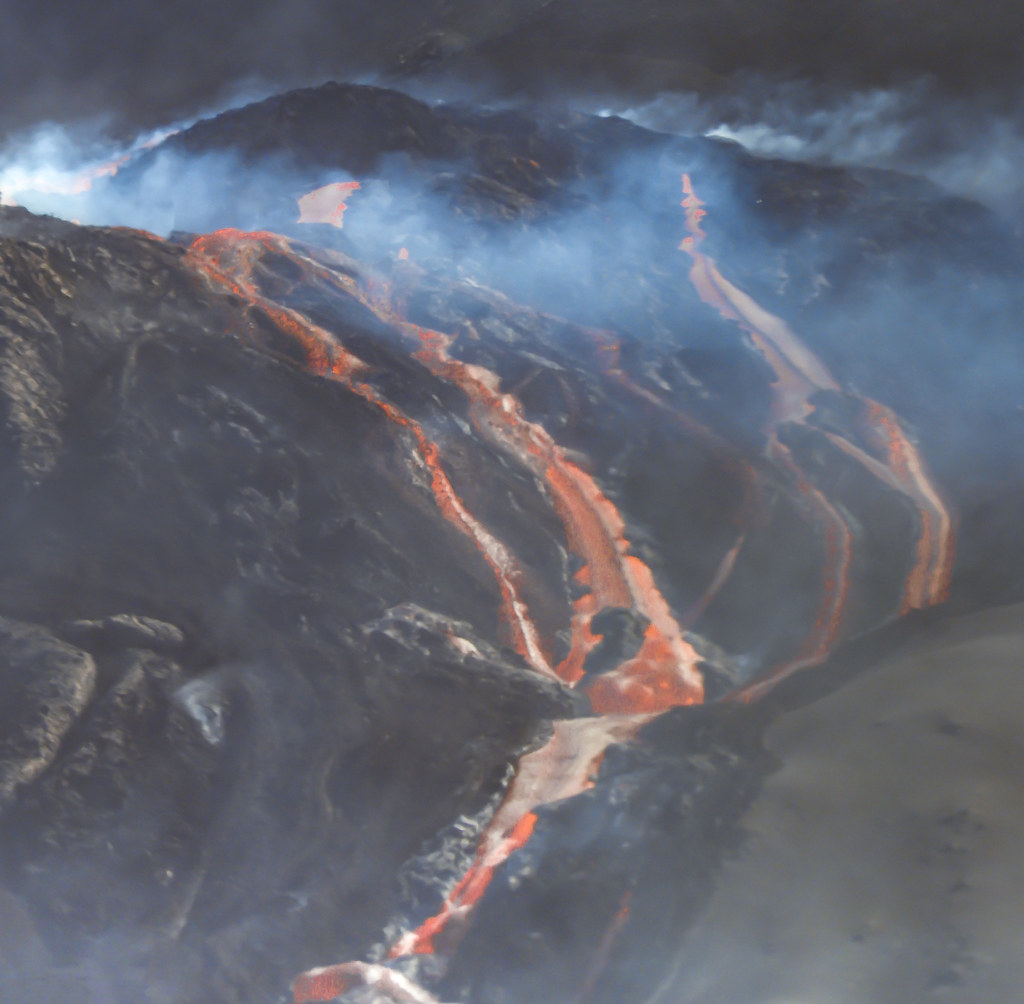
Approaching the Santorini Volcano, hikers are greeted by a stark, lunar landscape of dark volcanic rock contrasting vividly with the deep blue Aegean Sea. The trail ascends through rugged lava fields and sulfur-streaked vents, evoking a palpable sense of the Earth’s raw power. The barren terrain, punctuated by steaming fumaroles, offers a dramatic stage for an intimate encounter with volcanic forces. Reaching the summit, the panoramic views of the caldera and surrounding islands reward every step, immersing trekkers in a timeless geological story etched in stone and sea.
Geological Background of Santorini Volcano
Santorini is a complex volcano formed by a series of catastrophic eruptions, the most famous being the Minoan eruption approximately 3,600 years ago. This massive event created the island’s dramatic caldera, a large volcanic crater formed when the volcano’s summit collapsed after the eruption. The caldera is now flooded by the sea, encircled by steep cliffs dotted with whitewashed villages. The volcanic activity continues today on the small islands of Nea Kameni and Palea Kameni within the caldera, where fumaroles and hot springs mark ongoing subterranean heat. The volcanic rocks here include hardened lava flows, pumice deposits, and sulfur minerals, offering a vivid geological tapestry that tells the story of repeated eruptions and island rebirths.
Terrain and Hiking Experience on Santorini Volcano
The Santorini Volcano hike is a moderate trek characterized by a diverse volcanic terrain that challenges and delights hikers. The trail primarily traverses the island of Nea Kameni, the volcanic islet at the caldera’s center, where the landscape is dominated by hardened lava rocks, ash deposits, and sulfur-stained ground. The path is a mix of loose volcanic gravel, solidified lava flows, and rocky outcrops, requiring sturdy footwear with good grip to navigate safely. Hikers encounter steep inclines as they ascend approximately 118 meters to the summit, with some sections demanding careful footing due to uneven and crumbly surfaces. The volcanic soil is dry and barren, offering no natural shade, so sun protection and hydration are essential. The air carries a faint sulfur scent near fumaroles, and occasional steam vents provide a reminder of the volcano’s latent energy. Wind conditions can vary, often intensifying near the summit, adding to the hike’s physical demands. Despite these challenges, the trail is well-marked and accessible to hikers with reasonable fitness levels. The total distance is about 1.6 miles (2.5 km) round trip, typically completed in 30 to 60 minutes depending on pace and stops. Along the way, hikers are treated to sweeping views of the caldera cliffs, the azure sea, and the surrounding Cycladic islands. The volcanic terrain’s stark beauty and geological significance make this hike a unique adventure, blending physical exertion with immersive natural history.
What Makes the Santorini Volcano Trek Unique
This trek stands out for its combination of geological significance and breathtaking scenery. Unlike many volcano hikes, Santorini offers the rare opportunity to walk on an active volcanic island within a submerged caldera. The trail leads hikers across fresh lava fields and past steaming fumaroles, providing a tangible connection to the Earth’s volcanic processes. The panoramic views from the summit encompass the iconic crescent-shaped caldera rim, whitewashed villages perched on cliffs, and the endless blue of the Aegean Sea. The nearby hot springs of Palea Kameni add a therapeutic dimension to the experience, allowing visitors to relax in mineral-rich waters after the hike. The cultural backdrop of Santorini’s volcanic history, intertwined with myths like Atlantis, enriches the trek with a profound sense of place and time.
Summit and Crater Experience on Santorini Volcano
Reaching the summit of Nea Kameni, hikers stand at approximately 130 meters above sea level, gazing into the active volcanic crater. The ground beneath is warm, and steam rises from fumaroles emitting sulfurous gases, filling the air with a distinctive scent. The crater rim offers a 360-degree panorama of the caldera’s vast expanse, the rugged cliffs of Santorini’s main island, and the sparkling Aegean Sea beyond. The contrast between the barren volcanic landscape and the vibrant blue waters creates a surreal, almost otherworldly atmosphere. The summit’s exposure to wind and sun heightens the sensory experience, while the sight of bubbling vents and sulfur deposits provides a direct encounter with the volcano’s latent power. This moment is both humbling and exhilarating, a rare chance to witness the Earth’s dynamic forces up close.
Best Time to Trek Santorini Volcano
The optimal time to hike Santorini Volcano is during the cooler months from spring through early autumn, specifically April to October. Early mornings and late afternoons are recommended to avoid the intense midday sun, as the trail offers no shade and the volcanic surface can become hot underfoot. Summer months can bring high temperatures and strong sun exposure, making hydration and sun protection critical. The volcanic activity is closely monitored, and while the volcano is currently dormant, hikers should stay informed about any advisories or restrictions. Seasonal winds can be brisk near the summit, so layered clothing is advisable. Avoiding the peak heat and crowds enhances both safety and enjoyment of the trek.
Routes and Trail Options for Santorini Volcano Trek
The primary route for hiking the Santorini Volcano is the loop trail on Nea Kameni island, accessible by boat from Santorini’s main island. Most tours depart from the old port of Fira, with boats ferrying visitors to the volcanic islet. The trail is approximately 1.6 miles (2.5 km) round trip, starting at the boat landing and ascending to the summit crater. The path is well-marked and follows a circular route around the volcanic features, including fumaroles and lava flows. Hikers can choose to explore the entire loop or focus on the ascent and descent to the summit. Guided tours are widely available and often include informative commentary on the volcano’s geology and history. For those seeking a longer trek, the Santorini Caldera Trail stretches about 10 kilometers (6.2 miles) from Fira to Oia along the caldera rim, offering a more extensive hiking experience with varied terrain and spectacular views of the volcanic landscape and island villages. This trail is rated moderate and takes between 2.5 to 5 hours depending on pace and stops. Both routes provide distinct perspectives on Santorini’s volcanic heritage and natural beauty.
Difficulty Assessment of Santorini Volcano Trek
The Santorini Volcano hike is classified as a moderate volcano trek. The terrain includes rocky lava fields, loose volcanic gravel, and steep inclines with an altitude gain of approximately 118 meters. While the trail is relatively short, the uneven and sometimes crumbly volcanic surface requires good balance and sturdy footwear. The lack of shade and exposure to sun and wind add to the physical demands. No technical climbing skills are necessary, but a reasonable level of fitness is recommended to comfortably complete the ascent and descent. The longer Caldera Trail from Fira to Oia is also moderate but requires endurance for the 10-kilometer distance and varied terrain including paved paths, rocky sections, and stairs. Overall, the trek is accessible to most hikers who prepare adequately for sun exposure and terrain challenges.
Essential Gear for Hiking Santorini Volcano
Key gear for the Santorini Volcano hike includes sturdy hiking boots or shoes with good grip to handle rocky and uneven volcanic terrain. Trekking poles can aid balance on loose gravel and steep sections. Sun protection is critical: bring a wide-brimmed hat, sunscreen with high SPF, and UV-protective sunglasses. Carry sufficient water to stay hydrated, as there are no water sources on the trail. Lightweight, breathable clothing layered for temperature changes and wind protection is recommended. A small backpack to hold essentials, snacks, and a camera for capturing panoramic views is useful. For early morning or late afternoon hikes, a headlamp or flashlight may be helpful. A basic first aid kit and a map or GPS device are advisable for safety.
Safety and Volcanic Hazards on Santorini Volcano
While Santorini Volcano is currently dormant, it remains an active volcanic system monitored by scientific agencies. Hikers should be aware of potential hazards including unstable volcanic rocks, loose scree, and uneven terrain that can cause slips or falls. The crater edges can be fragile; staying on marked paths is essential to avoid accidents. Volcanic gases, primarily sulfur dioxide, may be present near fumaroles and vents; individuals with respiratory conditions should exercise caution. Sudden weather changes, including strong winds and intense sun exposure, pose additional risks. Visitors should heed official warnings and follow guidance from local authorities and tour operators. Carrying a mobile phone and informing someone of your hiking plans enhances safety. Emergency services are accessible from Santorini’s main island, but preparedness and caution are key to a safe trekking experience.
Permits, Guides, and Logistics for Santorini Volcano Trek
Access to the Santorini Volcano hike on Nea Kameni requires a small entrance fee of approximately 5 EUR, payable at the boat landing or trailhead. No special permits are needed beyond this fee. Most visitors reach the volcanic islet by boat tours departing from Fira’s old port or Athinios port. These tours are widely available and often include guided hikes to the summit crater, providing geological insights and ensuring safe navigation of the terrain. Recommended tour operators include GetYourGuide, Santorini Volcano Tours, Five Stars Adventure, and Santorini Volcano Tours Official. Tours typically last 3 hours, combining the volcano hike with visits to the nearby hot springs at Palea Kameni, where visitors can swim in mineral-rich waters. Booking in advance is advised, especially during peak tourist seasons, to secure preferred time slots. Public transport connects Santorini’s airport and ports to Fira, facilitating easy access to tour departure points. Hikers should bring water, sun protection, and sturdy footwear, as the trail is exposed and rugged. Guided tours enhance safety and enrich the experience with expert knowledge of the volcano’s history and geology.
Where to Stay Near Santorini Volcano
Santorini offers a range of accommodations ideally located for volcano trekking and exploring the caldera. The island’s capital, Fira, is the most convenient base, featuring numerous hotels, guesthouses, and boutique lodgings within walking distance of the old port where volcano tours depart. Notable options include the Volcano View Hotel, a luxury 5-star property perched on the caldera cliffs offering stunning sea and volcano vistas, three outdoor pools, and fine dining at its Caldera Restaurant. Firostefani and Imerovigli, neighboring villages north of Fira, provide quieter, picturesque settings with panoramic caldera views and easy access to hiking trails. Imerovigli, known as the “Balcony of the Aegean,” offers some of the island’s most expansive vistas and upscale accommodations. For those seeking iconic sunset views and charming Cycladic architecture, Oia at the northern tip of the caldera rim is a popular choice, though it is farther from the volcano tour departure points. Accommodations range from luxury suites with private plunge pools, such as Canaves Oia Suites and Katikies, to more budget-friendly boutique hotels and guesthouses. Most properties provide amenities like Wi-Fi, breakfast, and shuttle services. Staying in Fira or nearby villages ensures convenient access to transport, dining, and the volcano hiking tours, making them ideal bases for your volcanic adventure.