
Mount Hasan Volcano Trekking Guide: Exploring Turkey’s Majestic Stratovolcano
Mount Hasan (Hasan Dağı) is a dormant stratovolcano in Central Anatolia, Turkey, offering a unique trekking experience with its volcanic landscapes, twin peaks, and winter ski opportunities. This guide covers geology, trekking routes, terrain challenges, logistics, and accommodations for adventurers seeking to explore this iconic mountain.
Quick Volcano Snapshot
| Attribute | Value |
|---|---|
| Volcano type | Stratovolcano |
| Elevation | 3,268 meters (10,722 feet) |
| Location | Aksaray Province, Central Anatolia, Turkey |
| Activity status | Dormant |
| Trekking difficulty | Moderate |
| Typical trek duration | 6 to 8 hours |
| Altitude gain | Approximately 1,500 meters |
| Terrain type | Volcanic scree, rocky slopes, ash fields, alpine pastures |
| Best season | Spring to early autumn for hiking; December to April for ski trekking |
| Temperature range | -9°C to 15°C depending on season and altitude |
| Permit requirement | No formal permits required; guided tours recommended |
Introduction: The Experience of Hiking Mount Hasan
Approaching Mount Hasan, the vast Central Anatolian plateau unfolds beneath a towering volcanic giant crowned with snow for much of the year. The mountain’s twin peaks rise dramatically, their volcanic silhouette a testament to ancient geological forces. Trekking here immerses you in a landscape where barren lava fields contrast with lush alpine meadows and oak forests. The ascent challenges your endurance as you navigate rocky slopes and scree, rewarded by panoramic views of Cappadocia’s fairy chimneys, the Melendiz Mountains, and the shimmering Tuz Lake. Reaching the crater rim, the sense of standing atop a dormant giant evokes awe and connection to millennia of volcanic history.
The Volcano Itself: Geological Background
Mount Hasan is a classic stratovolcano formed through successive eruptions that built its twin peaks: Büyük Hasan (Big Hasan) and Küçük Hasan (Small Hasan). Its last eruption occurred around 6200 BCE, leaving behind fertile volcanic soils that shaped the region’s agriculture. The volcano’s eruptions contributed thick layers of tuff rock, which over millennia were sculpted into Cappadocia’s famous fairy chimneys and cave dwellings. The summit crater is large and dry today but retains parasitic cones and lava flows that reveal its complex volcanic past. Fumaroles and steam vents occasionally hint at residual subterranean heat. The volcano’s obsidian deposits were historically significant for Neolithic toolmaking, linking geology with human culture. Mount Hasan’s geological story is etched into the landscape, offering trekkers a living classroom of volcanic processes.
The Volcano Trek: Terrain and Hiking Experience
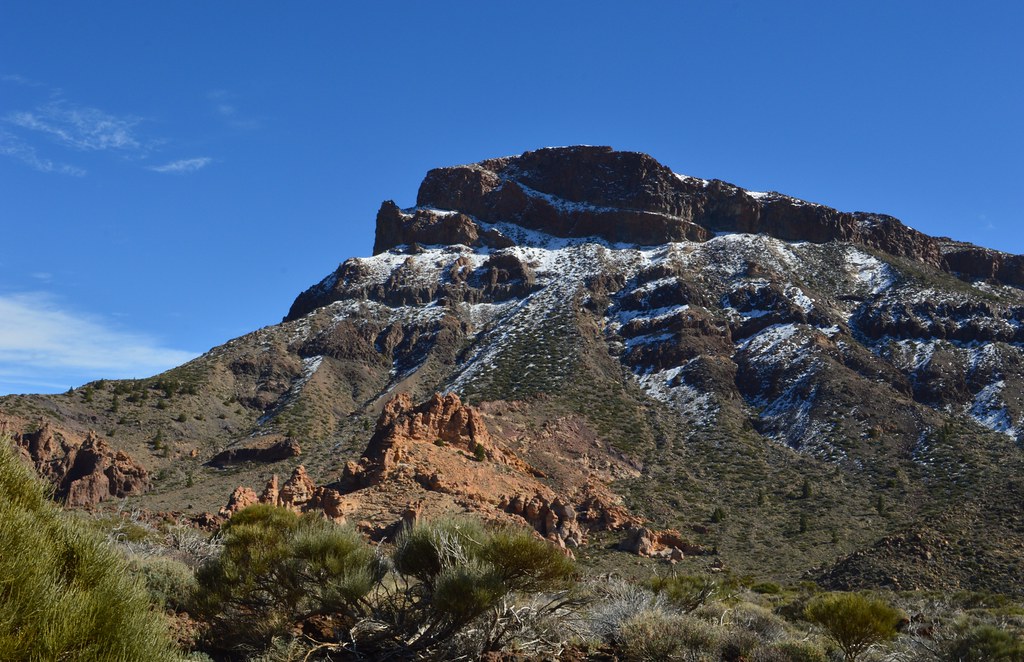
Trekking Mount Hasan is a rewarding challenge that combines varied volcanic terrain with stunning natural vistas. The hike typically starts from either Helvadere village on the south face or Yukarı Dikmen village on the west. The initial sections pass through oak forests and alpine meadows, where the terrain is gentle and verdant. As you ascend, the landscape transitions to volcanic scree and rocky slopes. The path becomes steeper and more rugged, requiring careful footing on loose pumice and boulders. The upper slopes are exposed, with little vegetation, and hikers face wind and temperature fluctuations. In winter, snow and ice cover the upper reaches, making ski trekking popular but demanding proper equipment such as crampons and ice axes. The final ascent to the crater rim involves navigating loose volcanic rocks and occasional snow patches. Altitude effects may cause breathlessness, so acclimatization and pacing are important. The trail offers expansive views of the Anatolian plateau, neighboring volcanic peaks, and the surreal Cappadocian landscape. The terrain’s volcanic nature means hikers must be prepared for sharp rocks and unstable footing, making sturdy boots and trekking poles essential. Despite these challenges, the well-marked routes and moderate difficulty make Mount Hasan accessible to experienced hikers seeking a volcanic adventure.
What Makes This Volcano Trek Unique
Mount Hasan stands out for its twin volcanic summits and its integral role in shaping the iconic Cappadocian landscape. Unlike many volcanoes, it offers a rare combination of geological history, cultural significance, and outdoor sports opportunities. The dormant stratovolcano’s slopes provide excellent winter ski trekking, a unique feature among Turkey’s volcanoes. The mountain’s proximity to ancient sites like Çatalhöyük, where prehistoric murals depict volcanic eruptions, adds a profound historical dimension. The trek’s panoramic views encompass fairy chimneys, salt lakes, and distant mountain ranges, creating a visual feast. Additionally, the mountain’s volcanic soils support diverse flora, contrasting with the stark volcanic rock. Paragliding in summer and the chance to explore nearby archaeological treasures further enrich the experience, making Mount Hasan a multifaceted destination for adventurers and geology enthusiasts alike.
The Summit and Crater Experience
Reaching Mount Hasan’s summit is a moment of profound accomplishment. The broad crater rim offers a spacious vantage point to absorb sweeping views of Central Anatolia’s volcanic landscape. From here, the vast Anatolian plateau stretches out, punctuated by the Melendiz Mountains, Mount Erciyes, and the shimmering Tuz Lake. The air is crisp and thin, carrying the faint scent of mineral-rich earth. The crater itself is dry but reveals volcanic formations and remnants of past eruptions. The silence at the summit is profound, broken only by the wind sweeping across the barren slopes. On clear days, the sunrise or sunset paints the volcanic terrain in golden hues, enhancing the surreal atmosphere. The summit’s panoramic vistas and geological features make it a highlight for photographers and nature lovers, encapsulating the raw power and beauty of this ancient volcano.
Best Time to Trek Mount Hasan
The optimal trekking season for Mount Hasan is from late spring to early autumn (May to October), when the weather is milder and the trails are free of snow. During these months, daytime temperatures range from 10°C to 20°C, providing comfortable hiking conditions. Early morning starts are recommended to avoid afternoon winds and to catch spectacular sunrises. Winter (December to April) transforms Mount Hasan into a ski trekking destination, with snow cover and freezing temperatures down to -9°C at the summit. Winter ascents require specialized gear and experience due to icy slopes and avalanche risks. Seasonal weather changes can be sudden, so monitoring forecasts and volcanic activity reports is essential. The mountain is generally accessible year-round, but climbers should prepare for temperature extremes and variable conditions.
Trekking Routes and Trail Options
Mount Hasan offers several trekking routes catering to different preferences and skill levels. The most popular is the Helvadere Route on the south face, starting from Helvadere village. This well-marked trail follows a dirt road to the Helvadere pond, then ascends through a valley with accessible water sources and campgrounds. The route takes approximately 6 to 8 hours to reach the summit, with a gradual incline suitable for moderately experienced hikers. The Yukarı Dikmen Route on the west side is less frequented and more challenging, beginning at Yukarı Dikmen village. It follows a seasonal stream bed and alpine pastures, offering expansive views but requiring navigation over loose scree slopes. This path is ideal for hikers seeking solitude and a more rugged experience. In winter, ski touring routes ascend the mountain’s snow-covered slopes, often starting from villages like Gözlükuyu. Guided ski expeditions combine ascent and descent with skiing, providing a unique way to explore the volcano. Both summer and winter routes demand proper equipment and awareness of weather conditions. Guided options are available through local operators such as Anatolia Cultura Travel, Middle Earth Travel, and Mount Ararat Trek, who provide logistical support and safety guidance.
Difficulty Assessment
Mount Hasan is classified as a moderate volcano trek. The terrain includes rocky and loose volcanic scree, steep ash slopes, and exposed ridges that require sure-footedness and stamina. Altitude gain of approximately 1,500 meters and summit elevation of 3,268 meters can cause mild altitude effects, necessitating good physical fitness and acclimatization. The upper slopes may present challenges such as unstable rocks and wind exposure. Winter ski trekking increases difficulty due to snow, ice, and cold temperatures, requiring technical skills and equipment like crampons and ice axes. The trek does not require technical mountaineering skills but demands preparation, proper gear, and awareness of volcanic terrain hazards. Overall, it suits hikers with moderate experience seeking a volcanic adventure.
Essential Volcano Trekking Gear
For trekking Mount Hasan, essential gear includes sturdy hiking boots with good grip to handle rocky and loose volcanic terrain. Trekking poles help maintain balance on scree slopes. Layered clothing is necessary to adapt to temperature changes, including a windproof jacket and thermal layers for higher altitudes. A headlamp is recommended for early starts or late finishes. Hydration systems and sun protection (hat, sunglasses, sunscreen) are vital due to exposed terrain and high UV levels. In winter, additional gear such as crampons, ice axes, gaiters, and insulated gloves are required for ski trekking. A helmet is advisable to protect against falling rocks on steep sections. Carrying a map, GPS device, or guidebook is recommended for navigation. Gas masks or respirators are generally not needed as the volcano is dormant with no active gas emissions.
Safety and Volcanic Hazards
Mount Hasan is a dormant volcano with no recent eruptions, but trekkers should remain vigilant of natural hazards. The primary risks include unstable volcanic scree and loose rocks that can cause slips or rockfalls, especially on steep slopes. Weather conditions can change rapidly, with strong winds and sudden temperature drops at higher elevations. In winter, snow and ice increase avalanche risk and require technical skills. Although volcanic gases are minimal due to dormancy, hikers should avoid fumaroles or steam vents if encountered. Monitoring local weather and volcanic activity reports is advised before and during the trek. Using guides from reputable operators enhances safety through expert route knowledge and emergency preparedness. Wearing helmets and carrying first aid kits are recommended. Respecting trail markers and avoiding cliff edges reduces accident risks.
Permits, Guides, and Logistics
Mount Hasan does not require formal climbing permits, making it accessible for independent trekkers. However, hiring a local guide is highly recommended for safety, navigation, and enriching the experience with geological and cultural insights. Reputable tour operators offering guided treks include Anatolia Cultura Travel, Middle Earth Travel, Mount Ararat Trek, and Süphan Dağcılık. These companies provide comprehensive packages covering transportation, accommodation, equipment rental, and experienced guides fluent in English. Guided winter ski expeditions are also available, combining ascent and ski descent with logistical support. The most common starting points are Helvadere and Yukarı Dikmen villages, accessible by road from Aksaray city. Transport options include private vehicles or local minibuses. Trekkers should arrange accommodation in nearby towns or villages before the climb. Costs for guided tours vary but typically range from moderate to premium depending on services. It is advisable to book tours and guides in advance, especially during peak seasons. Climbers should carry personal insurance covering mountain activities. Local authorities and Turkish Mountaineering Federation oversee safety regulations, and trekkers must adhere to environmental protection rules to preserve the volcanic landscape.
Where to Stay Near Mount Hasan
Accommodation options near Mount Hasan cater to trekkers and winter sports enthusiasts seeking proximity to trailheads. The town of Aksaray, approximately 30 kilometers from the mountain, offers a range of hotels, guesthouses, and pensions with modern amenities, including the Ataman Hotel known for comfortable rooms and convenient location. For a more rustic experience, villages such as Helvadere and Yukarı Dikmen provide small guesthouses and mountain chalets ideal for early starts and acclimatization. These lodgings offer basic facilities and a welcoming atmosphere but require advance booking during peak trekking and ski seasons. Camping is popular at designated sites on the mountain slopes, such as Hasan Dağı Campground near Dikmen, where trekkers can pitch tents amidst stunning natural surroundings. However, campers must bring their own supplies as facilities are limited. For winter ski tours, guesthouses in Gözlükuyu and Çukurbağ villages serve as base camps with local hospitality. Proximity to the Ihlara Valley and Cappadocia region allows combining volcano trekking with cultural exploration. Transport connections from Aksaray to these bases are available via private vehicles or minibuses, facilitating flexible itinerary planning.