
Hiking Nea Kameni Volcano: The Ultimate Guide to Santorini’s Volcanic Island Trek
Explore the volcanic heart of Santorini with a hike on Nea Kameni, a complex volcanic island featuring active fumaroles, dramatic lava fields, and panoramic caldera views. This guide covers geology, trekking terrain, routes, safety, permits, and nearby accommodations for an unforgettable volcano adventure.
Quick Volcano Snapshot
| Attribute | Value |
|---|---|
| Volcano type | Complex volcano |
| Elevation | 130 meters |
| Location | Santorini, Greece |
| Activity status | Dormant |
| Trekking difficulty | Moderate |
| Typical trek duration | 2-3 hours |
| Altitude gain | Approximately 130 meters |
| Terrain type | Lava fields, volcanic rocks, gravel paths |
| Best season | April to October |
| Temperature range | 15°C to 30°C (59°F to 86°F) |
| Permit requirement | Small entrance fee at landing (~2€), no special permit required |
The Experience of Hiking Nea Kameni Volcano
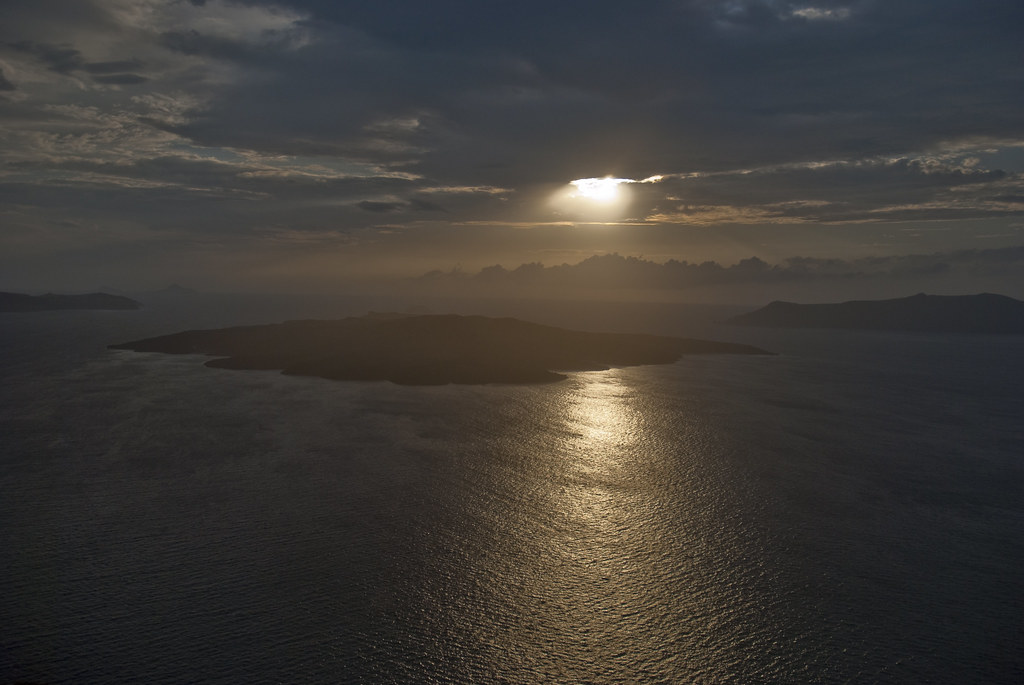
Approaching Nea Kameni by boat, the stark black lava island rises dramatically from the deep blue waters of the Santorini caldera. The air carries a faint sulfur scent, hinting at the volcanic forces still simmering beneath the surface. Hiking the island’s gravel paths leads you through a surreal landscape of jagged lava rocks and steaming fumaroles. The contrast between the barren volcanic terrain and the vibrant caldera cliffs surrounding you creates a powerful sense of geological drama. Reaching the crater rim, panoramic views unfold over the caldera’s azure waters and the whitewashed villages perched on cliffs. The raw power of this volcanic island, shaped by millennia of eruptions, is palpable with every step, making the trek a unique adventure for volcano enthusiasts and travelers alike.
Geological Background of Nea Kameni
Nea Kameni is a complex volcanic island formed within the Santorini caldera, itself the remnant of a massive Minoan eruption around 1600 BC that reshaped the region. Over the past two millennia, repeated eruptions of dacite lava and ash have built up Nea Kameni and its neighboring islet, Palea Kameni. The island is nearly circular, about 2 kilometers in diameter, and rises to 130 meters above sea level. Its volcanic activity is characterized by lava dome extrusions and active fumaroles, including the notable sulfur vent named Jorgo. The island’s geology features solidified lava flows, ash deposits, and fumarolic fields emitting steam and sulfur gases. These features provide a living laboratory for volcanic study and a dramatic landscape shaped by ongoing geological processes.
The Volcano Trek: Terrain and Hiking Experience
Hiking Nea Kameni offers a distinctive volcanic trekking experience characterized by varied terrain and moderate physical challenge. The trail begins at the boat landing on the northern shore, where visitors pay a small entrance fee before ascending a well-maintained gravel path. The path winds through fields of solidified lava rock, which are rough and uneven underfoot, requiring sturdy hiking boots with good grip. Trekkers navigate a landscape of black volcanic rock fragments, hardened lava flows, and patches of volcanic ash. The terrain is generally dry and exposed, with little vegetation except for some hardy succulents during summer months. The ascent to the crater rim involves a steady climb of approximately 130 meters, with occasional loose gravel and small scree slopes that demand careful footing. Along the way, hikers encounter active fumaroles emitting sulfurous steam, adding a sensory reminder of the volcano’s latent power. The crater rim trail allows a full circuit around the twin craters, offering varied perspectives of the volcanic formations and panoramic views of the Santorini caldera cliffs and surrounding Aegean Sea. Wind conditions near the summit can be brisk, and temperatures may fluctuate, so layered clothing is advisable. The hike typically takes 2 to 3 hours round trip, making it accessible for moderately fit travelers. The volcanic terrain’s ruggedness and the island’s isolation create a raw, otherworldly atmosphere that sets this trek apart from typical island hikes. Visitors should be prepared for uneven surfaces and the absence of shade, carrying sufficient water and sun protection. The trail is well-marked, and the volcanic landscape’s unique textures and colors provide a visually striking backdrop throughout the journey.
What Makes the Nea Kameni Trek Unique
Nea Kameni’s trek is unique due to its location on an active volcanic island within one of the world’s most famous calderas. Unlike many volcano hikes, the trail traverses fresh lava fields and fumarolic vents, offering direct contact with volcanic activity in a relatively compact area. The island’s volcanic features include twin craters, steaming sulfur vents, and rugged lava formations that tell the story of recent eruptions. The surrounding caldera cliffs and the deep blue Aegean Sea frame the hike with breathtaking views. Additionally, the proximity to Palea Kameni’s natural hot springs allows visitors to combine volcanic trekking with rejuvenating thermal baths. The island’s accessibility only by boat adds an element of adventure and exclusivity, enhancing the sense of stepping into a raw, volcanic world. This combination of geological significance, active volcanic phenomena, and stunning seascapes makes Nea Kameni a standout destination for volcano enthusiasts.
The Summit and Crater Experience
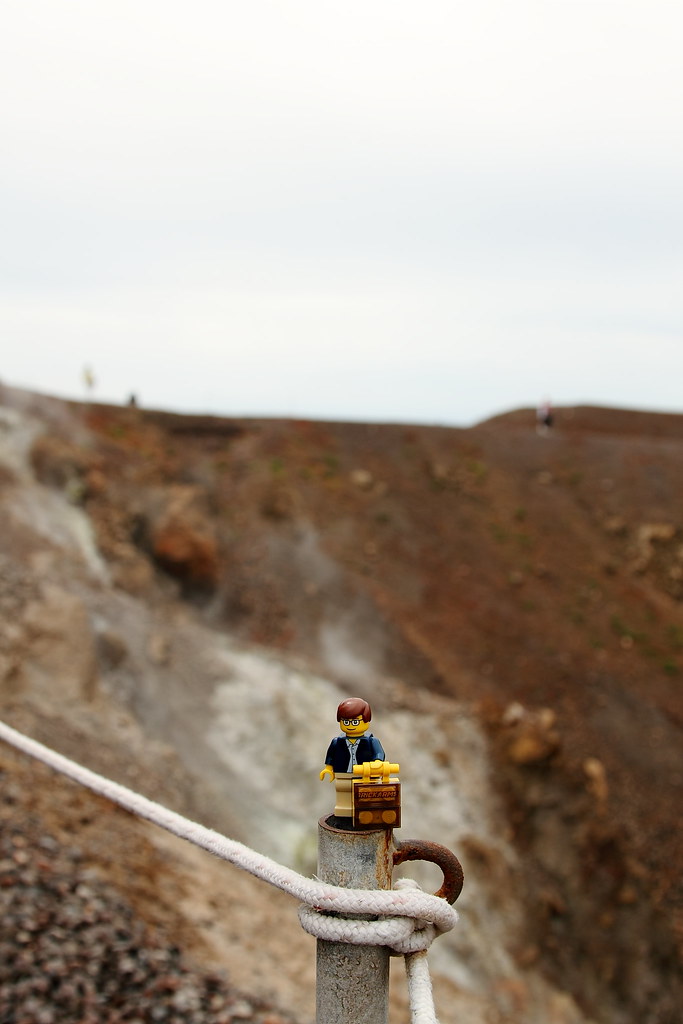
Reaching the summit of Nea Kameni’s volcanic crater is a moment of awe and sensory immersion. From the 130-meter-high rim, hikers are rewarded with sweeping panoramas of the Santorini caldera’s towering cliffs and the sparkling Aegean Sea. The crater itself reveals a rugged landscape of hardened lava and ash, with steam rising from fumaroles that emit a faint sulfurous aroma. The ground beneath is warm in places, a reminder of the volcano’s latent heat. The sound of escaping gases adds an eerie soundtrack to the scene. The stark black and brown volcanic rock contrasts vividly with the bright blue sky and sea, creating a dramatic visual spectacle. Walking the full circuit of the crater rim allows visitors to appreciate the island’s volcanic morphology and the scale of past eruptions. The summit experience is both humbling and exhilarating, connecting trekkers directly with the dynamic forces that shaped this extraordinary island.
Best Time to Trek Nea Kameni
The ideal time to hike Nea Kameni is during the spring through early autumn months, from April to October, when weather conditions are mild and dry. Summer months can be hot, with temperatures reaching up to 30°C (86°F), so early morning or late afternoon hikes are recommended to avoid peak heat. The volcanic island is exposed with little shade, making sun protection essential year-round. Winter months are cooler and wetter, with occasional rains that can make the gravel paths slippery and less comfortable for trekking. The volcano is closely monitored by scientific agencies, and while it is currently dormant, visitors should stay informed about any volcanic activity alerts or temporary access restrictions. Boat tours and hiking routes generally operate daily during the tourist season, with some operators offering morning and afternoon departures to suit different preferences. Avoiding peak tourist times can enhance the experience by reducing crowding on the trails.
Trekking Routes and Trail Options on Nea Kameni
Nea Kameni offers a primary hiking route that is well-defined and accessible to most visitors. The trail starts at the boat landing on the northern shore, where visitors disembark from excursion boats departing from Santorini’s ports, primarily Fira and Athinios. From the landing, a gravel path ascends steadily through volcanic terrain, passing notable features such as the older Mikri Kameni crater and the deeper Dafni crater. The path continues to the twin craters at the island’s summit, known as the Georgius Dome, which is the highest point at approximately 130 meters elevation. The trail around the crater rim allows hikers to complete a full circuit, providing varied views of the volcanic landscape and the surrounding caldera. The entire hike covers roughly 2.5 to 3 kilometers and typically takes 2 to 3 hours to complete at a moderate pace. Guided tours are widely available and often include detailed geological explanations and safety briefings. Some operators combine the hike with boat tours that include stops at the nearby hot springs of Palea Kameni for swimming and relaxation. While the main trail is the most popular and safest option, experienced hikers may explore smaller side paths with caution, but these are not officially maintained or recommended due to fragile terrain and safety concerns. Overall, the route is straightforward, well-marked, and suitable for self-guided visitors with moderate fitness.
Difficulty Assessment of the Nea Kameni Trek
The Nea Kameni hike is classified as a moderate volcano trek. The terrain involves steady elevation gain of about 130 meters over uneven volcanic rock and gravel paths. While the trail is well-maintained, hikers must navigate loose scree and rough lava surfaces that require good footwear and sure footing. The altitude is low enough to avoid significant altitude sickness, but the exposed volcanic landscape means hikers face direct sun and wind, which can increase fatigue. The trek does not require technical climbing skills or specialized equipment, making it accessible to most moderately fit travelers. However, the volcanic terrain’s unevenness and the absence of shade demand preparation with adequate water, sun protection, and sturdy boots. The hike’s duration of 2 to 3 hours is manageable for most visitors, but those with mobility issues or poor balance should exercise caution. Overall, the trek offers a rewarding challenge that balances accessibility with the ruggedness of an active volcanic environment.
Essential Gear for Hiking Nea Kameni Volcano
Preparing for a hike on Nea Kameni requires gear suited to volcanic terrain and exposed conditions. Essential items include sturdy hiking boots with good grip to handle uneven lava rocks and loose gravel. Trekking poles can provide additional stability on steep or slippery sections. A wide-brimmed hat and high SPF sunscreen are crucial due to the lack of shade and intense sun exposure. Lightweight, breathable clothing layered for temperature changes is recommended, along with a windproof jacket for summit breezes. Carrying at least 1.5 liters of water per person is necessary to stay hydrated during the dry hike. A small backpack to hold water, snacks, and personal items is useful. A headlamp or flashlight is advisable if hiking early morning or late afternoon. While gas masks are not typically required, sensitive individuals may consider a mask due to sulfur fumes near fumaroles. A camera or smartphone will capture the dramatic volcanic scenery. Finally, a map or guidebook and adherence to marked trails ensure safety and conservation of the fragile volcanic environment.
Safety and Volcanic Hazards on Nea Kameni
While Nea Kameni is currently dormant, it remains an active volcanic site with inherent risks that hikers must respect. The presence of active fumaroles emitting sulfur gases can cause respiratory irritation, especially for individuals with asthma or other sensitivities. Visitors should avoid lingering near vents and heed any posted warnings. The volcanic terrain includes unstable crater edges and loose scree slopes, posing risks of slips and falls. Falling rocks may occur in some areas, so caution is advised when near cliffs or steep sections. Sudden weather changes, including strong winds and rapid temperature drops near the summit, can affect safety and comfort. The island is monitored by the Institute for the Study and Monitoring of the Santorini Volcano (ISMOSAV), which provides updates and warnings. Visitors should stay informed through official channels and follow guidance from tour operators and local authorities. Emergency services are limited on the island, so preparedness and caution are essential. Overall, respecting trail boundaries, wearing appropriate gear, and maintaining awareness of volcanic activity and weather conditions ensure a safe trekking experience.
Permits, Guides, and Logistics for Visiting Nea Kameni
Access to Nea Kameni is exclusively by boat, with daily tours departing mainly from Santorini’s ports in Fira and Athinios. Visitors pay a small entrance fee of approximately 2 euros upon landing on the island, which contributes to conservation efforts. No special permits are required for hiking, but the island is a protected scientific site, and visitors must adhere to regulations prohibiting rock removal and off-trail exploration. Numerous local tour operators offer guided boat tours combined with hikes on Nea Kameni, including SEAze The Day, Santorini Volcano Tours, Solopassport, Greeka, and Holidify. These tours typically last 3 to 3.5 hours and include round-trip boat transfers, guided volcanic hikes, and optional stops at the nearby hot springs on Palea Kameni for swimming. Tours run twice daily during the high season, with morning and afternoon departures. Booking in advance is recommended, especially in peak tourist months. Self-guided visitors can also take public or private boats to the island and hike independently, following marked trails. Safety briefings and geological explanations are often provided by guides, enhancing the educational value of the visit. Logistics include arranging transportation to Santorini’s ports, with Fira being the main hub accessible by bus, taxi, or car from Santorini’s airport or ferry terminals. Visitors should plan for weather conditions and bring appropriate gear, water, and sun protection. Overall, the combination of accessible permits, reliable tour operators, and clear logistics makes Nea Kameni a well-supported destination for volcano trekking.
Where to Stay Near Nea Kameni Volcano
While Nea Kameni itself is uninhabited and offers no accommodations, the nearby island of Santorini provides a wide range of lodging options catering to volcano trekkers and travelers. The main base for visiting Nea Kameni is the town of Fira, located on the caldera’s edge approximately 15 minutes by boat from the volcanic island. Fira offers numerous hotels, guesthouses, and boutique accommodations with stunning caldera views. Notable options include Aria Suites, renowned for its panoramic rooms, personalized service, and amenities such as hot tubs with sea views. White Pearl Villas in Oia, another popular nearby village, offers unique cliffside rooms with private terraces and plunge pools, ideal for relaxation after a volcanic hike. Other towns like Imerovigli and Oia provide upscale lodging with spectacular sunsets and easy access to boat tours. Amenities commonly include air conditioning, Wi-Fi, and breakfast services. Many accommodations offer easy booking of volcano tours and local excursions. For budget travelers, hostels and guesthouses in Fira provide affordable options with convenient access to the old port, where boats to Nea Kameni depart. The proximity of these towns to the volcano’s boat landing points makes them ideal bases for early morning departures and flexible scheduling. Additionally, the vibrant local dining scene and transportation links enhance the overall experience. Visitors should book accommodations well in advance during peak seasons to secure preferred options.