
Mount Vulture Volcano Trekking Guide: Exploring Italy’s Dormant Complex Volcano and Its Stunning Caldera Lakes
Mount Vulture, a dormant complex volcano in Basilicata, Italy, offers a unique trekking experience through lush forests, volcanic calderas, and historic abbeys. This guide covers the geological background, detailed hiking terrain, routes, safety, permits, accommodations, and local tour operators for an immersive volcano trekking adventure.
Quick Volcano Snapshot
| Attribute | Value |
|---|---|
| Volcano type | Complex volcano |
| Elevation | 1,326 m (4,350 ft) |
| Location | Basilicata, Italy |
| Activity status | Dormant |
| Trekking difficulty | Moderate |
| Typical trek duration | 5-6 hours |
| Altitude gain | Approximately 700 m |
| Terrain type | Forested trails, volcanic ash, lava rock, caldera rim |
| Best season | Spring to early autumn (April to October) |
| Temperature range | 5°C to 25°C depending on season |
| Permit requirement | No special permits required |
Introduction: The Experience of Hiking Mount Vulture
Approaching Mount Vulture, hikers are greeted by a striking volcanic silhouette rising above the Basilicata landscape. The trek immerses you in a dramatic geological setting where ancient lava flows and lush forests intertwine. As you ascend, the contrast between the dense chestnut and beech woods and the barren volcanic caldera becomes vivid. The air carries a subtle scent of earth and history, while panoramic views unfold over the Monticchio lakes nestled within the crater. Reaching the summit offers a profound sense of connection to the Earth’s volcanic power and the serene beauty of this dormant giant.
The Volcano Itself: Geological Background
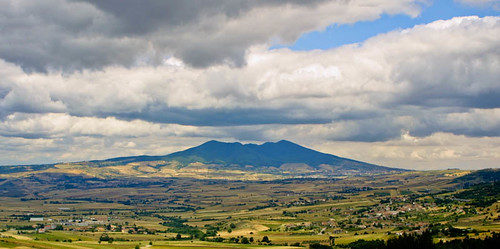
Mount Vulture is a complex volcano located in southern Italy’s Basilicata region, standing at 1,326 meters. Its volcanic activity began around one million years ago with explosive eruptions producing ignimbrites. Around 830,000 years ago, the volcano’s eruptive style shifted to a mix of pyroclastic and effusive lava flows, building the current mountain structure. The summit features a large caldera known as Valle dei Grigi, whose origin is debated but may result from a sector collapse similar to Mount St. Helens. The volcano’s last activity occurred approximately 40,000 years ago with phreatomagmatic explosions forming maars and pyroclastic surges. Today, the area still exhibits active outgassing of carbon dioxide and mantle-derived gases, reflecting its volcanic heritage. The volcanic soils have enriched the region, supporting diverse vegetation and viticulture.
The Volcano Trek: Terrain and Hiking Experience
The trek up Mount Vulture offers a varied and engaging hiking experience through volcanic and forested terrain. Starting near the Monticchio lakes, the trail winds through dense chestnut, beech, and oak forests, providing shade and a rich natural atmosphere. The path alternates between well-maintained dirt tracks, forest trails, and occasional stretches of volcanic ash and loose pumice, which can challenge footing and require careful steps. As you ascend, the terrain becomes steeper with sections of rocky outcrops and lava formations that invite light scrambling. The volcanic soil is fertile but can be uneven, demanding sturdy hiking boots with good grip. The trail is well-marked, particularly along the popular Sentiero 102 route, which leads hikers past the historic Abbey of San Michele, perched dramatically on the caldera rim. The abbey itself is carved into tuff rock, adding a cultural highlight to the natural journey. Near the summit, the landscape opens to panoramic views of the caldera lakes and surrounding Apennine hills. Wind exposure increases at higher elevations, and temperatures can drop, so layered clothing is advisable. The altitude is moderate, but the steady elevation gain of approximately 700 meters over 12 kilometers requires a reasonable fitness level. Hikers should be prepared for a full day of trekking, typically lasting 5 to 6 hours, including stops for sightseeing and rest. Water sources are limited on the trail, so carrying sufficient hydration is essential. The trail’s diversity—from forest shade to volcanic rock and open ridges—offers a dynamic hiking experience that combines natural beauty, geological intrigue, and cultural heritage.
What Makes This Volcano Trek Unique
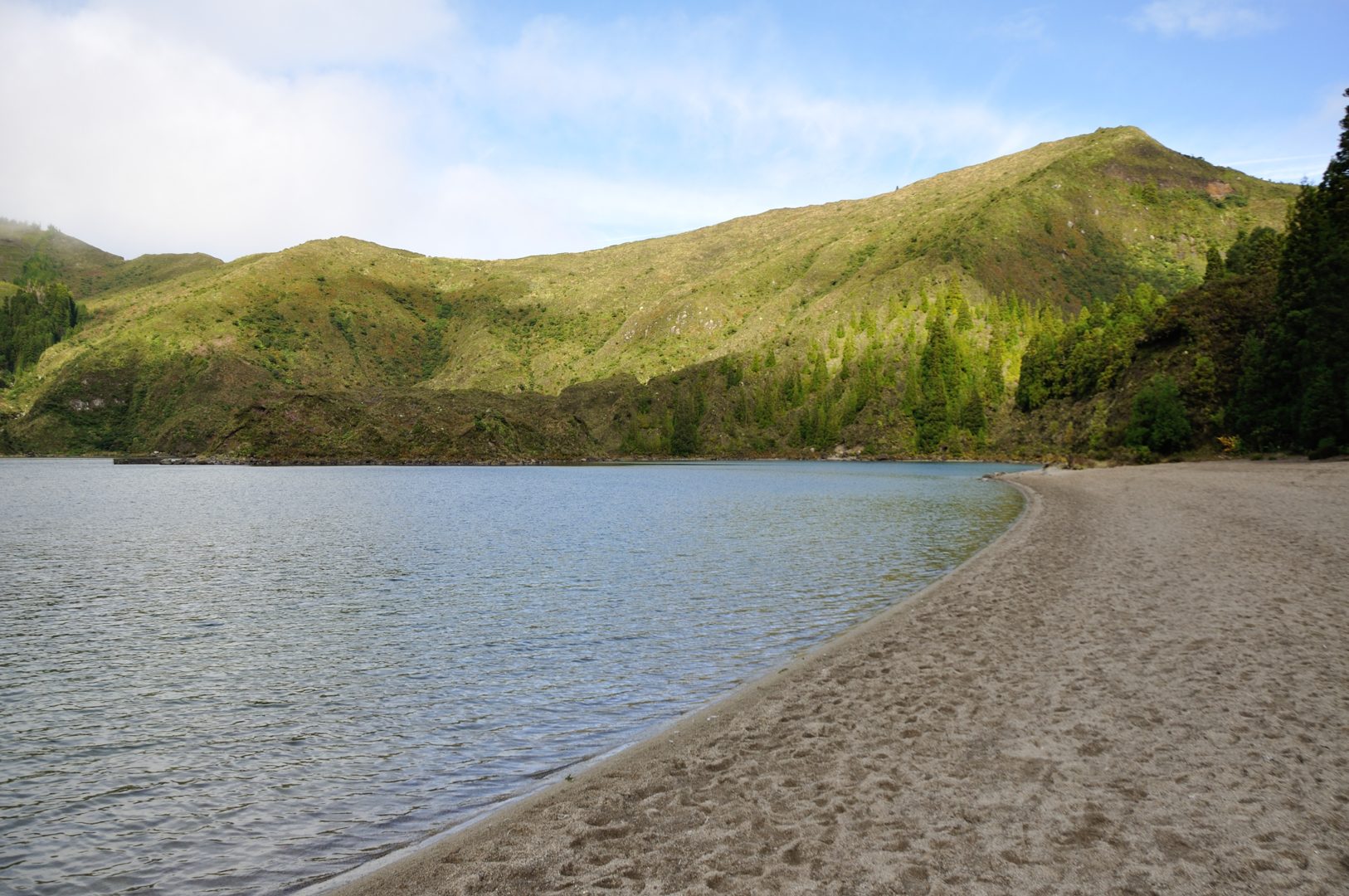
Mount Vulture stands out for its large volcanic caldera housing two stunning crater lakes, Lago Piccolo and Lago Grande, which are rare features in Italian volcanoes. The trek combines geological wonders with rich biodiversity, traversing lush forests and volcanic landscapes. The presence of historic sites like the Abbey of San Michele, carved into volcanic tuff, adds a spiritual and cultural dimension. Unlike many active volcanoes, Mount Vulture’s dormant status allows for peaceful exploration without the hazards of eruptions, while still offering visible signs of its volcanic past such as fumaroles and mineral springs. The region’s volcanic soil supports renowned vineyards producing Aglianico del Vulture wine, linking the natural environment to local traditions. This blend of natural beauty, geological complexity, and cultural heritage makes the Mount Vulture trek a distinctive adventure.
The Summit and Crater Experience
Reaching Mount Vulture’s summit reveals breathtaking views across the expansive caldera and the twin crater lakes nestled within. The crater rim offers a commanding vantage point over the surrounding Apennine mountains and the fertile plains below. The air here carries a faint mineral scent, a reminder of the volcano’s fiery origins. Though dormant, the landscape still whispers its volcanic story through scattered fumaroles and the rugged terrain shaped by ancient eruptions. The peaceful lakes reflect the sky, contrasting with the rugged volcanic rock. The summit experience is both humbling and exhilarating, connecting hikers to the powerful geological forces that shaped this unique landscape.
Best Time to Trek Mount Vulture
The ideal trekking season for Mount Vulture spans from spring through early autumn, roughly April to October. During these months, the weather is generally mild, with daytime temperatures ranging from 15°C to 25°C, making for comfortable hiking conditions. Spring offers blooming wildflowers and vibrant greenery, while autumn showcases colorful foliage and the grape harvest season in local vineyards. Summer can be warm, especially in exposed areas, so early morning starts are recommended to avoid midday heat. Winter months bring colder temperatures and occasional snow, which can make trails slippery and less accessible. The volcano’s dormant status means there are no volcanic activity restrictions, but hikers should always check local weather forecasts and park advisories before planning their trip.
Trekking Routes and Trail Options
Mount Vulture offers several well-marked trekking routes catering to moderate-level hikers. The most popular route begins at the Monticchio lakes parking area near Lago Piccolo. From here, the trail follows a circular path encompassing the crater rim and the Abbey of San Michele. This route covers approximately 12.35 kilometers with an elevation gain of around 700 meters and typically takes 5 to 6 hours to complete. The path combines asphalt, dirt roads, and forest trails, providing varied terrain and scenic diversity. Another option is a longer circular trek starting from the town of Rionero in Vulture, which includes visits to local vineyards and historical sites, extending the hike to a full day. Guided tours are available through operators such as Italy Gonia and Fenix Tours, offering expert insights into the volcano’s geology and local culture. Self-guided hikers can rely on GPS tracks available from outdoor platforms and detailed signage along the main trails. The routes are accessible year-round but are best enjoyed in spring, summer, and early autumn when weather conditions are favorable.
Difficulty Assessment
Mount Vulture’s trekking routes are classified as moderate in difficulty. The terrain includes steady elevation gain of approximately 700 meters over distances of 12 kilometers or more. Hikers encounter mixed surfaces such as forest paths, volcanic ash, loose pumice, and occasional rocky sections requiring careful footing. While no technical climbing skills are necessary, a good level of fitness and endurance is recommended to manage the ascent and descent comfortably. Altitude is moderate at 1,326 meters, so altitude sickness is generally not a concern. Weather conditions can influence difficulty, with wind exposure near the summit and variable temperatures. Overall, the trek suits hikers with some prior mountain experience looking for a rewarding volcano hiking adventure without technical challenges.
Essential Volcano Trekking Gear
For trekking Mount Vulture, essential gear includes sturdy hiking boots with good traction to handle volcanic ash and rocky terrain. Trekking poles are recommended to aid balance on loose surfaces and reduce strain during ascent and descent. Layered clothing is important to adapt to temperature changes, including a windproof jacket for summit exposure. A hat and sunscreen are necessary due to limited shade in some areas. Carry sufficient water and snacks, as natural water sources are scarce along the trail. A headlamp can be useful for early starts or late finishes. While volcanic gases are minimal due to dormancy, a basic first aid kit and a map or GPS device are advisable for safety and navigation.
Safety and Volcanic Hazards
Mount Vulture is a dormant volcano with no recent eruptive activity, significantly reducing volcanic hazards for trekkers. However, hikers should remain cautious of natural trail risks such as loose volcanic ash, pumice, and rocky sections that can cause slips or falls. Weather can change rapidly at higher elevations, bringing wind and cooler temperatures. The crater rim areas may have unstable edges, so maintaining a safe distance is essential. Although active fumaroles are minimal, hikers should avoid any steam vents or unusual ground cracks. Local authorities and the Vulture Regional Natural Park monitor the area and provide safety information. It is advisable to check weather and trail conditions before hiking and to follow marked paths and park guidelines to ensure a safe trekking experience.
Permits, Guides, and Logistics
Mount Vulture does not require special permits for hiking, making it accessible for independent trekkers. Entry to the Vulture Regional Natural Park is free, and there are no park fees or restrictions on trail access. For those seeking guided experiences, several reputable tour operators offer organized hikes and cultural tours around the volcano and Monticchio lakes. Notable providers include Italy Gonia, which offers private tours focusing on the lakes and abbeys; Fenix Tours, specializing in nature and trekking excursions; Martulli Viaggi, providing seasonal trekking packages; and Private Tours Puglia Basilicata, which arranges customized itineraries combining hiking with local history and gastronomy. Booking in advance is recommended, especially during peak seasons. Logistics for reaching Mount Vulture are straightforward: the nearest major city is Potenza, approximately 56 km south, with road access to towns like Rionero in Vulture and Monticchio. Public transport options are limited, so renting a car or joining a guided tour is advisable. Accommodation options are available in nearby towns, with several hotels and guesthouses offering comfortable stays close to trailheads. Hikers should prepare for a full day on the trail, carrying sufficient water and supplies, as facilities along the route are sparse except near the abbey and lakes where some bars and restaurants operate.
Where to Stay Near Mount Vulture
Accommodation near Mount Vulture is concentrated in the towns of Rionero in Vulture and Monticchio, both offering convenient access to the volcano’s trailheads and natural attractions. Rionero in Vulture is a charming town with a range of lodging options including Hotel La Pergola, known for its friendly staff and central location, and Hotel Ristorante Di Pasquale Farese, which offers comfortable rooms near historical sites. These hotels provide amenities such as parking, Wi-Fi, and easy access to local dining and shops. Monticchio, situated closer to the crater lakes, features smaller guesthouses and agriturismi that immerse visitors in the rural landscape. While there are no accommodations directly on the volcano, these nearby bases serve as excellent starting points for daily treks. Visitors can enjoy local cuisine, regional wines like Aglianico del Vulture, and explore cultural landmarks such as the Abbey of San Michele. For those seeking guided tours, many operators offer pick-up services from these towns. It is advisable to book accommodations in advance during peak hiking seasons and local festivals to ensure availability.