
Mount Sumbing Volcano Trekking Guide: Conquer Central Java’s Majestic Stratovolcano
Mount Sumbing, Central Java’s second-highest stratovolcano, offers a demanding yet rewarding trekking experience. This comprehensive guide covers geological insights, trekking routes, safety tips, permits, accommodations, and tour operators to help adventurers prepare for an unforgettable volcano hike.
Quick Volcano Snapshot
| Attribute | Value |
|---|---|
| Volcano type | Stratovolcano |
| Elevation | 3,371 m |
| Location | Central Java, Indonesia |
| Activity status | Dormant |
| Trekking difficulty | Demanding |
| Typical trek duration | 6-8 hours ascent, 1-2 days for camping tours |
| Altitude gain | Approximately 2,000 m |
| Terrain type | Steep ash slopes, rocky trails, forest paths, savanna, volcanic sand sea |
| Best season | Dry season (May to September) |
| Temperature range | 10°C to 20°C (daytime), colder at summit |
| Permit requirement | Mandatory registration and permits at basecamp |
Introduction: The Experience of Hiking Mount Sumbing
Approaching Mount Sumbing, the air grows crisp and the landscape transforms into a dramatic volcanic realm. The towering stratovolcano rises majestically above lush tropical forests and verdant plantations. As you ascend, the terrain shifts from dense greenery to open savanna and volcanic sand seas, revealing the raw power of geological forces. The summit offers a humbling encounter with an 800-meter-wide crater, steaming vents, and bubbling mud pools. Reaching the peak, the panoramic views of surrounding volcanoes and valleys evoke a profound connection with nature’s elemental energy.
Geological Background of Mount Sumbing
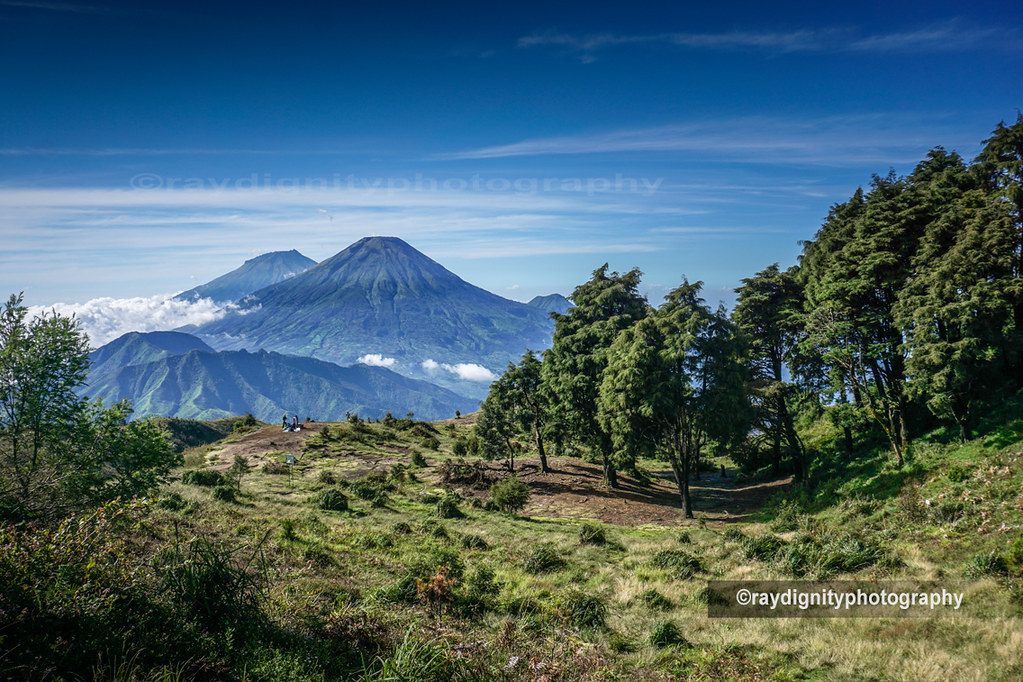
Mount Sumbing is a classic stratovolcano formed by layers of hardened lava, tephra, and volcanic ash. Rising to 3,371 meters, it is Central Java’s second-highest peak and part of a twin volcanic system with nearby Mount Sindoro. The volcano’s formation dates back thousands of years through successive eruptions that built its steep conical shape. Its summit features a large caldera with an 800-meter-wide crater containing white rock slopes, steaming fumaroles, and bubbling mud pools. Sulfur deposits and hot springs at the southwest foot highlight ongoing geothermal activity despite its dormant status. The volcanic soils support rich vegetation on the lower slopes, contrasting with the barren summit landscape shaped by past eruptions.
The Volcano Trek: Terrain and Hiking Experience
Hiking Mount Sumbing is a physically demanding adventure that challenges trekkers with steep ascents and varied volcanic terrain. The most popular routes start from villages such as Kalikuning, Garung, and Batursari, each offering unique trail characteristics. The initial sections wind through tropical montane forests rich with moss-covered trees and diverse wildlife, providing shade and a cool respite. As elevation increases, the forest thins, giving way to open savanna and volcanic sand seas — vast expanses of loose volcanic ash and sand that require careful footing.
The trail becomes steeper and rockier approaching the summit, with sections of loose pumice and volcanic scree that can be slippery and unstable. Trekkers must navigate rocky outcrops and occasional scrambling on third-class terrain aided by fixed ropes. The altitude gain of approximately 2,000 meters can cause noticeable effects such as breathlessness and fatigue, demanding good physical preparation.
Wind conditions near the summit can be strong and chilling, with temperatures dropping significantly compared to the base. Early morning summit attempts often involve hiking in darkness, requiring headlamps and layered clothing. The volcanic terrain offers dramatic contrasts — from lush green foothills to stark white crater slopes and sulfur-streaked fumaroles. Descents can be fast but require caution due to loose scree and steep gradients.
Overall, the trek combines technical challenges with breathtaking natural beauty, rewarding hikers with a profound sense of accomplishment and connection to Java’s volcanic heart.
What Makes the Mount Sumbing Trek Unique
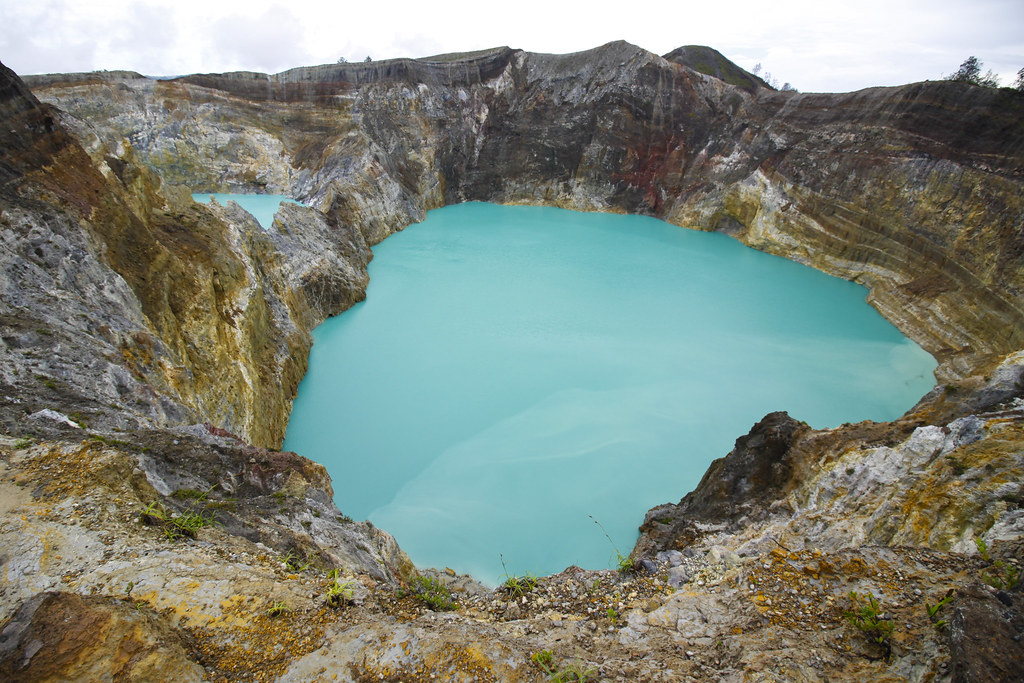
Mount Sumbing’s trek stands out for its twin volcano experience alongside Mount Sindoro, offering spectacular views of both peaks. The expansive 800-meter-wide crater with steaming vents and bubbling mud pools creates a dynamic volcanic landscape rarely seen on other treks. The presence of a small crater lake and hot springs at the volcano’s foot adds to the geological diversity.
The trail’s passage through lush tropical forests, open savanna, and volcanic sand seas provides a varied ecological and visual journey. The opportunity to witness sunrise from the summit, illuminating the surrounding volcanic peaks and valleys, is a breathtaking highlight. The combination of demanding terrain, rich natural beauty, and volcanic features makes Mount Sumbing a compelling destination for serious volcano trekkers and geology enthusiasts.
The Summit and Crater Experience
Reaching Mount Sumbing’s summit is a moment of awe and exhilaration. The panoramic vista reveals a sea of volcanic peaks, verdant valleys, and the twin silhouette of Mount Sindoro. The crater itself is a vast amphitheater of white rock slopes, steaming fumaroles, and bubbling mud pools that emit a faint sulfuric aroma. The heat radiating from fumaroles contrasts with the cool mountain air, while the occasional hiss of escaping gases punctuates the silence.
Exploring the crater rim, hikers encounter rugged volcanic formations and can peer into the depths of the caldera. The summit’s exposure to wind and altitude creates a raw, elemental atmosphere. Many trekkers pause here to absorb the profound geological power beneath their feet and the serene beauty surrounding them before beginning the descent.
Best Time to Trek Mount Sumbing
The optimal time to hike Mount Sumbing is during the dry season, from May to September, when trails are less muddy and weather conditions are more stable. Early morning summit attempts are common to catch the sunrise and avoid afternoon clouds or rain. Outside the dry season, sudden rain showers and slippery trails increase risks.
Volcanic activity is monitored, but as a dormant volcano, Mount Sumbing generally has no active eruption restrictions. However, hikers should always check local advisories before planning their trip. Temperatures can drop sharply at higher elevations, especially before dawn, so warm clothing is essential. Avoiding the monsoon months ensures safer and more enjoyable trekking conditions.
Trekking Routes and Trail Options on Mount Sumbing
Mount Sumbing offers several trekking routes, with the most popular being the Garung and Batursari trails. The Garung route is favored by novice climbers due to its accessible basecamp located roadside, making logistics simpler. This trail ascends through dense forest and offers scenic views, taking approximately 6 to 8 hours to reach the summit. It features steep, rocky sections and requires good stamina.
The Batursari route is more challenging and less frequented, appealing to experienced trekkers seeking solitude and rugged terrain. It passes through diverse ecosystems, including tropical forests and volcanic savanna, with a longer ascent time.
Both routes require mandatory registration at basecamp, and motorbike ojeks can transport hikers partway to reduce initial elevation gain. Guided and self-guided options are available, with local tour operators providing comprehensive packages including porters, guides, and camping equipment.
Camping is possible at designated sites such as the Sunrise Camp near Post 3, allowing for multi-day treks with sunrise summit climbs. The trail conditions vary from forest paths to loose volcanic ash and rocky scrambles near the summit, demanding careful preparation and physical fitness.
Difficulty Assessment of Mount Sumbing Trek
Mount Sumbing is classified as a demanding volcano trek due to its steep elevation gain, challenging terrain, and altitude. The trail includes steep ash slopes, loose pumice, rocky scrambling sections with exposure, and variable weather conditions. Trekkers should have good cardiovascular fitness, hiking experience, and the ability to navigate uneven and slippery surfaces.
While technical mountaineering equipment is generally not required, some scrambling on third-class terrain with fixed ropes near the summit demands surefootedness and caution. Altitude effects may cause fatigue and breathlessness, so acclimatization and pacing are important. This trek is not recommended for beginners without prior high-altitude hiking experience.
Essential Volcano Trekking Gear for Mount Sumbing
Proper gear is crucial for a safe and comfortable Mount Sumbing trek. Recommended items include sturdy hiking boots with good grip for rocky and loose volcanic terrain, trekking poles to aid balance and reduce strain on steep ascents and descents, and gaiters to protect against volcanic ash and debris.
Layered clothing is essential to adapt to temperature changes, including moisture-wicking base layers, insulating mid-layers, and a windproof, waterproof outer shell. A warm hat and gloves are necessary for summit conditions. Headlamps are vital for pre-dawn climbs. Due to fumaroles emitting sulfur gases, a lightweight gas mask or respirator can be helpful for sensitive individuals.
Additional gear includes hydration systems, sun protection (hat, sunglasses, sunscreen), a first aid kit, and camping equipment if staying overnight. Carrying sufficient food and snacks to maintain energy is also important.
Safety and Volcanic Hazards on Mount Sumbing
While Mount Sumbing is dormant, trekkers must remain vigilant of volcanic hazards such as unstable crater edges, fumarolic gas emissions, and loose scree slopes. The sulfurous gases near fumaroles can cause respiratory irritation; sensitive hikers should consider masks. The steep and rocky terrain increases risks of slips and falls, especially on loose volcanic ash and pumice.
Weather can change rapidly, with strong winds and cold temperatures at higher elevations posing hypothermia risks. Hikers should monitor local volcanic activity reports and adhere to park regulations. Registration at basecamp ensures authorities are aware of your presence, enhancing rescue response if needed. Using experienced guides and porters improves safety, especially on exposed summit sections.
Permits, Guides, and Logistics for Mount Sumbing Trekking
Climbing Mount Sumbing requires mandatory registration and permits obtained at the basecamp, typically located in villages such as Garung or Kalikuning. Hikers must fill out registration forms, present health certificates, and comply with local regulations including environmental and safety protocols. Registration usually opens early morning, and late starts after 4 PM are prohibited.
Several reputable local tour operators provide comprehensive trekking packages that include permits, professional guides, porters, camping equipment, meals, and transportation. Notable operators include Climb Indonesia, Jelaja, Wonderful Borobudur Tours, Porter Gunung Sumbing, Indo Leisures, and Jomblang Cave Tour. These companies ensure safety, environmental responsibility, and logistical ease.
Tour costs vary depending on group size and services but typically range from IDR 1,850,000 to 4,700,000 per person for 1-2 day packages. Many operators offer private or group tours with customizable itineraries. Transport from major cities like Yogyakarta or Semarang to basecamp is included in most packages, with options for motorbike ojeks to reduce initial hiking elevation.
Hikers are advised to book tours in advance, especially during peak trekking seasons. Carrying proper gear and adhering to safety guidelines is mandatory. The local authorities enforce strict rules against littering, unauthorized camping, and carrying prohibited items such as weapons or drugs. Respect for local customs and environmental stewardship is emphasized throughout the trekking experience.
Where to Stay and Nearby Bases for Mount Sumbing Treks
Accommodation options near Mount Sumbing cater to a range of preferences, from budget guesthouses to comfortable villas. The villages of Garung, Kalikuning, and Mangli serve as primary basecamp areas with several lodging choices.
In Garung, simple homestays and guesthouses provide affordable rooms with basic amenities, ideal for early morning starts. Kalikuning offers similar options with easy access to the popular hiking trailheads. For travelers seeking more comfort, nearby towns such as Temanggung and Magelang feature hotels and inns with modern facilities.
For a more private and scenic stay, Villa Blue Steps in Kasihan offers a tranquil retreat surrounded by rice paddies and green hills, approximately 10-15 minutes from Yogyakarta city center. This villa includes amenities such as private gardens, swimming pools, and catered meals, perfect for relaxing before or after the trek.
Many tour operators include lodging in their packages, arranging accommodations that align with the trekking itinerary. Camping is also popular on the mountain itself, with designated sites like Sunrise Camp near Post 3 providing tents and basic facilities. Staying overnight on the mountain allows for sunrise summit climbs and a deeper immersion in the volcanic environment.
Travelers should book accommodations in advance during peak seasons and consider proximity to trailheads to minimize early morning travel. Local guesthouses often provide meals and can assist with arranging transport and guides.