Nevado del Tolima Volcano Trekking Guide: Conquer Colombia’s Snow-Capped Stratovolcano
Nevado del Tolima is a demanding 5,221-meter stratovolcano trek in Colombia’s Central Andes. This comprehensive guide covers its geology, trekking routes, terrain challenges, permits, logistics, and accommodation options for adventurers seeking a high-altitude volcanic experience.
Quick Volcano Snapshot
| Attribute | Value |
|---|---|
| Volcano type | Stratovolcano |
| Elevation | 5,221 meters (17,126 feet) |
| Location | Tolima Department, Central Andes, Colombia |
| Activity status | Dormant |
| Trekking difficulty | Demanding |
| Typical trek duration | 4 to 6 days |
| Altitude gain | Approximately 2,800 meters (9,186 feet) from Cocora Valley |
| Terrain type | Lava domes, glacier, volcanic ash slopes, rocky and sandy moraine, páramo ecosystem |
| Best season | Dry season from December to March |
| Temperature range | -4°C to 18°C (23°F to 64°F) |
| Permit requirement | Required – Los Nevados National Park entry permits and guided trek recommended |
Introduction: The Experience of Hiking Nevado del Tolima
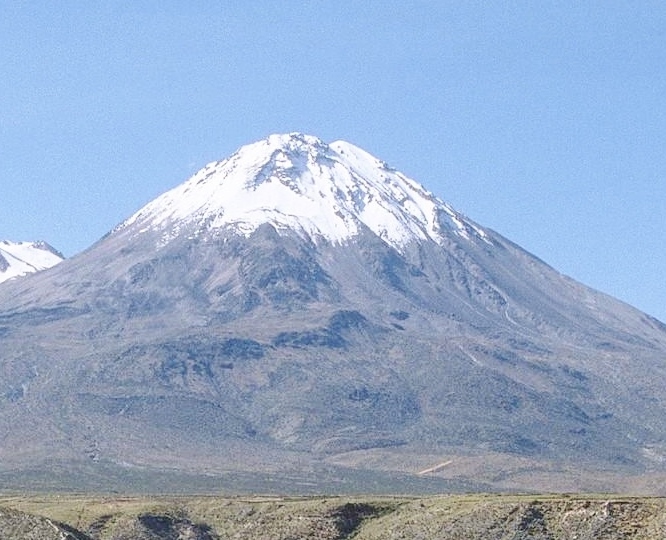
Approaching Nevado del Tolima, the air sharpens and the landscape transforms into a dramatic tableau of volcanic power and Andean majesty. The towering snow-capped peak rises above the lush coffee region, its symmetrical cone piercing the sky. Trekking through the Cocora Valley, hikers traverse cloud forests and the iconic wax palm groves, stepping from vibrant green into the stark, otherworldly páramo. The contrast between fertile valleys and the barren volcanic slopes evokes a profound sense of nature’s raw forces. Reaching the crater rim, the silence is punctuated by the crunch of snow and ice underfoot, the cold wind carrying the scent of ancient glaciers. Standing atop this dormant giant, panoramic views of the Central Andes unfold, a reward for the demanding ascent and a moment of connection with Earth’s fiery heart.
Geological Background of Nevado del Tolima
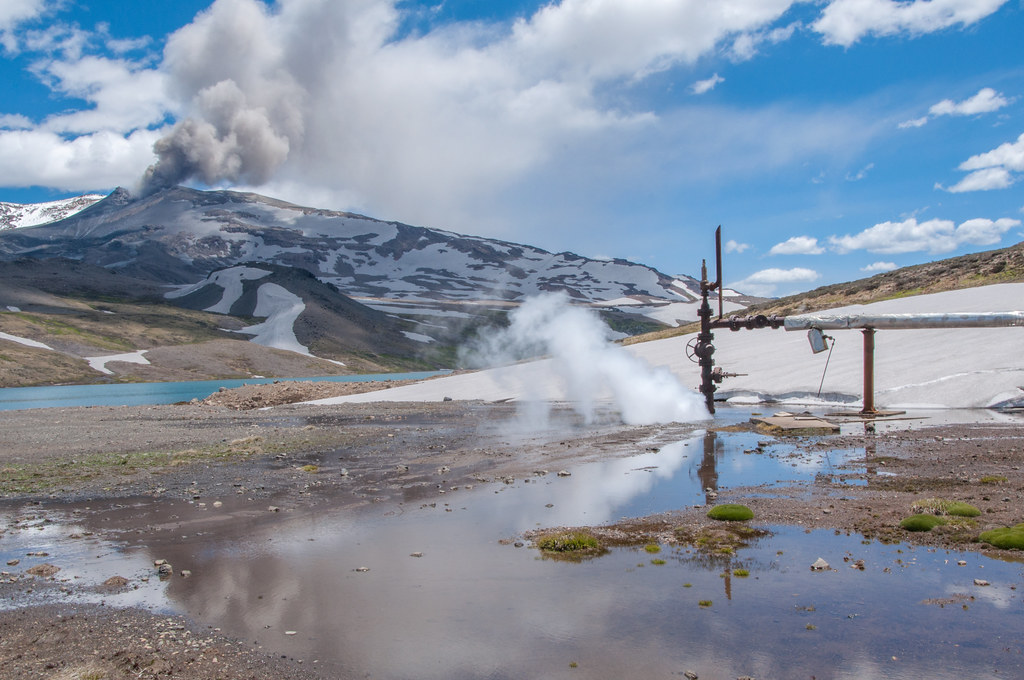
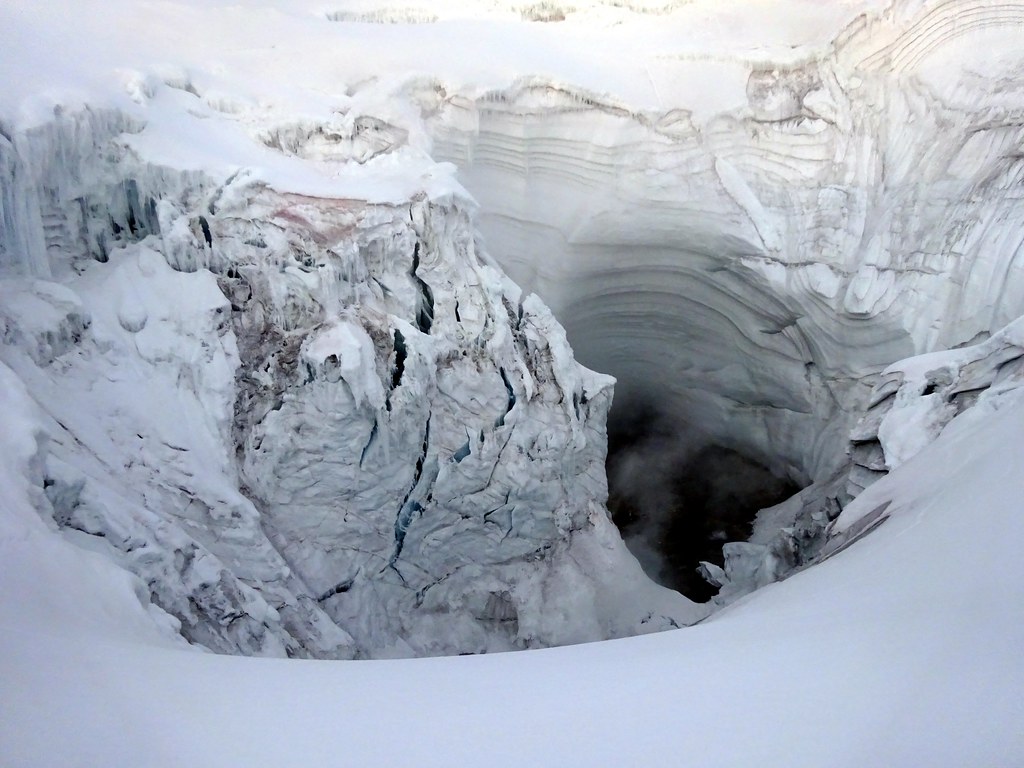
Nevado del Tolima is a stratovolcano formed during the Late Pleistocene, characterized by andesitic to dacitic lava domes and thick block lava flows. It rises prominently within Los Nevados National Natural Park, south of the active Nevado del Ruiz. The volcano’s summit features a funnel-shaped crater approximately 200 to 300 meters deep, surrounded by a cluster of lava domes formed over the past 40,000 years. Its geological history includes explosive eruptions ranging from moderate to plinian in scale, with the last major eruption occurring about 3,600 years ago and minor activity recorded as recently as 1943. The summit glacier, a remnant of colder climatic periods, overlays volcanic rock altered by fumarolic activity. The volcano’s radial drainage feeds several rivers vital to the region’s ecology and human settlements. Unique geological features include extensive pyroclastic flow deposits and fumaroles that hint at the volcano’s restless past.
The Volcano Trek: Terrain and Hiking Experience
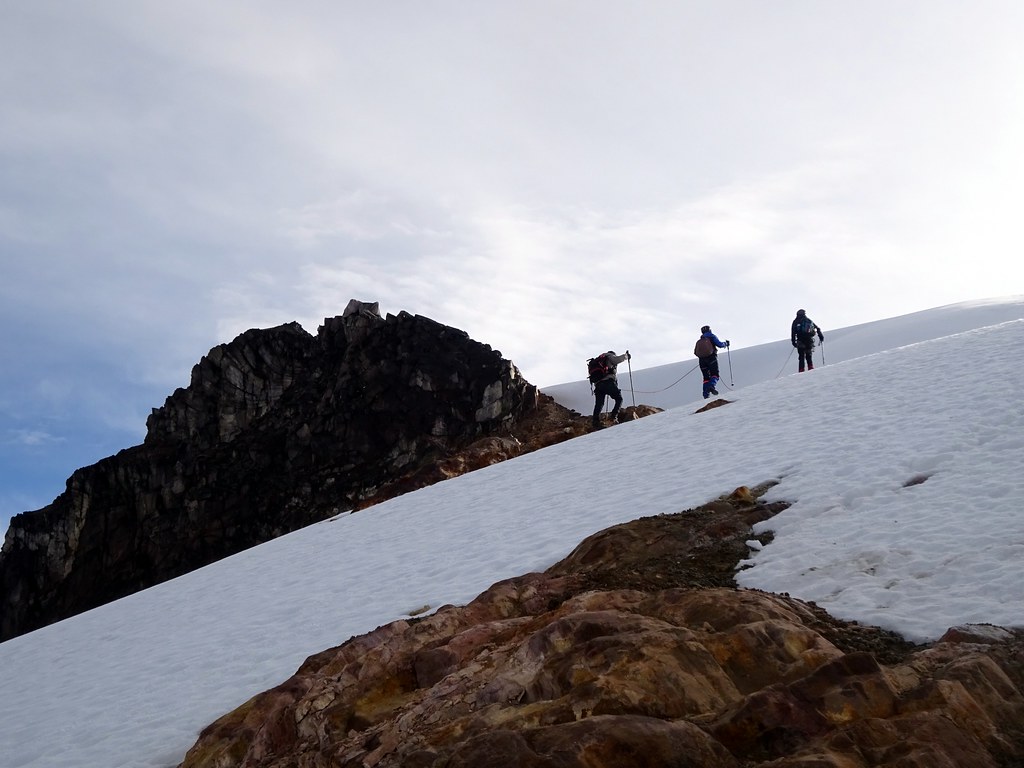
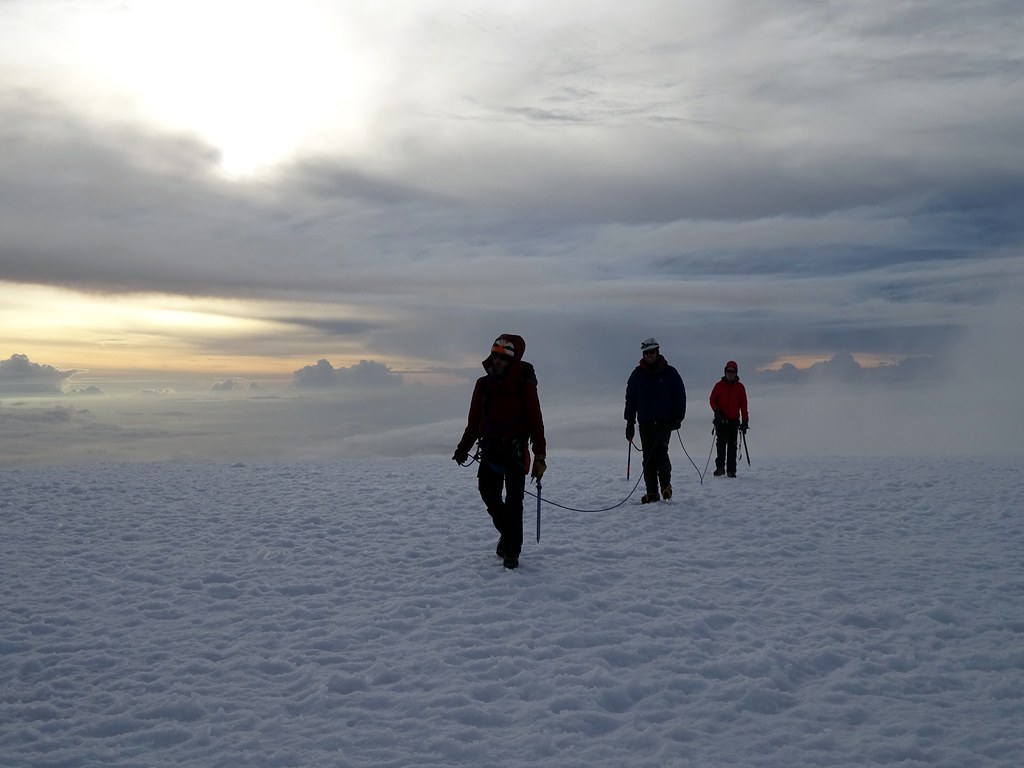
Trekking Nevado del Tolima is a journey through diverse and challenging terrain that tests both physical endurance and mental resilience. The ascent begins in the Cocora Valley at around 2,400 meters, where hikers navigate lush cloud forests rich with endemic flora and fauna. The trail crosses multiple suspension bridges and passes through the Acaime Natural Reserve, a sanctuary for hummingbirds and other wildlife. As the trek progresses, the landscape shifts dramatically into the sub-páramo and páramo ecosystems, characterized by frailejones and sparse vegetation adapted to cold, windy conditions. The terrain becomes increasingly rugged with sandy slopes, loose volcanic ash, and rocky moraines demanding careful footing. Altitude gain is significant, with hikers ascending over 2,800 meters to reach the summit at 5,221 meters. The final sections involve glacier travel requiring crampons, ice axes, and harnesses, where the terrain is steep, icy, and exposed. Weather conditions can vary rapidly, with temperatures ranging from mild in the valley to below freezing near the summit. Wind and altitude effects add to the challenge, making acclimatization essential. The trail demands stamina and technical skill, especially on the glacier where hands-on scrambling and careful navigation of crevasses are necessary. Despite the difficulty, the trek rewards adventurers with breathtaking vistas of volcanic landscapes, snowfields, and panoramic views of the Central Andes. The combination of ecological diversity, volcanic geology, and high-altitude alpine conditions makes the Nevado del Tolima trek a uniquely immersive experience for seasoned hikers.
What Makes the Nevado del Tolima Trek Unique
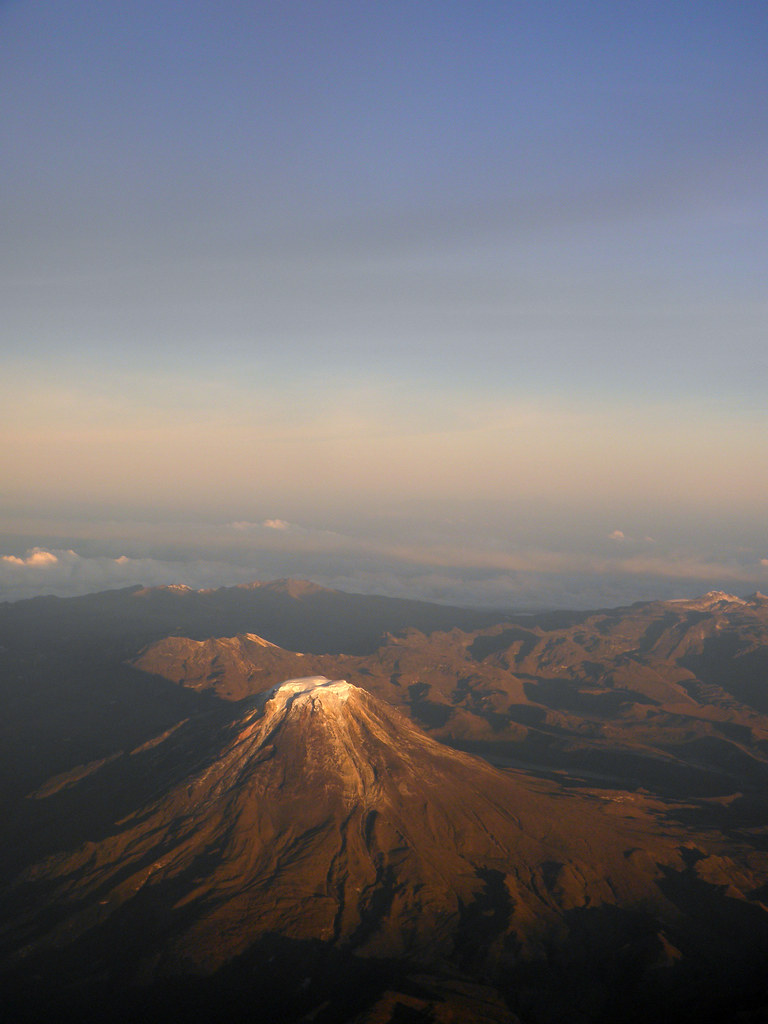
Nevado del Tolima stands out for its striking snow-capped peak amidst Colombia’s tropical Andes, offering a rare blend of volcanic and glacial environments. The trek traverses multiple ecological zones, from cloud forests to páramo, showcasing unique flora such as the iconic frailejones. The volcano’s symmetrical cone and the presence of a summit glacier provide dramatic alpine scenery uncommon in equatorial regions. Unlike many volcanoes, Tolima’s ascent includes glacier travel, requiring technical equipment and skills, adding an adventurous mountaineering element. The panoramic summit views encompass neighboring volcanoes like Nevado del Ruiz and Paramillo del Quindío, as well as vast Andean valleys and rivers. The cultural backdrop of the Colombian coffee region enriches the experience, with local farms and traditional hospitality along the route. This combination of geological grandeur, ecological diversity, and cultural immersion makes Nevado del Tolima a standout volcano trek.
The Summit and Crater Experience
Reaching the summit of Nevado del Tolima is a moment of profound achievement and sensory immersion. At 5,221 meters, the air is thin and crisp, and the panoramic views are breathtaking. From the crater rim, hikers witness a vast expanse of the Central Andes, with neighboring volcanoes and glacial lakes dotting the landscape. The crater itself is a deep funnel-shaped depression, surrounded by rugged lava domes and patches of enduring snow and ice. The cold wind carries the faint scent of volcanic minerals, while the crunch of snow and ice underfoot punctuates the silence. The summit’s isolation and altitude create a powerful sense of connection to Earth’s geological forces. The experience is both humbling and exhilarating, a reward for the demanding ascent and a rare opportunity to stand atop one of Colombia’s most majestic volcanoes.
Best Time to Trek Nevado del Tolima
The optimal time to trek Nevado del Tolima is during Colombia’s dry season, from December to March. During these months, trails are less muddy, weather is more stable, and visibility is generally clearer, enhancing safety and enjoyment. The dry season reduces the risk of slippery conditions on volcanic ash slopes and glacier ice. Outside this period, especially from April to November, heavy rains can make trails challenging and increase the risk of landslides and mudslides. Seasonal park closures occur four times a year, including Easter Week and specific weeks in May, September, and November, so it is essential to check park regulations in advance. Early morning summit attempts are common to avoid afternoon weather changes and to experience sunrise views. Proper acclimatization and preparation for cold temperatures, which can drop below freezing at night and near the summit, are critical regardless of season.
Trekking Routes and Trail Options
The most popular route to Nevado del Tolima’s summit begins in the Cocora Valley near Salento, starting at approximately 2,400 meters. This classic 4-day itinerary includes progressive acclimatization stages with overnight stops at mountain farms such as La Primavera (3,700 m) and the Base Camp at Arenales (4,400 m). Day 1 involves trekking through cloud forest and páramo ecosystems to La Primavera farm, covering about 18 kilometers. Day 2 ascends to Base Camp with a gentler pace to aid acclimatization. Day 3 is the summit attempt, starting early (around 2:00-2:30 am) to tackle steep sandy slopes, rocky passes, and glacier travel requiring technical equipment like crampons and ice axes. The summit is reached after approximately 7 hours of ascent from Base Camp. Descents follow the same route with options to visit thermal springs near Cañón on the return. Alternative routes include the ‘Shimmer’ glacier path, considered less technical but still demanding. Guided tours are highly recommended due to the technical glacier sections and altitude challenges. Several local operators offer packages including transport, guides, equipment rental, and accommodation. Self-guided attempts are not advised without mountaineering experience and proper equipment. The trail conditions vary seasonally, with muddy and slippery sections during the rainy season. Overall, the route combines natural beauty, cultural encounters, and technical mountaineering, making it a comprehensive Andean volcano trekking experience.
Difficulty Assessment
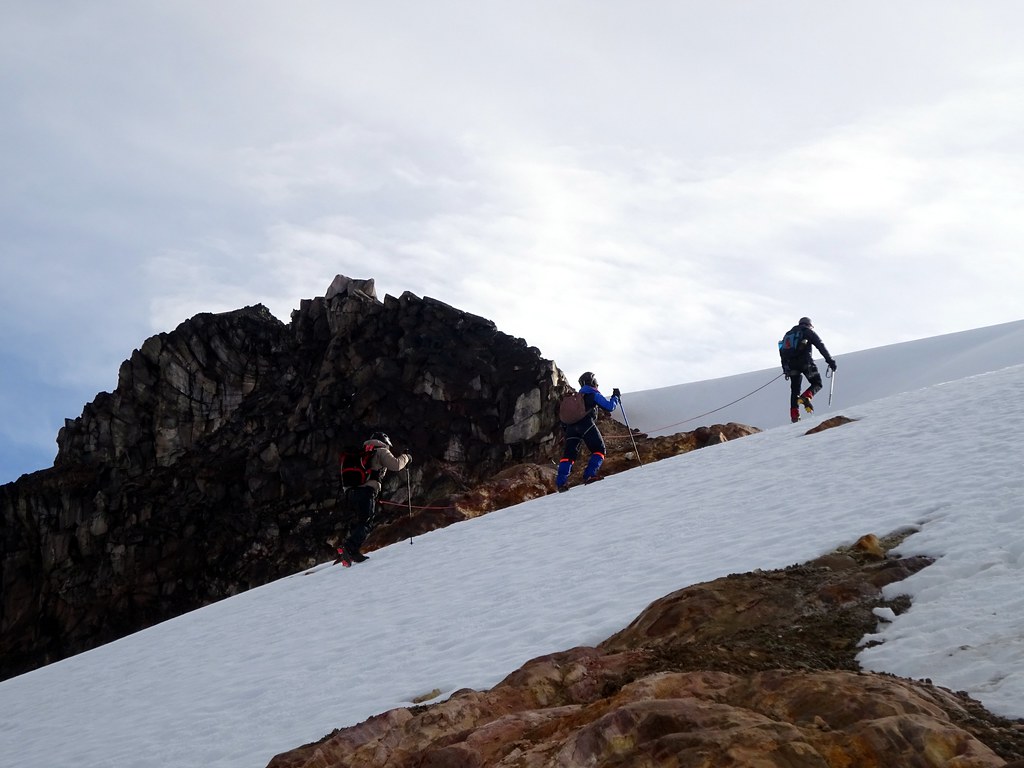
Nevado del Tolima is classified as a demanding volcano trek requiring good physical fitness, high-altitude acclimatization, and some technical mountaineering skills. The trek involves long daily distances, significant altitude gain (over 2,800 meters), and exposure to cold, wind, and variable weather. The glacier section near the summit necessitates use of crampons, ice axes, helmets, and harnesses, with guided instruction essential for safety. Terrain includes steep sandy slopes, loose volcanic ash, rocky moraines, and icy glacier travel. Altitude sickness is a risk due to rapid ascent above 4,000 meters, so gradual acclimatization and hydration are critical. The trek is unsuitable for beginners without prior high-altitude hiking or mountaineering experience. Overall, it is a demanding ascent best suited for experienced hikers and climbers prepared for technical challenges and variable mountain conditions.
Essential Volcano Trekking Gear
Key gear for Nevado del Tolima includes sturdy hiking boots with good ankle support and grip, suitable for rocky and icy terrain. Crampons and an ice axe are mandatory for glacier travel, along with a climbing helmet and harness for safety. Trekking poles aid balance on steep and loose slopes. Layered clothing is essential to adapt to temperature shifts, including thermal base layers, insulating mid-layers, and a waterproof, windproof outer shell. Gloves, a warm hat, and neck gaiter protect against cold and wind. A headlamp with spare batteries is needed for pre-dawn summit starts. Sun protection—sunglasses with UV protection and high-SPF sunscreen—is critical due to high-altitude sun exposure. Hydration systems and high-energy snacks support endurance. A backpack sized to carry personal items, extra clothing, and safety equipment is recommended. Additionally, a gas mask or respirator is generally not required as volcanic gases are minimal, but check current conditions. Renting glacier equipment from local operators is common for those without personal gear.
Safety and Volcanic Hazards
Nevado del Tolima is currently dormant, with the last major eruption about 3,600 years ago and minor activity recorded in the 19th and 20th centuries. Despite its dormancy, safety precautions are essential. The primary hazards include altitude sickness, rapidly changing weather, cold temperatures, and challenging glacier terrain. The glacier presents risks of crevasses, slippery ice, and falling rocks, requiring proper equipment and experienced guides. Volcanic gases are minimal but monitoring by the Servicio Geológico Colombiano (SGC) continues, with alert levels maintained at green. Trail conditions can deteriorate during rainy seasons, increasing risks of mudslides and unstable footing. Hikers should heed park regulations, avoid unstable crater edges, and follow guide instructions closely. Emergency communication is limited due to poor phone signal in remote areas. Acclimatization and physical preparedness are critical to mitigate altitude-related illnesses. Official warnings and volcanic activity updates should be checked before and during the trek.
Permits, Guides, and Logistics
Trekking Nevado del Tolima requires entry permits to Los Nevados National Natural Park, which can be obtained through official park offices or authorized tour operators. The park enforces seasonal closures four times annually, including Easter Week and specific weeks in May, September, and November, so planning around these dates is essential. Guided tours are strongly recommended due to the technical glacier sections and altitude challenges. Several reputable local operators provide comprehensive packages including permits, professional mountain guides, transport, accommodation, meals, and glacier equipment rental. Notable tour companies include Paramo Trek, Andes World Travel, Pelecanus, Colombia Tour Operators, Expedition Colombia, Aventure Colombia, and Veronika’s Adventure. These operators conduct pre-departure briefings in Salento, check equipment, and ensure small group sizes for safety and quality. Logistics typically involve meeting in Salento, transport to the Cocora Valley trailhead, mule support for heavy gear, and overnight stays at mountain farms or campsites such as La Primavera and Arenales. Summit attempts start early morning with guides providing technical instruction and safety oversight. Costs vary but expect park fees, guide services, equipment rental, accommodation, and transport to total several hundred USD. Cash is necessary as ATMs are unavailable beyond Salento. Communication is limited on the trail, so emergency plans are coordinated by guides. Overall, organized tours streamline the complex logistics and enhance safety for this demanding high-altitude volcano trek.
Where to Stay and Nearby Bases
Salento, located at approximately 1,900 meters elevation, serves as the primary gateway and base for Nevado del Tolima treks. This charming town offers a range of accommodations from budget hostels to boutique hotels, providing comfortable lodging and amenities such as restaurants, gear shops, and tour offices. Popular options include local guesthouses and eco-lodges that embrace the coffee region’s culture. Before the trek, many operators conduct briefings and equipment checks in Salento. Along the trail, overnight stays are arranged at traditional mountain farms and campsites that provide basic but warm shelter. Notable accommodations include Finca La Primavera at 3,700 meters, known for its rustic charm, wood-burning ovens, and hearty local meals prepared by resident families. Base Camp at Arenales (around 4,400 meters) is typically a tented campsite where trekkers rest before summit attempts. Facilities here are minimal, focusing on shelter and communal dining. After the descent, some itineraries include relaxing stops at thermal springs near Cañón, offering natural volcanic pools for recovery. For travelers seeking more comfort, the nearby city of Ibagué offers hotels and urban amenities approximately 1.5 hours from Salento. Overall, accommodation options balance rustic mountain hospitality with the necessary support for a demanding high-altitude expedition.