
Climbing Lanín Volcano: The Ultimate Guide to Trekking Patagonia’s Iconic Snow-Capped Stratovolcano
Lanín Volcano, a majestic stratovolcano in Argentina’s Patagonia, offers a demanding yet rewarding trekking experience. This guide covers its geology, trekking routes, permit requirements, safety tips, and accommodation options near Lanín National Park.
Quick Volcano Snapshot
| Attribute | Value |
|---|---|
| Volcano type | Stratovolcano |
| Elevation | 3,776 meters (12,388 feet) |
| Location | Patagonia, Neuquén Province, Argentina |
| Activity status | Dormant |
| Trekking difficulty | Demanding |
| Typical trek duration | 2 days and 1 night |
| Altitude gain | Approximately 2,600 meters from base to summit |
| Terrain type | Volcanic scree, rocky slopes, snow and ice patches, forest trails |
| Best season | November to April |
| Temperature range | -5°C to 15°C (varies with altitude and season) |
| Permit requirement | Mandatory registration and permit via official park website |
The Experience of Hiking Lanín Volcano
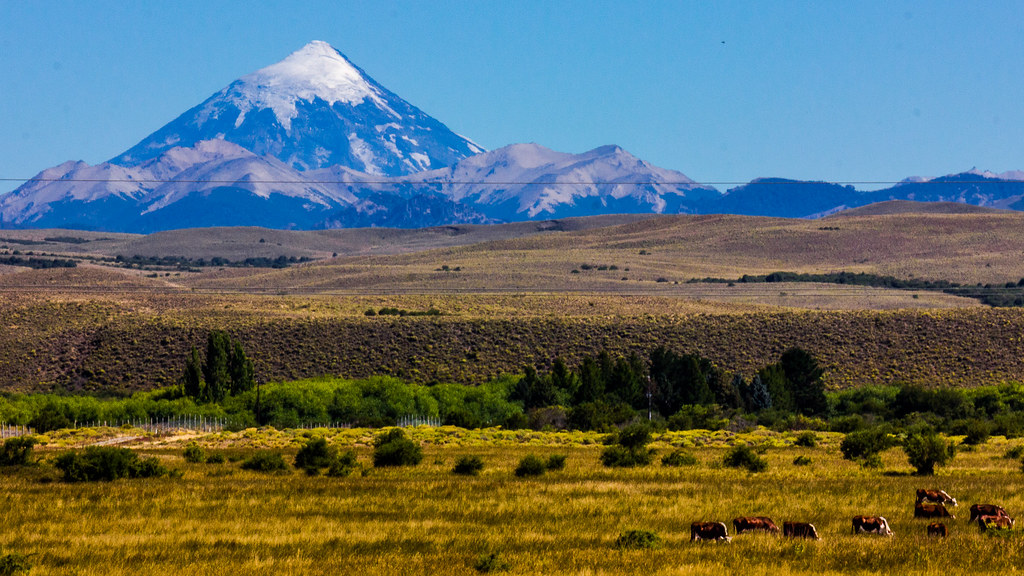
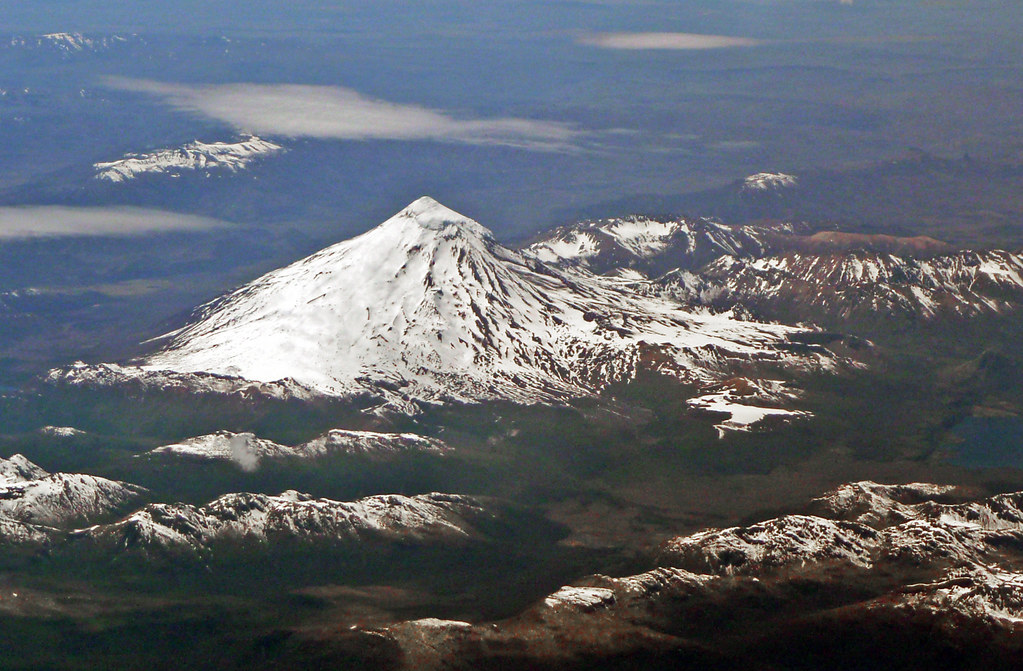
Approaching Lanín Volcano, the landscape unfolds with breathtaking contrasts: dense ancient Araucaria forests give way to stark volcanic scree and snow-draped slopes. The towering conical peak dominates the horizon, its summit crowned by a large crater lake shimmering in the sunlight. Hiking Lanín is a journey into the heart of Patagonia’s wild beauty, where the raw geological power of the Andes is palpable. The air grows thinner and colder as you ascend, the silence broken only by the crunch of boots on volcanic rock and the distant call of native birds. Reaching the crater rim, the panorama expands to reveal endless mountain ranges, glacial lakes, and the vast wilderness of Argentina and Chile. This trek is not just a physical challenge but an emotional encounter with one of South America’s most iconic volcanic giants.
Geological Background of Lanín Volcano
Lanín Volcano is a classic stratovolcano formed by successive layers of hardened lava, tephra, and volcanic ash. Rising to 3,776 meters, it straddles the border between Argentina and Chile within the Andes mountain range. Its nearly perfect conical shape is a testament to its volcanic origins and relatively young geological age. Although currently dormant, Lanín is part of the Pacific Ring of Fire and has exhibited minor seismic activity, with its last eruption estimated over 1,500 years ago. The summit features a large crater lake, a rare and striking feature for a volcano of this type, formed by snowmelt and precipitation. The volcano’s slopes are dotted with lava flows and volcanic minerals, while fumaroles and steam vents occasionally release sulfurous gases, hinting at the still-active geothermal processes beneath the surface. The surrounding landscape showcases unique geological formations, including glacial valleys and volcanic rock fields, making Lanín a fascinating destination for geology enthusiasts.
The Volcano Trek: Terrain and Hiking Experience
Trekking Lanín Volcano is a demanding adventure that challenges hikers with a diverse range of terrains and conditions. The ascent typically begins in dense forests of coihues, ñires, and lenga trees, where the trail winds alongside rushing streams and gentle slopes. As you gain altitude, the vegetation thins, and the terrain shifts to volcanic scree and rocky outcrops. The steep ash slopes require careful footing, as loose pumice and gravel can make progress slow and tiring. Near the summit, hikers encounter patches of snow and ice, even during the summer months, necessitating the use of crampons and ice axes for safe passage. The final ascent along the so-called Espina de Pescado (Fishbone Ridge) is exposed and steep, demanding good balance and endurance. Altitude effects become noticeable above 2,500 meters, with thinner air and cooler temperatures. Wind conditions can be harsh and unpredictable, adding to the challenge. Despite these difficulties, the trail offers spectacular views of glacial lakes, volcanic landscapes, and the vast Patagonian wilderness. The combination of forested lower slopes, rugged volcanic terrain, and icy summit conditions makes the Lanín trek a comprehensive mountain experience that tests both physical fitness and mental resilience.

What Makes the Lanín Volcano Trek Unique
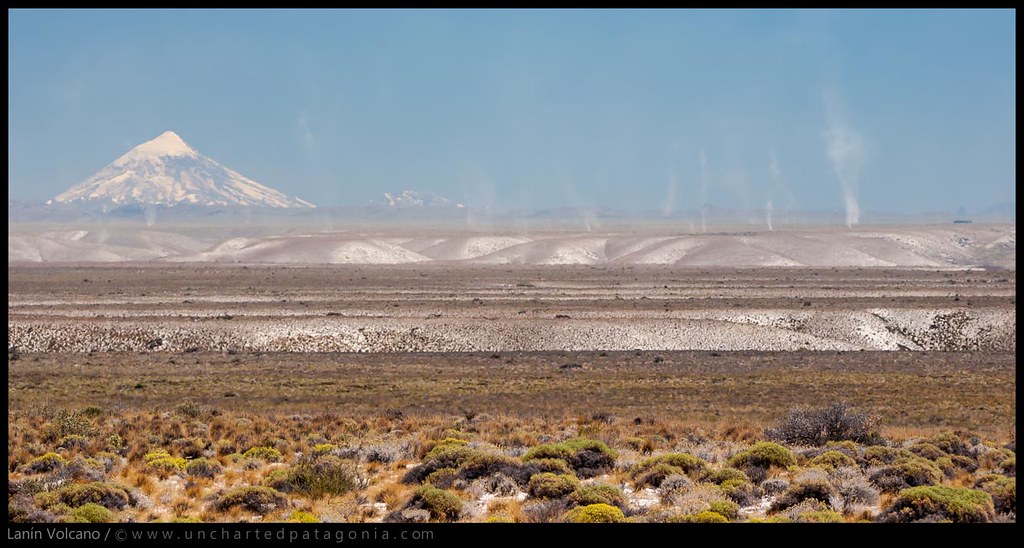
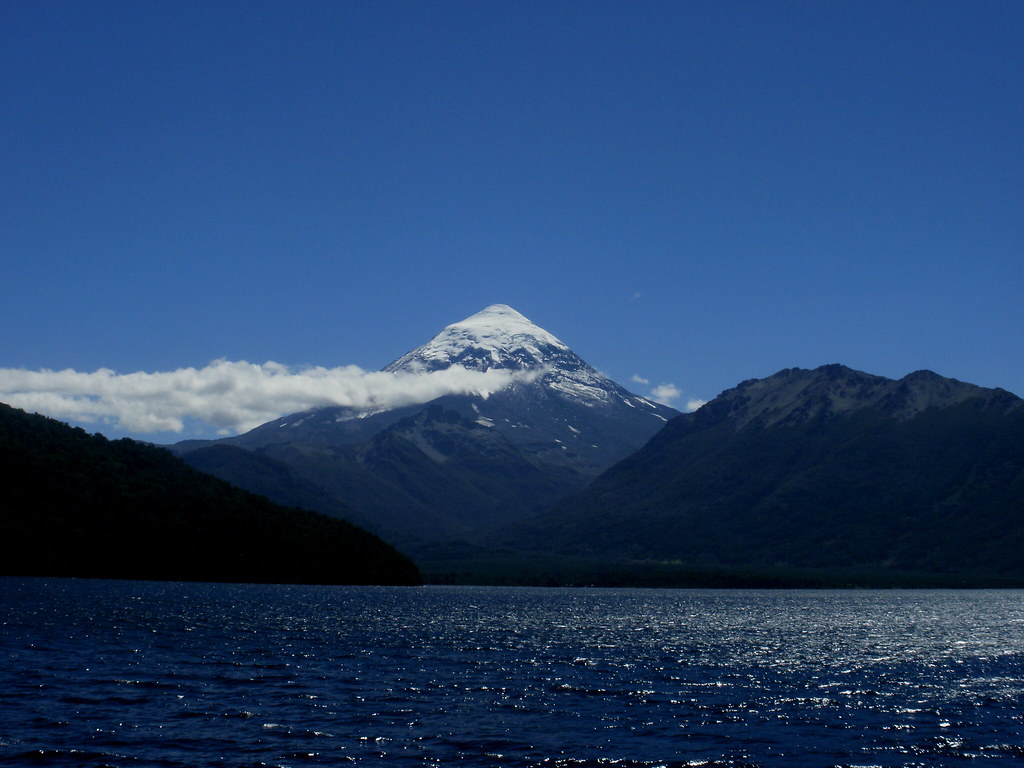
Lanín Volcano stands out for its iconic snow-capped peak and the large crater lake nestled at its summit, a rare feature among stratovolcanoes. The trek offers a unique blend of Patagonian ecosystems, from ancient araucaria forests to barren volcanic deserts. The solitude and remoteness of the volcano create a profound sense of wilderness and adventure. Unlike many other volcanoes, Lanín’s ascent combines non-technical climbing with glacier travel, requiring both trekking skills and basic mountaineering equipment. The panoramic views from the summit encompass multiple glacial lakes, neighboring volcanoes like Villarrica and Quetrupillán, and the vast Andean mountain range stretching across two countries. The cultural significance of Lanín to local indigenous communities and its role as a natural border between Argentina and Chile add layers of historical and geographical interest. This trek is a true Patagonian experience, blending geological wonder, challenging terrain, and breathtaking natural beauty.
The Summit and Crater Experience
Reaching the summit of Lanín Volcano is a moment of awe and accomplishment. Standing at 3,776 meters, hikers are greeted by a vast crater lake, its icy waters reflecting the sky and surrounding peaks. The air is thin and crisp, carrying the faint scent of sulfur from fumaroles hidden beneath the snow. The crater rim offers a 360-degree panorama of the Andes, with views extending into Chile and across the Patagonian wilderness. The silence at the summit is profound, broken only by the whisper of wind and the distant calls of birds. The heat from fumaroles can be felt in patches near the crater floor, a reminder of the volcano’s latent power. The experience is both humbling and exhilarating, a rare opportunity to witness the raw forces shaping the Earth’s surface. Many climbers pause here to absorb the landscape’s grandeur before beginning the careful descent back to base.
Best Time to Trek Lanín Volcano
The optimal trekking season for Lanín Volcano runs from November to April, when temperatures are milder and snow cover is reduced. During these months, trails are more accessible, and the risk of severe weather is lower. From May to October, snow and ice accumulate heavily, making the ascent suitable only for experienced mountaineers with technical skills. The park enforces seasonal closures and requires trekkers to register in advance, with a daily visitor quota to preserve the environment and ensure safety. Weather in Patagonia can be unpredictable, with sudden shifts in wind and temperature, so climbers should be prepared for variable conditions. Early morning starts are recommended to avoid afternoon storms and to enjoy clearer summit views. Monitoring volcanic activity and park advisories is essential year-round.
Trekking Routes and Trail Options
The most popular route to ascend Lanín Volcano is via the north face, starting near the Río Turbio ranger station at approximately 1,100 meters elevation. This route leads through lenga forests and along the Turbio River before reaching the BIM 26 mountain refuge (Refugio CAJA) at 2,300 meters, where climbers typically spend the night. The next day involves a steep climb along volcanic scree and snowfields to the summit. This route requires registration and adherence to park regulations, including a daily limit of 80 climbers. Another option is the south face hike, which is a strenuous day trek starting from Puerto Canoa on Lake Huechulafquen’s shore. This route traverses coihue and ñire forests, passes the Ruca Leufú stream, and ascends to the southern slopes of the volcano, offering spectacular views of the glacier. Both routes demand good physical condition and appropriate gear. Guided tours are widely available and recommended, especially for first-time climbers, providing safety, local knowledge, and logistical support. Shorter day hikes around the base and nearby lakes offer alternatives for less experienced visitors.
Difficulty Assessment
Lanín Volcano is classified as a demanding trek, suitable for experienced hikers with good physical fitness. While the ascent does not require technical climbing skills, the presence of snow and ice near the summit necessitates the use of crampons and ice axes, and familiarity with their use is highly recommended. Altitude gain of approximately 2,600 meters over two days challenges cardiovascular endurance and acclimatization. The terrain includes steep volcanic scree, loose gravel, rocky sections, and glacier patches, requiring sure-footedness and stamina. Weather conditions can add difficulty, with strong winds and sudden temperature drops common. The climb is not recommended for beginners or those without prior high-altitude trekking experience. Hiring a certified mountain guide is strongly advised to ensure safety and compliance with park regulations.
Essential Volcano Trekking Gear
Successful ascent of Lanín Volcano requires specialized gear to handle varied terrain and weather. Essential items include sturdy hiking boots with good ankle support and grip, crampons, and an ice axe for snow and ice sections. Trekking poles help with balance on scree slopes. Layered clothing is vital: moisture-wicking base layers, insulating mid-layers, and a windproof, waterproof outer shell. Gloves, a warm hat, and sunglasses protect against cold and sun exposure. A headlamp is necessary for early morning summit attempts. Carry a first aid kit, hydration system, and high-energy snacks. A gas mask or respirator is generally not required but may be useful if sulfurous gases are present. Sunscreen and lip balm are important due to high UV exposure. A backpack should be comfortable and large enough to carry all essentials safely.
Safety and Volcanic Hazards
Although Lanín Volcano is dormant, safety precautions are critical. The primary hazards include unstable volcanic scree, loose rocks, and steep slopes that increase the risk of falls. Snow and ice near the summit can be slippery and require proper equipment and experience. Volcanic gases such as sulfur dioxide may be present near fumaroles, but concentrations are generally low; however, sensitive individuals should be cautious. Weather in Patagonia is notoriously unpredictable, with sudden storms, high winds, and temperature drops posing risks. The park enforces strict regulations, including mandatory registration, daily visitor limits, and restricted climbing hours (9:00 to 17:00). Rescue operations only commence upon a formal missing person report, emphasizing the importance of responsible trekking and informing park authorities of plans. Hiring certified guides enhances safety by providing expertise in navigation, weather assessment, and emergency response.
Permits, Guides, and Logistics
Ascending Lanín Volcano requires mandatory registration and permits issued by Lanín National Park authorities. Climbers must reserve their ascent date at least 72 hours in advance through the official website (www.pnlanin.com.ar) or the dedicated registration portal (https://www.qsistemas.com.ar/lanin/login.php). The park enforces a daily quota of 80 climbers to protect the environment and ensure safety. Registration is free but obligatory, and climbers must also complete a sworn declaration at the Río Turbio Information Center between 9:00 and 12:00 on the day of the climb. The park is open for climbing activities from 9:00 to 17:00. Failure to comply with these rules can result in denied access or fines. Hiring a certified mountain guide is highly recommended and often mandatory, especially for those lacking glacier travel experience. Reputable local operators include Andes Expediciones, Alquimia Expediciones, Go Patagonic, and Yonder Tours, all offering guided ascents with equipment rental, transportation, and accommodation packages. Costs vary widely: guided ascents including transport, food, insurance, and lodging in mountain domes can reach approximately 500,000 Argentine pesos, with equipment rental adding around 300,000 pesos. Independent climbers must carry all mandatory gear, including crampons, ice axes, and first aid kits. The ascent is typically done over two days, with an overnight stay at Refugio CAJA (BIM 26), which requires separate reservation. Climbers should prepare for variable weather and altitude effects, and consult park rangers for current trail conditions and volcanic activity updates before departure.
Where to Stay Near Lanín Volcano
The gateway towns to Lanín Volcano offer a range of accommodations catering to trekkers and nature lovers. San Martín de los Andes, located approximately 105 kilometers from the volcano’s base, is the most popular hub. It features diverse lodging options including boutique hotels, eco-lodges, hostels, and guesthouses. Notable accommodations include Hotel & Spa La Cheminée, known for its central location and excellent amenities; Hermoso Eco Lodge, offering tranquil surroundings and proximity to nature; and Paraíso Casa de Montaña, which provides comfortable rooms with mountain views and outdoor pools. For a more intimate experience, La Casona Del Alto is a charming mountain-style bed and breakfast set in a forested area just outside town. These establishments offer amenities such as Wi-Fi, heated pools, and gourmet breakfasts, ideal for recovery after long treks. Closer to the volcano, the Refugio CAJA mountain hut at 2,300 meters serves as the primary overnight base for summit attempts, providing basic shelter and facilities. Reservations for the refugio must be made in advance through park authorities or tour operators. Nearby smaller towns like Junín de los Andes and Aluminé also provide lodging and services, with Junín being the closest major town to the park entrance. Visitors should plan accommodations well ahead, especially during peak trekking season from November to April, as availability can be limited due to the daily climbing quota.