
Hiking San Salvador Volcano: Expert Guide to El Boquerón’s Crater Trail and Volcano Trekking Near the Capital
Discover the thrilling San Salvador Volcano hike in El Boquerón National Park, a dormant complex volcano overlooking El Salvador’s capital. This guide covers geology, terrain, routes, safety, permits, and nearby accommodations for an unforgettable volcano trekking experience.
Quick Volcano Snapshot
| Attribute | Value |
|---|---|
| Volcano type | complex stratovolcano |
| Elevation | 1960 meters |
| Location | El Salvador |
| Activity status | dormant |
| Trekking difficulty | moderate |
| Typical trek duration | 3 to 4 hours |
| Altitude gain | approximately 300 meters |
| Terrain type | forested paths, volcanic ash slopes, rocky crater rim |
| Best season | dry season (November through April) |
| Temperature range | cool mornings and evenings, warm midday sun |
| Permit requirement | entrance fee $1 to $3 USD |
The Experience of Hiking San Salvador Volcano
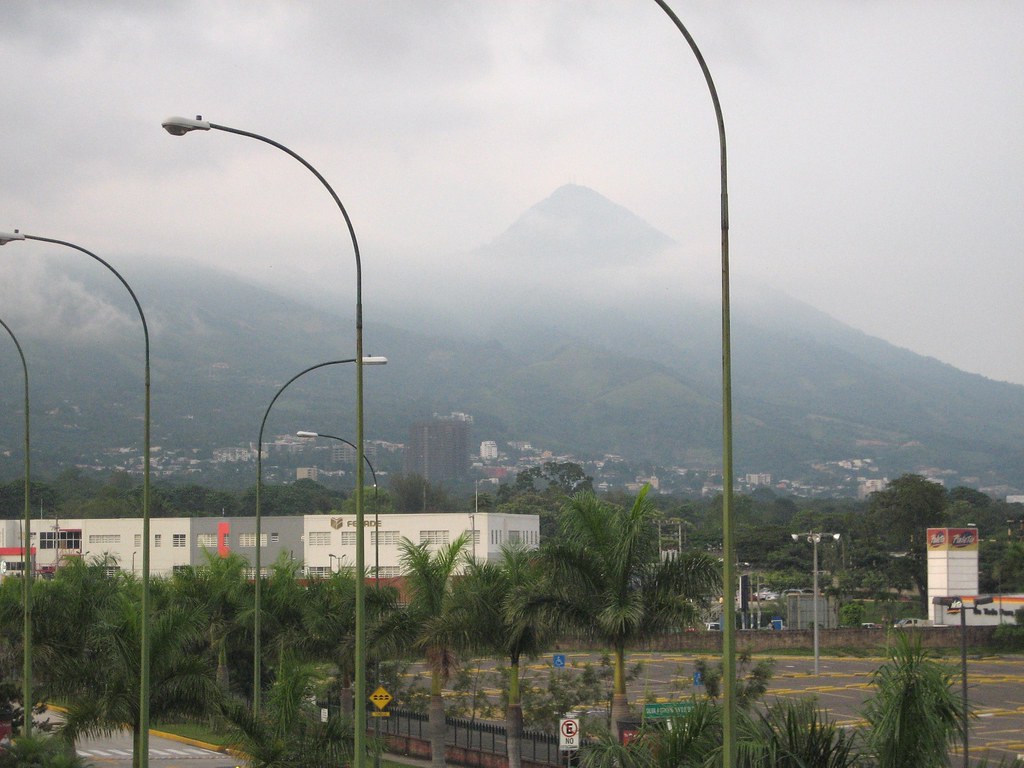
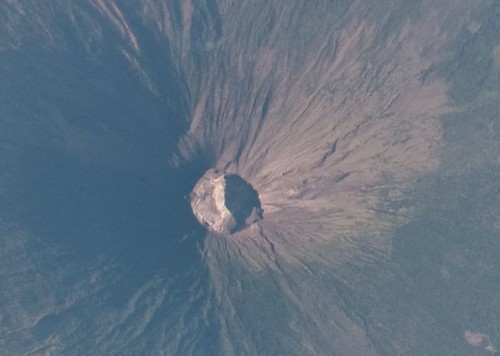
Approaching San Salvador Volcano, locally known as El Boquerón, is an encounter with raw geological power framed by the sprawling urban landscape of El Salvador’s capital city. The hike offers a striking contrast between the lush vegetation of the national park and the stark volcanic crater rim. As you ascend, the air cools and the terrain shifts from dense forest to open volcanic ash slopes. Reaching the crater edge reveals a vast 1.5-kilometer wide caldera with a smaller cone, Boqueroncito, nestled inside. The panoramic views stretch over San Salvador city and beyond, evoking a profound sense of standing on the edge of a sleeping giant. This trek blends natural drama with cultural proximity, making it a unique volcano hiking experience.
Geological Background of San Salvador Volcano
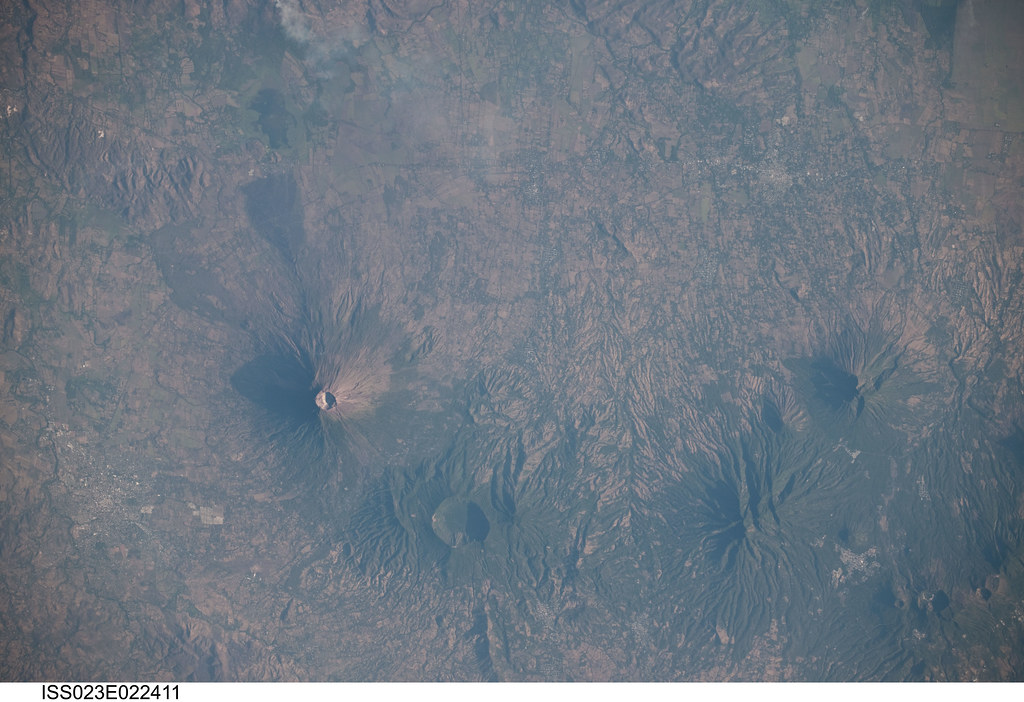
San Salvador Volcano is a complex stratovolcano formed by the subduction of the Cocos Plate beneath the Caribbean Plate. Its geological history spans tens of thousands of years, with episodic eruptions producing pumice, basaltic lava flows, and pyroclastic deposits. The current main edifice, known as Boquerón, formed within a former caldera approximately 700 to 1,000 years ago, partially filling the older crater. The volcano’s last confirmed eruption occurred in 1917, characterized by a Strombolian eruption that created the small scoria cone Boqueroncito and evaporated the summit crater lake. The volcano’s geology features fumaroles, sulfur deposits, and varied volcanic minerals, reflecting its dynamic volcanic past. Its proximity to San Salvador city makes understanding its geological behavior critical for hazard preparedness.
Terrain and Hiking Experience on San Salvador Volcano
The San Salvador Volcano hike offers a diverse and engaging terrain that challenges and rewards trekkers with every step. Starting from the entrance of El Boquerón National Park at around 1,700 meters elevation, the trail initially winds through dense, verdant forest, where the canopy filters sunlight and the air is rich with the scent of native flora. This shaded section provides a gentle introduction to the hike, with well-marked paths and occasional viewpoints over the surrounding landscape.
As you ascend, the terrain transitions to volcanic ash slopes and rocky outcrops. The volcanic ash is loose and can be slippery, requiring careful footing and the use of trekking poles for stability. The trail’s incline becomes steeper here, demanding moderate physical effort. Hikers will encounter patches of pumice and fragmented basaltic rocks, remnants of past eruptions that create a rugged surface texture. The volcanic soil supports unique vegetation adapted to this environment, including shrubs and hardy grasses.
Approaching the crater rim, the landscape opens dramatically. The trail skirts the edge of the vast 1.5-kilometer-wide caldera, offering expansive views of the crater floor and the smaller Boqueroncito cone. The rim itself is rocky and exposed, with loose scree and occasional fumarolic vents emitting faint steam and sulfurous gases. Wind conditions can be variable and brisk at the summit, so windproof clothing is advisable.
The crater rim trail is exhilarating but requires caution due to uneven footing and steep drop-offs. The altitude, while moderate, can cause mild breathlessness for some hikers, especially those unaccustomed to elevations near 2,000 meters. Temperature shifts are notable; mornings and late afternoons can be cool, while midday sun can be intense due to the lack of shade.
Descending the volcano involves retracing the ascent path, with the added challenge of navigating loose volcanic ash slopes that can cause sliding. Many hikers find this section thrilling but recommend controlled steps to avoid falls. The entire round trip typically takes 3 to 4 hours, depending on pace and stops for photography or rest.
Overall, the San Salvador Volcano trek combines forested trails, volcanic ash slopes, rocky crater rims, and panoramic vistas, making it a moderately challenging but highly rewarding hike for volcano enthusiasts and adventure travelers alike.
What Makes the San Salvador Volcano Trek Unique
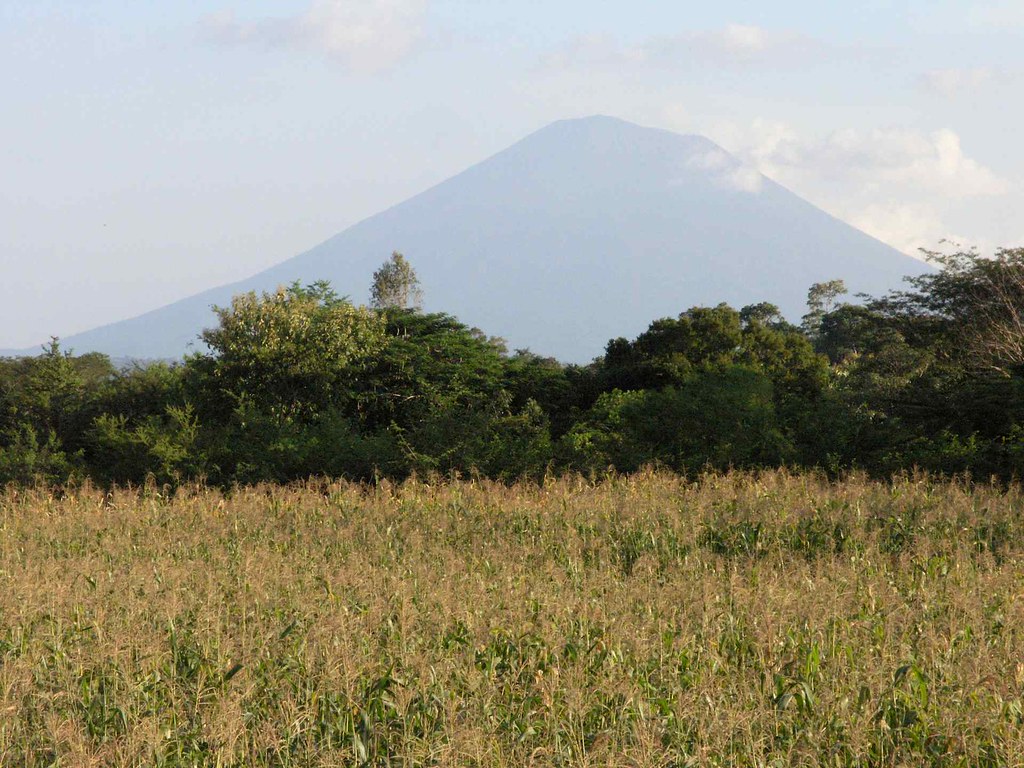
San Salvador Volcano stands out for its dramatic juxtaposition of urban proximity and volcanic wilderness. Unlike many remote volcano hikes, this trek offers the rare opportunity to stand on the rim of a large dormant volcano just a short drive from a bustling capital city. The vast crater, measuring approximately 1.5 kilometers across, houses the smaller Boqueroncito cone, a geological feature formed during the last eruption in 1917.
The volcano’s lush vegetation contrasts with the barren volcanic ash slopes and rocky crater rim, creating a diverse landscape within a compact area. The views from the summit encompass the sprawling cityscape of San Salvador, the Pacific coastal plains, and distant mountain ranges, offering a panoramic spectacle rarely matched by other volcano hikes.
The trail’s moderate difficulty and well-maintained paths make it accessible to a wide range of hikers, from casual walkers to more experienced trekkers seeking volcanic adventure. Additionally, the cultural significance of the volcano as a symbol of the city adds a layer of connection and meaning to the hike.
The presence of fumaroles and sulfur deposits around the crater rim provides a sensory experience of the volcano’s latent power, with the smell of sulfur and the sight of steam vents reminding hikers of the dynamic forces beneath their feet. This blend of natural beauty, geological intrigue, and cultural context makes the San Salvador Volcano trek a uniquely enriching experience.
The Summit and Crater Experience at San Salvador Volcano
Reaching the summit of San Salvador Volcano is a moment of awe and reflection. Standing on the crater rim, hikers are greeted by a sweeping panorama that includes the vast caldera floor, the smaller Boqueroncito cone, and the sprawling urban landscape of San Salvador city below. The crater’s sheer scale is impressive, with its steep walls and rugged terrain telling the story of millennia of volcanic activity.
The air here carries the faint but distinctive scent of sulfur, a reminder of the fumarolic activity that persists beneath the surface. Small steam vents dot the crater rim, occasionally releasing wisps of vapor that catch the sunlight, adding a mystical quality to the scene. The ground beneath is warm in places, evidence of the volcano’s dormant but not extinct nature.
The summit experience is heightened by the ever-changing weather conditions. Clear days offer brilliant blue skies and distant views of other volcanoes and the Pacific Ocean, while misty or cloudy conditions lend an ethereal atmosphere to the crater landscape. The wind can be brisk, adding to the sense of exposure and adventure.
Photographers and nature lovers will find endless inspiration here, from the interplay of light and shadow on the crater walls to the vibrant greens of the surrounding forest. The summit is a place to pause, breathe deeply, and appreciate the raw power and beauty of this volcanic giant.
Best Time to Trek San Salvador Volcano
The optimal time to hike San Salvador Volcano is during the dry season, which runs from November through April. During these months, trails are generally dry and stable, offering safer footing on the volcanic ash slopes and rocky crater rim. Clear skies prevail, enhancing visibility and the quality of panoramic views from the summit.
The wet season, from May to October, brings frequent rain showers that can make trails slippery and increase the risk of landslides or falling rocks. Hiking during this period requires extra caution and appropriate rain gear.
Early morning hikes are recommended to avoid the heat of midday and to experience calmer wind conditions at the summit. Morning light also provides excellent conditions for photography.
Volcanic activity is currently dormant, and there are no known seasonal restrictions related to volcanic hazards. However, hikers should always check local weather forecasts and park advisories before planning their trek.
Avoiding weekends and holidays can help hikers enjoy a quieter, more serene experience, as the national park can become busy with local visitors during peak times.
Routes and Trail Options for San Salvador Volcano
The primary route for hiking San Salvador Volcano is the trail within El Boquerón National Park, starting at the park entrance located approximately 23 kilometers from San Salvador city. The trail is well-marked and maintained, making navigation straightforward for independent hikers.
The standard hike involves ascending from the park entrance through forested paths to the crater rim, then optionally circumnavigating the entire crater rim for a more comprehensive experience. This circular route covers roughly 6 to 7 kilometers and takes about 3 to 4 hours to complete at a moderate pace.
Hikers can choose to visit the main viewpoints or extend their trek to include the smaller Boqueroncito cone inside the crater. The trail around the crater rim offers varied terrain, including rocky sections and exposed ridges, providing diverse hiking challenges.
While guided tours are not mandatory, hiring a local guide is recommended for enhanced safety and educational value. Guides provide insights into the volcano’s geology, flora, and history, enriching the trekking experience.
For those seeking a shorter or less strenuous option, visiting the four main miradors (viewpoints) within the park offers spectacular views with minimal hiking effort. This option is popular among families and casual visitors.
Access to the park is via private vehicle, taxi, or public bus, with parking available near the entrance. The trail is accessible year-round, with the dry season offering the best conditions.
Difficulty Assessment of San Salvador Volcano Trek
San Salvador Volcano presents a moderate trekking challenge suitable for hikers with basic fitness and some hiking experience. The trail’s elevation gain is approximately 300 meters, with the summit reaching 1,960 meters above sea level. The altitude is moderate and generally does not cause severe altitude sickness, but some hikers may experience mild breathlessness.
The terrain varies from shaded forest paths to loose volcanic ash slopes and rocky crater rims. The volcanic ash can be slippery, requiring careful footing and the use of trekking poles for stability. The crater rim sections are exposed, with uneven rocky surfaces and steep drop-offs, demanding attention and surefootedness.
No technical climbing skills or specialized equipment are necessary, making this a moderate volcano trek rather than a technical mountaineering ascent. However, hikers should be prepared for variable weather, including wind and temperature changes.
Overall, the trek is accessible to most active travelers, including families and casual hikers, provided they take appropriate precautions and pace themselves.
Essential Gear for Hiking San Salvador Volcano
To ensure a safe and comfortable hike on San Salvador Volcano, the following gear is recommended:
• Sturdy hiking boots with good grip to navigate loose volcanic ash and rocky terrain.
• Trekking poles to aid balance and reduce strain on knees during ascent and descent.
• Windproof and waterproof jacket to protect against sudden weather changes and wind exposure at the summit.
• Sun protection including sunscreen, sunglasses, and a wide-brimmed hat, as the trail offers limited shade near the crater.
• Adequate water supply (at least 1.5 liters) to stay hydrated throughout the 3-4 hour trek.
• Snacks or energy bars for sustenance.
• A headlamp or flashlight if planning early morning or late afternoon hikes.
• A small first aid kit for minor injuries.
• A camera or smartphone to capture the stunning volcanic landscapes.
• A light backpack to carry essentials comfortably.
Optional but useful items include a face mask or bandana to filter volcanic dust and a map or GPS device, although the trail is well-marked.
Safety and Volcanic Hazards on San Salvador Volcano
While San Salvador Volcano is currently dormant, safety precautions remain essential for all hikers. The volcanic terrain presents natural hazards such as loose volcanic ash and scree, which can cause slips and falls, particularly on steep slopes and the crater rim. Hikers should wear appropriate footwear and use trekking poles for stability.
Fumarolic activity around the crater rim emits sulfurous gases, which can be irritating to the respiratory system. Visitors with respiratory conditions should exercise caution and consider limiting time near active vents.
Weather conditions can change rapidly, with strong winds and sudden rain showers common at higher elevations. Carrying windproof and waterproof clothing is advisable.
There have been reports of aggressive stray dogs near parts of the crater rim trail. Hikers should remain vigilant, avoid isolated areas, and consider hiking in groups.
The park is monitored by local authorities, and visitors should heed all posted warnings and guidelines. Emergency services are accessible from the park entrance, but mobile phone coverage may be limited near the summit.
Overall, with proper preparation and awareness, hiking San Salvador Volcano is a safe and rewarding experience.
Permits, Guides, and Logistics for Hiking San Salvador Volcano
Access to El Boquerón National Park, home to San Salvador Volcano, requires an entrance fee typically ranging from $1 to $3 USD per person. This fee grants access to the park’s trails and facilities. While a guide is not mandatory, hiring a local guide is highly recommended to enhance safety and enrich the hiking experience with geological and cultural insights.
Local guides charge between $10 and $30 USD depending on the length and nature of the hike. Guides are knowledgeable about the volcano’s history, flora, fauna, and safety protocols. Hiring a guide also supports the local economy and promotes sustainable tourism.
Transportation options to the park include public buses, taxis, and private vehicles. Public buses from San Salvador cost approximately $1 to $2 USD but may be less reliable and slower. Taxis offer a more convenient round trip for about $30 to $50 USD. Parking is available at the park entrance for those driving.
Visitors should plan for additional costs such as food and water, which can be purchased at local shops near the park or brought along. Meals at nearby restaurants typically range from $5 to $15 USD.
Several reputable tour operators offer guided volcano hikes and day trips from San Salvador, including Tunco Life and El Salvador Positive Tours. These companies provide professional guides, transportation, and customized itineraries for a seamless experience.
It is advisable to check park opening hours and weather conditions before visiting. The park is generally open year-round, with the dry season offering the best hiking conditions. Visitors should carry identification and respect all park regulations to ensure a safe and enjoyable trek.
Where to Stay Near San Salvador Volcano
San Salvador city, located approximately 23 kilometers from El Boquerón National Park, offers a wide range of accommodation options suitable for volcano hikers. Staying in the city provides convenient access to the volcano trailhead and urban amenities.
For travelers seeking comfort and modern facilities, the Courtyard by Marriott San Salvador is an excellent choice. Situated near La Gran Via shopping center, it features contemporary rooms, a fitness center, an outdoor pool, and on-site dining. The hotel is about a 30-minute drive from the volcano park entrance.
For budget-conscious travelers and backpackers, Volcano Hostal y Restaurante in San Salvador offers affordable rooms with amenities including Wi-Fi, an outdoor pool, and a restaurant serving local cuisine. Located centrally, it provides easy access to transportation options heading to the volcano.
Airbnb options are also available in and around San Salvador, with listings such as Residencia en El Congo offering scenic views of nearby volcanoes and lakes, private parking, and fully equipped kitchens. These provide a homely atmosphere for longer stays.
Several smaller guesthouses and hostels are scattered throughout San Salvador’s neighborhoods, including Zona Rosa and the historic center, offering a range of prices and local experiences.
For those preferring to stay closer to nature, eco-lodges and rural accommodations exist near the volcano’s outskirts, though these are less common and may require private transport.
Public transportation and taxis from San Salvador to El Boquerón National Park are readily available, making daily trips feasible. Many visitors opt for day trips, returning to city accommodations after hiking.
Overall, San Salvador city serves as a practical and comfortable base for exploring San Salvador Volcano, combining accessibility with diverse lodging options.