
Hiking Conchagua Volcano: A Complete Guide to Trekking El Salvador’s Coastal Stratovolcano
Conchagua Volcano, a dormant stratovolcano in El Salvador’s La Unión Department, offers a unique trekking experience with panoramic views over the Gulf of Fonseca and neighboring countries. This guide covers the volcano’s geology, hiking terrain, routes, permits, accommodations, and safety tips for adventurers seeking an unforgettable volcano trek.
Quick Volcano Snapshot
| Attribute | Value |
|---|---|
| Volcano type | Stratovolcano |
| Elevation | 1,242 meters |
| Location | La Unión Department, El Salvador |
| Activity status | Dormant |
| Trekking difficulty | Moderate |
| Typical trek duration | 4 to 6 hours (round trip) |
| Altitude gain | Approximately 600 meters |
| Terrain type | Rocky trails, forested slopes, volcanic soil |
| Best season | Dry season (November to April) |
| Temperature range | 21°C to 33°C |
| Permit requirement | Entrance fee $1-$3; guided tours recommended |
The Experience of Hiking Conchagua Volcano
Approaching Conchagua Volcano, you are greeted by the vast expanse of the Gulf of Fonseca, its islands scattered like jewels across the shimmering waters. The trek ascends through lush vegetation and volcanic soil, contrasting with the barren rocky summit. As you climb, the air cools and the landscape opens to reveal breathtaking coastal panoramas. Reaching the summit at sunrise, the sky ignites with color, illuminating the Gulf and three countries visible from this vantage point. The emotional impact of standing atop this dormant giant, surrounded by nature’s raw power and beauty, is profound and unforgettable.
Geological Background of Conchagua Volcano
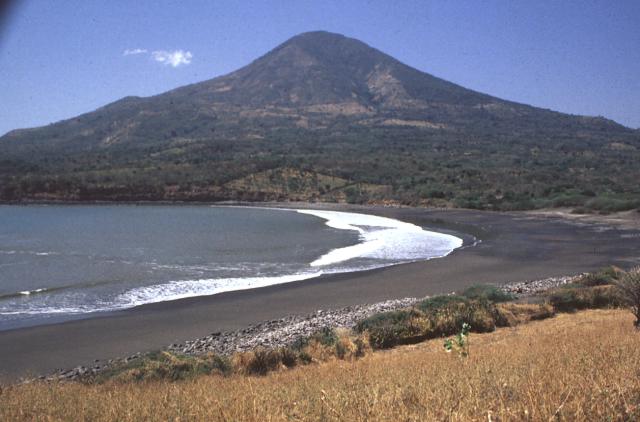
Conchagua Volcano is a stratovolcano located on the western edge of the Gulf of Fonseca in eastern El Salvador. It rises to 1,242 meters above sea level and consists of two main peaks: Cerro del Ocote and Cerro de la Bandera. This volcanic complex formed through successive layers of hardened lava and ash deposits over hundreds of thousands of years. Although no eruptions have been recorded in recent history, the volcano’s dormant status belies its geological significance. The crater is largely obscured by dense vegetation, but fumaroles and sulfur deposits hint at its volcanic past. The region’s volcanic soils support diverse flora and fauna, shaped by the volcano’s ancient activity.
Terrain and Hiking Experience on Conchagua Volcano
The hike up Conchagua Volcano offers a varied terrain that challenges and delights trekkers. The trail begins at the base in the municipality of Conchagua, winding through tropical forests where the air is thick with the scent of earth and foliage. Early sections feature gentle slopes with well-trodden paths, but as you ascend, the terrain becomes steeper and rockier. The volcanic soil transitions to loose gravel and hardened lava rock, requiring careful footing. Trekkers encounter patches of volcanic ash and scattered pumice, which can be slippery, especially after rain. The trail includes sections of moderate scrambling over uneven rocks, demanding good balance and sturdy footwear. Vegetation thins near the summit, exposing panoramic views and open ridges where wind can be strong and cooling. Altitude gain is approximately 600 meters, which may cause mild breathlessness for some hikers. The ascent typically takes 2 to 3 hours, with the return descent slightly faster but requiring caution on loose scree. Weather conditions can vary; mornings are often cool and misty, warming quickly as the sun rises. Due to the volcano’s coastal location, humidity is moderate, but sun exposure is high on exposed sections. Trekkers should be prepared for temperature shifts and bring adequate hydration. The trail is marked but not heavily trafficked, offering a sense of solitude and immersion in nature. Camping near the summit is popular, allowing hikers to experience sunrise and sunset in this spectacular setting. Overall, the terrain combines forest paths, volcanic rock, and open ridges, providing a rewarding moderate-level hiking experience that balances natural beauty with physical challenge.
What Makes the Conchagua Volcano Trek Unique
Conchagua Volcano stands out for its extraordinary coastal views overlooking the Gulf of Fonseca, where the borders of El Salvador, Honduras, and Nicaragua converge. Unlike many inland volcanoes, its summit offers a rare vantage point to see multiple countries and numerous volcanic islands. The trek’s combination of tropical forest, volcanic terrain, and panoramic ocean vistas creates a diverse and captivating landscape. Camping on the volcano’s summit platform, known as Espíritu de la Montaña, allows adventurers to witness unforgettable sunrises and sunsets. The cultural heritage of the area, linked to the indigenous Lenca people, adds historical depth to the journey. The volcano’s remote location in eastern El Salvador ensures fewer crowds, providing a more intimate and authentic trekking experience.
The Summit and Crater Experience at Conchagua
Reaching the summit of Conchagua Volcano reveals a breathtaking 360-degree panorama. From the wooden platform at Espíritu de la Montaña viewpoint, hikers gaze across the Gulf of Fonseca, spotting islands such as Meanguera, Conchaguita, and Zacatillo. The air carries a gentle breeze, and the scent of earth and vegetation mingles with the salty tang of the nearby sea. The crater itself is hidden beneath dense foliage, but the summit’s open ridges provide dramatic views of the surrounding volcanic landscape and coastal plains. At sunrise, the sky bursts into hues of orange, pink, and gold, casting light over the tranquil waters and distant mountains. The experience is both humbling and exhilarating, connecting trekkers with the immense geological forces that shaped this region.
Best Time to Trek Conchagua Volcano
The ideal time to hike Conchagua Volcano is during the dry season, from November to April, when trails are less slippery and weather conditions are more stable. Early mornings offer cooler temperatures and clearer skies, perfect for sunrise treks. Avoid the rainy season (May to October), as heavy rains can make the volcanic soil and rocky paths treacherous. Volcanic activity is dormant, so there are no eruption-related restrictions, but hikers should monitor local weather forecasts for sudden changes. Planning overnight camping trips during the dry season maximizes the chance to enjoy spectacular sunrises and sunsets without weather disruptions.
Routes and Trail Options for Conchagua Volcano
The primary route to Conchagua’s summit begins near the town of Conchagua and follows a well-established trail ascending through forested slopes to the Espíritu de la Montaña viewpoint. This trail is approximately 4 to 5 kilometers one way, with an elevation gain of about 600 meters. The hike typically takes 2 to 3 hours ascending and 1.5 to 2 hours descending. Guided tours often include transportation from nearby cities such as La Unión or San Salvador, with 4×4 vehicles assisting on rougher sections near the summit. For independent trekkers, the trailhead is accessible by local transport or taxi. Alternative routes are limited due to the volcano’s terrain and protected status, but some tours combine the hike with visits to nearby coastal attractions like Playa Las Flores or boat tours of the Gulf of Fonseca islands. Most visitors opt for overnight camping at the summit platform to experience sunrise, while day hikes are possible but require early starts and long return drives. Guided tours range from half-day excursions to multi-day camping trips, offering flexibility depending on fitness and time constraints.
Difficulty Assessment of the Conchagua Volcano Trek
Conchagua Volcano is classified as a moderate trek. The trail involves steady elevation gain over uneven volcanic terrain, including rocky paths and loose gravel. While technical climbing is not required, hikers should be prepared for sections requiring careful footing and some scrambling. The altitude of 1,242 meters is moderate, with minimal risk of altitude sickness for most trekkers. Fitness levels should be adequate for sustained uphill hiking over 2 to 3 hours. The trail is not highly trafficked, so hikers should be comfortable navigating less crowded paths. Weather conditions such as heat and wind can add to the challenge. Overall, the trek suits hikers with moderate experience and good physical condition seeking a rewarding volcano ascent without technical mountaineering.
Essential Gear for Trekking Conchagua Volcano
Key gear for hiking Conchagua includes sturdy hiking boots with good grip to handle rocky and loose volcanic terrain. Trekking poles are recommended for stability on steep and uneven sections. Lightweight, breathable clothing with layers is advisable to adapt to temperature changes from warm base to cooler summit. A windproof jacket protects against gusts near the top. Sun protection is critical due to exposed ridges: bring a wide-brimmed hat, sunglasses, and high-SPF sunscreen. Hydration systems or water bottles are essential, as water sources are scarce on the trail. For overnight camping, bring a quality tent, sleeping bag, and cooking equipment. Insect repellent is useful in forested areas. A headlamp or flashlight is necessary for early morning or evening hikes. A small first aid kit and a map or GPS device complete the essentials for a safe and comfortable trek.
Safety and Volcanic Hazards on Conchagua Volcano
Conchagua Volcano is dormant with no recent eruptions, minimizing volcanic hazards. However, trekkers should remain cautious of unstable terrain, including loose rocks and gravel that can cause slips or falls. The crater area is covered by vegetation, reducing exposure to fumaroles or sulfur gases common in active volcanoes. Weather can change rapidly, with strong winds near the summit and potential for sudden rain, increasing trail slipperiness. Hikers should monitor local weather reports and avoid trekking during storms. There are no official volcanic gas warnings, but sensitivity to any unusual odors should prompt retreat. The trail is moderately remote; carrying a communication device and informing others of your itinerary is advised. Local guides and park authorities provide safety updates and trail conditions. Proper preparation and caution ensure a safe trekking experience.
Permits, Guides, and Logistics for Visiting Conchagua Volcano
Access to Conchagua Volcano requires a small entrance fee to the national park, typically ranging from $1 to $3 per person. This fee supports trail maintenance and conservation efforts. While independent hiking is possible, guided tours are highly recommended for logistical ease, safety, and enhanced experience. Several local tour operators offer packages including transportation, guided hikes, camping equipment, and meals. Notable operators include ECTours El Salvador and Civitatis, providing half-day to multi-day tours departing from San Salvador or La Unión. Guided tours cost between $20 and $50 depending on duration and inclusions. Transportation logistics involve a 3.5 to 4.5-hour drive from San Salvador, often followed by a 4×4 vehicle ride to the trailhead or summit area due to rough terrain. Public transport options exist but can be unreliable; taxis or shuttle services from La Unión are common and cost approximately $10 to $15. Camping permits and reservations are advised for overnight stays at Espíritu de la Montaña viewpoint, where space is limited. Visitors should bring necessary supplies, as food and water are not available on the volcano. Local regulations require adherence to park rules, including waste management and respecting wildlife. Booking through reputable tour operators ensures compliance with permits and provides knowledgeable guides familiar with the volcano’s geology, flora, and cultural history. Overall, planning ahead and considering guided options streamline the visit and enrich the trekking experience.
Where to Stay Near Conchagua Volcano
Accommodation options near Conchagua Volcano cater to a range of preferences, from camping on the volcano itself to comfortable lodgings in nearby towns. The most immersive experience is camping at the Espíritu de la Montaña platform on the summit, where trekkers can enjoy starry skies and sunrise views. Reservations are recommended due to limited space. For those preferring established accommodations, the town of La Unión, approximately 30 kilometers from the volcano, offers several hotels and guesthouses. Notable options include Hotel Mar & Sol, known for its oceanfront saltwater pools and family-friendly amenities, and various local guesthouses praised for their hospitality and central location. These lodgings provide convenient access to the volcano via organized tours or private transport. Amenities typically include Wi-Fi, secure parking, and dining options featuring local cuisine. For travelers seeking a beachside stay after trekking, resorts near Playa Las Flores offer relaxation with ocean views and recreational activities. Booking in advance is advisable, especially during peak dry season months. Staying in La Unión or nearby coastal areas combines cultural exploration with easy access to the volcano, making it an ideal base for multi-day adventures in eastern El Salvador.