
Hiking Momotombito Volcano: A Complete Trekking Guide to Nicaragua’s Hidden Cinder Cone
Momotombito Volcano, a dormant cinder cone near the iconic Momotombo Volcano in León, Nicaragua, offers a unique trekking experience with rich geological history and serene natural surroundings. This guide covers the volcano’s geological background, trekking terrain, routes, safety, permits, and nearby accommodations for adventurous hikers.
Quick Volcano Snapshot
| Attribute | Value |
|---|---|
| Volcano type | Cinder cone |
| Elevation | 350 meters |
| Location | Island in Lake Managua, León, Nicaragua |
| Activity status | Dormant |
| Trekking difficulty | Easy to moderate |
| Typical trek duration | 2 to 3 hours round-trip |
| Altitude gain | Approximately 150 meters |
| Terrain type | Tropical dry forest transitioning to volcanic ash and basaltic rock |
| Best season | November to April (dry season) |
| Temperature range | 20°C to 30°C |
| Permit requirement | No formal permits required; boat access controlled by local operators |
The Experience of Hiking Momotombito Volcano
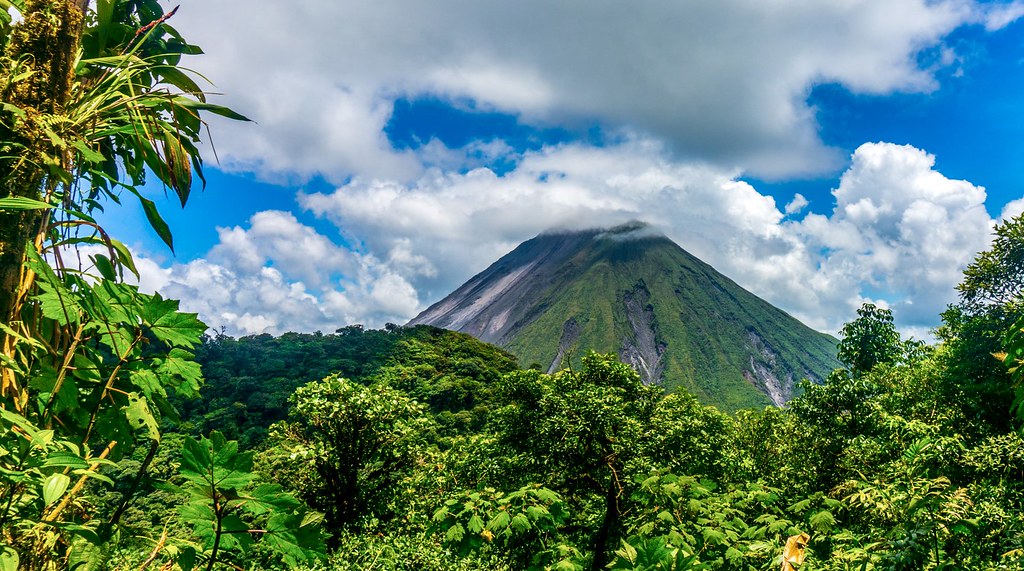
Approaching Momotombito Volcano, hikers are greeted by a striking cinder cone rising modestly from the shores of Lake Managua. The landscape contrasts sharply between the lush tropical dry forest at the base and the barren volcanic rock near the summit. The trek offers a peaceful yet powerful encounter with volcanic geology, away from the crowds of its larger neighbor, Momotombo. Reaching the summit, trekkers enjoy panoramic views of the lake, the surrounding volcanic complex, and the distant city of León, evoking a deep connection to the earth’s fiery past.

Geological Background of Momotombito Volcano
Momotombito is a classic cinder cone volcano, formed by the accumulation of volcanic ash, lapilli, and volcanic bombs ejected during relatively small explosive eruptions. It is part of the Momotombo-Momotombito volcanic complex located on an island in Lake Managua. The volcano stands about 350 meters tall and is considered dormant, with no recent eruptive activity recorded. The cone is composed primarily of basaltic material, and its slopes are covered with volcanic rock fragments and ash deposits. Archaeological findings on the island reveal that the area was significant for pre-Columbian cultures, with basalt carvings and statues discovered by explorers. The volcanic complex also includes nearby features such as the Monte Galán caldera and other smaller cones, contributing to the region’s rich geological diversity. The formation of Momotombito is linked to the tectonic activity of the Central American volcanic arc, where the Cocos Plate subducts beneath the Caribbean Plate. This tectonic setting has produced a series of volcanoes along Nicaragua’s western region, with Momotombito representing a smaller, less active vent within this dynamic system.
The Volcano Trek: Terrain and Hiking Experience
The trek up Momotombito Volcano offers a diverse and engaging hiking experience that combines natural beauty with geological intrigue. Starting at the base, hikers traverse a tropical dry forest characterized by native trees and shrubs that provide shade and a habitat for local wildlife. The trail is well-defined and maintained, making navigation straightforward for visitors. As the ascent progresses, the vegetation gradually thins, giving way to volcanic terrain dominated by loose ash, lapilli, and scattered basaltic rocks. This transition marks a shift in the hiking challenge, as the footing becomes less stable and requires careful attention to balance and step placement. The volcanic soil is crumbly and can be slippery, especially on steeper slopes near the summit, demanding sturdy footwear and sometimes the use of trekking poles for added stability. Weather conditions during the dry season are generally warm and sunny, but sudden gusts of wind can occur near the exposed summit, adding a refreshing coolness but also requiring wind-resistant clothing. The altitude gain of approximately 150 meters is modest, so altitude sickness is not a concern; however, the exposed summit can feel cooler than the shaded base. The trail length, covering about 4 to 5 kilometers round-trip, allows for a manageable half-day hike suitable for a wide range of fitness levels. Along the way, hikers can observe volcanic features such as ash layers, cinder deposits, and basaltic rock formations that tell the story of the volcano’s eruptive past. The quiet environment and absence of large crowds contribute to a serene trekking experience, where the sounds of nature and the occasional bird call dominate. The summit rewards trekkers with panoramic views of Lake Managua, the active Momotombo Volcano, and the surrounding volcanic complex, providing a spectacular visual payoff for the effort. Overall, the terrain offers a balanced mix of forested paths and volcanic slopes, making the Momotombito trek an accessible yet enriching adventure for volcano enthusiasts and casual hikers alike.
What Makes the Momotombito Trek Unique
Momotombito Volcano stands out among Nicaragua’s volcanic landscape due to its unique location on an island within Lake Managua. This setting provides hikers with rare and stunning lake vistas that are not commonly found on other volcano treks in the region. The volcano’s modest height and gentle slopes make it accessible to a broad range of hikers, including families and beginners, without sacrificing the sense of adventure and discovery. Additionally, the presence of archaeological sites featuring basalt carvings and statues adds a cultural and historical dimension to the trek, connecting visitors to the indigenous peoples who once inhabited and revered this volcanic island. The proximity to the active Momotombo Volcano allows trekkers to experience contrasting volcanic forms and activity levels within a short distance, enriching their understanding of volcanic processes. The combination of natural beauty, geological significance, and cultural heritage, all set within a tranquil island environment, makes the Momotombito trek a hidden gem for those seeking a distinctive and rewarding volcano hiking experience.
The Summit and Crater Experience
At the summit of Momotombito Volcano, hikers encounter a modest crater typical of cinder cones, characterized by a shallow depression filled with scattered volcanic rocks and ash deposits. The air here carries a subtle earthy scent, and the quiet is profound, broken only by the breeze and occasional bird calls. From this vantage point, the expansive waters of Lake Managua stretch out below, shimmering under the sunlight. The imposing silhouette of the active Momotombo Volcano dominates the horizon, its steaming peak serving as a vivid reminder of the region’s ongoing volcanic activity. The summit area provides ample space for rest, reflection, and photography, allowing visitors to fully absorb the interplay of water, earth, and sky that defines this volcanic landscape. The panoramic views encompass not only the lake and neighboring volcanoes but also the distant city of León, offering a comprehensive perspective on the natural and human elements shaped by volcanic forces.
Best Time to Trek Momotombito Volcano
The optimal period for hiking Momotombito Volcano is during Nicaragua’s dry season, which spans from November to April. During these months, the trails remain dry and stable, significantly reducing the risk of slips and making the volcanic ash slopes easier to navigate. Temperatures during the dry season typically range from 20°C to 30°C, creating comfortable conditions for hiking. Early morning treks are advisable to avoid the midday heat and to take advantage of clearer atmospheric conditions for better views. Conversely, the wet season, from May to October, brings heavy rains that can render the trails slippery and more hazardous, particularly on the loose volcanic soil. Sudden weather changes are also more common during this time, which can impact safety and visibility. Visitors should monitor local weather forecasts and volcanic activity reports before planning their hike to ensure the best and safest experience.
Trekking Routes and Trail Options
The primary and only established route to Momotombito Volcano begins at Puerto Momotombo, located near the archaeological ruins of León Viejo on the shores of Lake Managua. Access to the island volcano requires a short boat ride arranged through local operators at the port. Upon arrival, hikers follow a well-marked trail that ascends gently through tropical dry forest before transitioning to volcanic ash and basaltic rock slopes near the summit. The trail is approximately 4 to 5 kilometers round-trip, with an elevation gain of about 150 meters, making it a relatively short and accessible hike. There are no alternative or secondary trails on the island, so this route serves as the main and safest path for all visitors. Guided tours often include boat transportation, historical and geological commentary, and safety briefings, enhancing the overall experience. Independent hikers should ensure they arrange boat access in advance and come prepared with adequate water and supplies, as facilities on the island are minimal. The trail’s condition can vary with weather; it is generally stable during the dry season but may become slippery and challenging during rains. Proper footwear and caution are essential. Overall, the route offers a straightforward yet rewarding trek that combines natural beauty with cultural and geological interest.
Difficulty Assessment
Momotombito Volcano is classified as an easy to moderate trek, suitable for beginners, families, and hikers with moderate fitness levels. The trail’s gentle slopes and short distance minimize physical strain, while the modest altitude eliminates concerns related to altitude sickness. The primary challenges involve navigating loose volcanic ash and scattered basaltic rocks near the summit, which require steady footing and attention to balance. Weather conditions such as heat during the day and wind near the summit can add to the difficulty but are generally manageable with proper preparation. No technical climbing skills or specialized equipment are necessary, making this volcano an excellent introduction to volcanic trekking in Nicaragua. The well-marked trail and availability of guided tours further enhance accessibility and safety for all visitors.
Essential Volcano Trekking Gear
Hiking Momotombito Volcano requires gear suited to volcanic terrain and tropical conditions. Sturdy hiking boots with good grip are essential to handle loose volcanic ash and rocky surfaces safely. Trekking poles are recommended for additional stability on uneven and crumbly slopes. Lightweight, breathable clothing helps manage heat and humidity, while a wide-brimmed hat provides protection from the sun. Carrying sufficient water is critical, as there are no water sources along the trail. Sunscreen and sunglasses protect against intense UV radiation, especially at higher elevations. A small first aid kit is advisable for minor injuries, along with snacks to maintain energy levels. A camera is recommended to capture the stunning views from the summit. Although volcanic gases are minimal at Momotombito, sensitive individuals may consider a light face mask. A headlamp or flashlight can be useful if hiking early in the morning or late in the afternoon. Overall, preparation with appropriate gear ensures a safe and enjoyable trekking experience.
Safety and Volcanic Hazards
Momotombito Volcano is currently dormant, presenting minimal direct volcanic hazards to hikers. There are no active fumaroles, gas emissions, or recent eruptive activity reported. However, the terrain itself poses safety considerations. Loose volcanic ash and scattered rocks can cause slips and falls, particularly on steeper sections near the summit. Weather conditions can change rapidly, with strong winds and occasional rain increasing the risk of accidents on slippery surfaces. It is advisable to hike with a knowledgeable local guide, especially for first-time visitors, to navigate safely and respond to any emergencies. Emergency services on the island are limited, so hikers should prepare accordingly with communication devices and inform others of their plans. Checking local volcanic activity reports and weather forecasts before the trek is essential to avoid unexpected hazards. Wearing appropriate footwear and carrying safety gear further reduces risks. Overall, with proper preparation and caution, hiking Momotombito is a safe and rewarding experience.
Permits, Guides, and Logistics
Visiting Momotombito Volcano does not require formal government permits; however, access to the island is controlled through local boat operators who provide transportation from Puerto Momotombo. These boat services are essential for reaching the volcano and should be arranged in advance, especially during peak tourist seasons. Hiring a local guide is highly recommended to enhance safety, provide valuable historical and geological insights, and assist with navigation on the volcanic terrain. Several reputable tour operators based in León offer guided hikes to Momotombito, including Quetzal Trekkers Nicaragua, Volcanic Obsession Tours, and Competitours Nicaragua. These companies typically include boat transfers, guiding services, and sometimes visits to nearby archaeological sites such as León Viejo. Tour costs generally range from $30 to $60 USD per person, depending on the inclusions and group size. Independent travelers should ensure they coordinate boat transport ahead of time and come prepared with sufficient water, sun protection, and sturdy footwear, as facilities on the island are minimal. The trail is short and well-marked, but guides add significant value by sharing local knowledge and ensuring a safe experience. Seasonal considerations include avoiding the rainy season from May to October, when trails can become hazardous. Overall, logistics for visiting Momotombito are straightforward but benefit greatly from local expertise and planning.
Where to Stay and Nearby Bases
The city of León, situated approximately 30 kilometers from Puerto Momotombo, serves as the primary base for visitors planning to hike Momotombito Volcano. León offers a wide range of accommodations catering to diverse traveler preferences and budgets. Popular options include Hostal Casa Habana, known for its comfortable rooms, friendly atmosphere, and central location close to restaurants and cultural sites. Another favored choice is Hotel El Convento, which combines colonial charm with modern amenities such as air conditioning, Wi-Fi, and an on-site restaurant. For travelers seeking proximity to the volcano, several small guesthouses and lodges near Puerto Momotombo provide convenient access to boat departures. These accommodations are typically basic but offer authentic local hospitality and the advantage of early morning starts. Amenities in León include tour booking services, equipment rental shops, and reliable transportation options such as taxis and buses. Visitors can also explore nearby attractions like the ruins of León Viejo, a UNESCO World Heritage site, and the San Jacinto volcanic fields, enriching their overall experience. Staying in León allows travelers to immerse themselves in Nicaraguan culture while maintaining easy access to Momotombito and the broader Momotombo volcanic complex. It is advisable to book accommodations in advance during the dry season to secure preferred lodging and tour arrangements.